
PRODUCT BOX
Printed product packaging
Use a foldable corrugated product box when the brief centers on product fit, printed presentation and the way the customer receives the item.
Foldable corrugated boxes made to package your products. Customize dimensions, structure, paper surface, flute and board thickness, printing and finishing for bulk production and repeat supply.
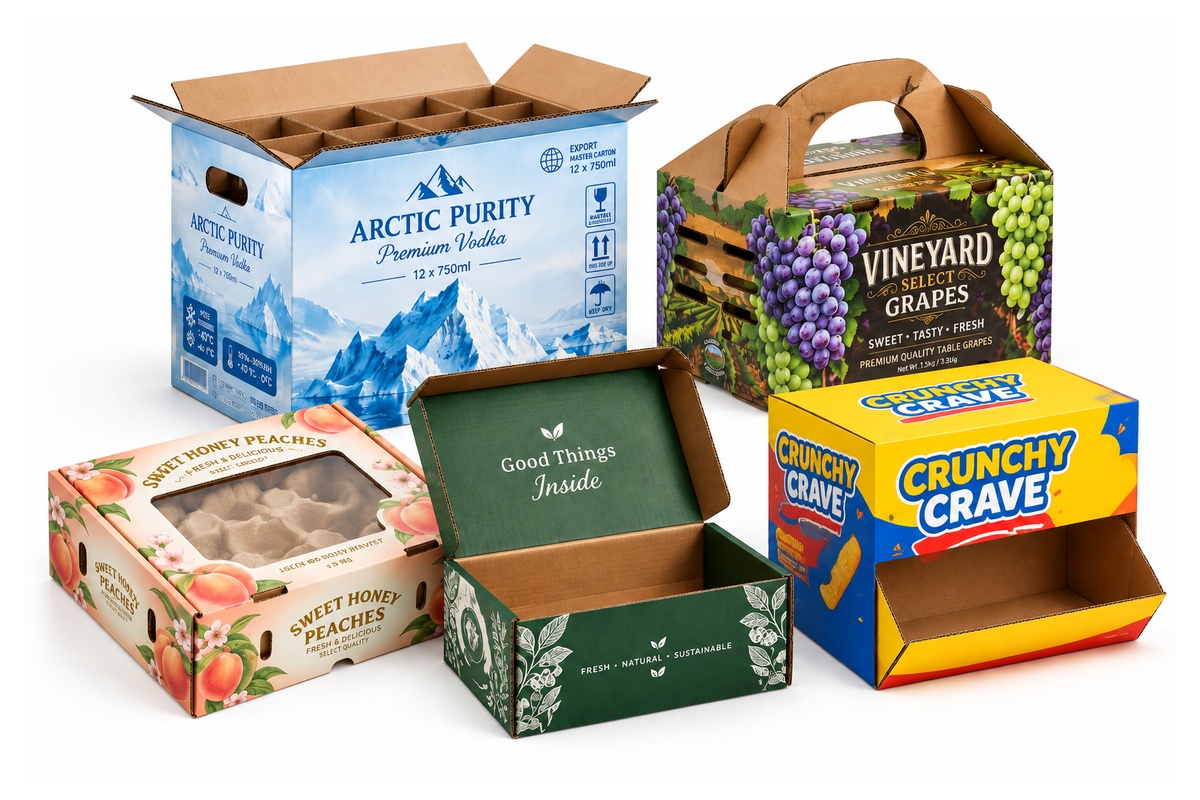
Our Core Product
Corrugated product packaging uses a fluted paper core between liner sheets. It combines a foldable structure with space for branding and product information. Unlike a plain transport carton, it is designed around the individual product and how it will be packed and presented.
Choose the Packaging Role
Start with the layer closest to the product, then add other packaging formats only where the journey requires them.
Use a foldable corrugated product box when the brief centers on product fit, printed presentation and the way the customer receives the item.
Discuss a mailer separately when the same box is expected to travel directly to the recipient. Closure and distribution handling become part of that format's brief.
Explore mailers →Use a shipping carton for packed product boxes moving as a group. It should be planned around the complete packed contents and handling arrangement.
Explore outer cartons →Corrugated Product Collection
These product starting points connect the broader purchasing guide to specific made-to-order box formats.
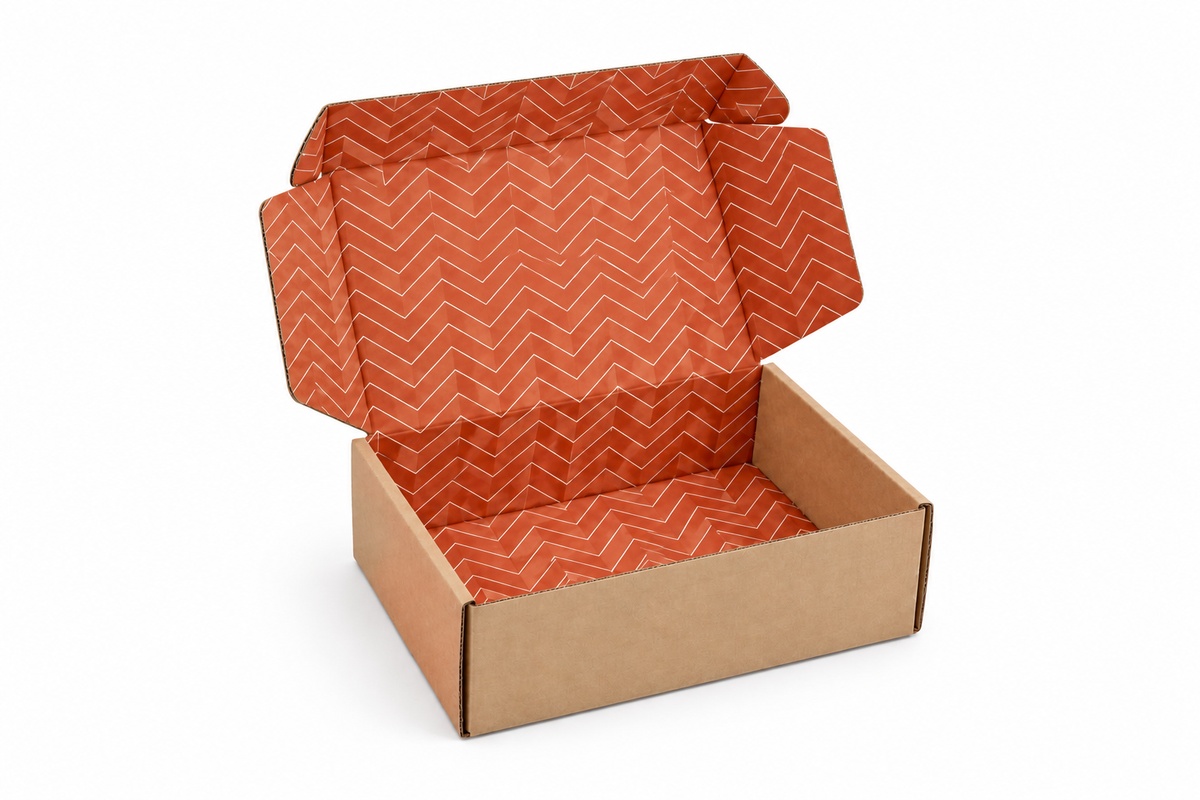
An eco-friendly natural kraft RETT mailer box featuring a warm terracotta chevron patterned interior for an elevated unboxing experience.
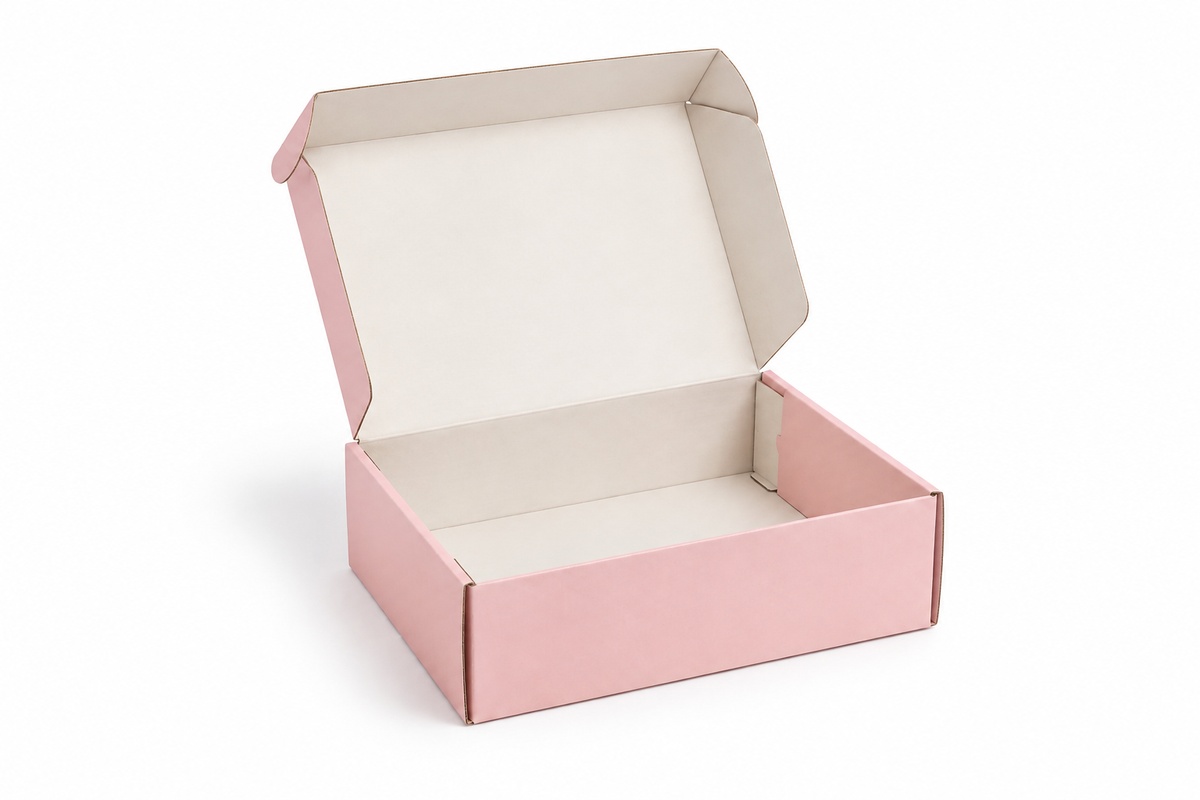
A delicate pastel blush pink cosmetic mailer box featuring a clean minimalist interior for premium beauty care unboxing.
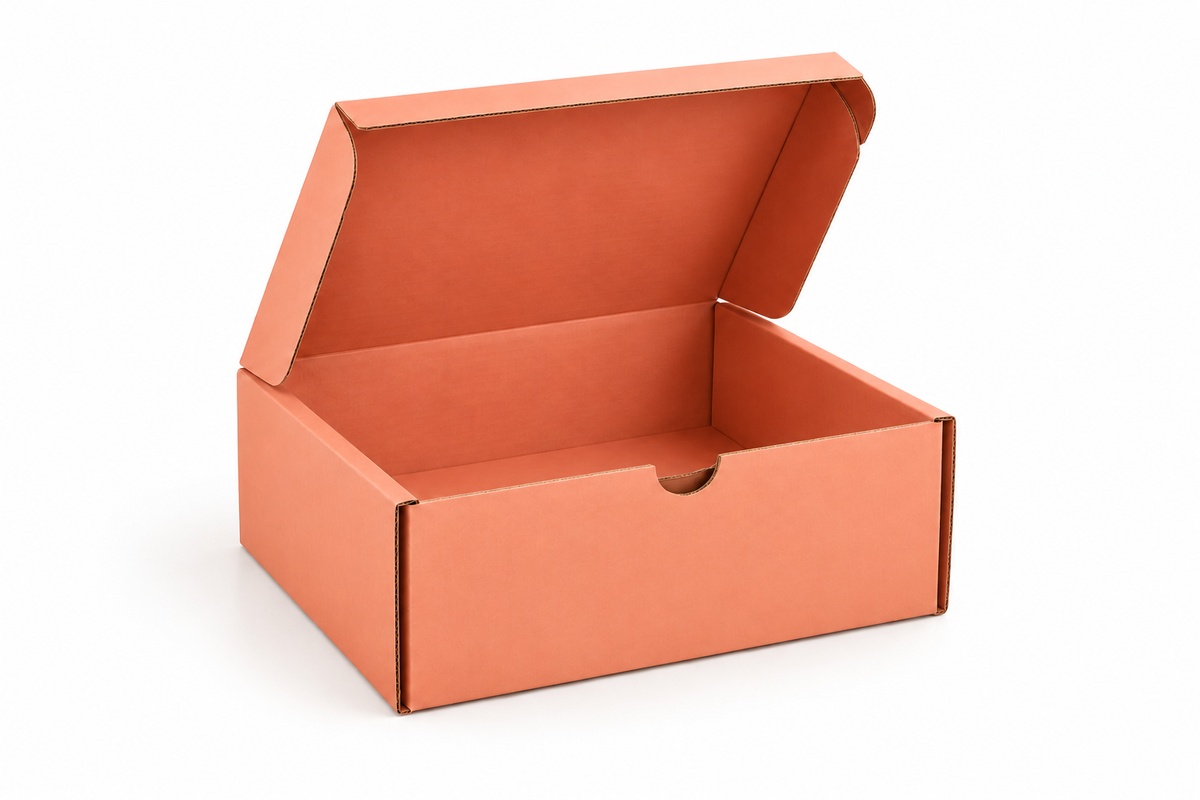
A contemporary coral peach e-commerce mailer box featuring an ergonomic front thumb notch cutout for effortless opening and brand display.
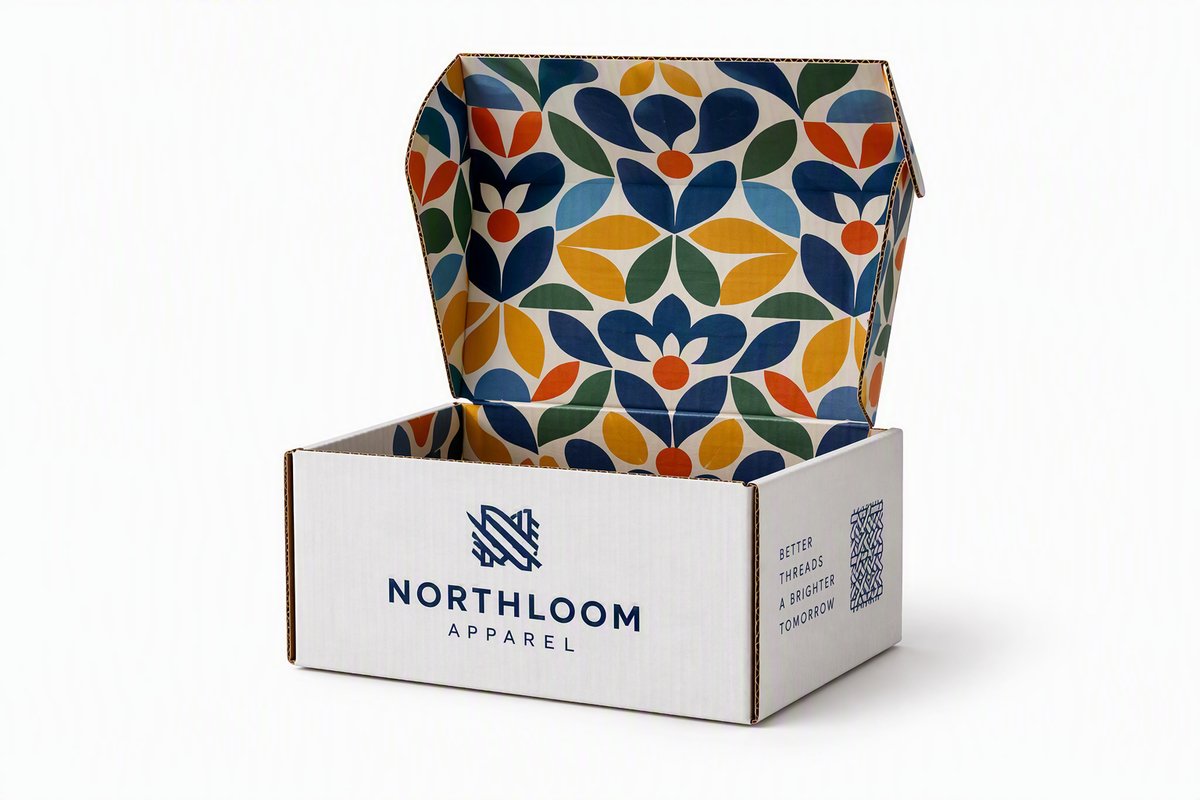
A slim corrugated apparel mailer with artwork extending into the opening experience.
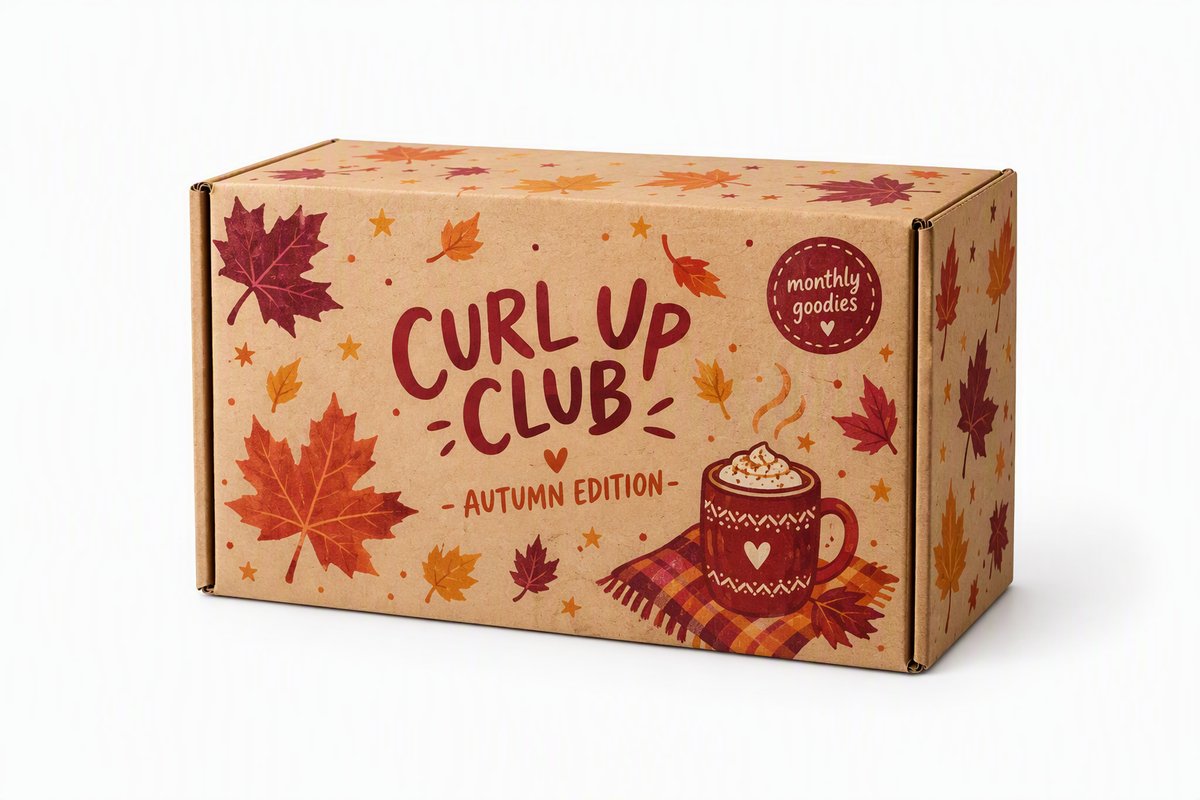
A recurring-delivery mailer with configurable board, print method, and interior graphics.
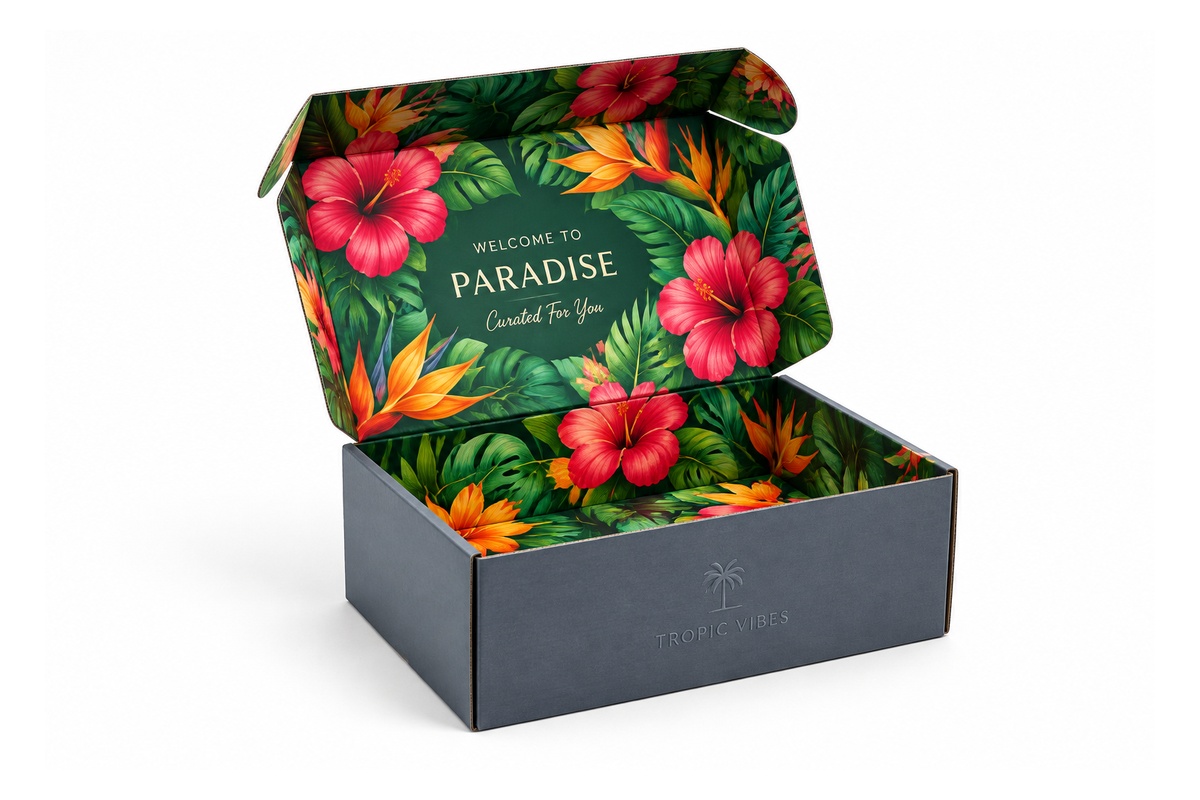
A double-sided printed airplane-style corrugated mailer revealing an expressive interior graphic design upon unboxing.
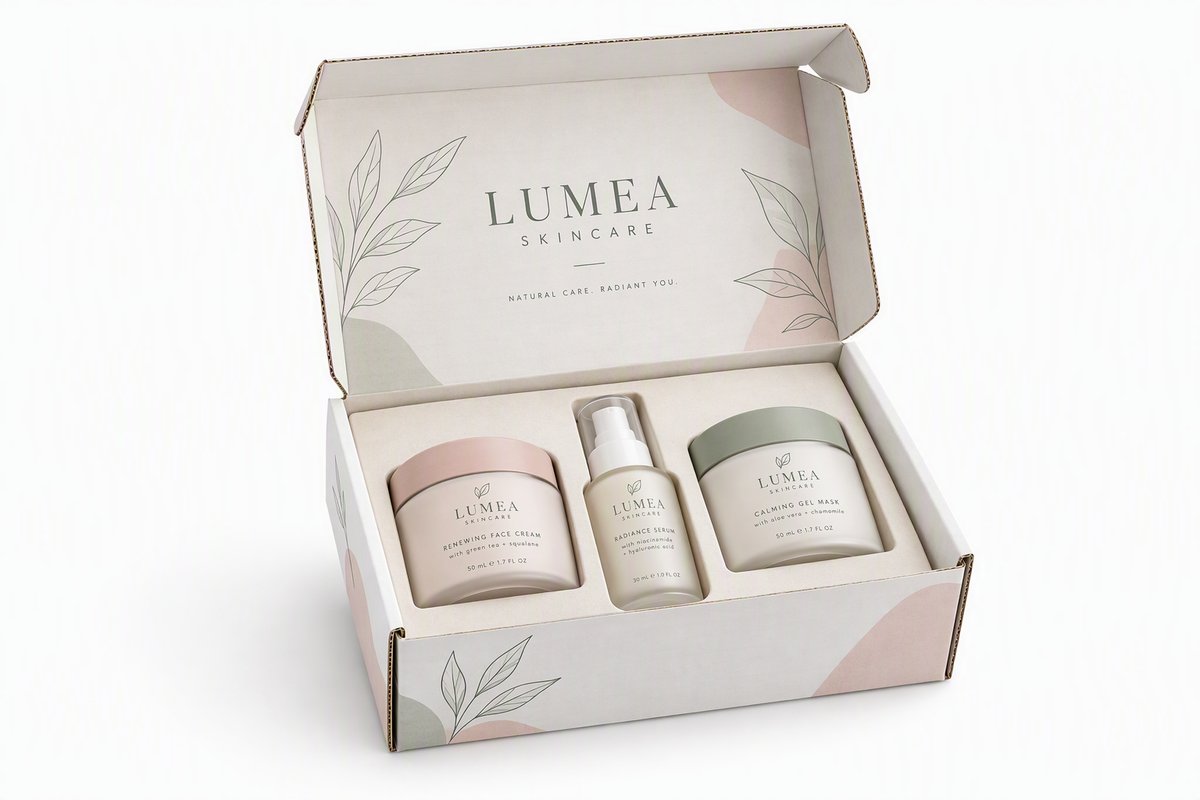
A presentation mailer pairing printed corrugated board with a fitted paperboard insert.

A premium roll-end tuck-front mailer box featuring full-bleed inside watercolor floral graphics and custom inserts for skincare samples.
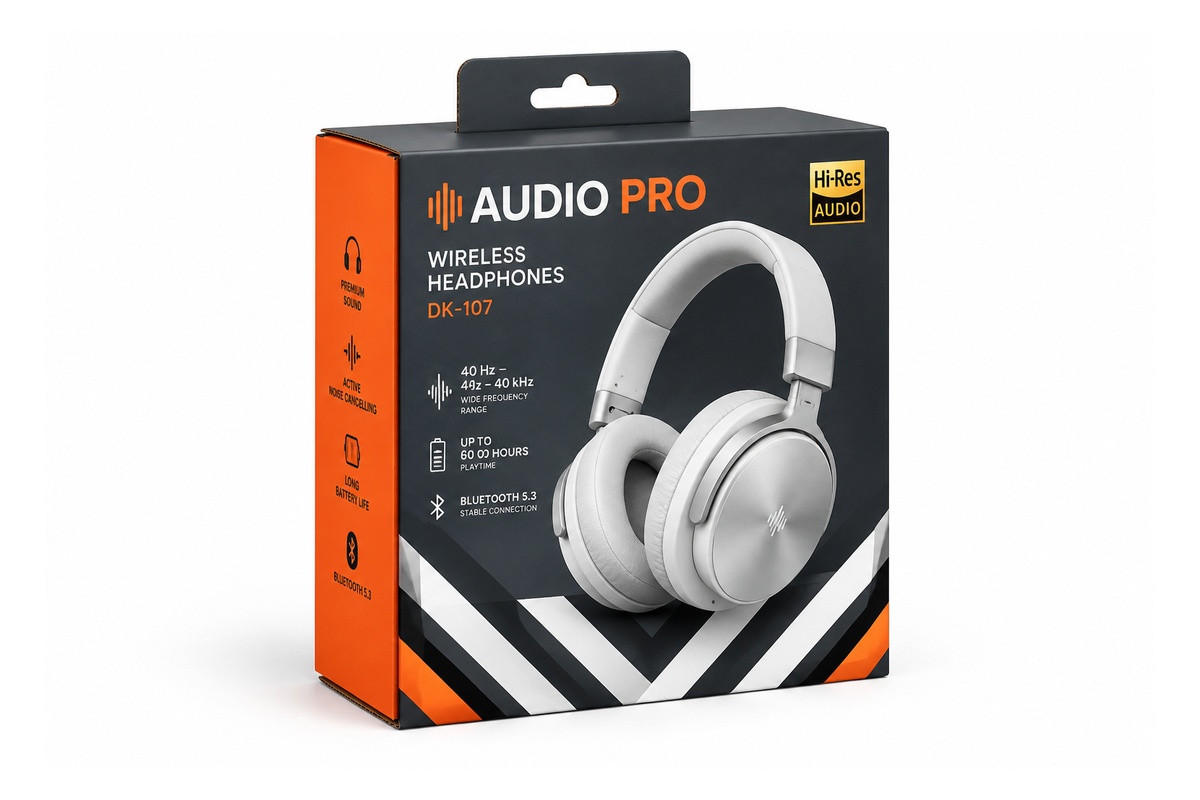
A premium retail hanging display box with reinforced Euro-hook slot and molded insert for wireless studio over-ear headphones.
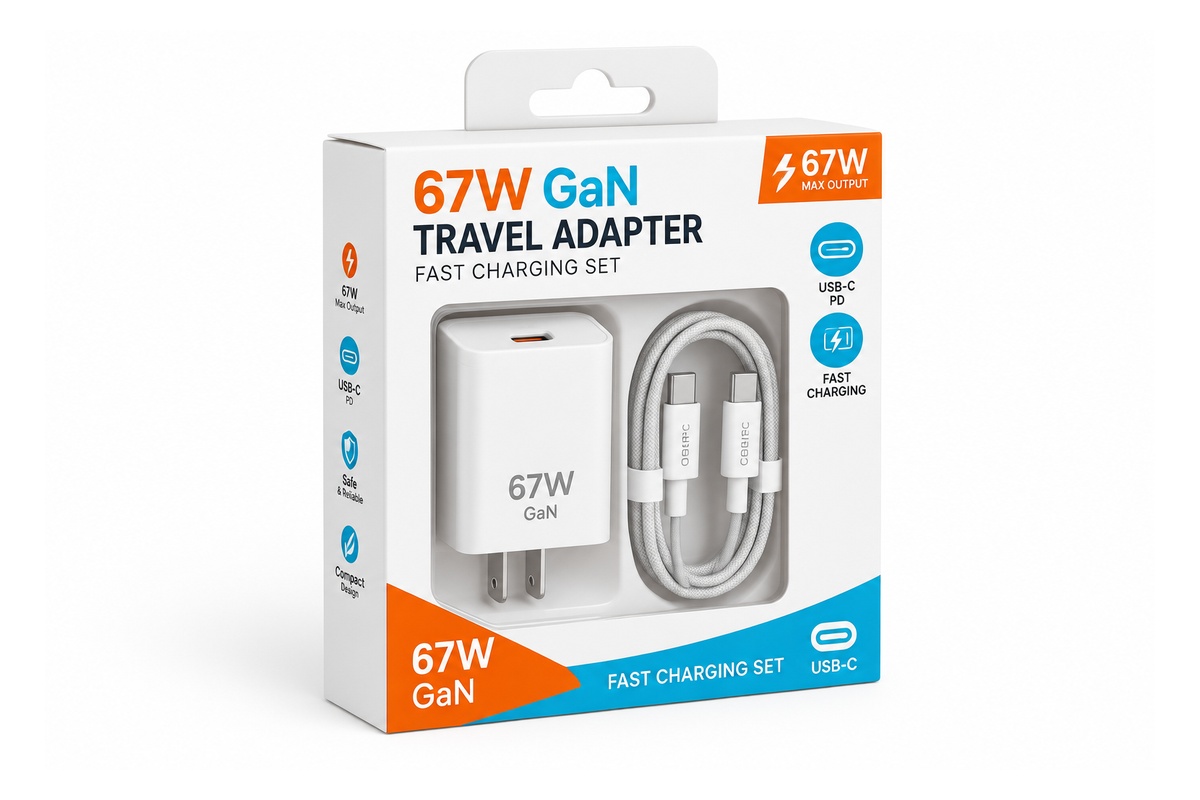
A high-visibility Euro-slot hanging retail box with crystal-clear PET viewing window showcasing GaN charger and braided cable.
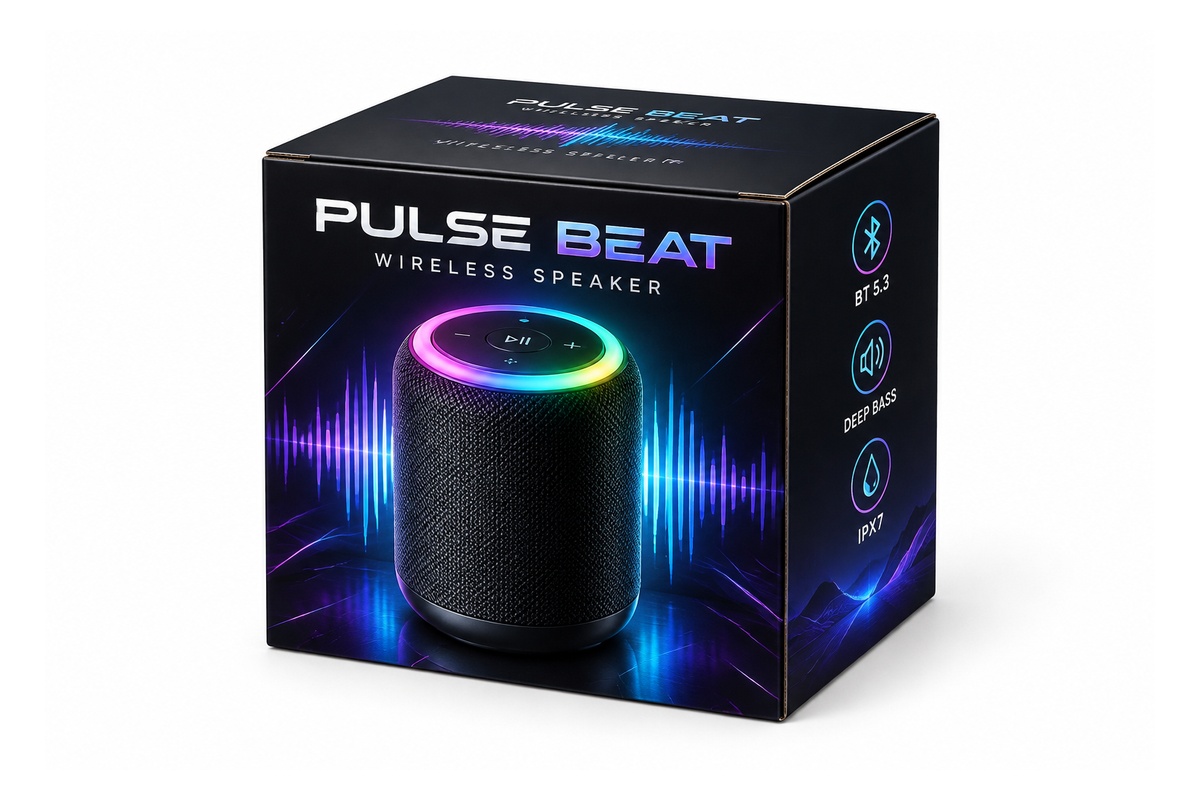
A rugged cubic micro-corrugated carton with vivid neon soundwave graphics and shock-damping corner buffers for portable speakers.

A high-performance roll-end tuck-top corrugated box with cyber-tech hazard graphics and contoured insert for gaming mice.
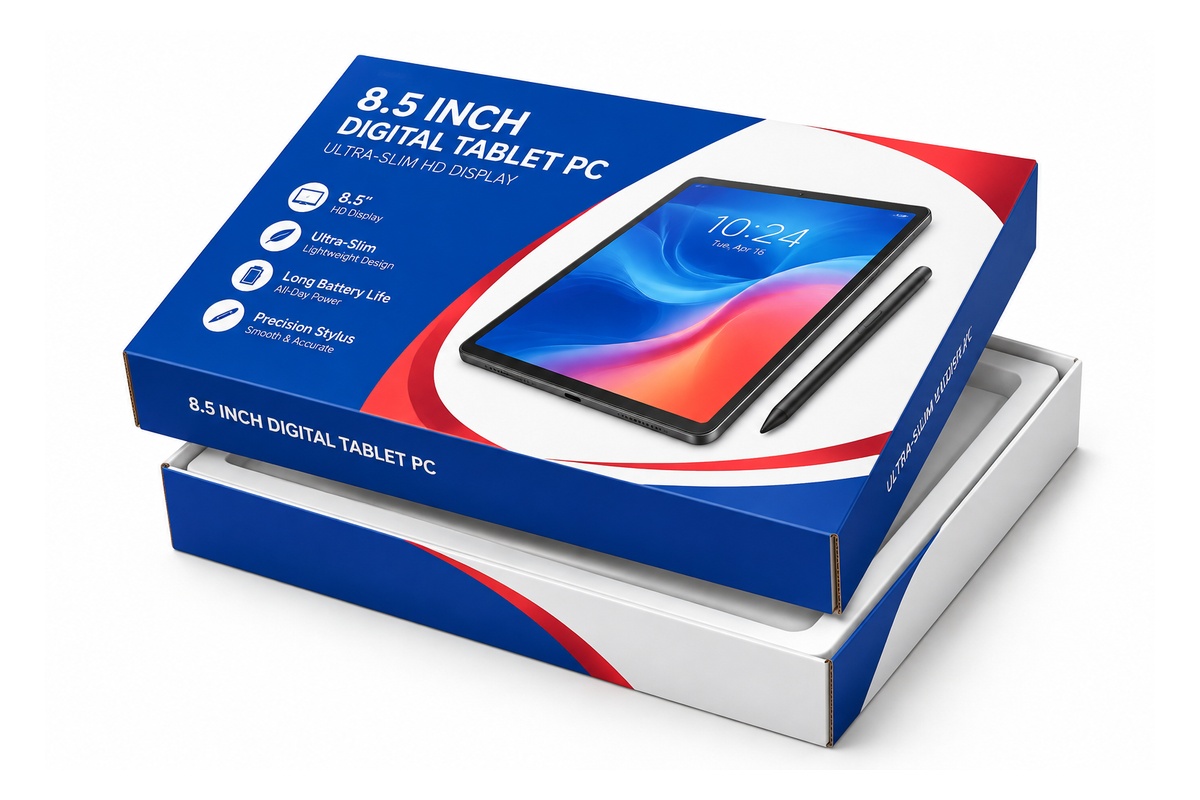
An ultra-slim two-piece telescoping micro-corrugated box with precision tray for tablet PC and magnetic stylus.
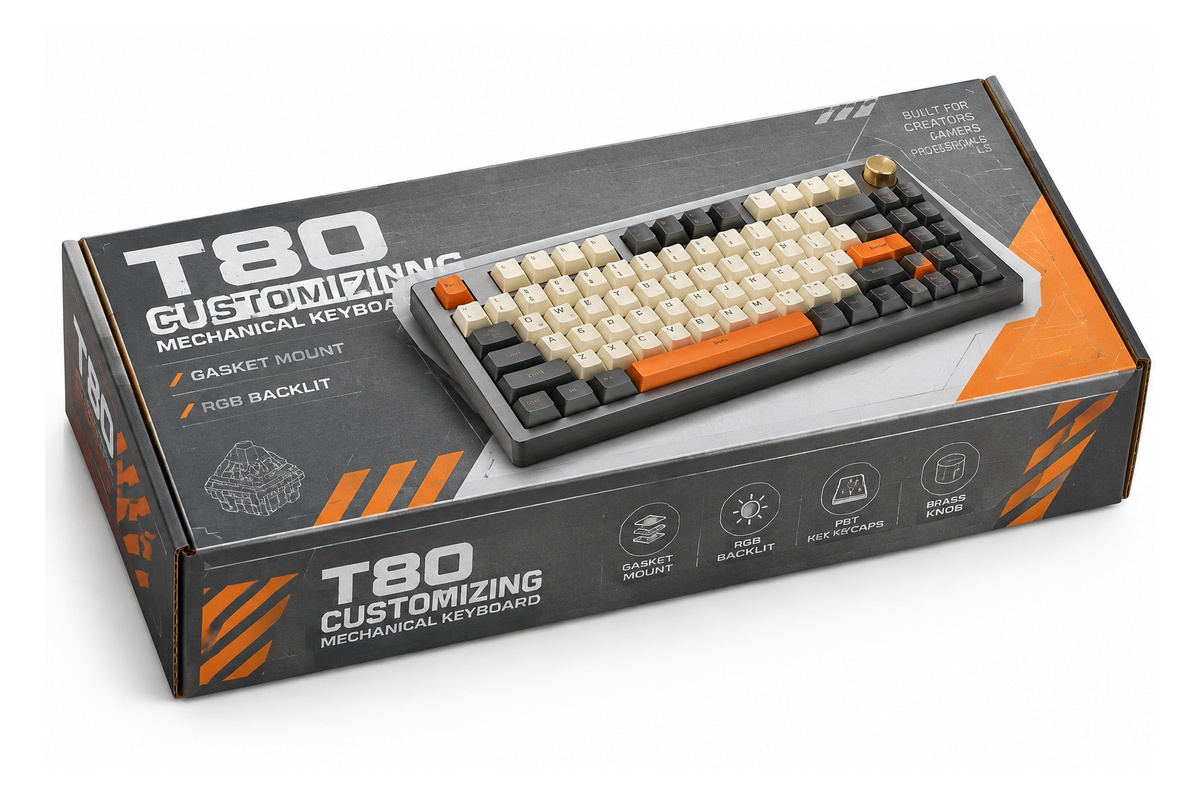
An elongated industrial-grade micro-corrugated folding carton with technical schematics and side dust flaps for 80-key mechanical keyboards.
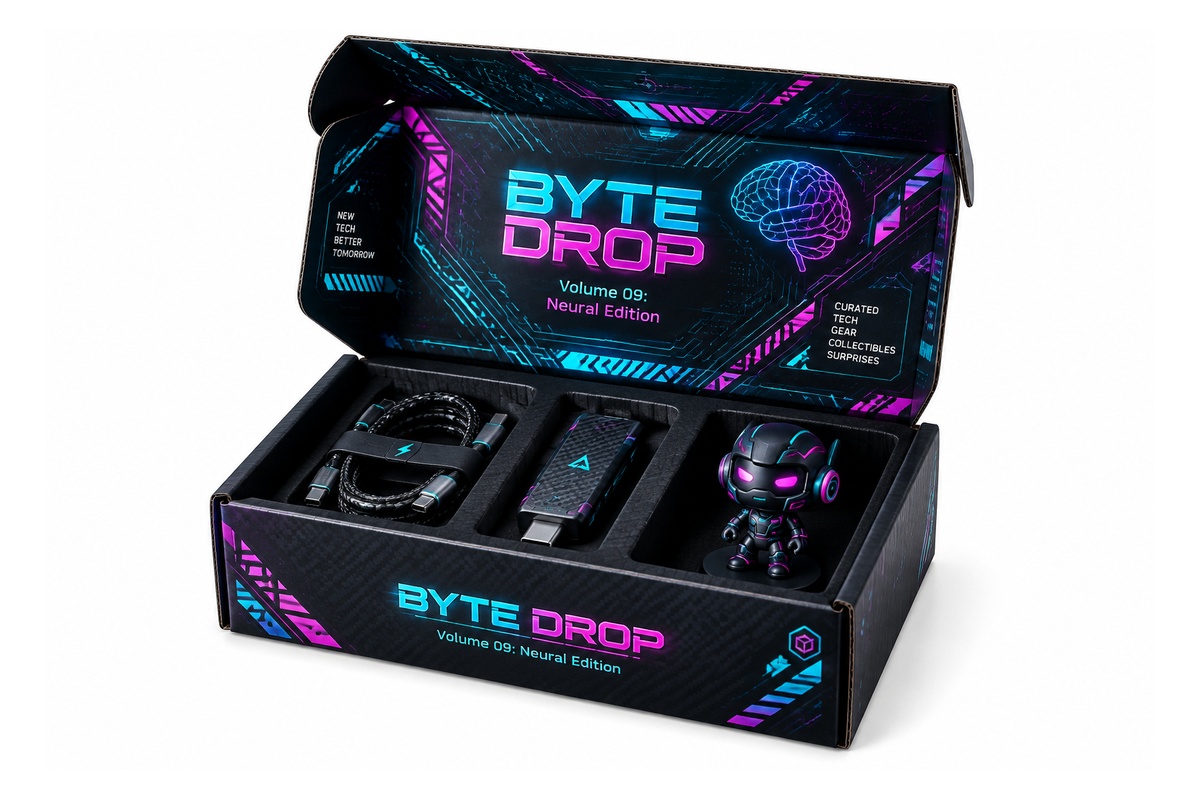
A cyberpunk-themed tech gadget mystery subscription box with all-over interior neon circuit graphics and custom black riser.

A premium micro-corrugated flat-top carry box with soft woven ribbon handle and custom compartmentalized inserts for organic pet shampoos and grooming care sets.
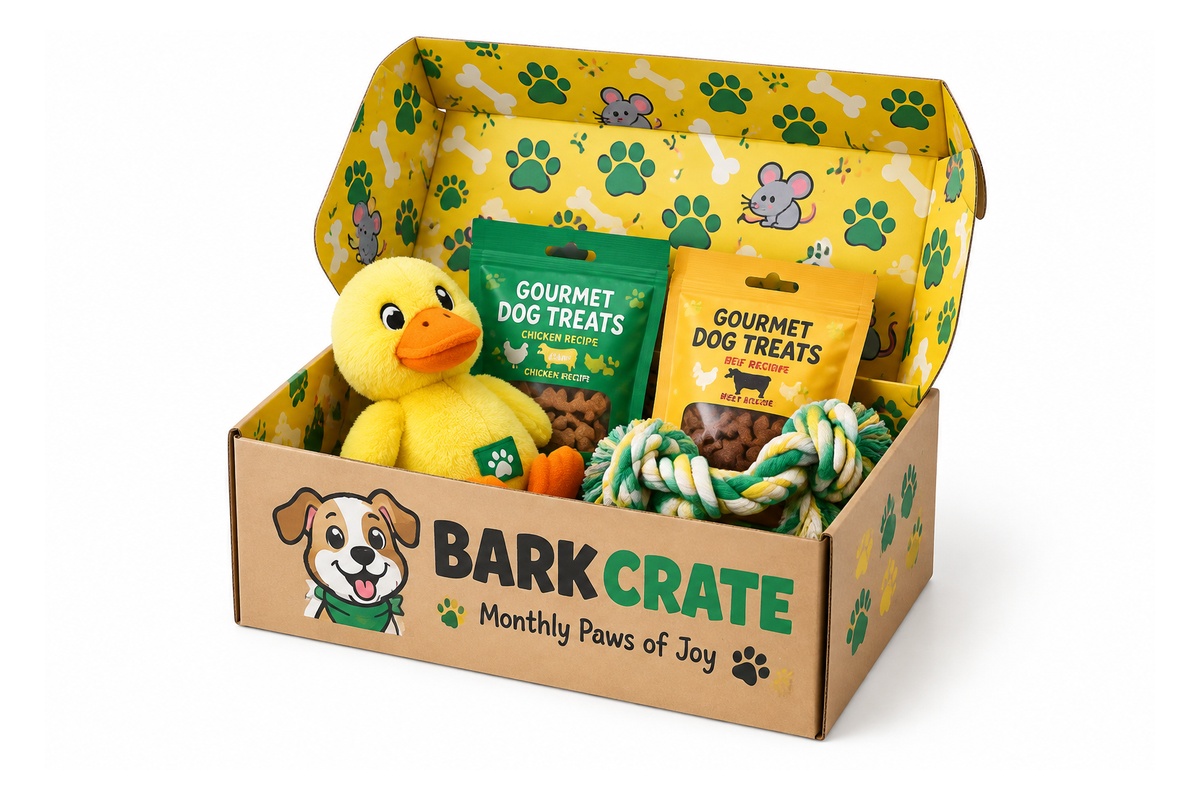
A colorful corrugated mailer with playful interior cartoon patterns delivering monthly chew treats and plush pet toys.
A hinged corrugated mailer with locking tabs and configurable exterior artwork.
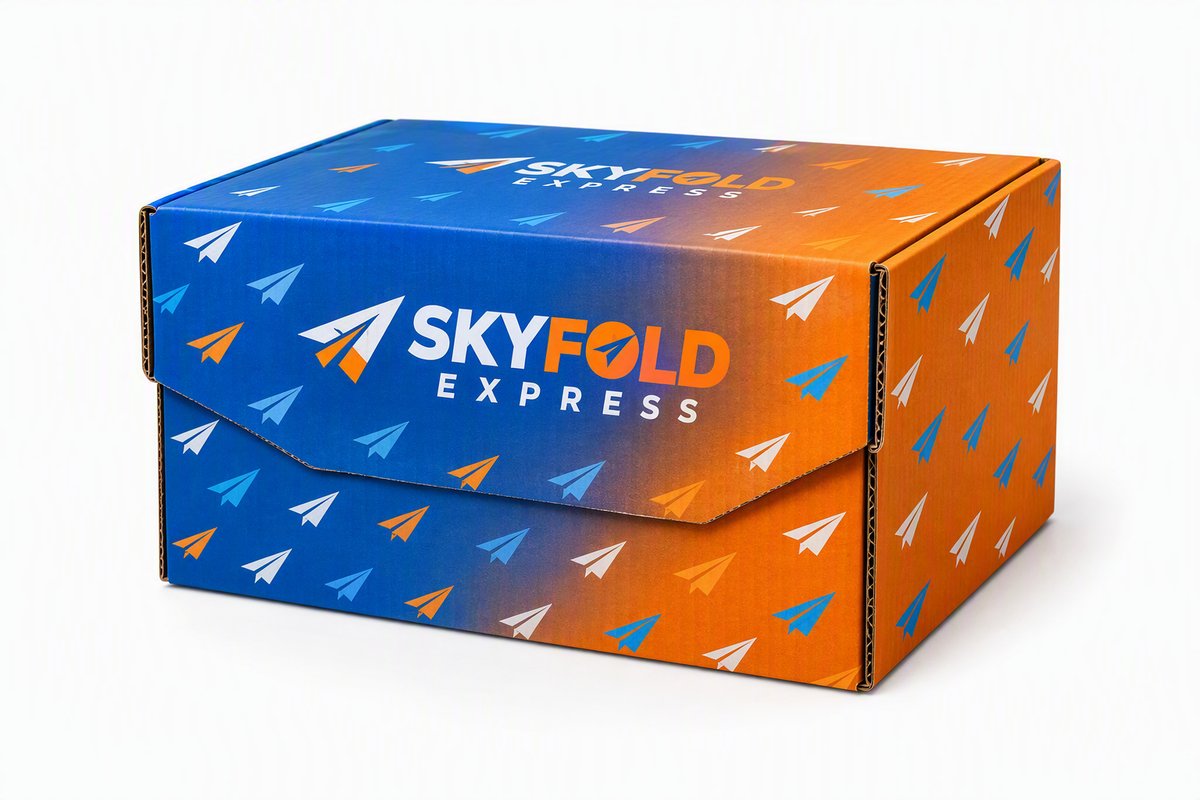
A flat-shipping corrugated mailer whose die-cut wings fold up and interlock into a rigid box.
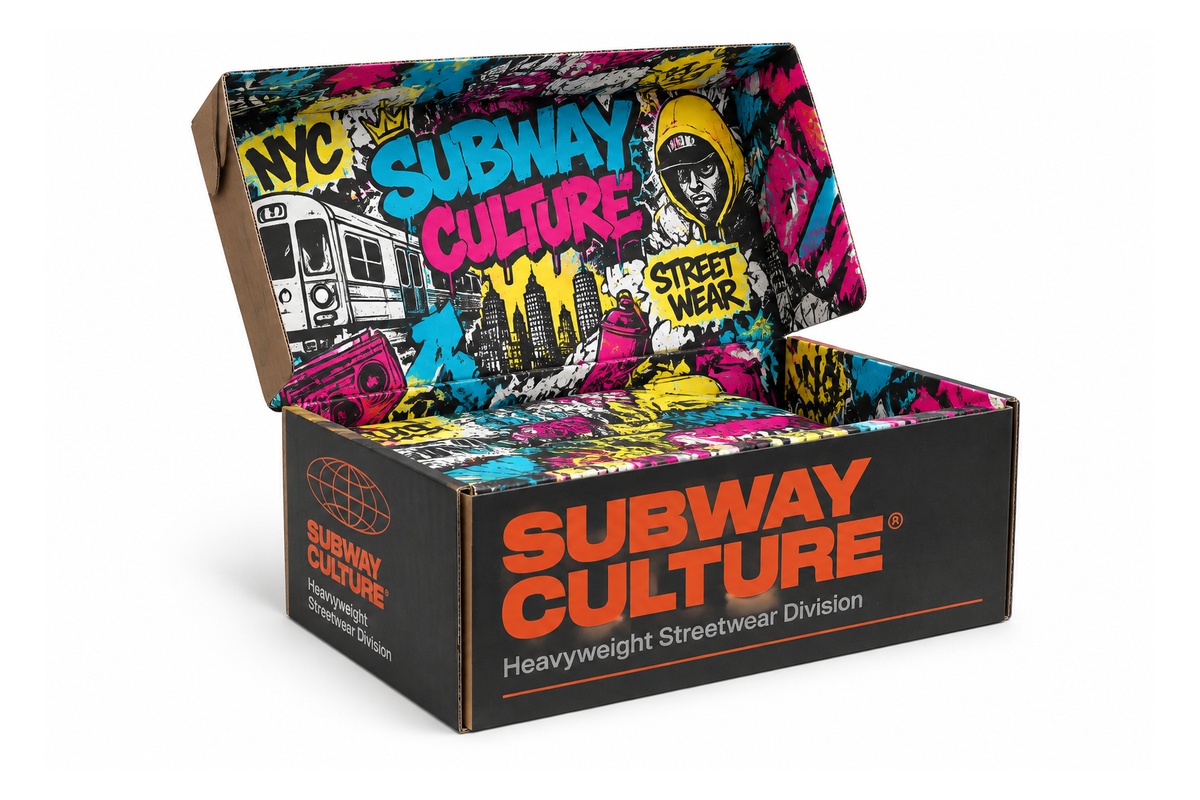
A large-capacity corrugated postal box featuring minimalist exterior and vibrant graffiti unboxing art on the inside lid.
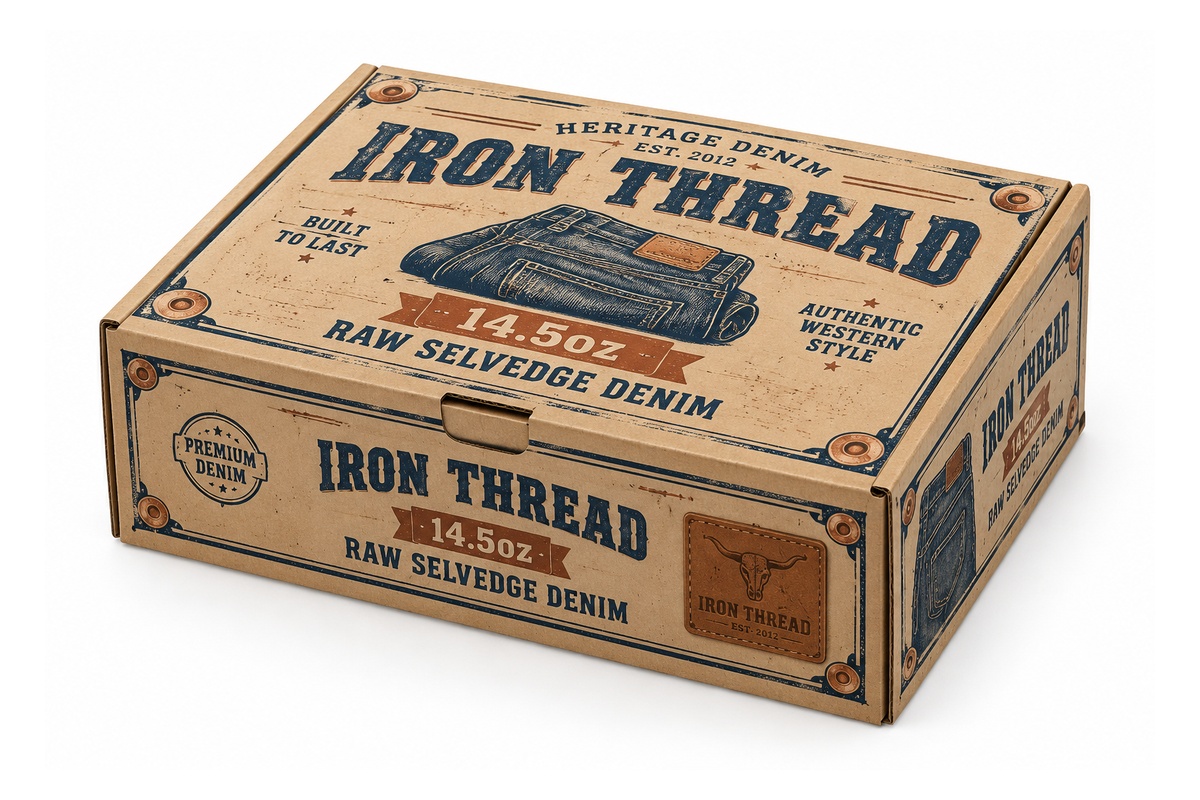
A vintage heritage corrugated postal box with Americana typography and rivet graphics for heavy selvedge denim jeans.
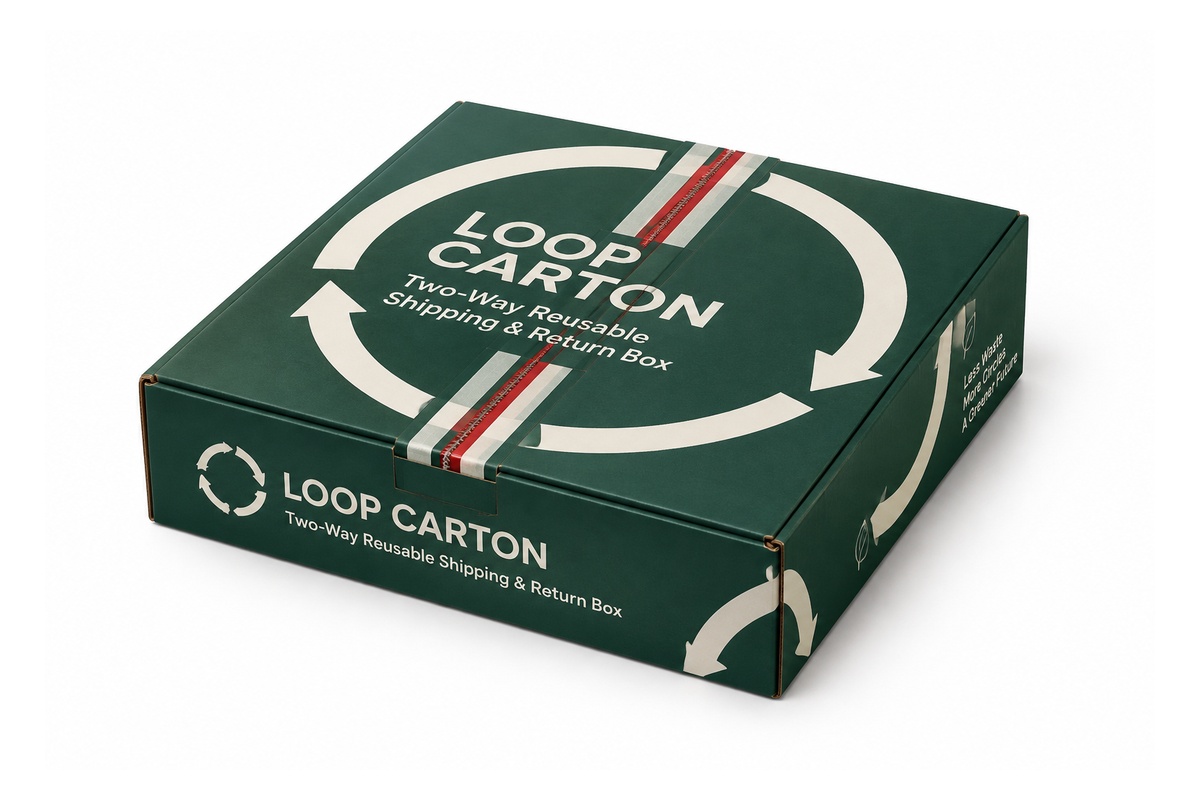
A customer-friendly corrugated mailer with dual adhesive strips and center tear ribbon for convenient return logistics.
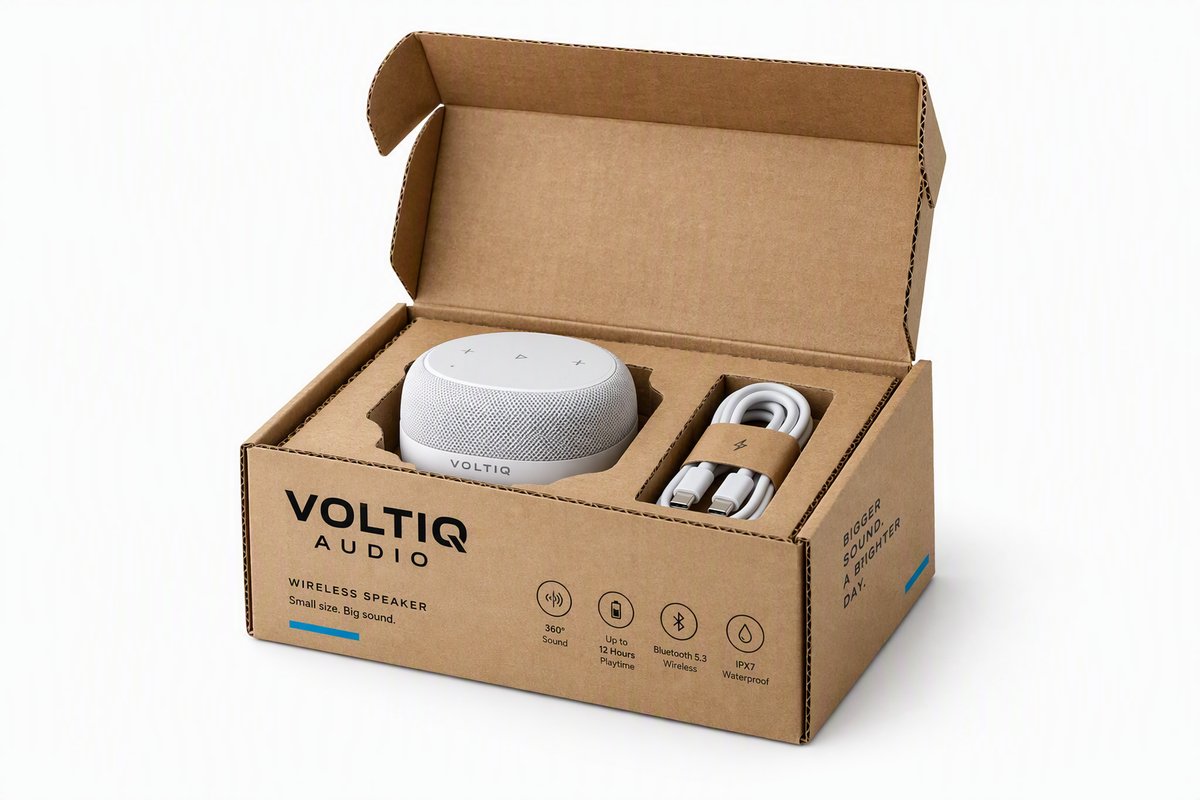
A protective corrugated equipment box and custom insert system shaped around a smart audio device and its accessories.
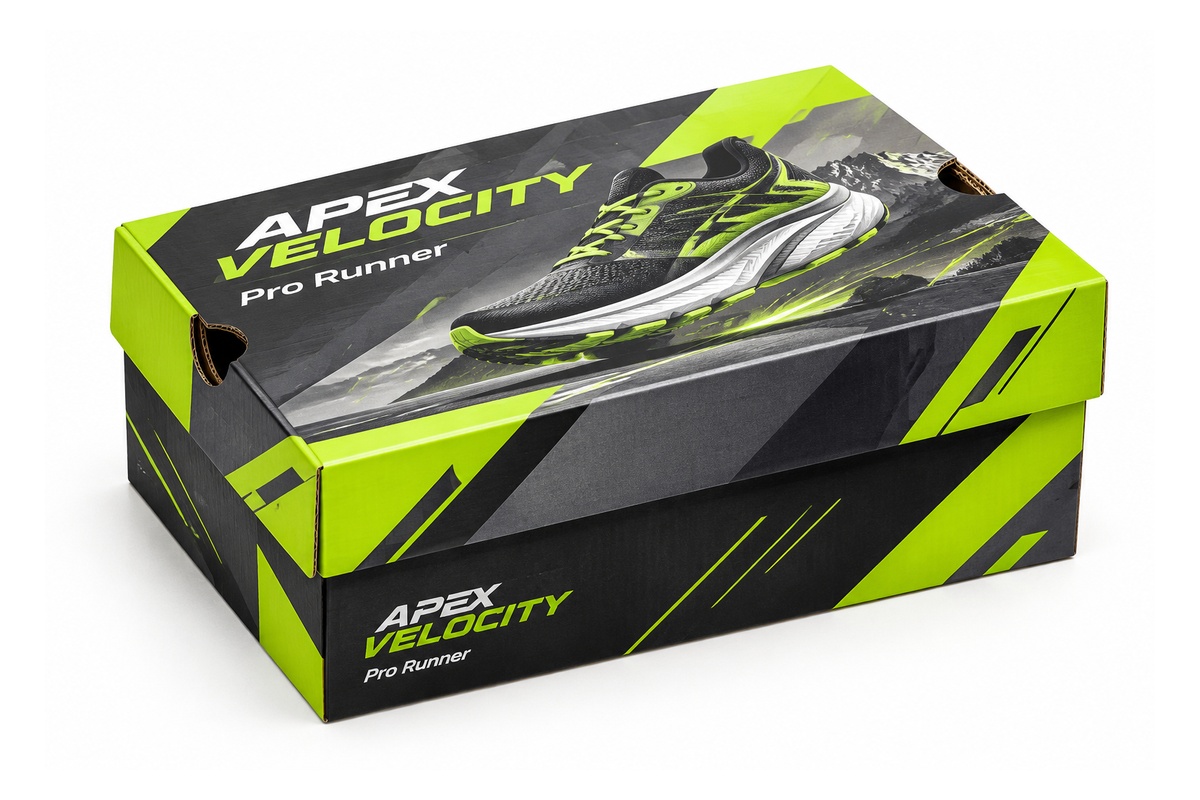
A full-telescope E-flute corrugated two-piece shoebox with thumb notches and dynamic full-bleed litho graphics.
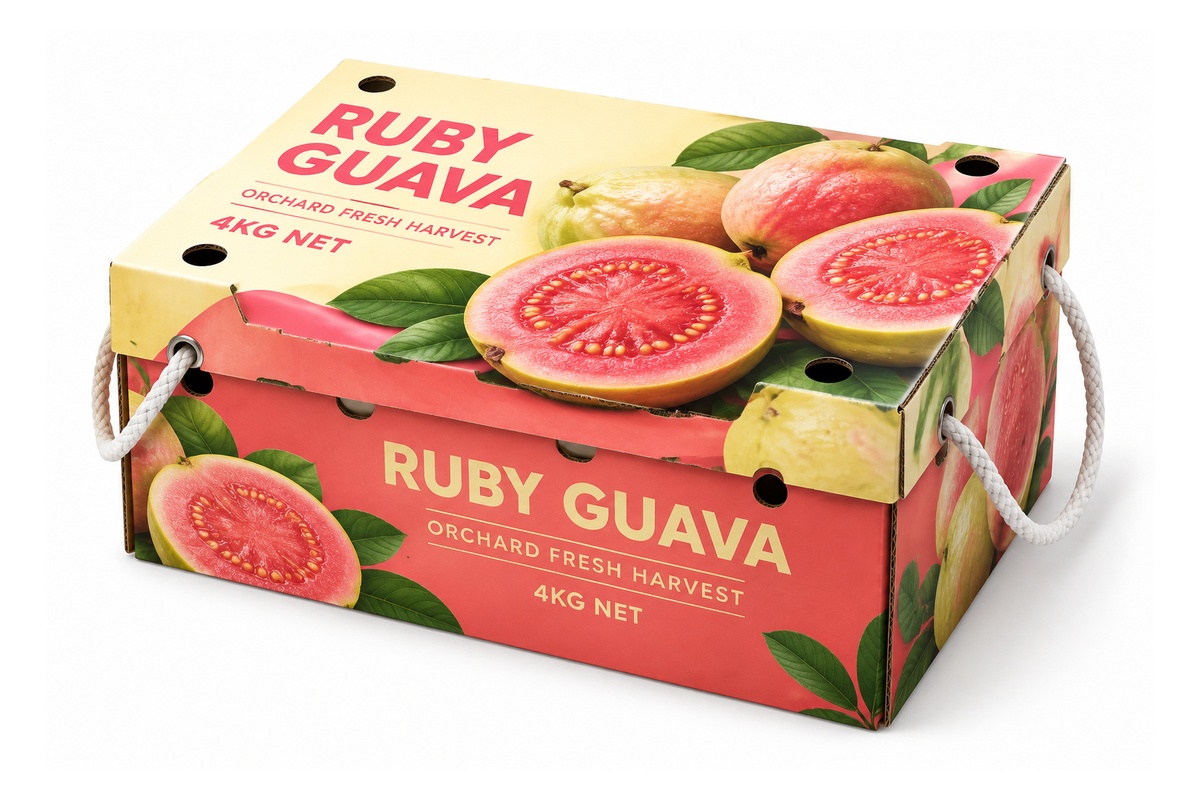
A premium telescoping lid-and-base corrugated gift box engineered for farm-fresh ruby pink guavas with integrated rope handles and cross-ventilation cutouts.
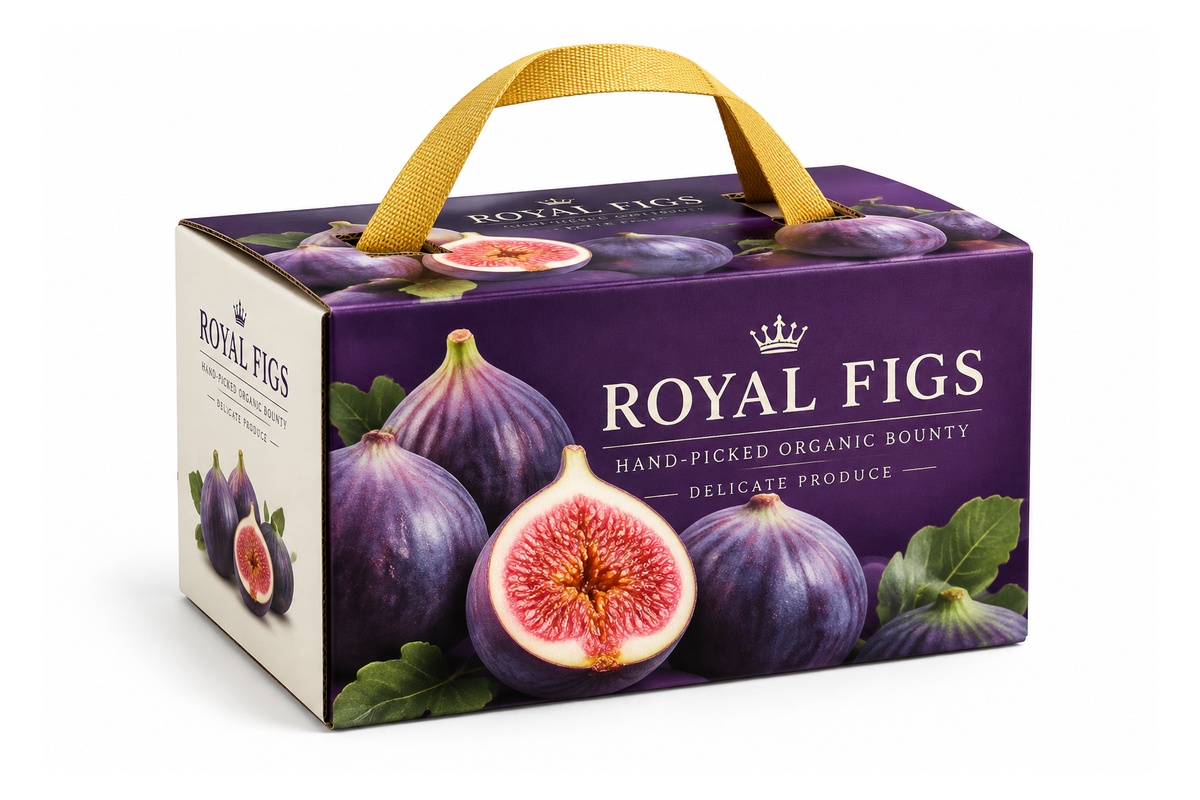
An elegant micro-corrugated flat-top carry box with wide woven ribbon handle and shock-absorbing cradle insert designed for fragile fresh purple figs.
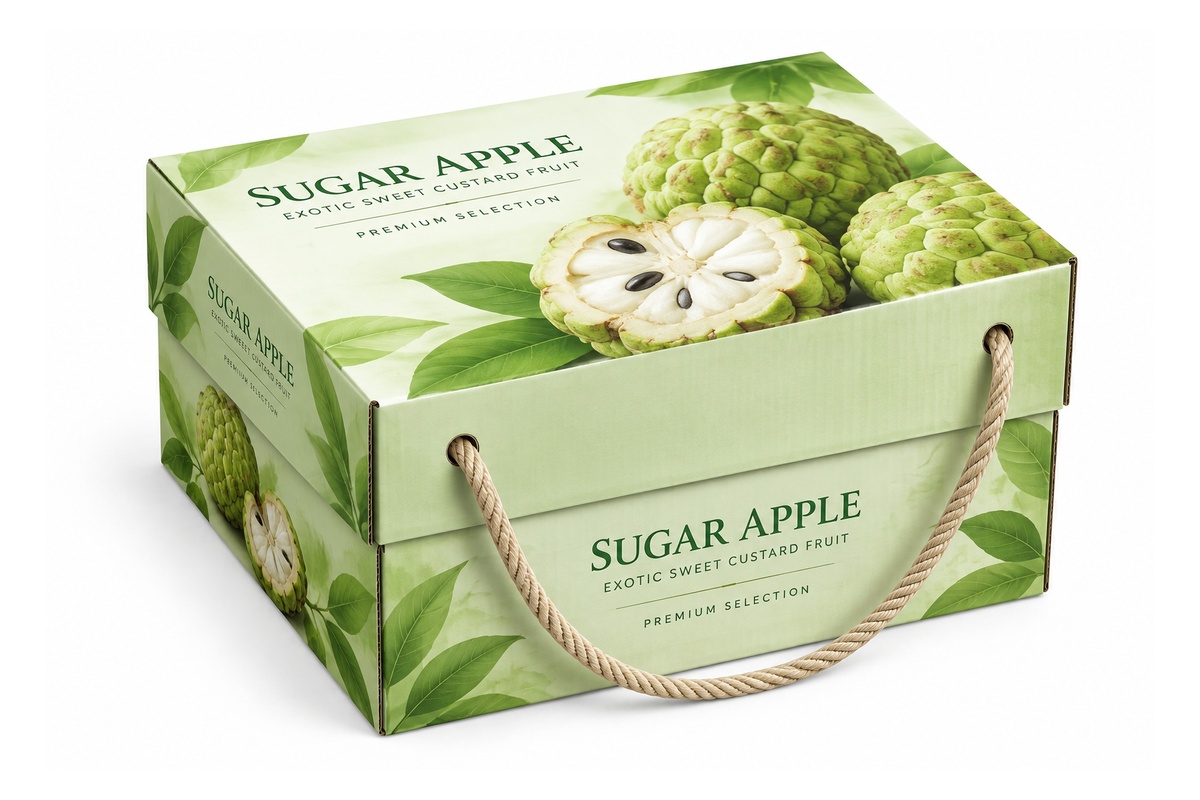
A premium two-piece telescoping corrugated fruit gift box with braided cord handles and breathable side slits for exotic fresh custard apples.
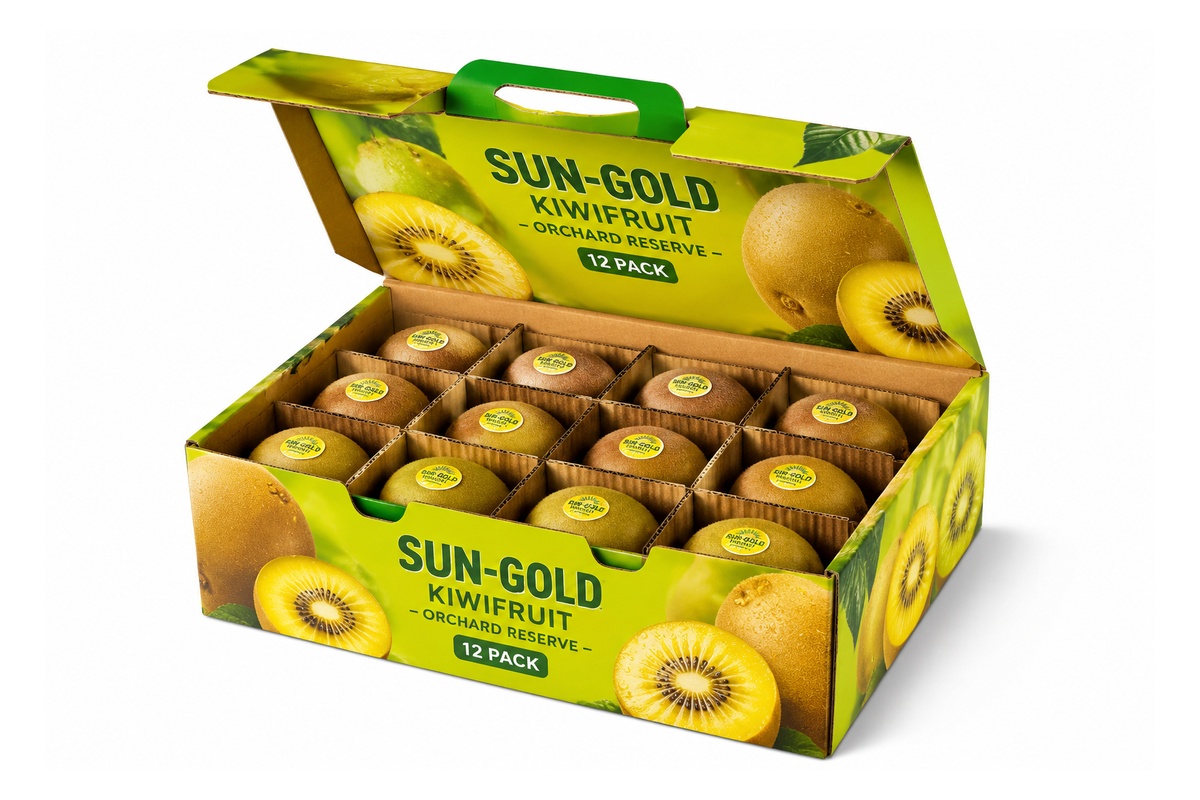
An innovative hinged-lid folding carton featuring an integrated modular divider grid and top carry handle for single-layer premium kiwifruits.
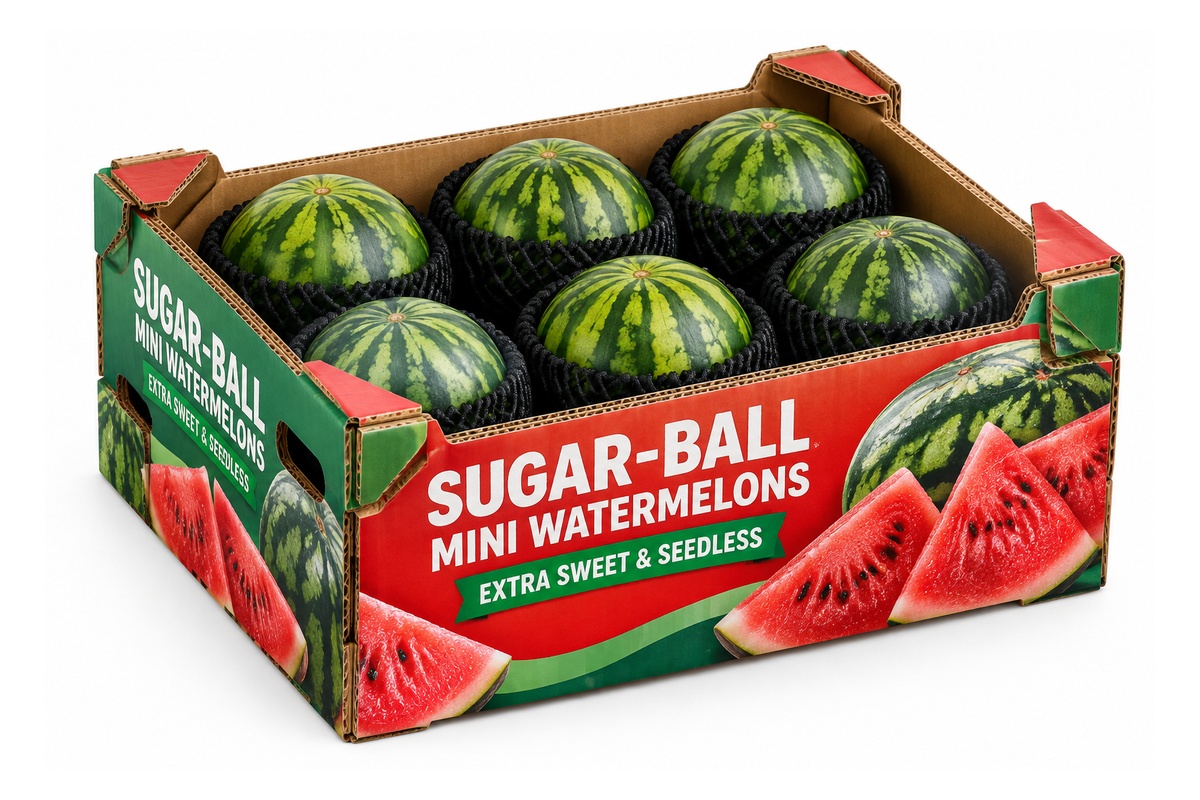
A heavy-duty open-top corrugated produce stacking tray with corner locking flanges and ventilation hand-holes for foam-netted mini watermelons.
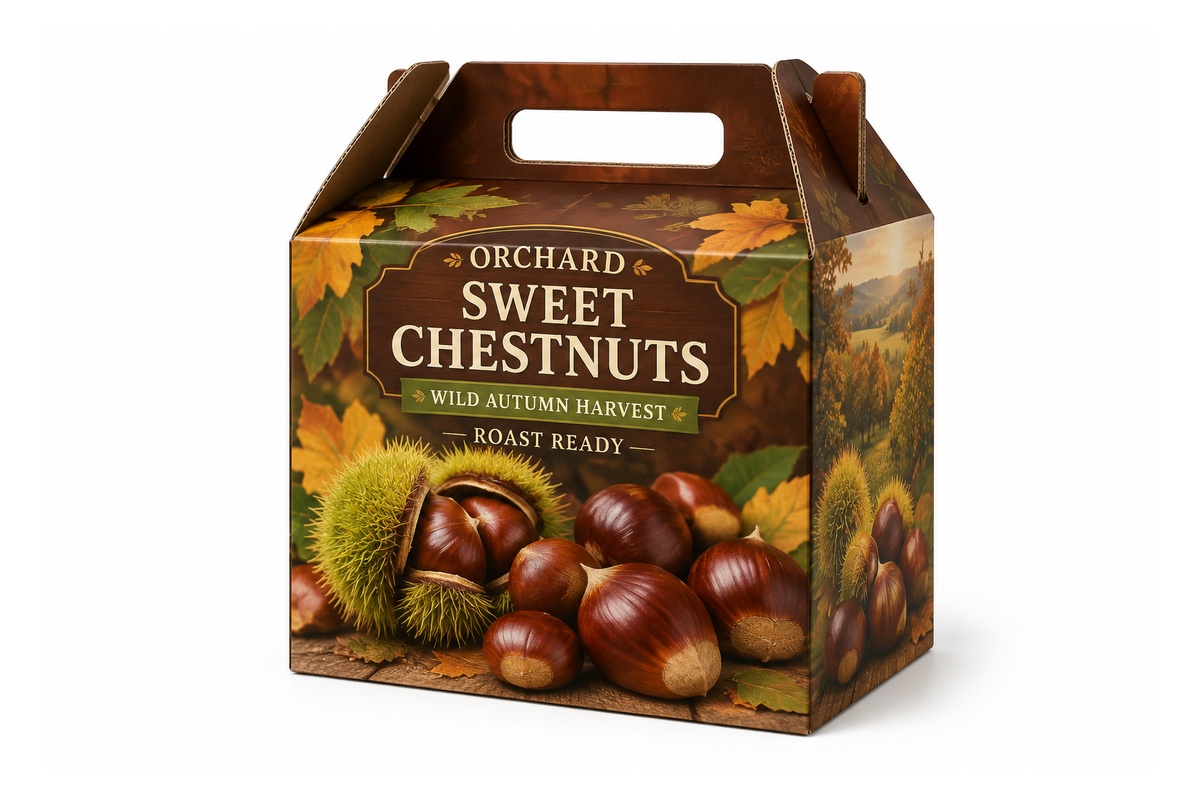
An authentic peaked gable-top corrugated carton with die-cut carry handle and breathable side vents tailored for fresh orchard sweet chestnuts.
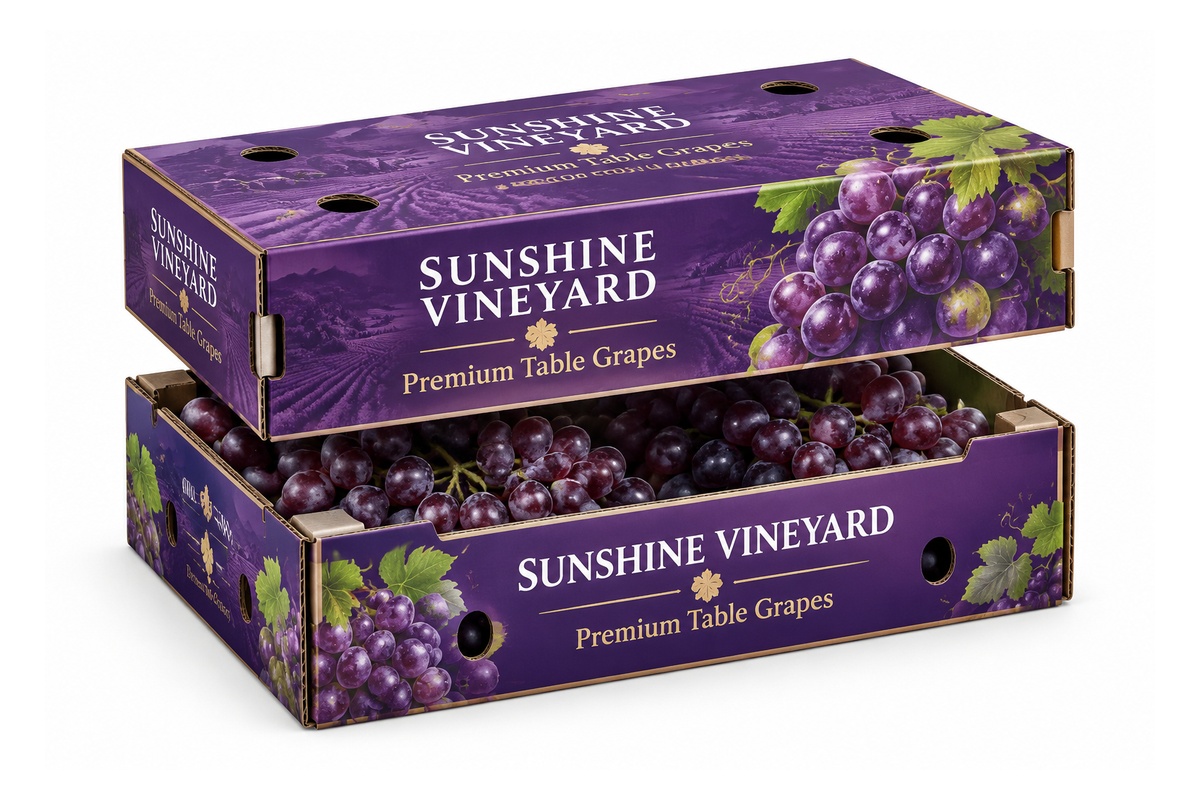
A heavy-duty B-flute two-piece corrugated fruit crate featuring die-cut ventilation apertures and reinforced corner posts.
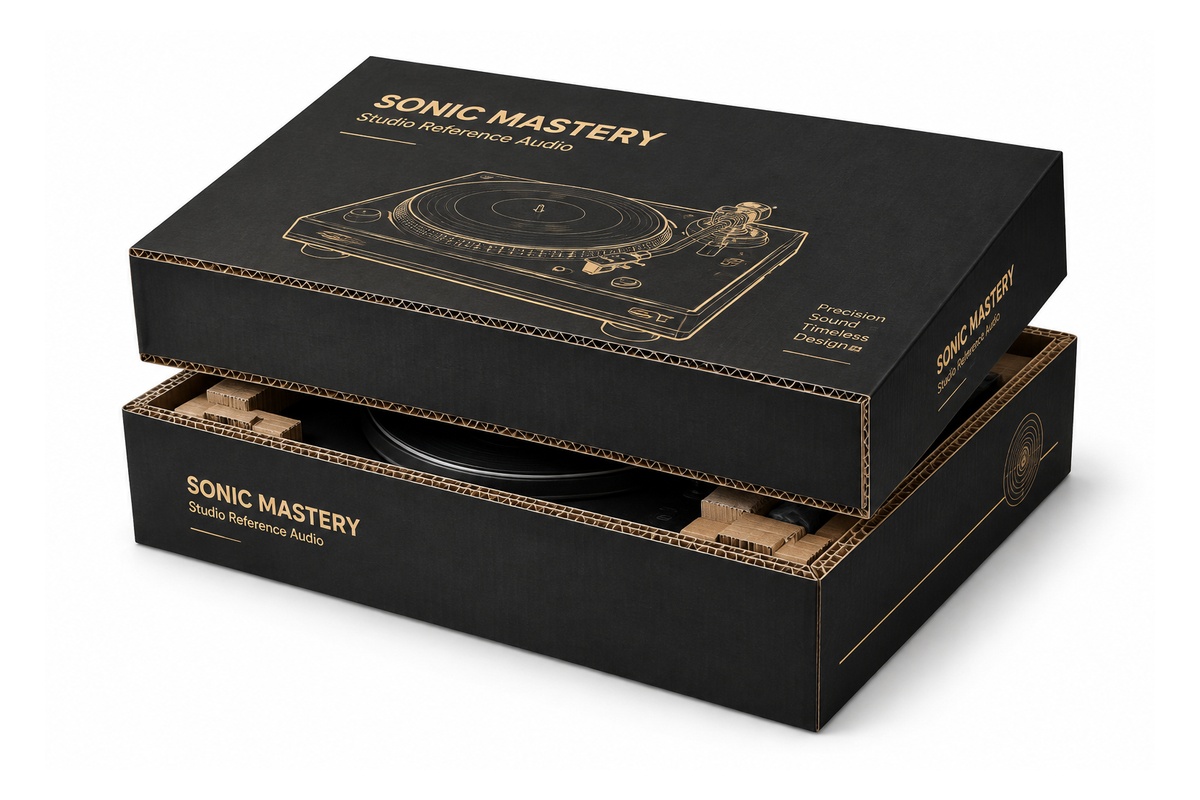
A heavy-duty partial-telescope double-wall corrugated box engineered for precision audio components and turntable systems.
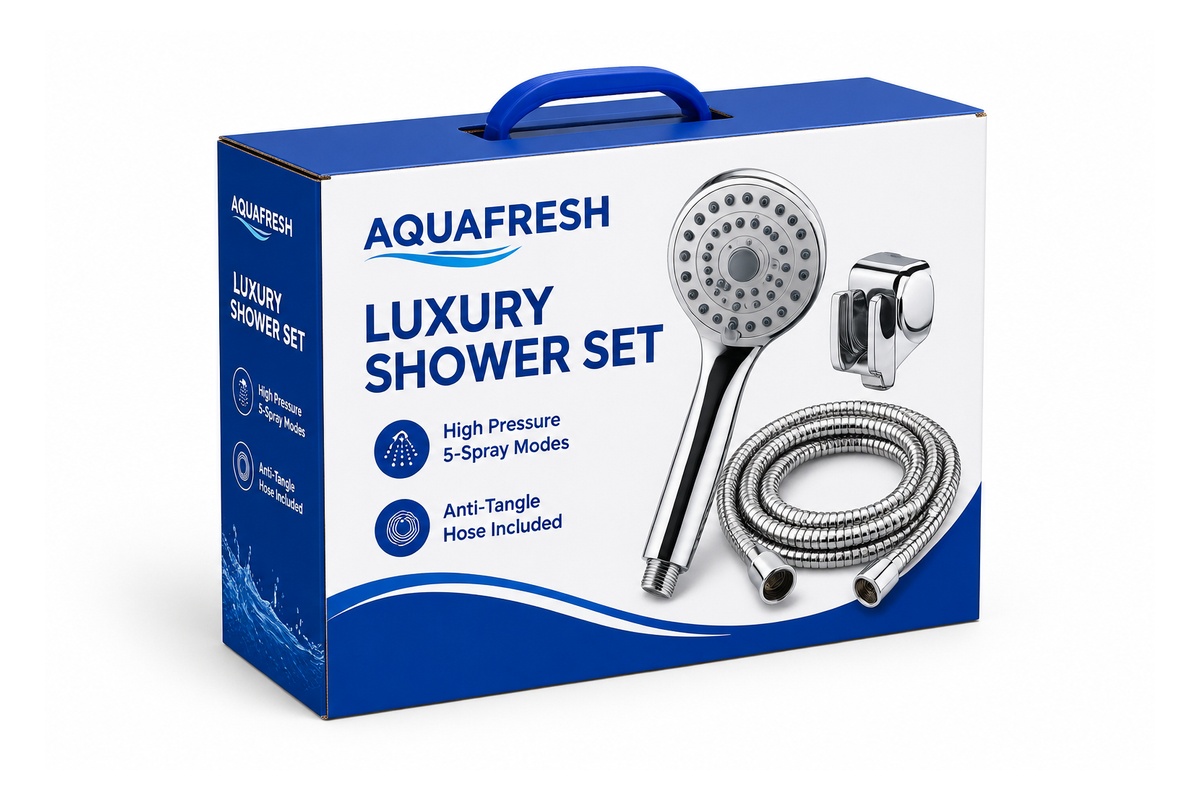
A premium waterproof-coated micro-corrugated flat-top carry box with heavy-duty plastic handle designed for handheld shower head and hose bathroom fixtures.
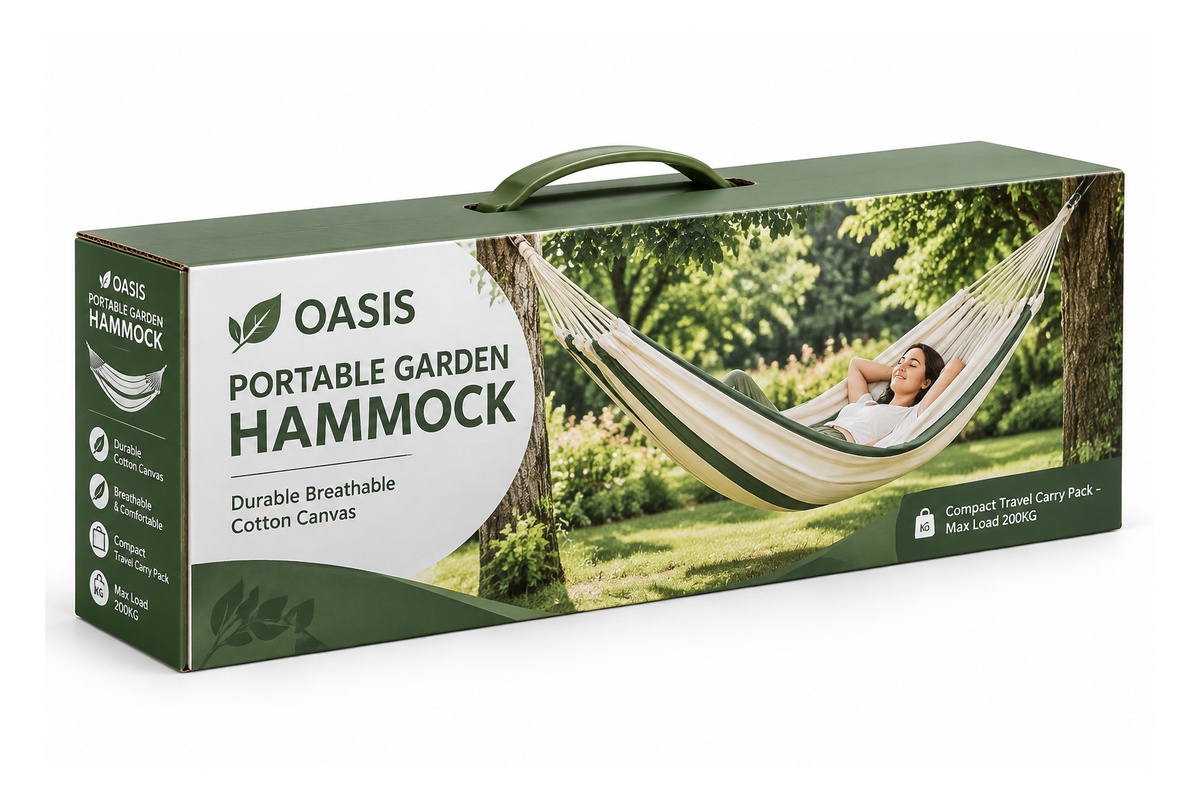
An elongated eco-friendly micro-corrugated carry box with durable plastic handle for rolled outdoor canvas hammocks and tree-strap suspension kits.
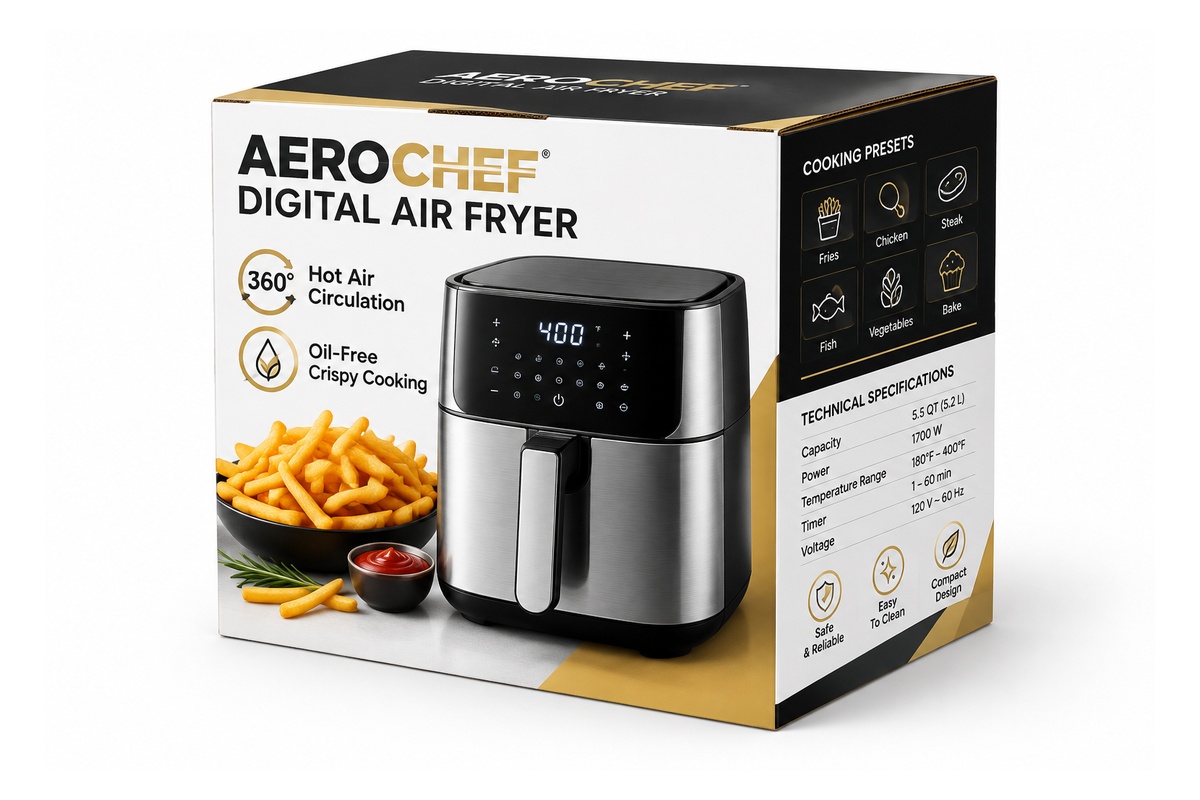
A high-strength micro-corrugated cubic kitchen appliance carton with vivid culinary graphics and shock-damping corner buffers for digital air fryers.
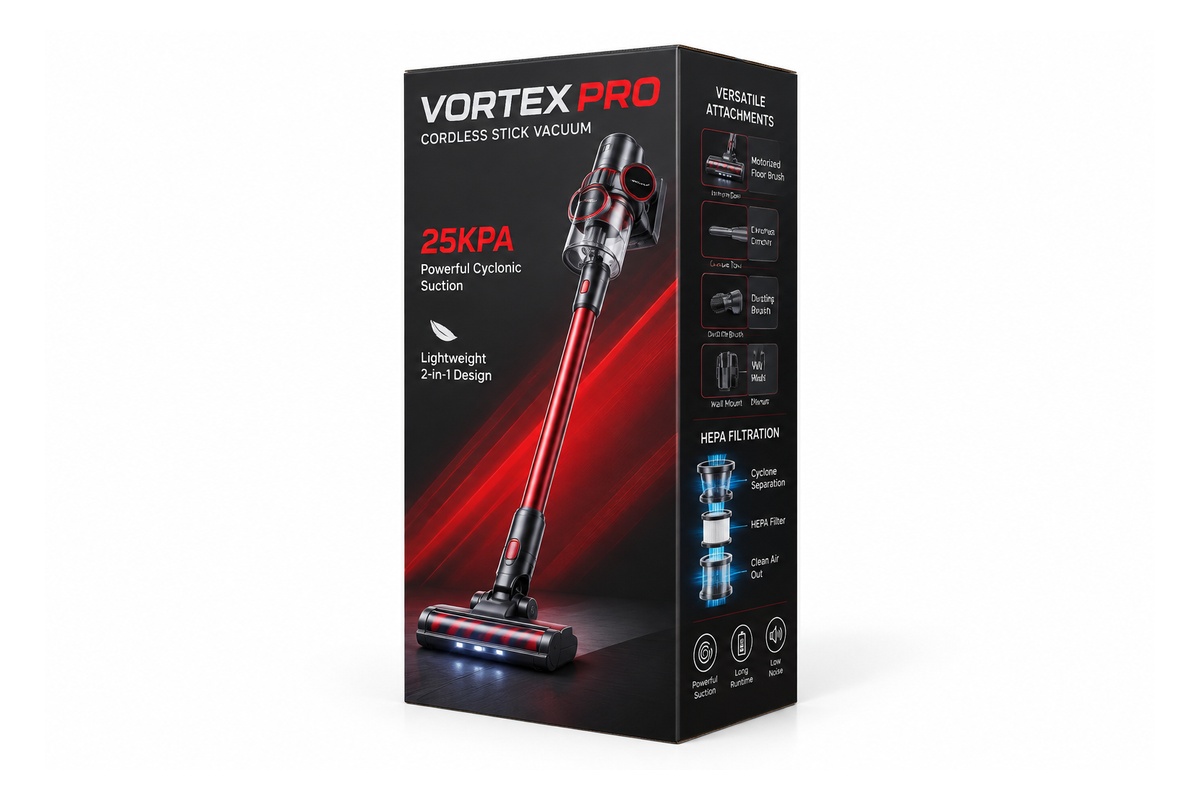
An elongated micro-corrugated carton with compartmentalized corrugated trays for 2-in-1 cordless stick vacuum cleaners and accessories.
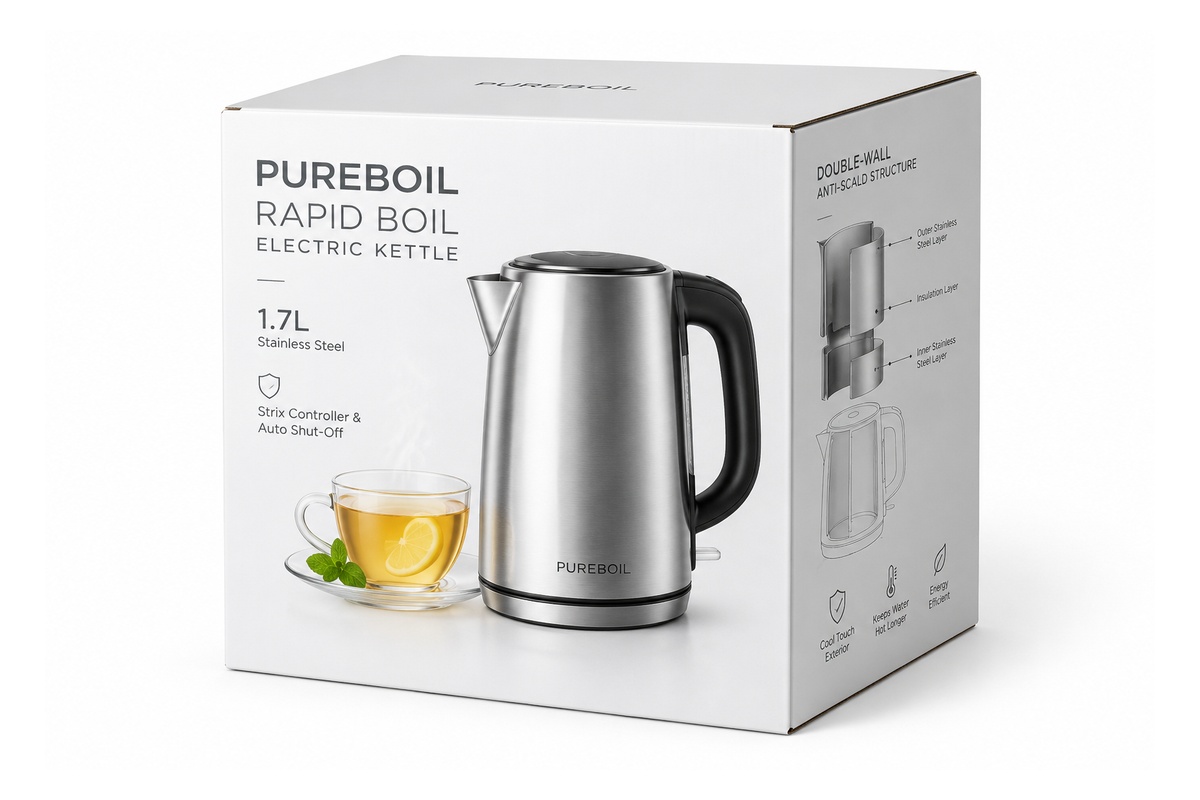
A clean-lined Scandinavian-style micro-corrugated box with separate power-base shelf for rapid-boil stainless steel electric kettles.
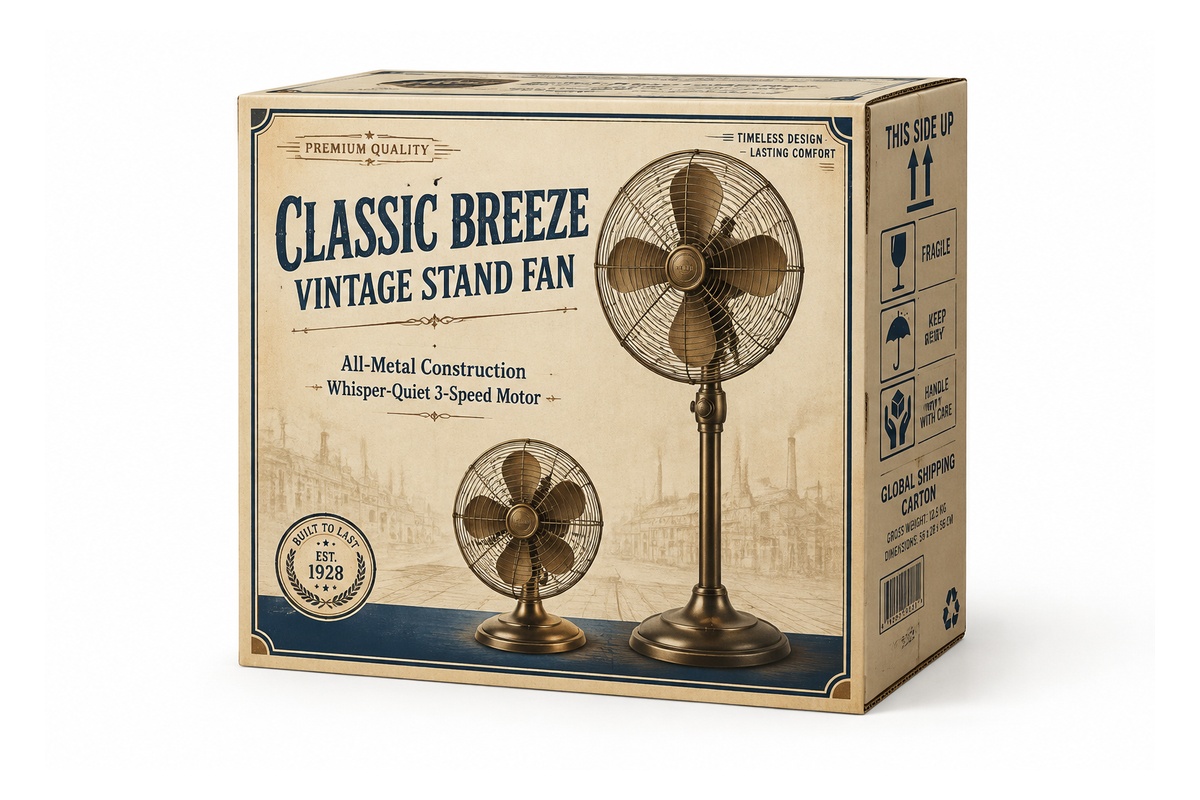
A heavy-duty litho-laminated corrugated master carton with reinforced edge guards and molded pulp pulp inserts for vintage oscillating fans.
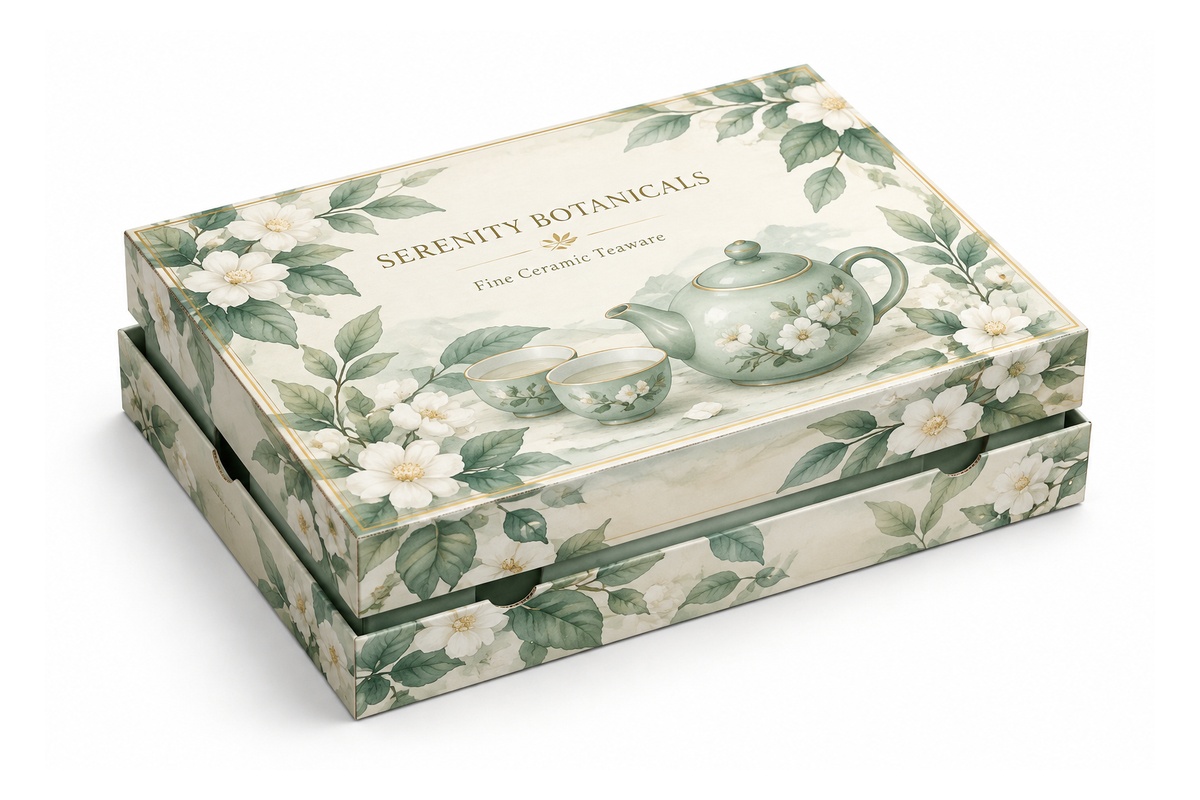
A refined E-flute micro-corrugated presentation box with a shallow lift-off lid and fitted interlocking partition grid.
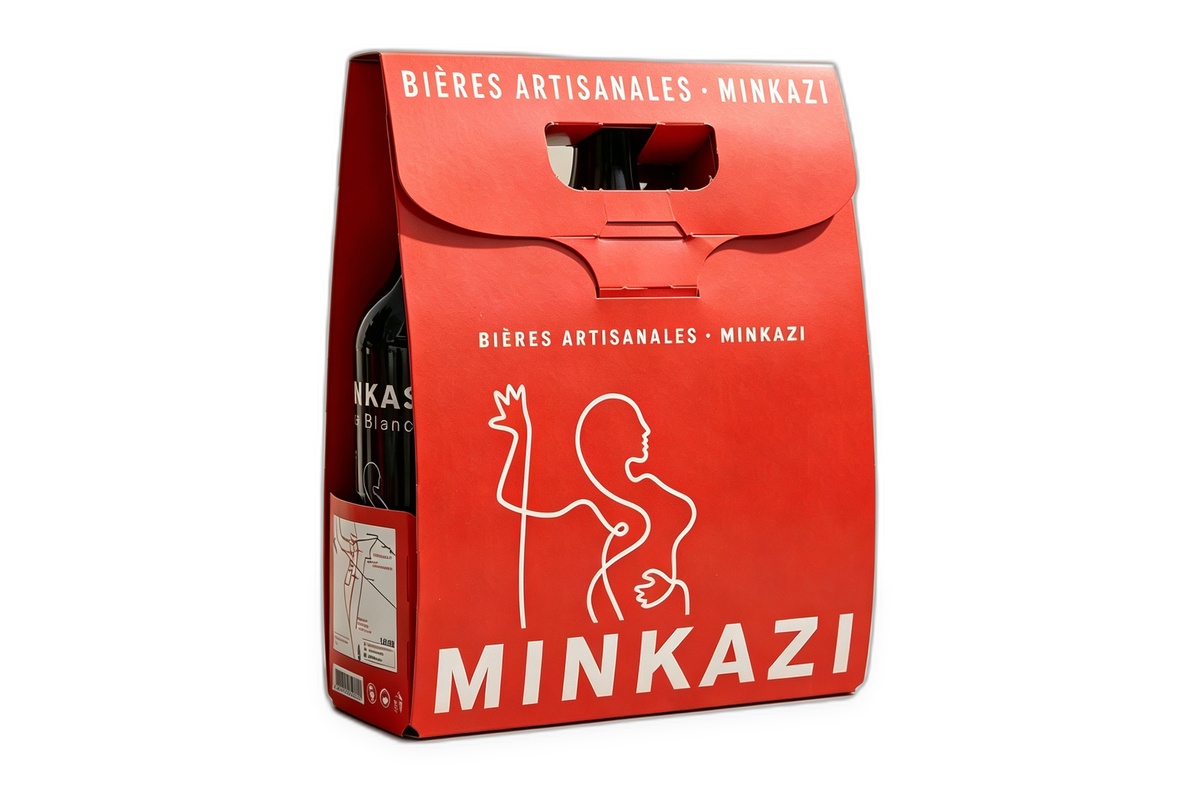
A vibrant scarlet red foldable bottle carrier tote featuring side-open bottle cradling, an integrated top handle, and minimalist line art illustration.
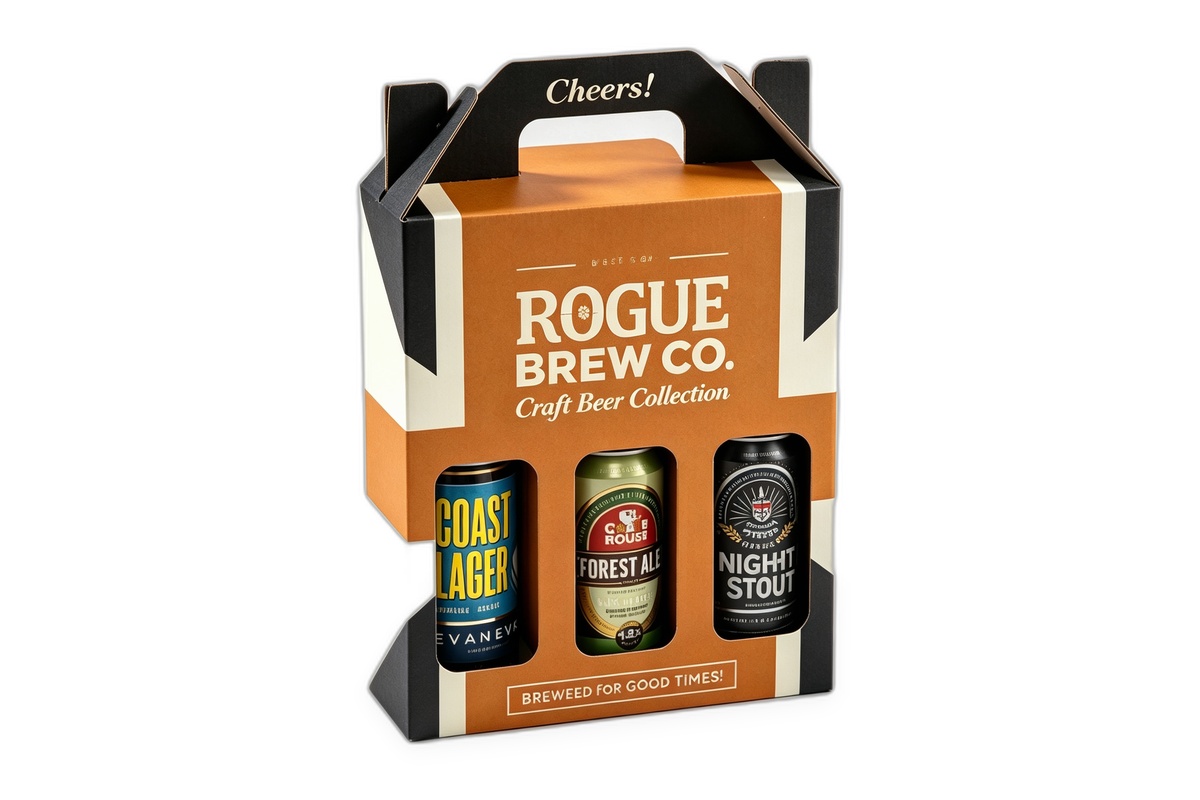
A vintage-inspired craft beer carrier box featuring a sturdy gable handle and three die-cut arched windows displaying individual can artwork.
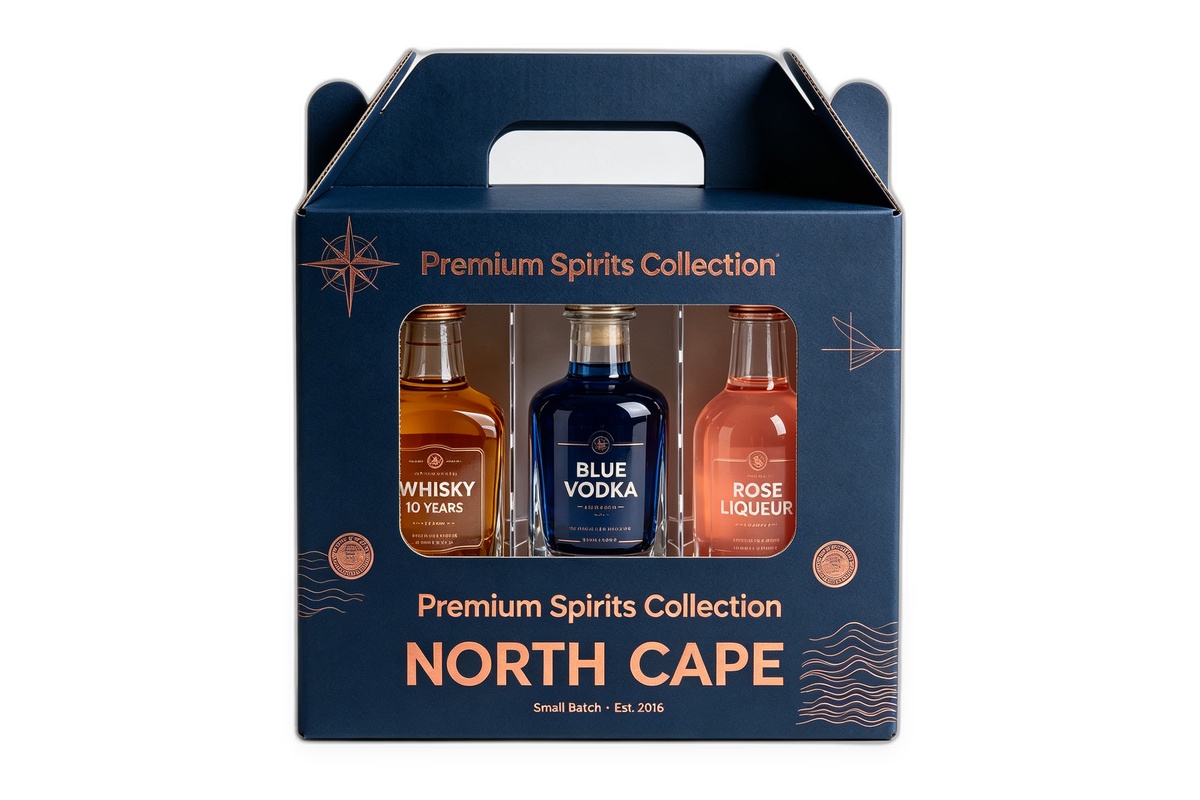
An opulent deep midnight blue spirits presentation box with rose-gold metallic hot-foil stamping, integrated carry handle, and a panoramic display window.
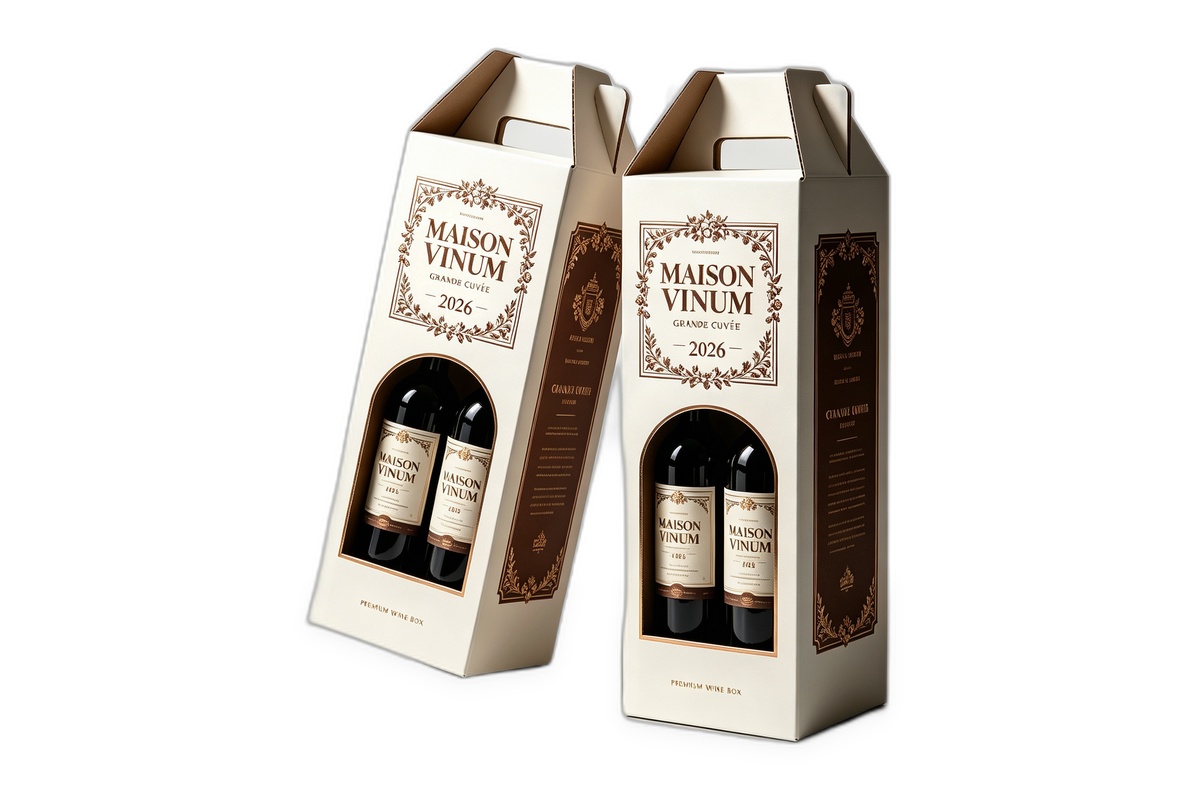
A stately ivory and sepia corrugated wine carrier featuring ornate chateau filigree printing, dual-bottle arched window, and integrated carry handle.
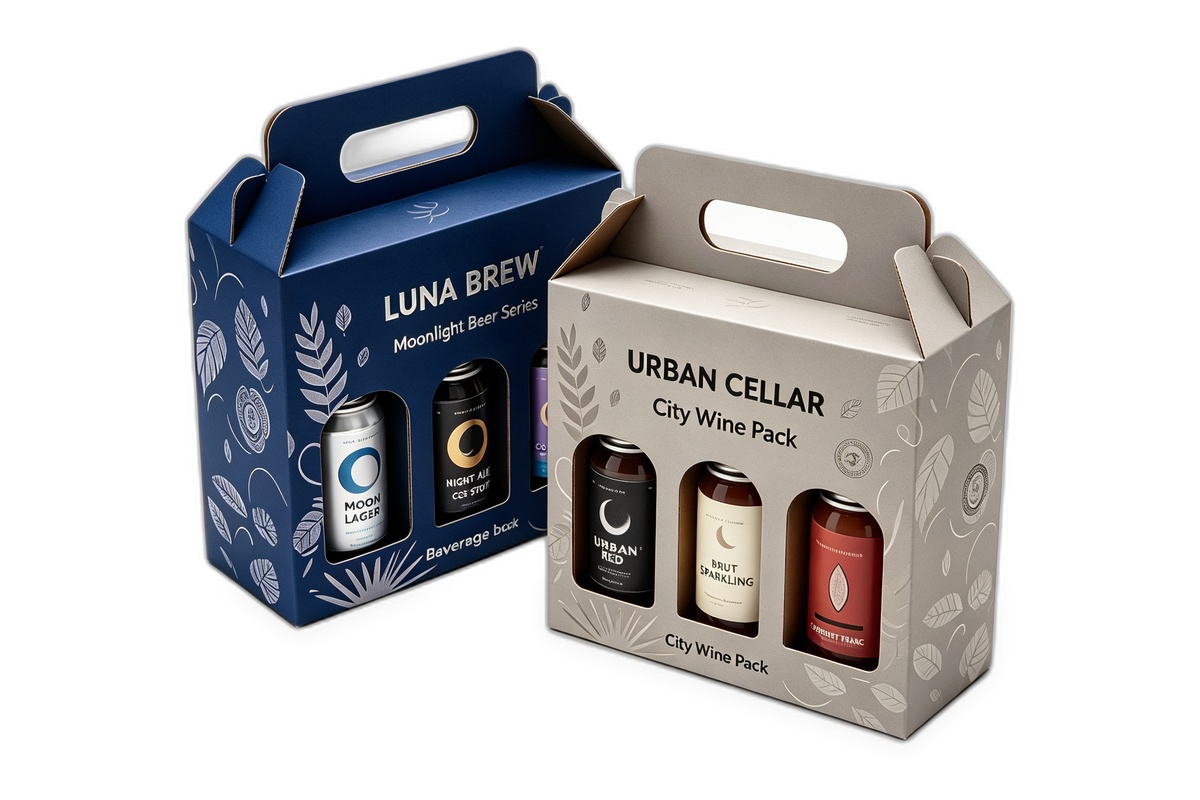
A contemporary neutral-toned canned wine and cider carrier box featuring modern botanical leaf patterns, triple display apertures, and a comfortable handle.
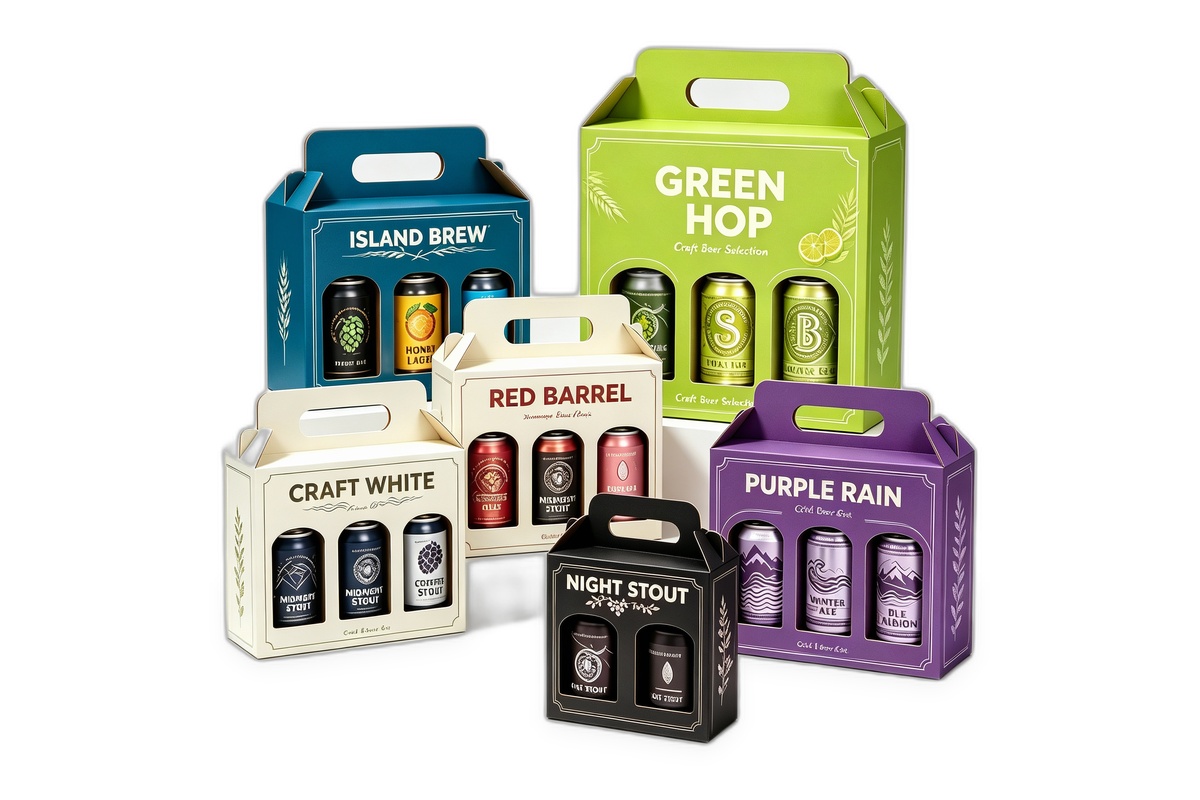
A comprehensive multi-format collection of vibrantly colored corrugated carrier boxes available in 2-pack, 3-pack, and tall-can configurations.
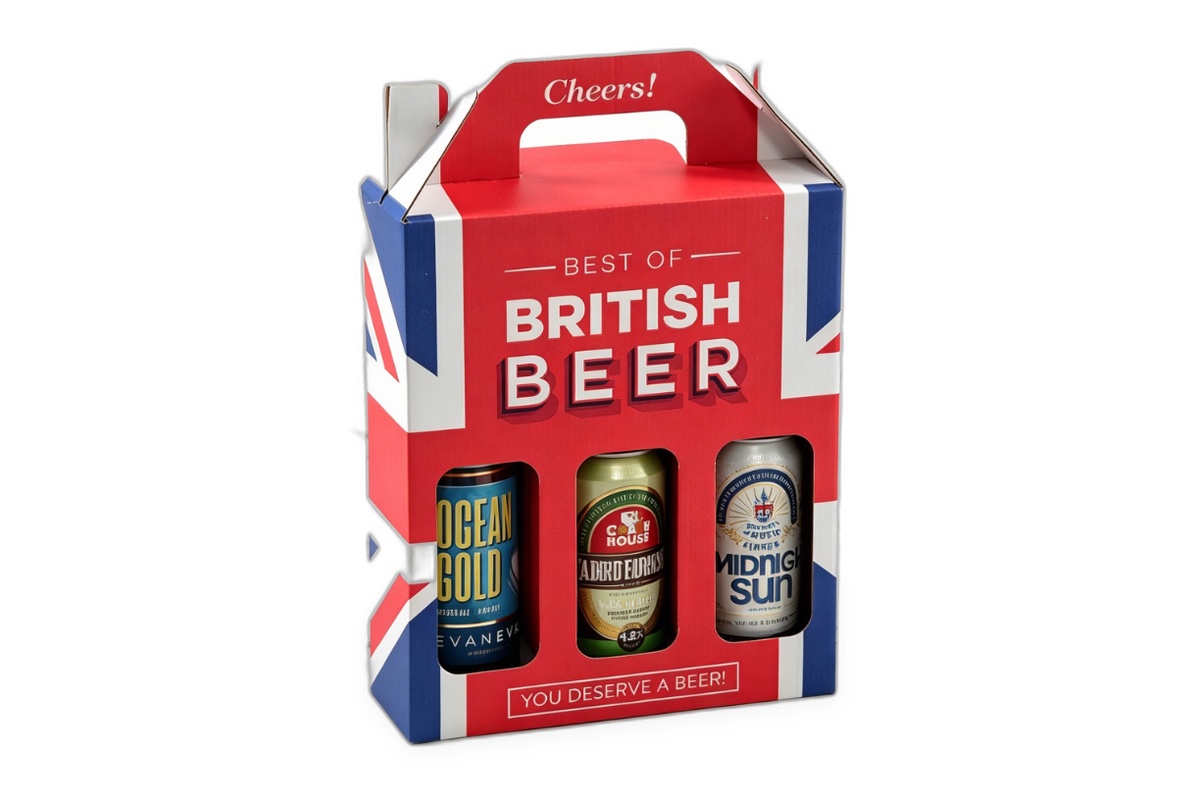
A bold patriotic Union Jack themed 3-can beer carrier featuring triple display windows, top gable carry handle, and high-impact red, white, and blue graphics.

A rugged B-flute two-piece corrugated bottle pack with side finger grips and internal 4-bottle glass dividers.
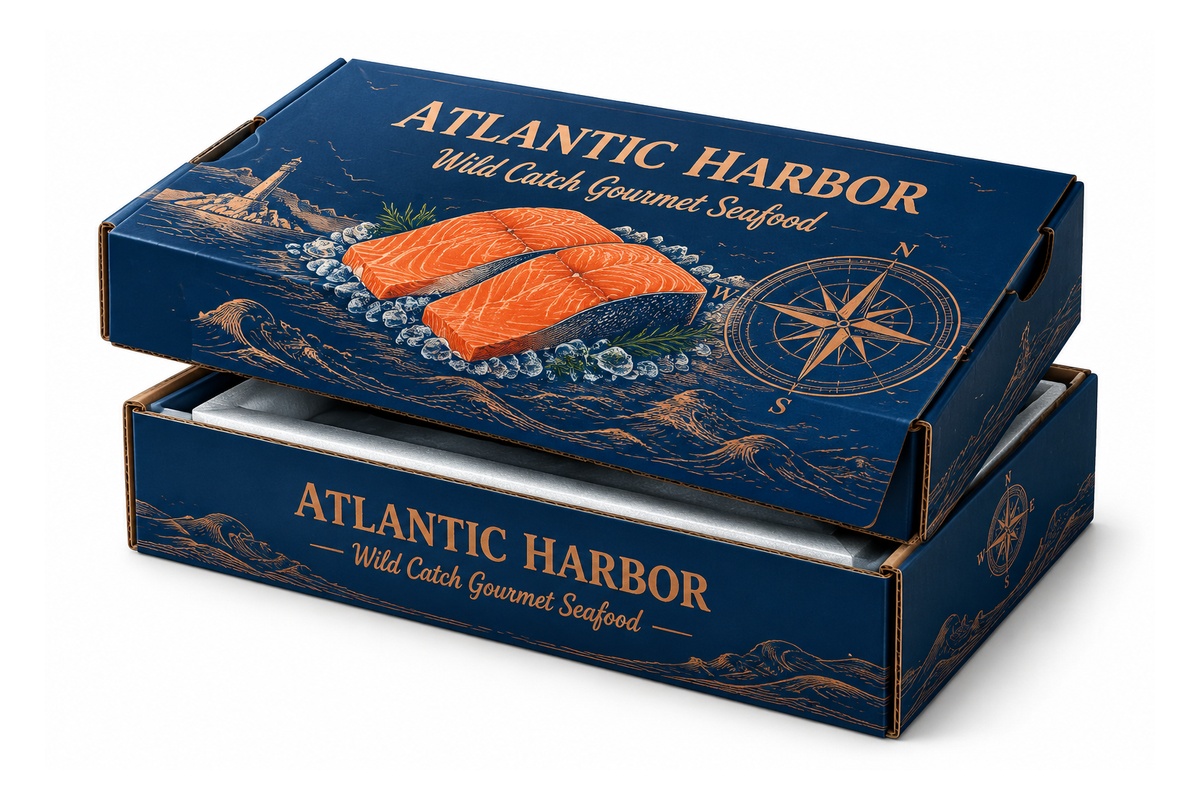
A moisture-resistant B-flute telescopic box with thermal liner clearance engineered for cold-chain seafood parcels.
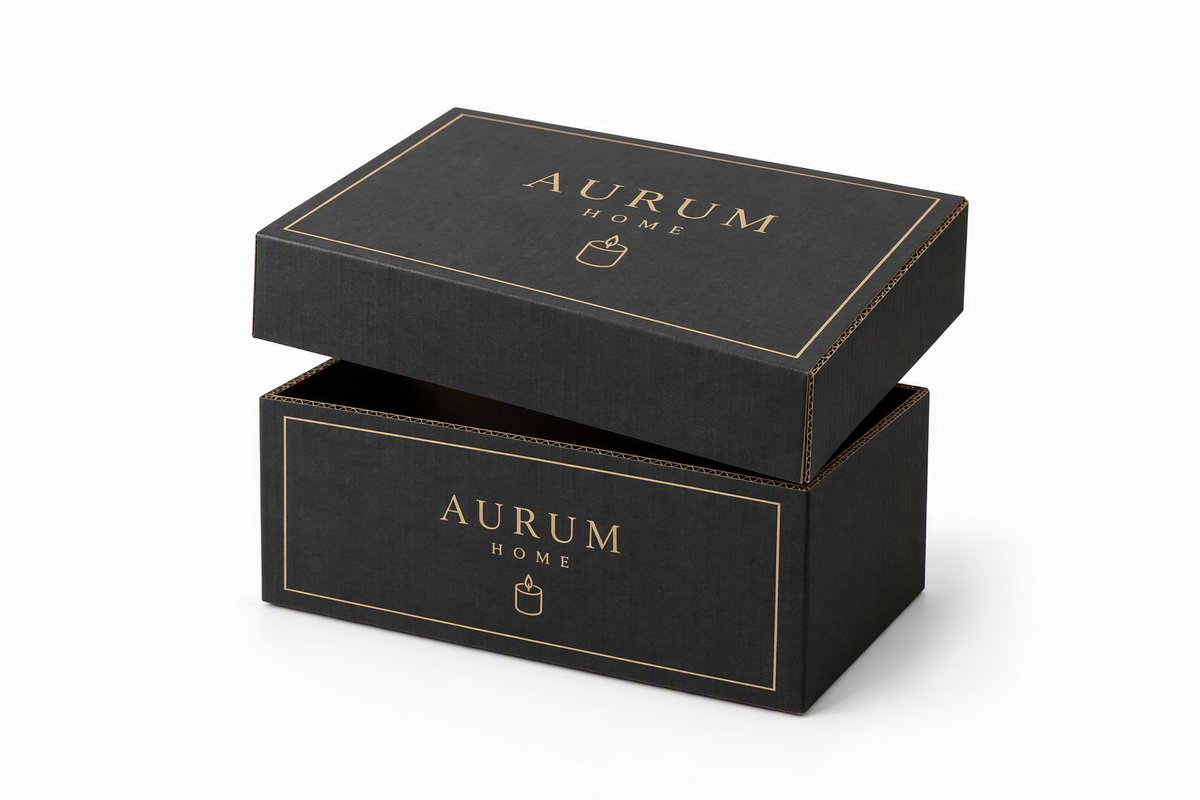
A two-piece corrugated presentation box with a separate lid and fitted insert option.
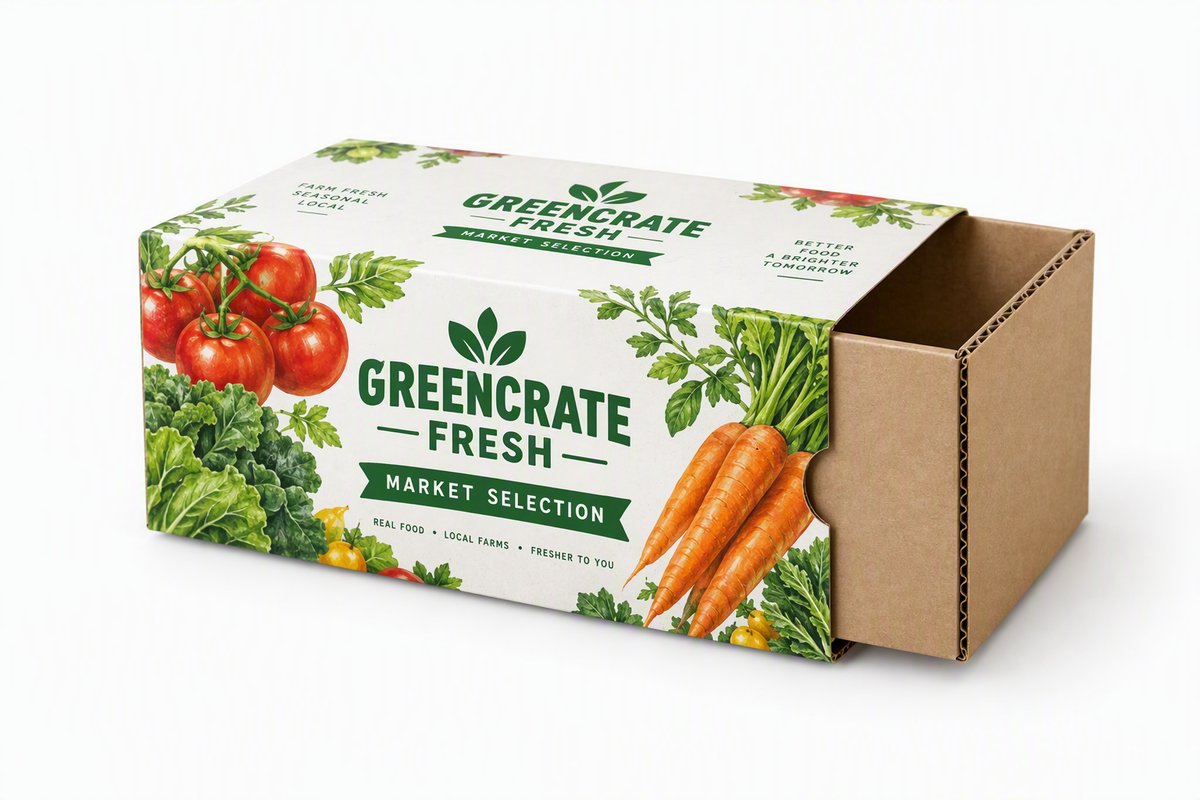
A sliding corrugated tray and printed sleeve with a paperboard insert option.

A printed corrugated bottle carrier with an integrated handle and configurable partitions.
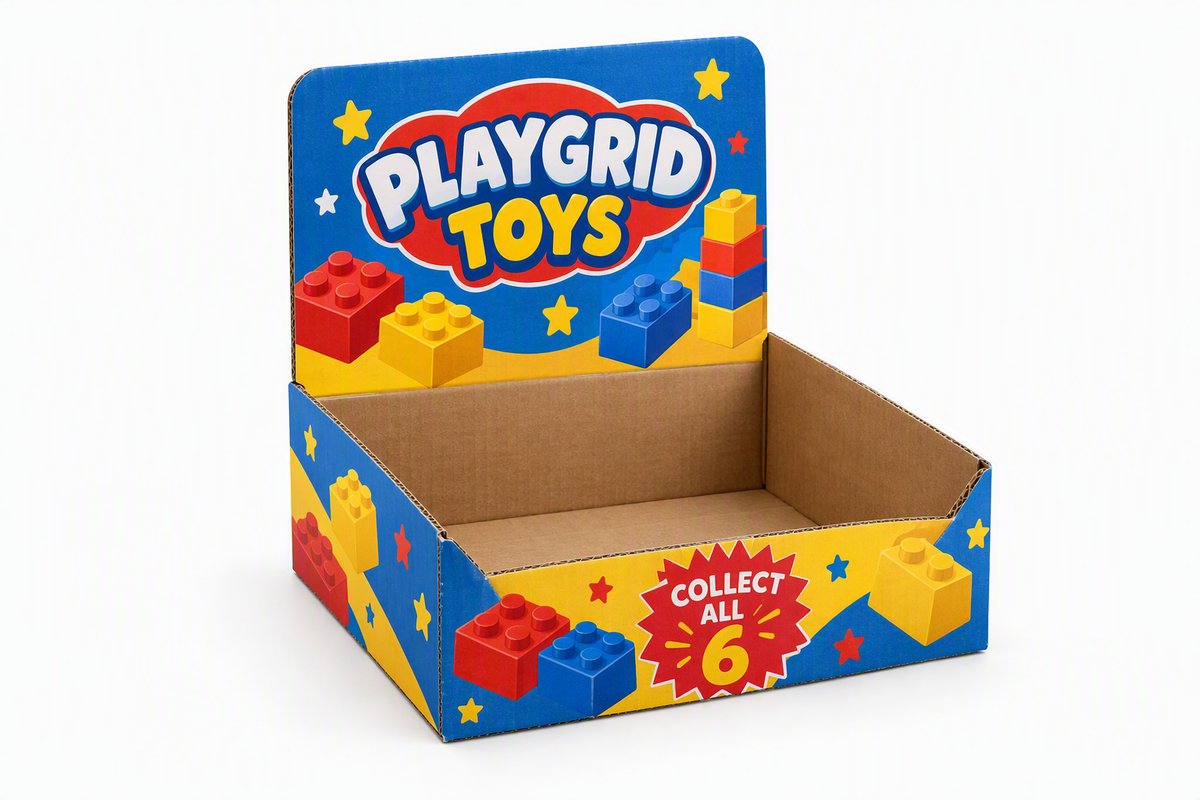
A corrugated countertop retail display box with integrated header billboard and tiered presentation tray.
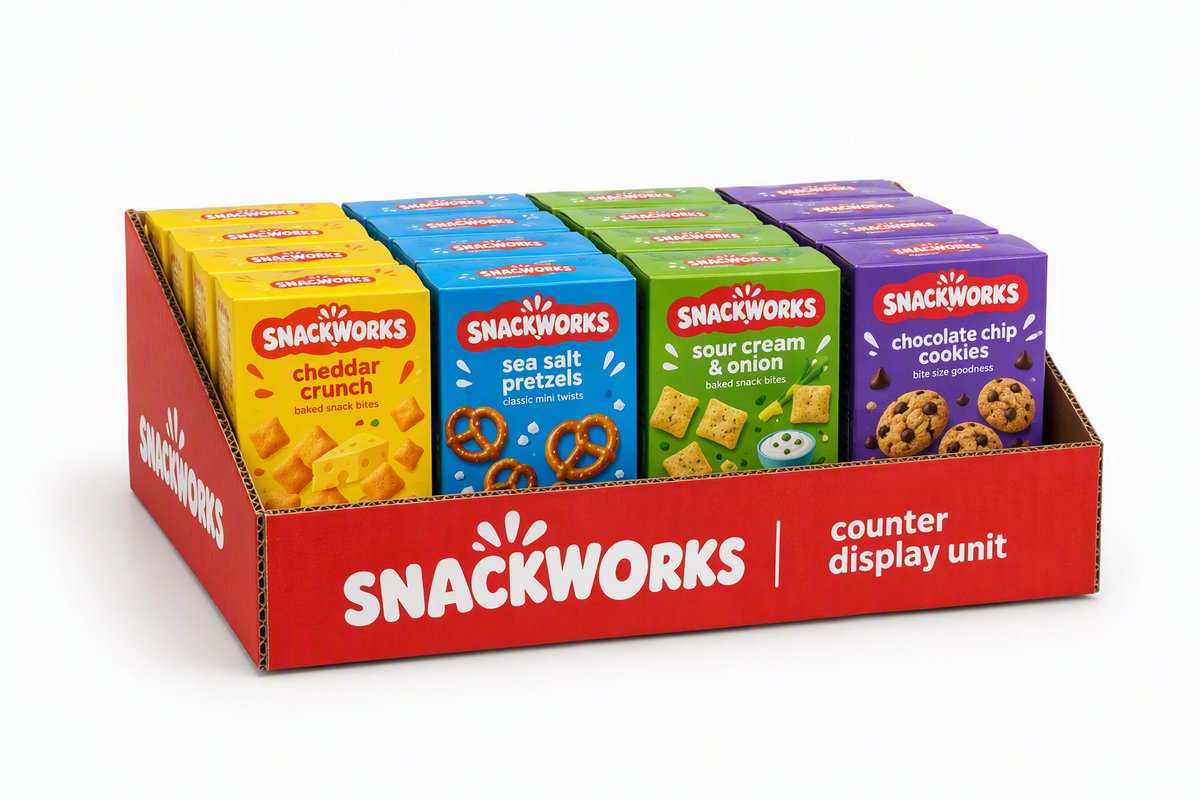
A corrugated tray with tear-open elements for presenting grouped products on shelf.
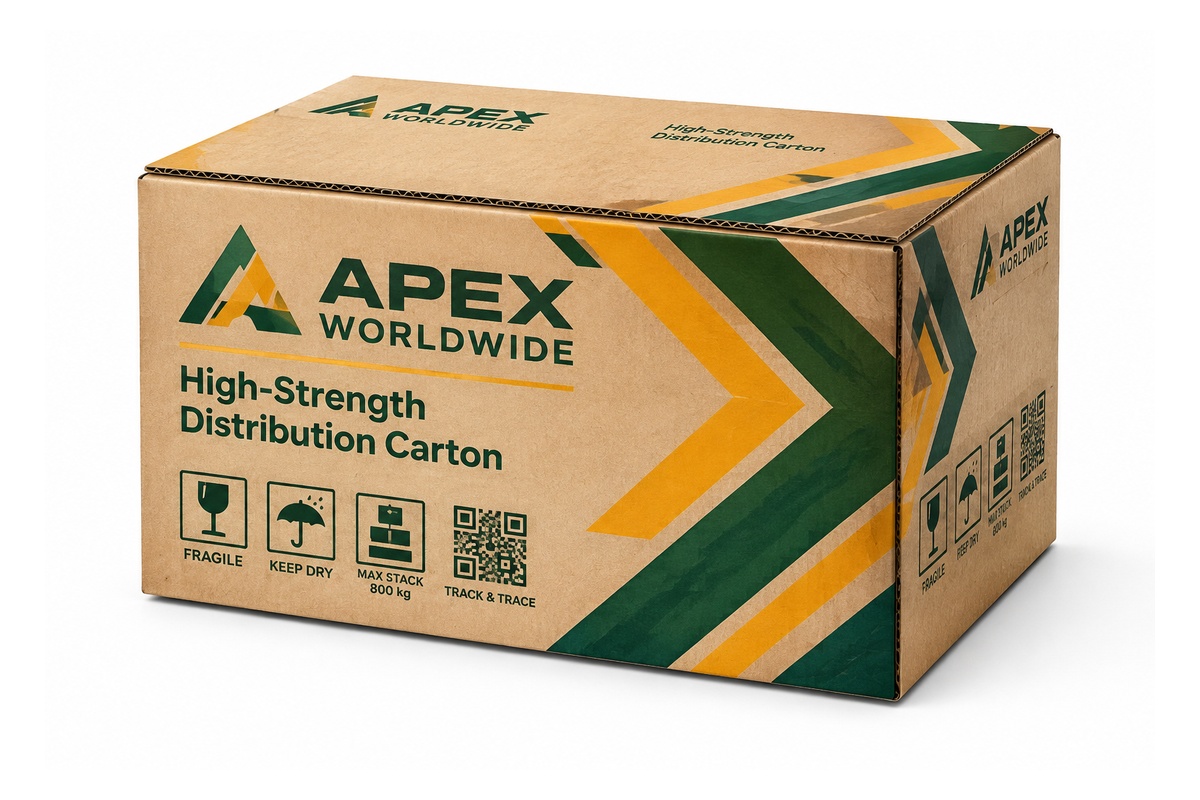
A made-to-order corrugated shipping carton with configurable flute and exterior print.
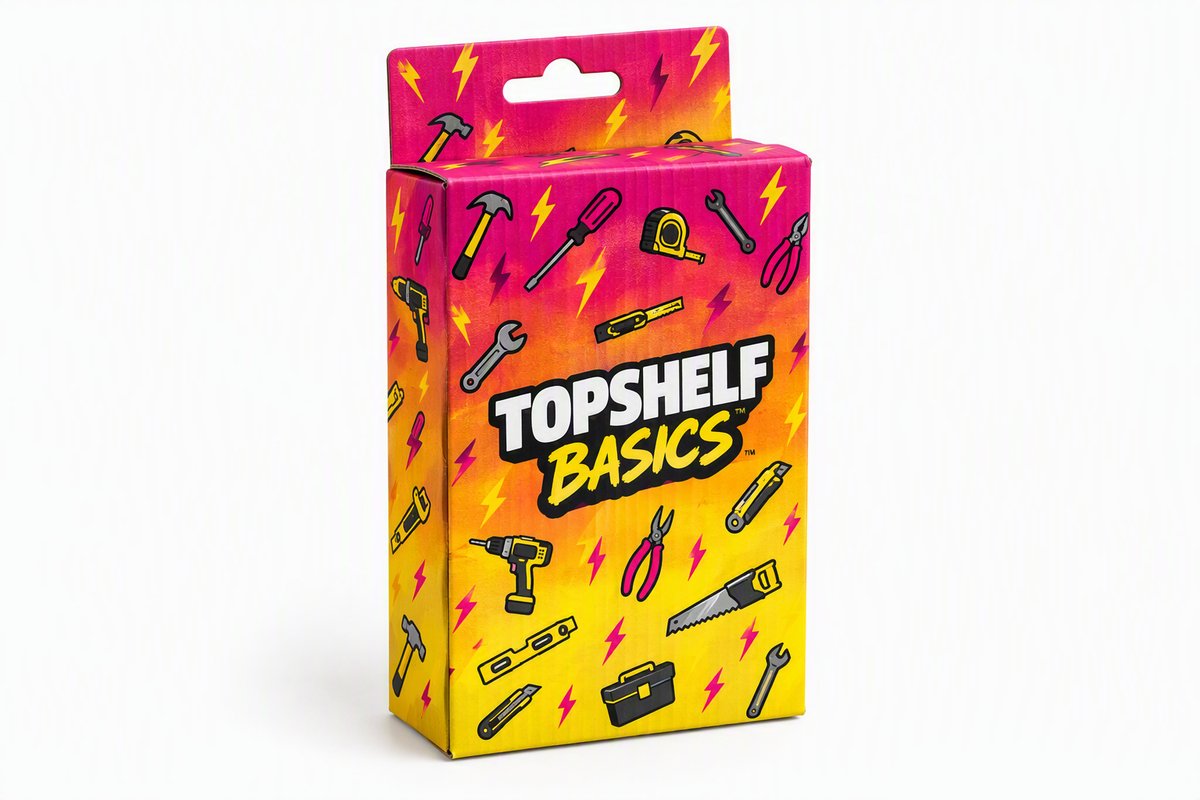
A retail box with a built-in hang-tab panel and reinforced euro-slot for peg displays.
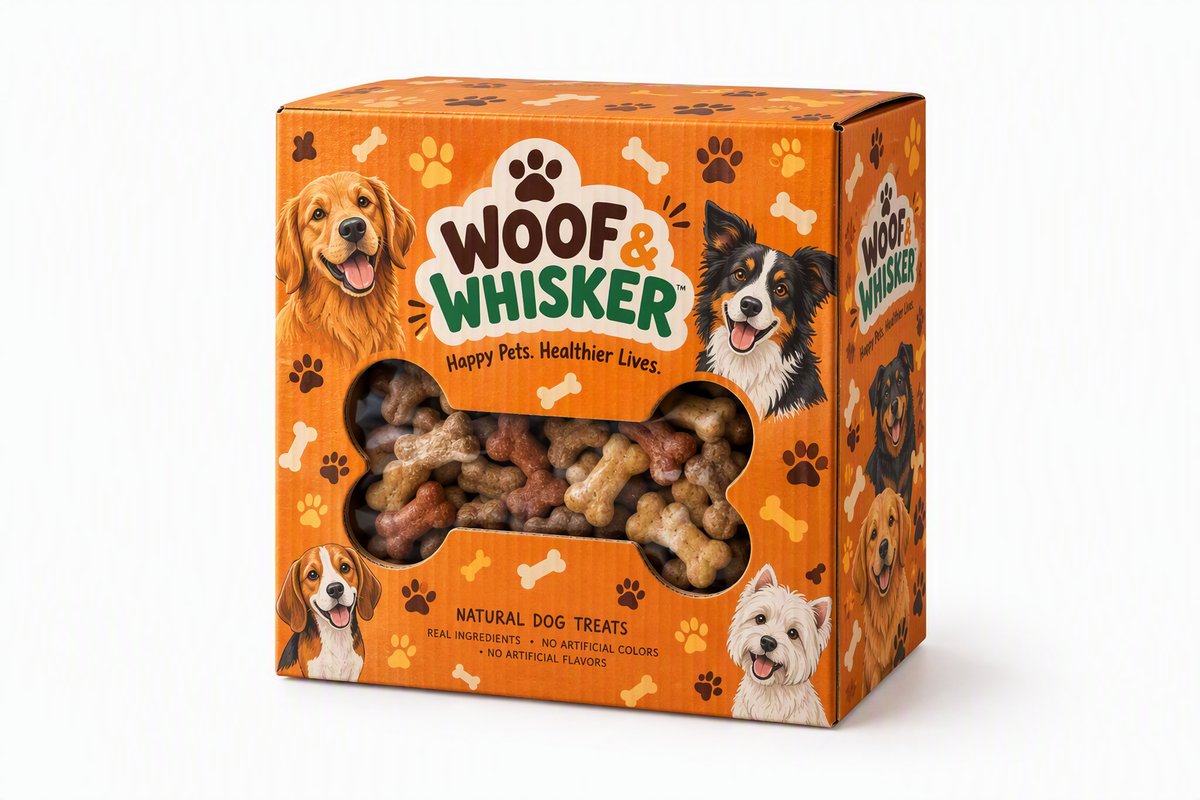
A playful corrugated treat box with a shaped window that shows the product on the shelf.
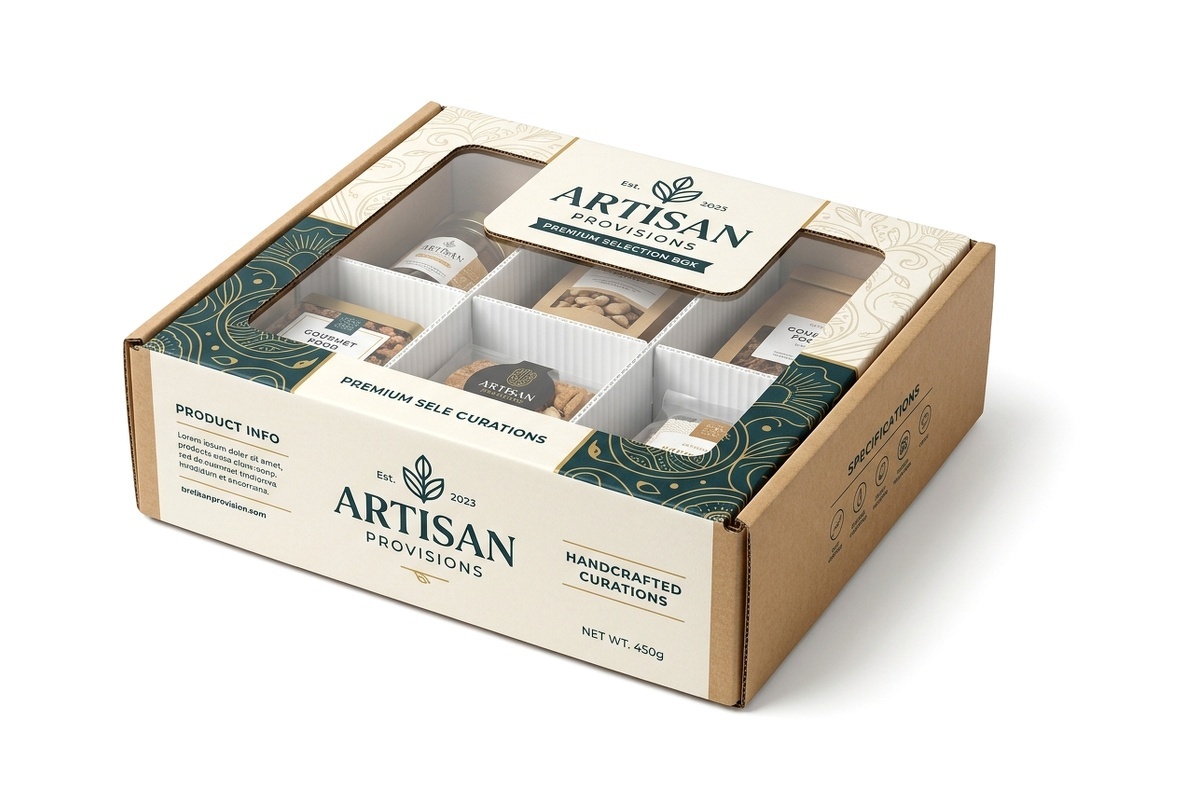
A hinged white corrugated presentation box featuring a crystal-clear PET window on the lid and custom paperboard cradle.
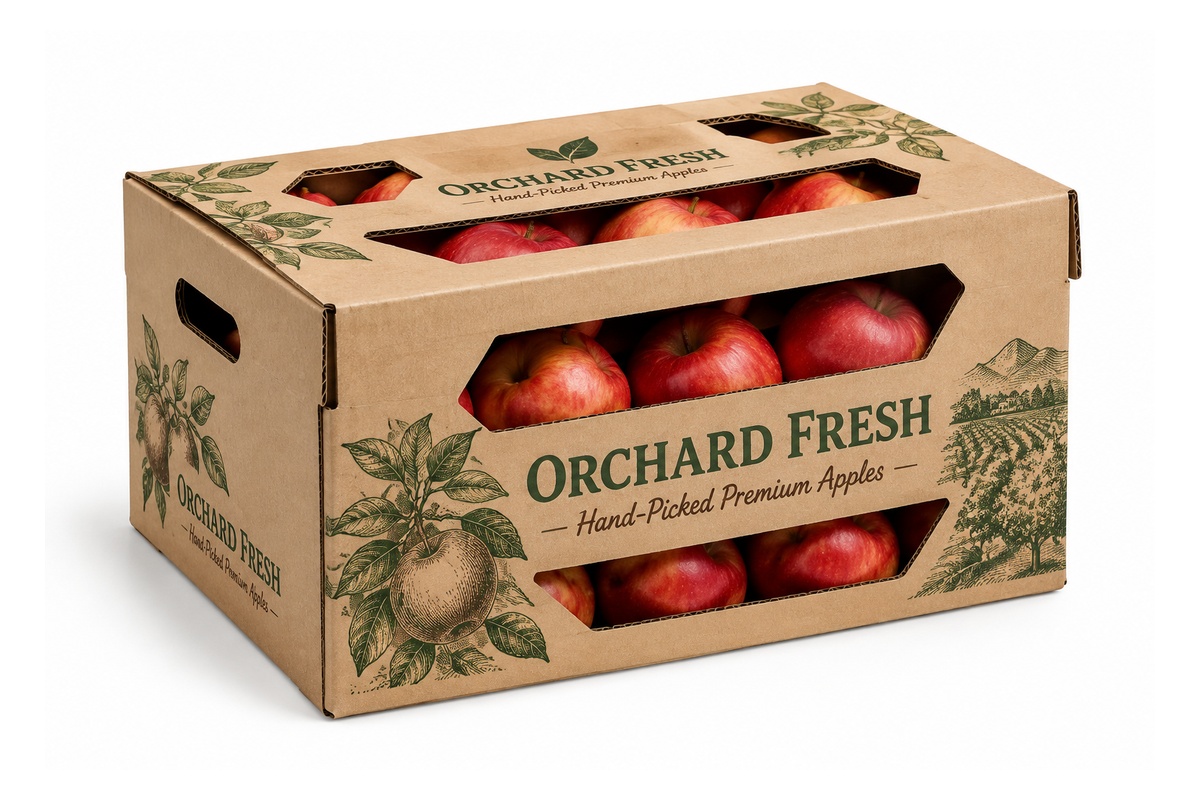
A durable raw kraft corrugated box engineered with geometric die-cut cutout windows for ventilation and product viewing.
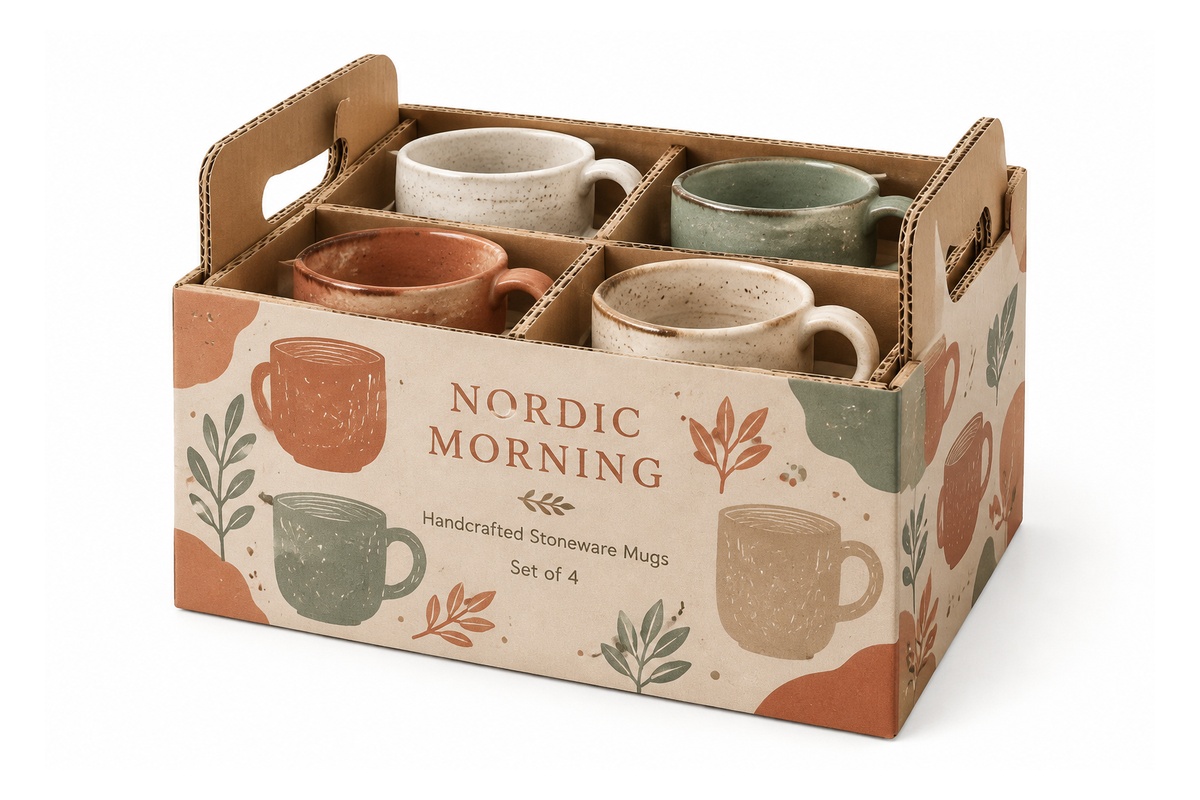
A premium full-coverage printed corrugated carrier basket featuring die-cut carry handles and 4-cup protective partitions for ceramic mugs.
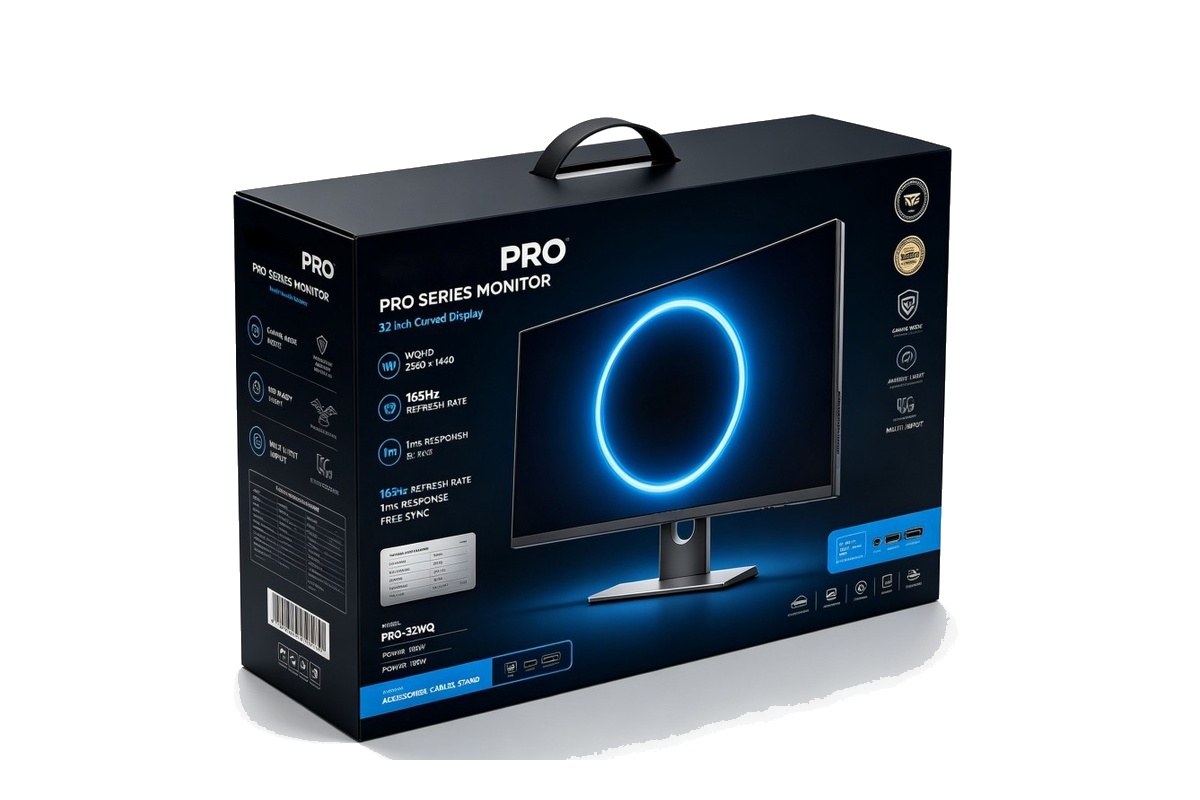
A reinforced full-coverage printed corrugated carton with carrying handle for consumer small appliances.
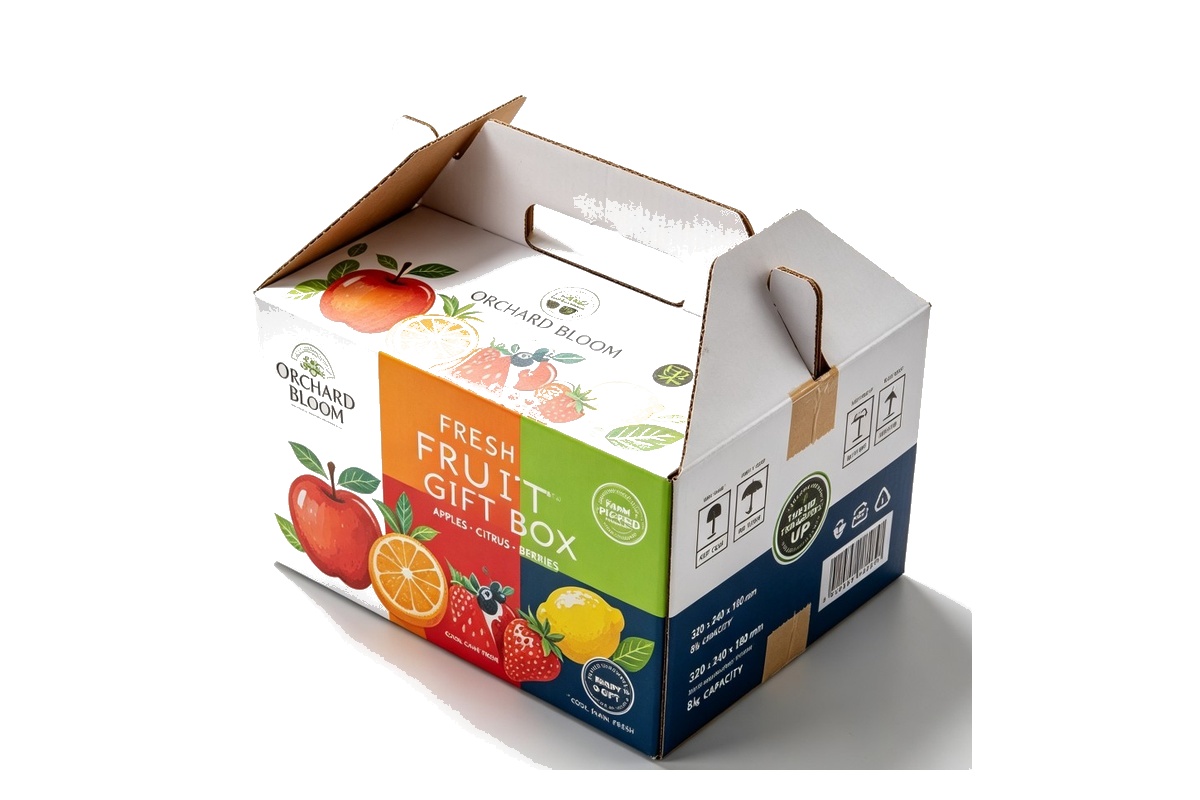
A vibrant full-color printed corrugated fruit gift box with integrated carry handle and airflow ventilation.
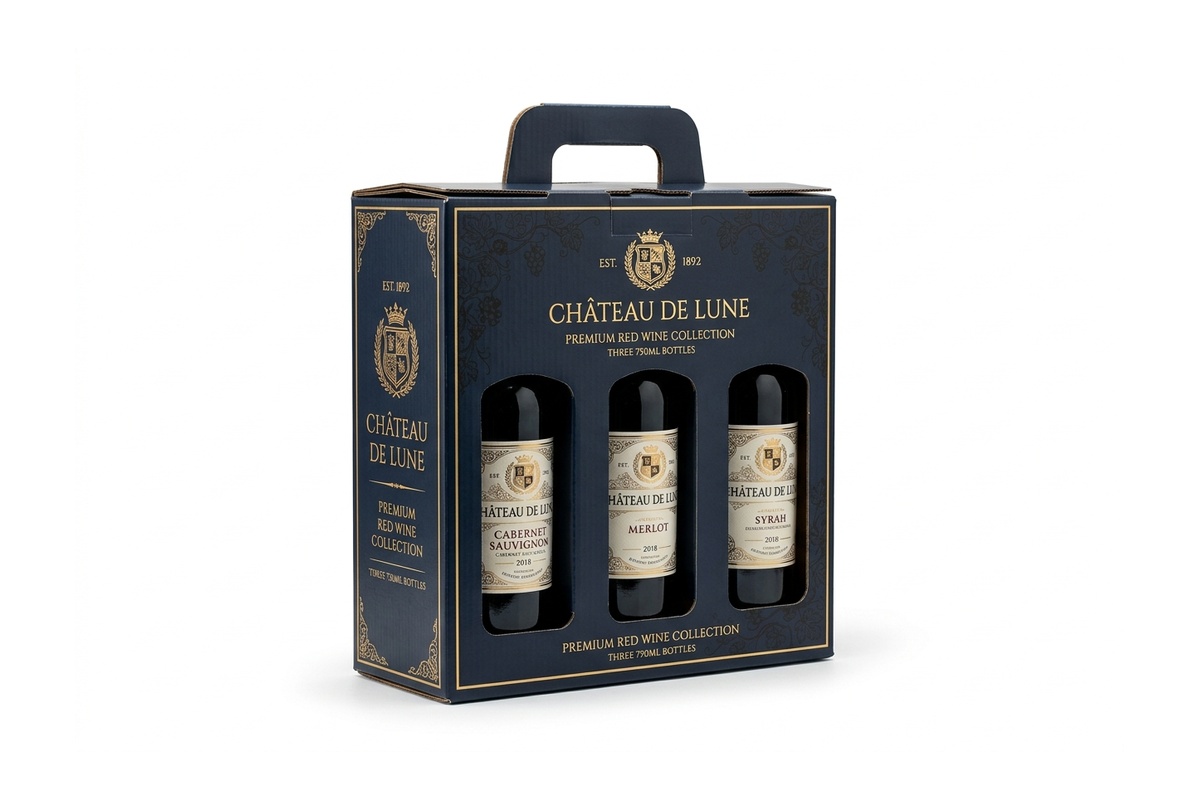
A luxury full-printed corrugated bottle carrier with integrated handle and shock-absorbing dividers.
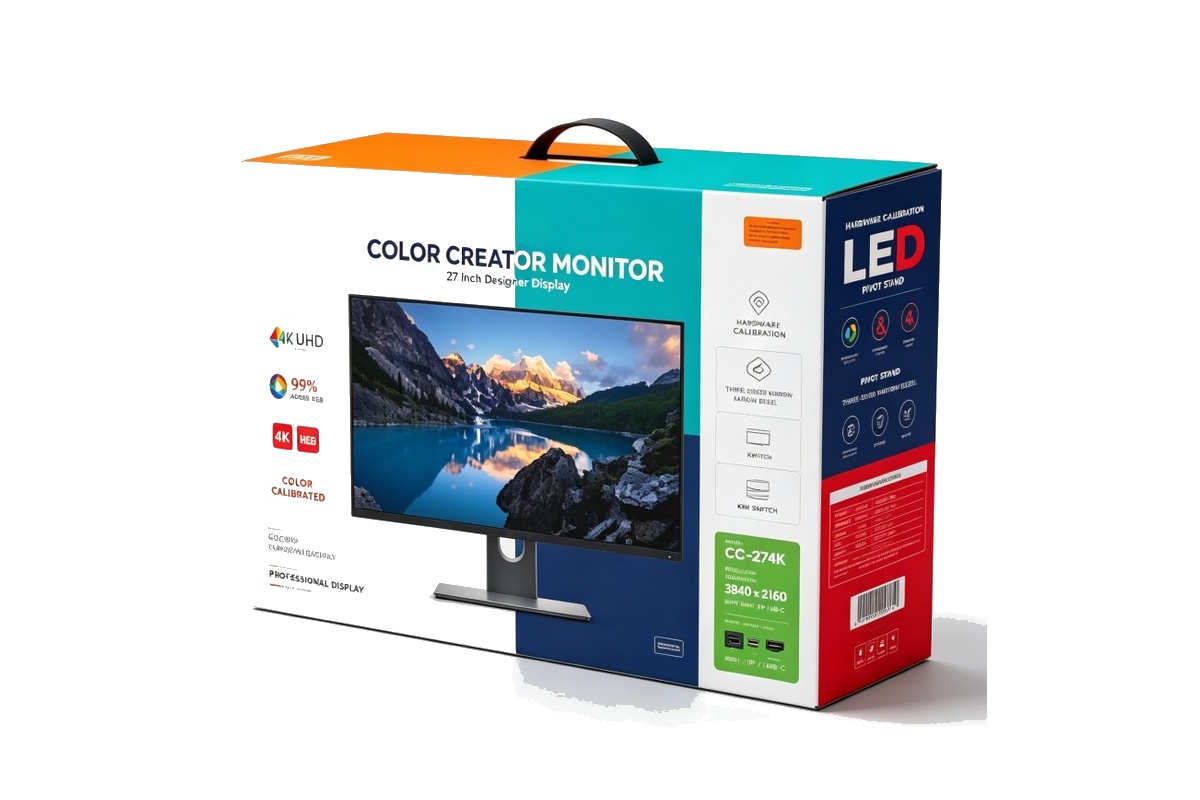
A rectangular corrugated box with a flush fold-down carry handle, engineered for stacking stability and effortless retail transport.
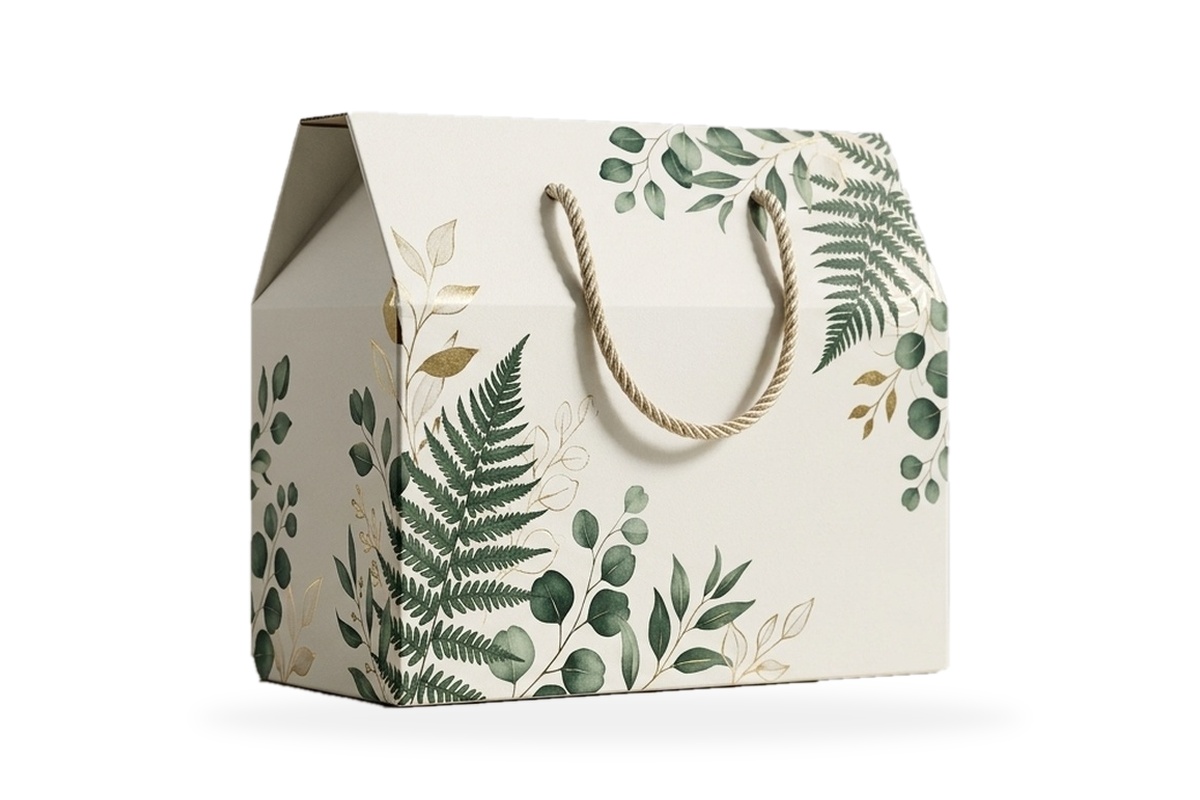
A distinctive gable roof presentation box featuring a pitched ridge profile and soft-braided rope handles for upscale gift packaging.
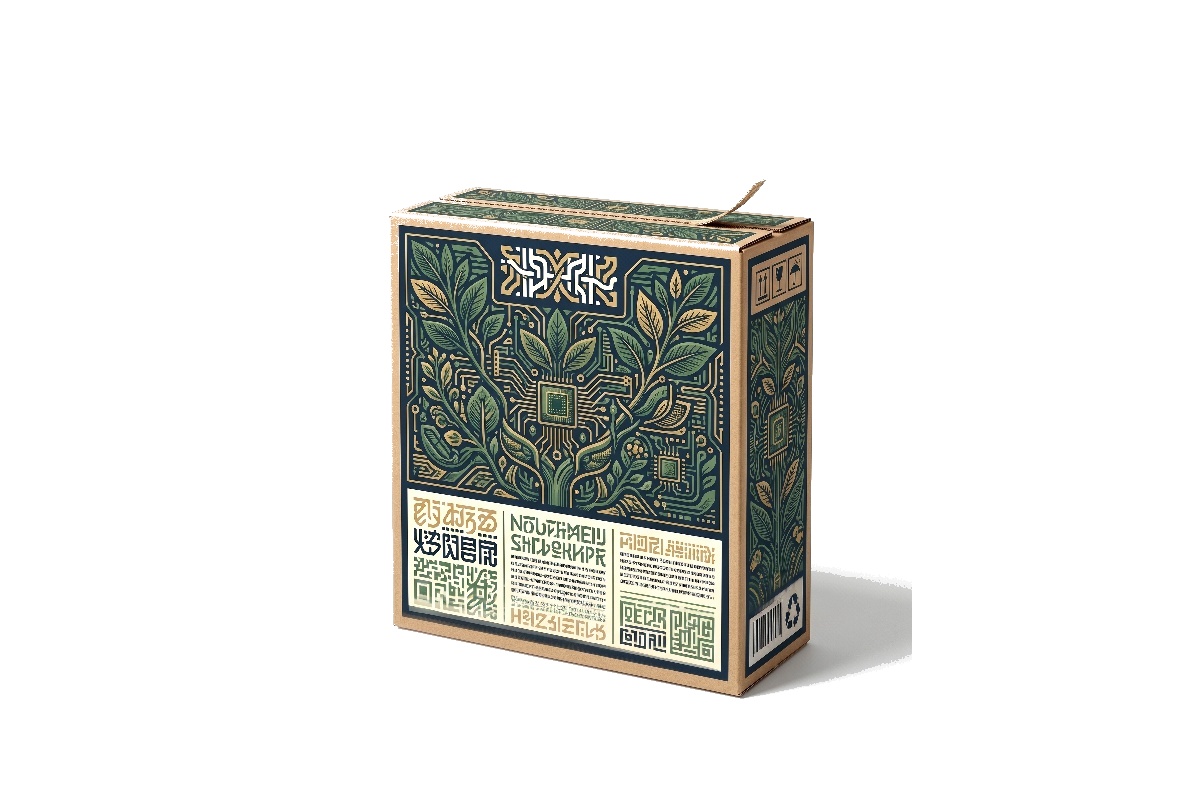
A heavy-duty corrugated shipping box engineered with an integrated tear-strip zipper for quick, tool-free opening.
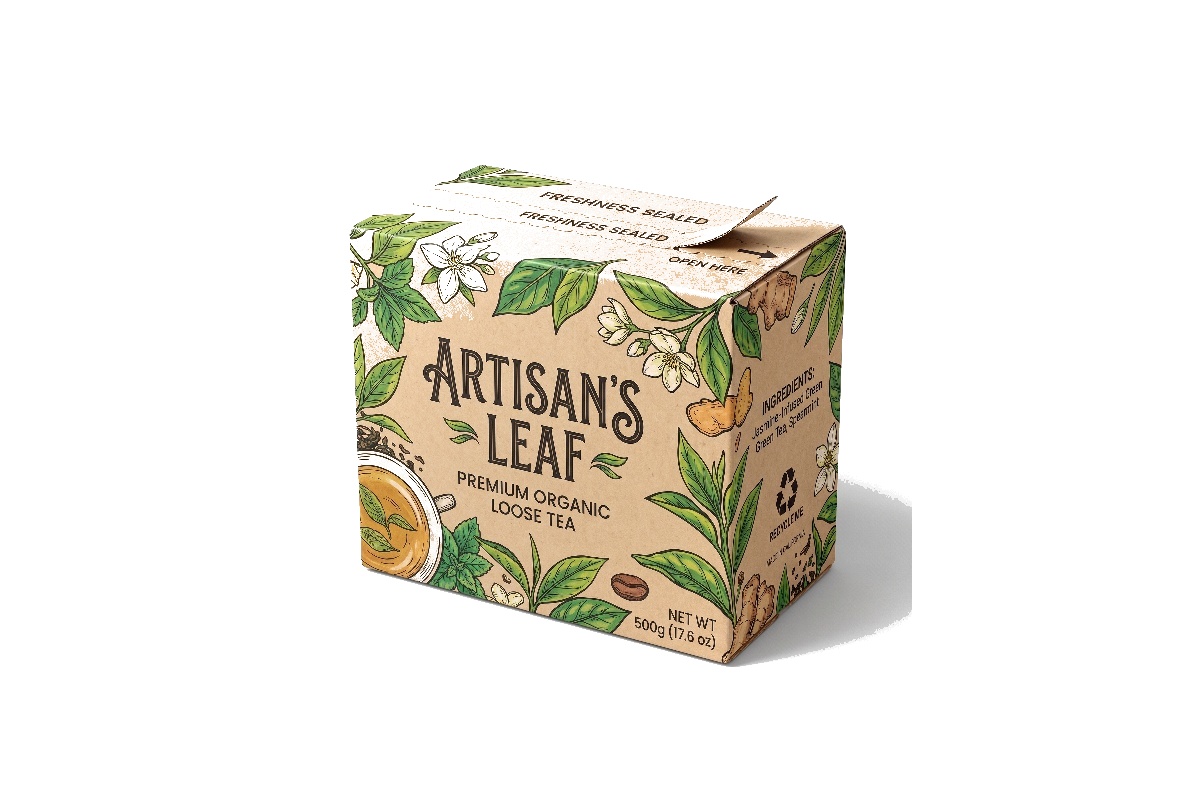
An artisan food and tea packaging box featuring a freshness-sealed tear zipper strip that converts into a convenient countertop dispenser.
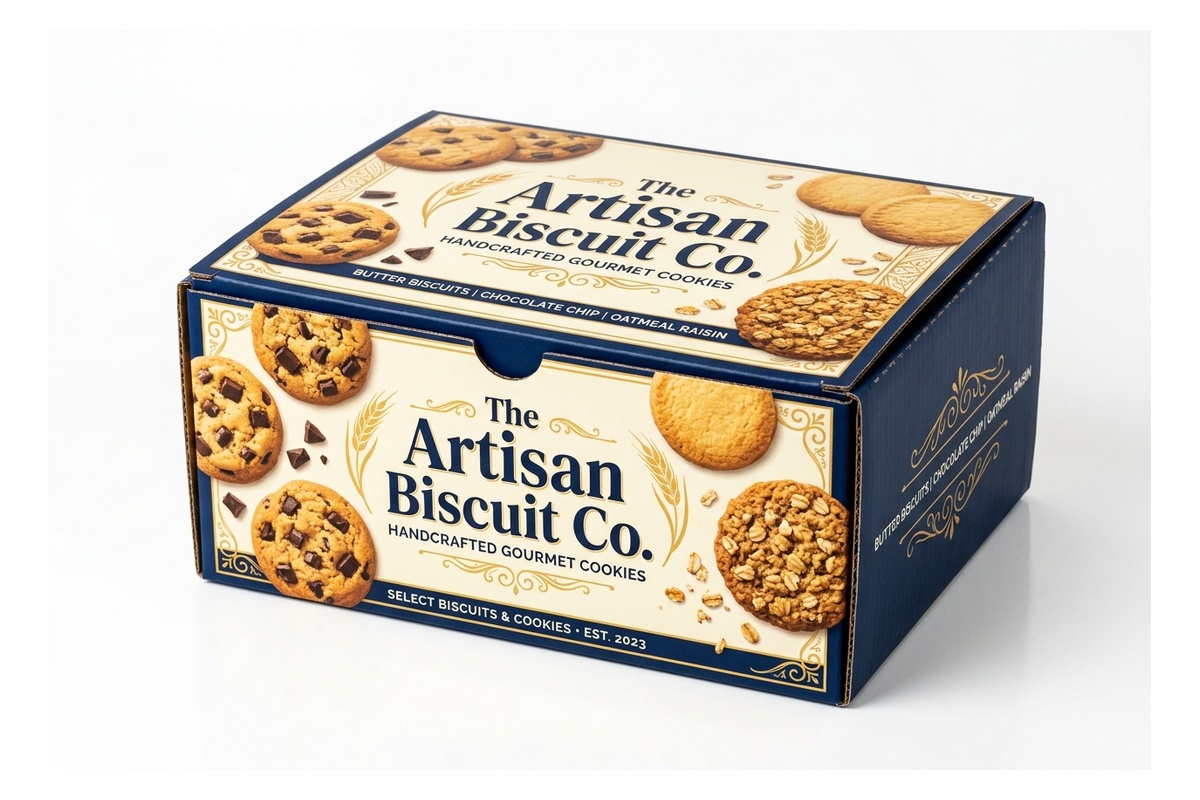
An artisan micro-flute tuck-end folding carton designed for gourmet biscuits and cookies with vibrant litho print.
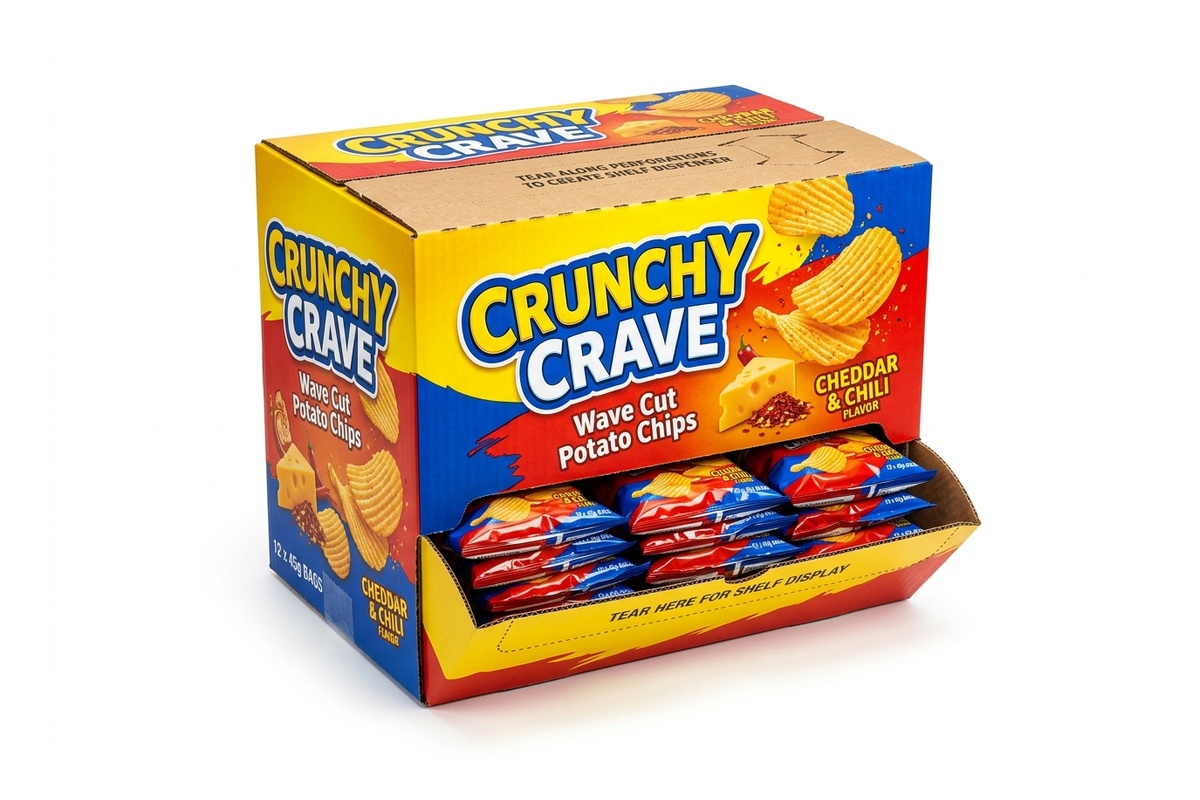
A shelf-ready corrugated dispenser box engineered with an easy-tear front aperture for rapid retail shelf stocking.

A vibrant printed corrugated display box with a panoramic clear PET window for toy cars and plush figures.
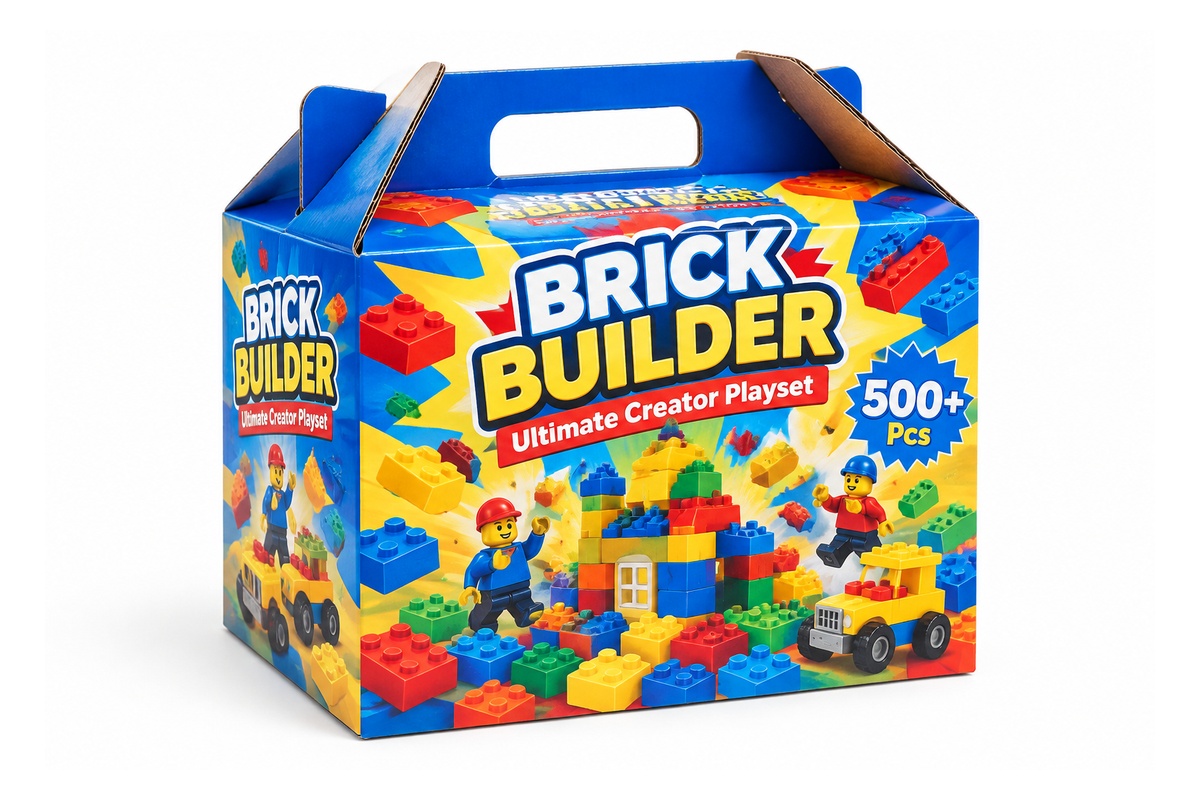
A heavy-duty corrugated toy carrying box with fold-down handle engineered for construction bricks and toy sets.
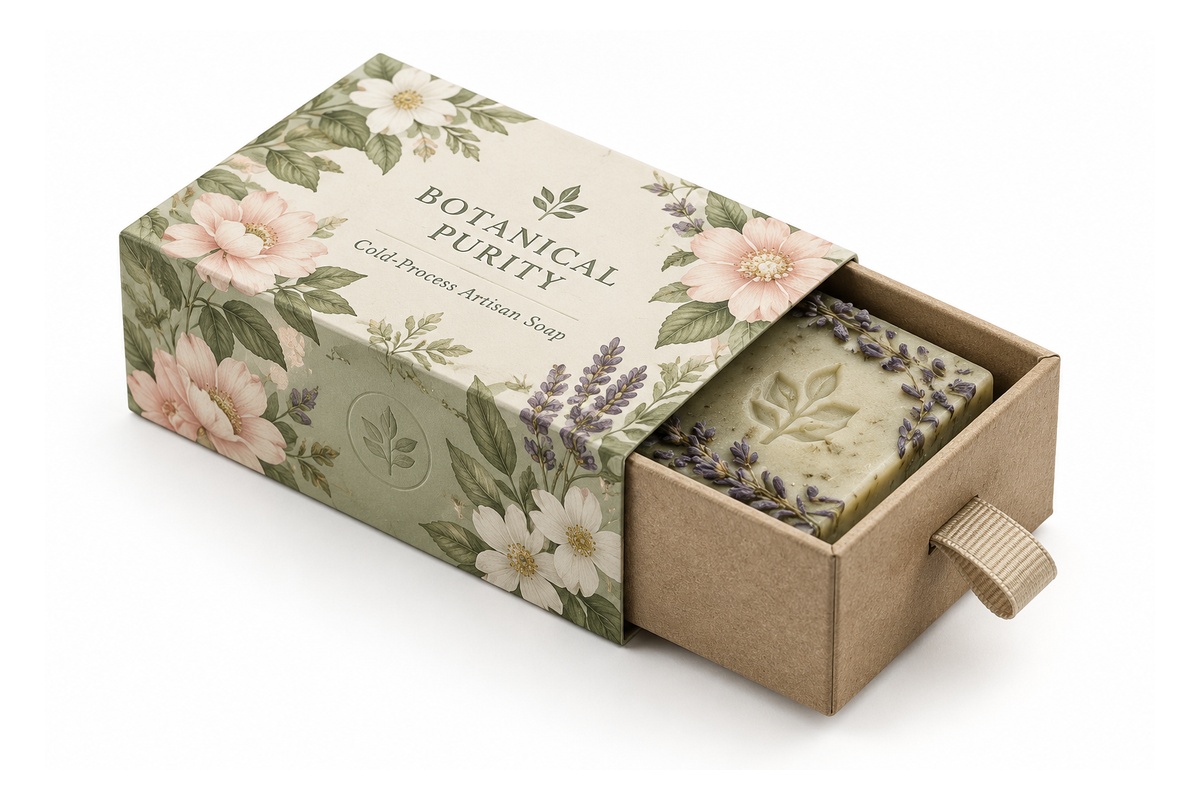
An elegant sliding drawer box paired with a branded decorative sleeve band for artisan soaps and body bars.
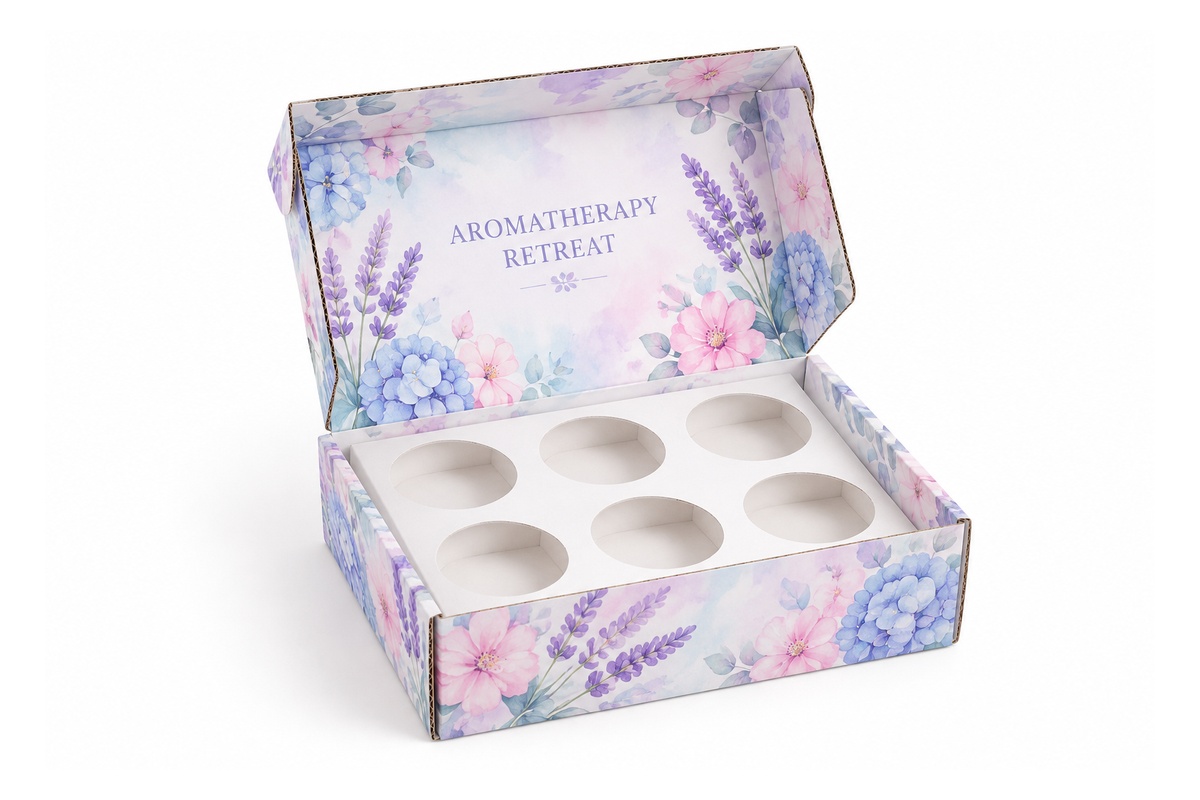
A luxury presentation box with precision die-cut partitions tailored for bath bombs and haircare product collections.
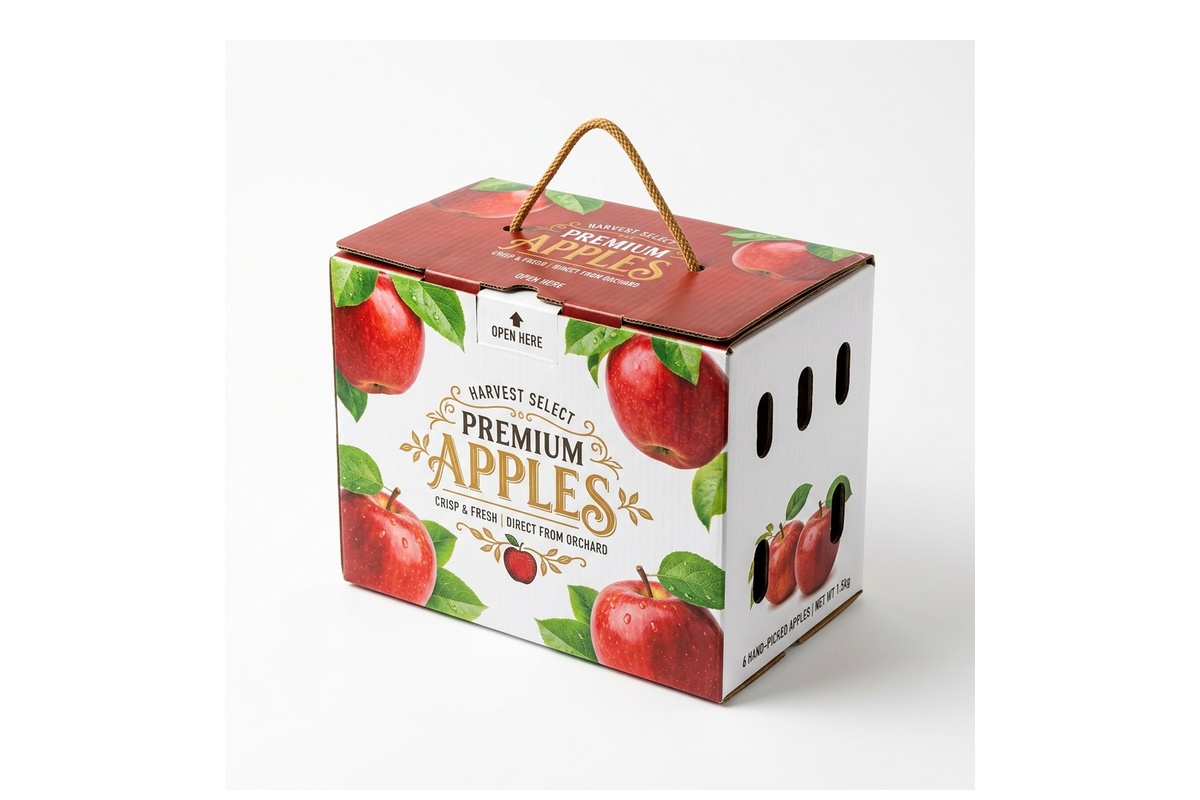
A high-definition litho-printed corrugated gift box with precision ventilation cutouts and braided rope handles for premium apples.
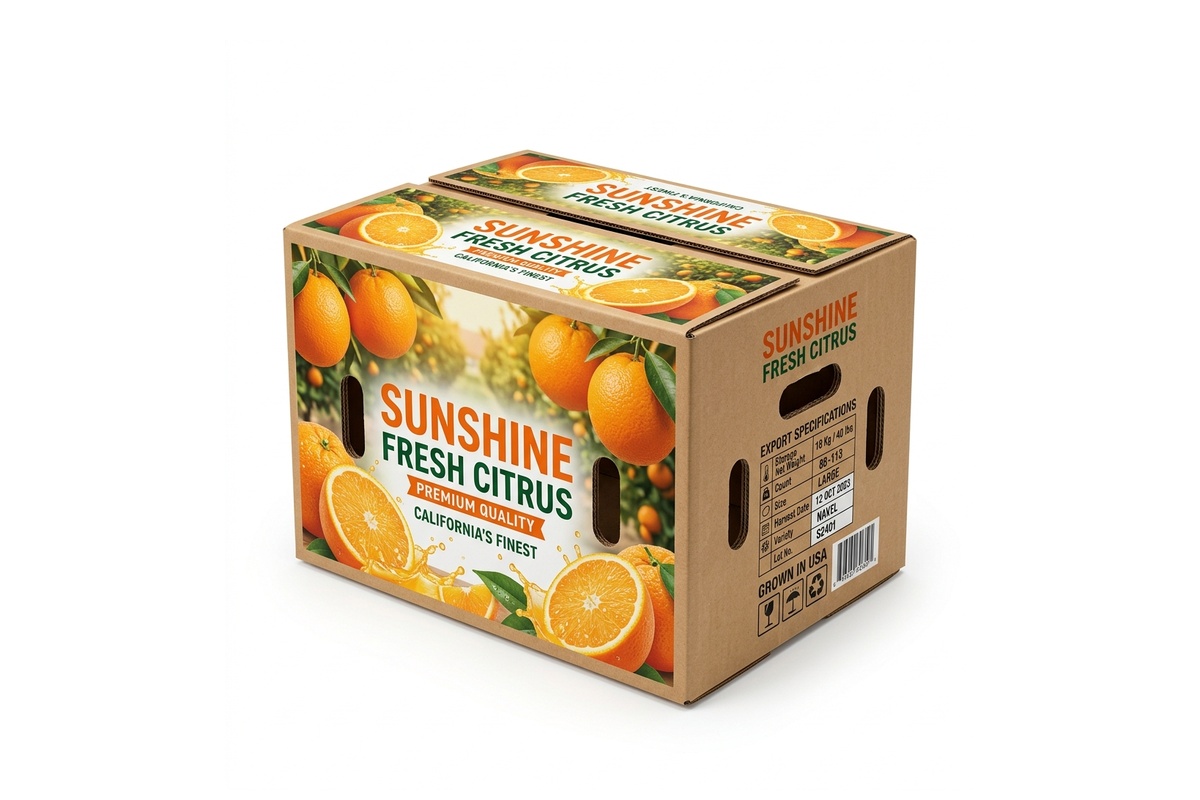
A heavy-duty auto-lock corrugated master carton with vibrant full-surface print and ergonomic handles for citrus and oranges.
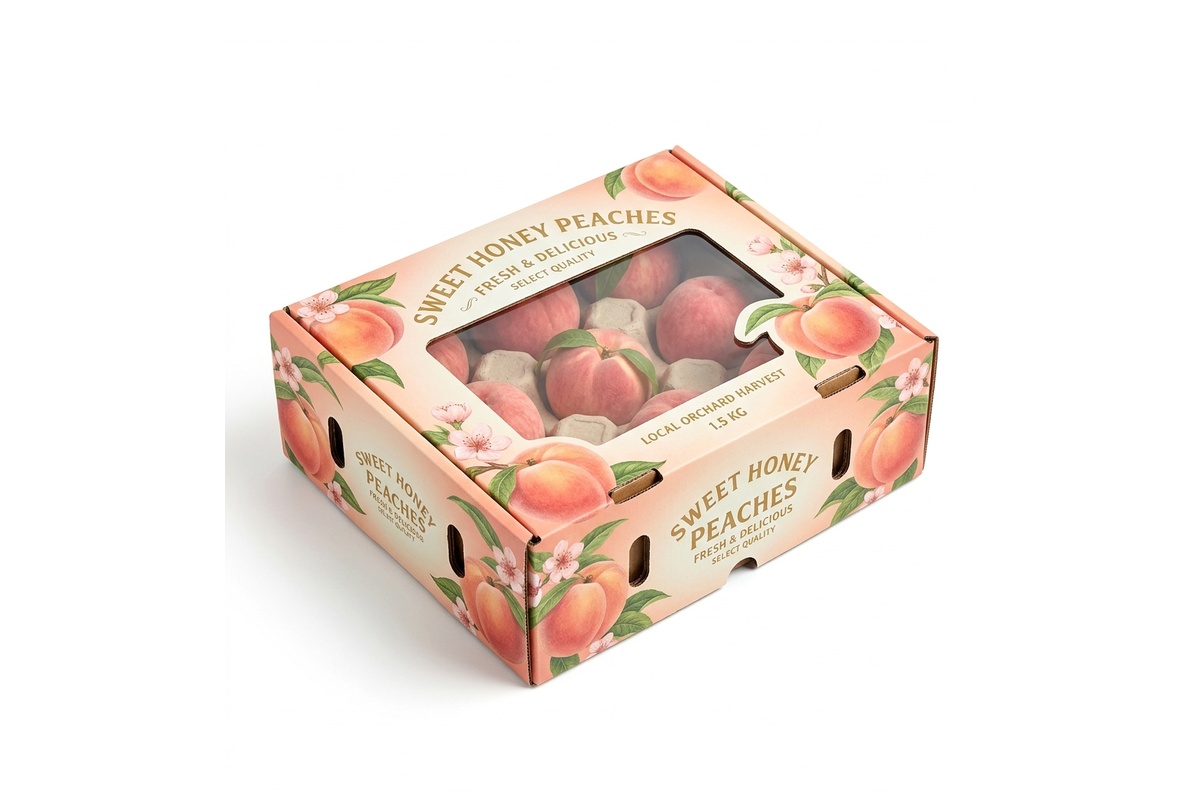
A delicate roll-end corrugated gift box featuring a clear PET display window and molded pulp protective inserts for tender peaches.
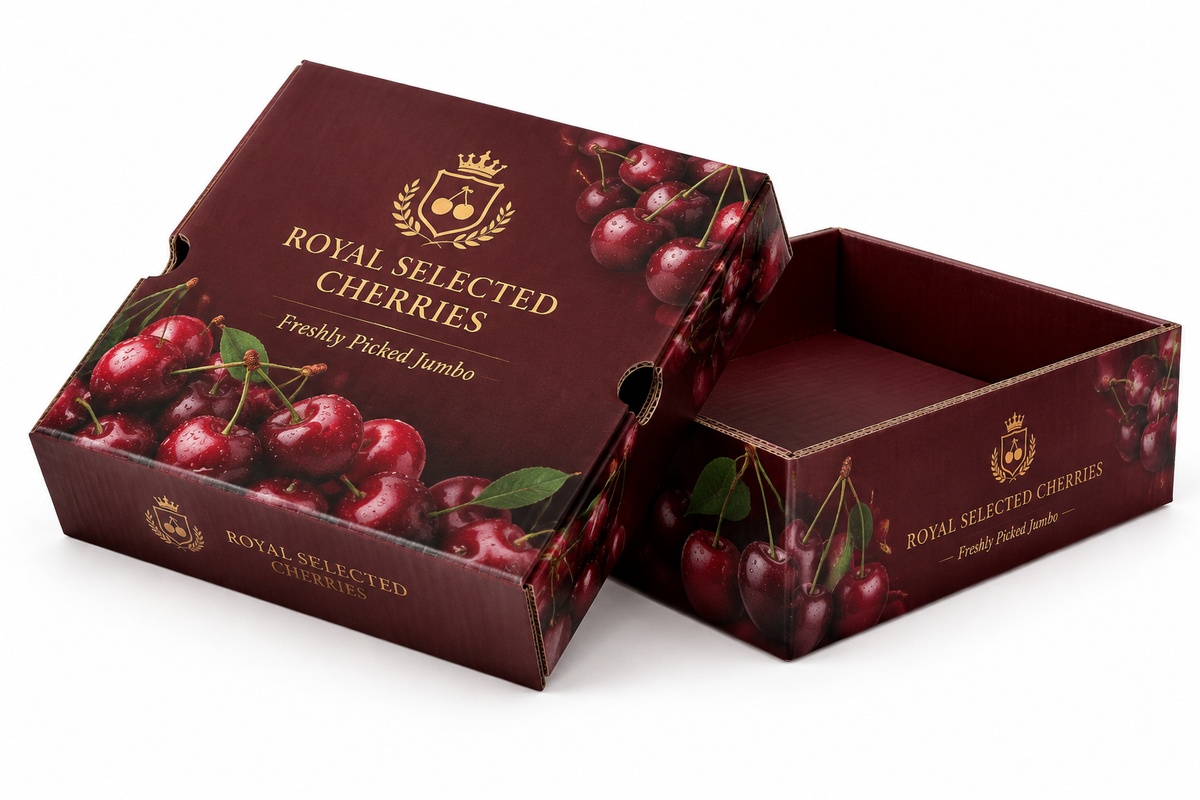
A luxury two-piece rigid-style micro-flute corrugated gift box featuring deep burgundy printing and metallic gold foil for royal cherries.
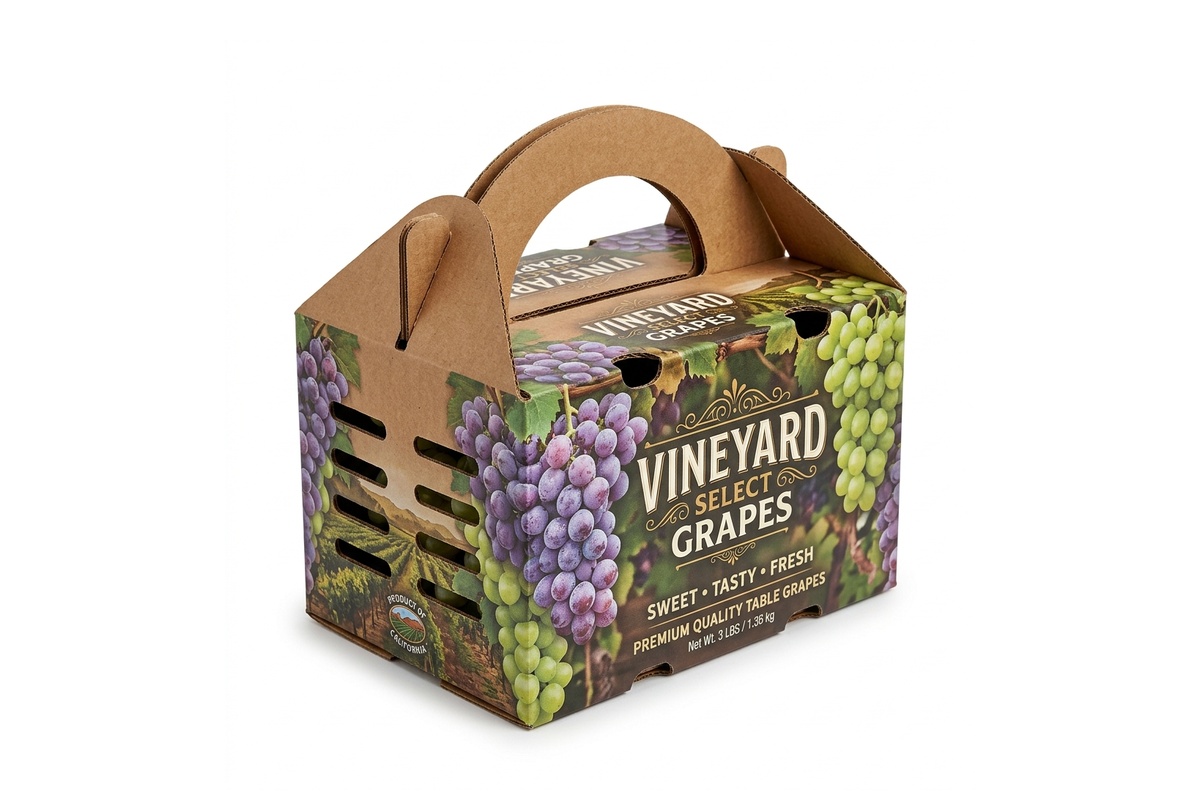
A foldable corrugated carrier box with an integrated arched handle and horizontal ventilation slots tailored for fresh table grapes.
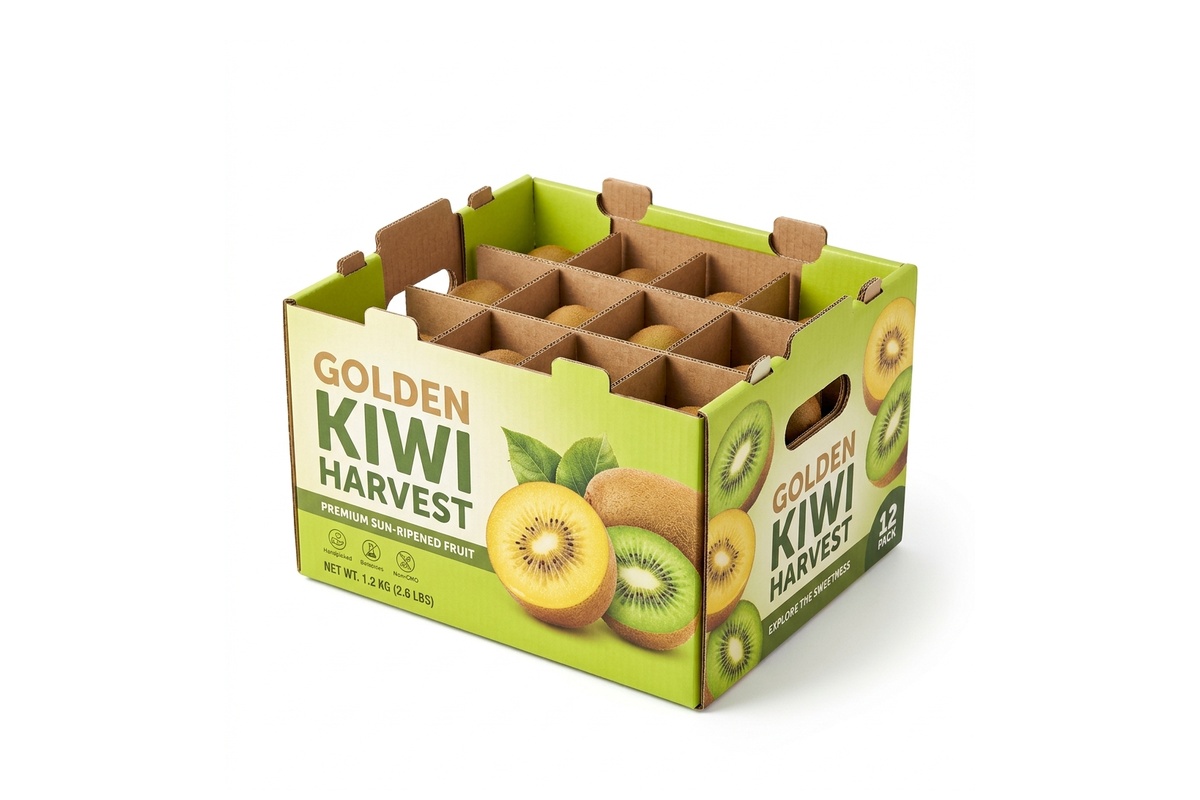
A protective corrugated fruit box with interlocking grid partitions and vibrant kiwi fruit artwork for golden and green kiwis.
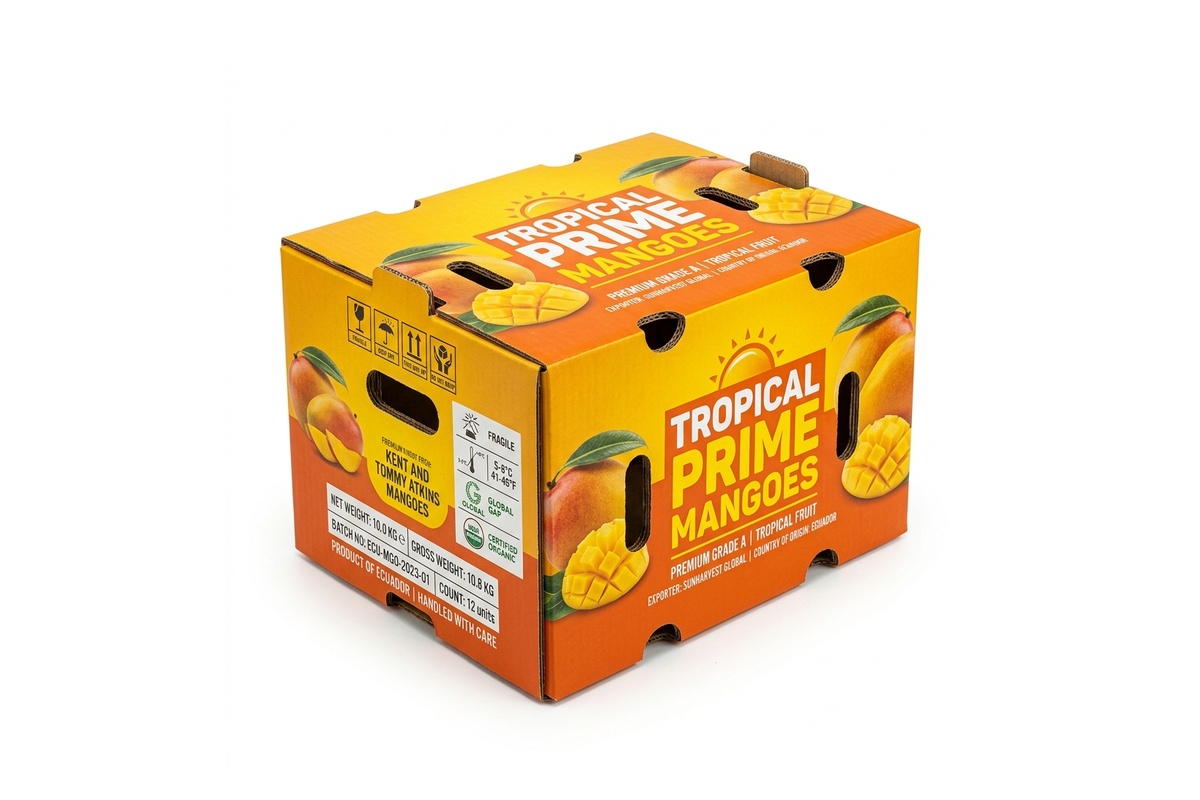
A heavy-duty 5-ply double-wall export corrugated carton engineered for international air transport of tropical mangoes.
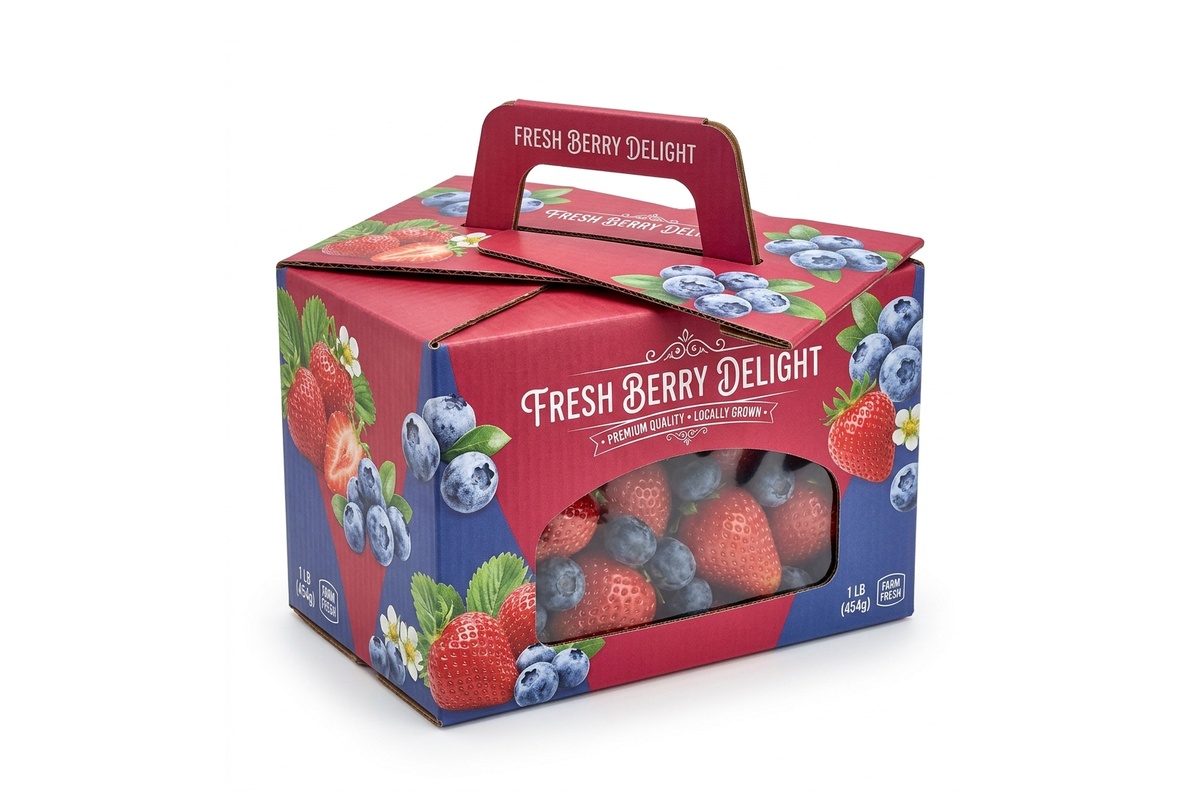
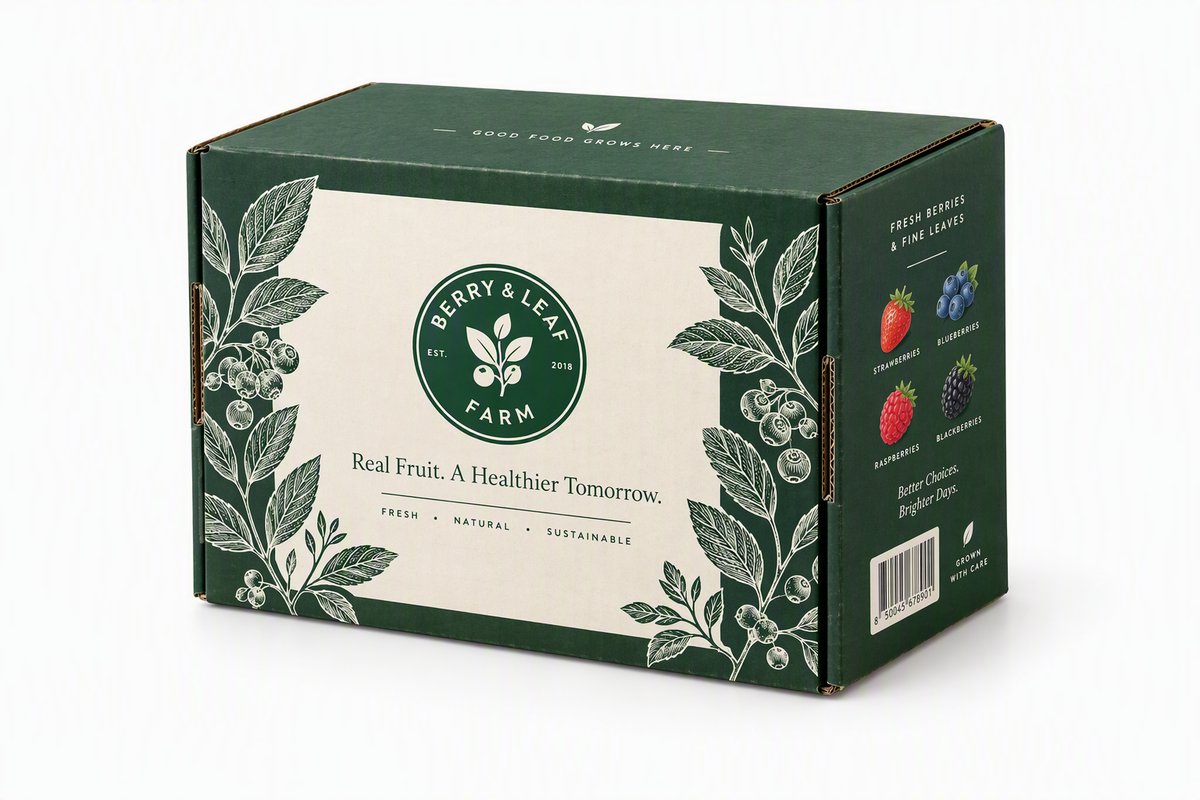
A charming carry-handle corrugated window box combining high-clarity viewing film with berry-themed litho printing.
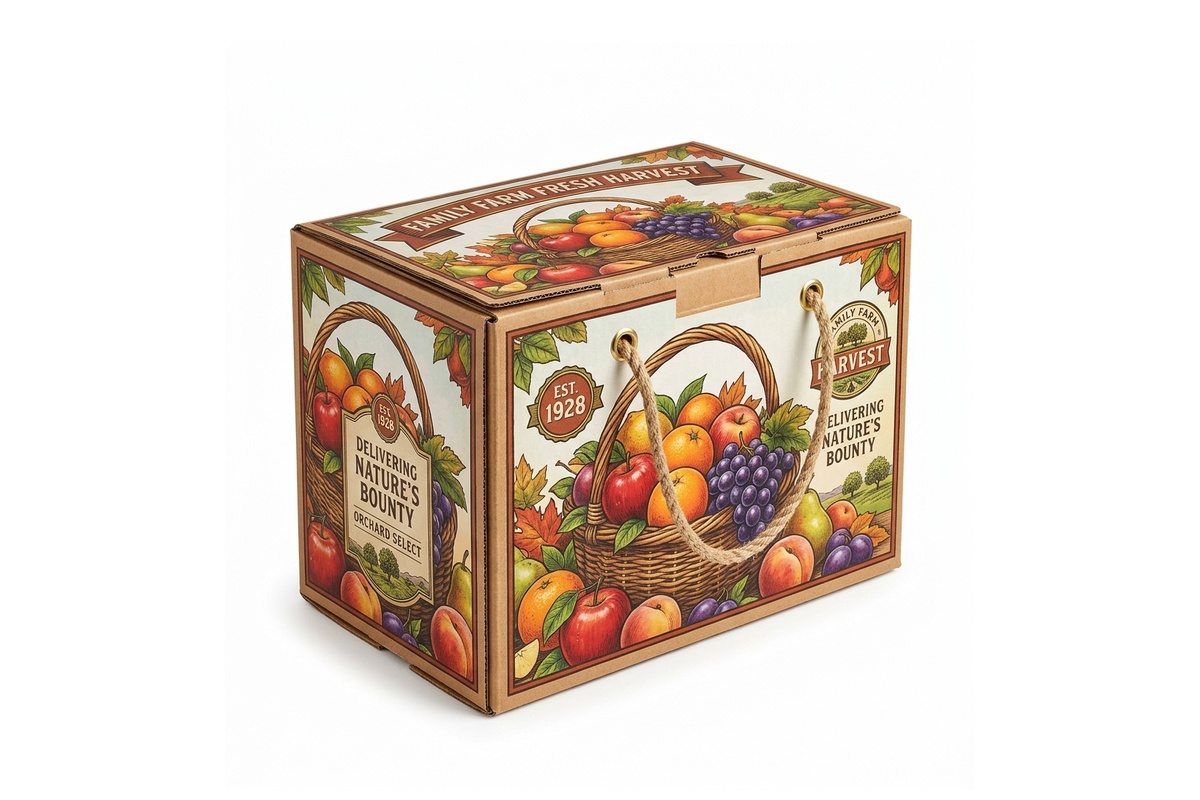
A spacious corrugated harvest hamper gift box with natural cord handles and full-bleed pastoral orchard illustrations.
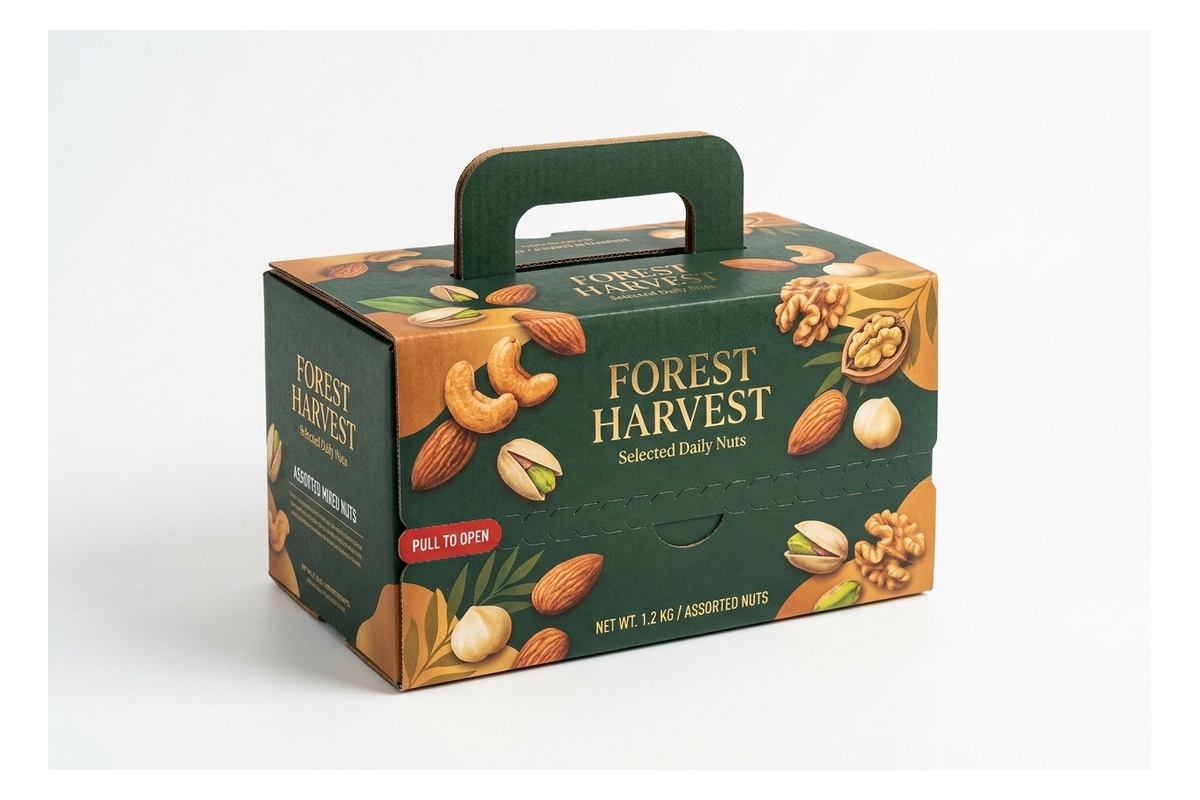
A premium micro-flute carry box featuring an integrated top handle, laser-cut zipper tear strip, and vibrant mixed nut litho printing.
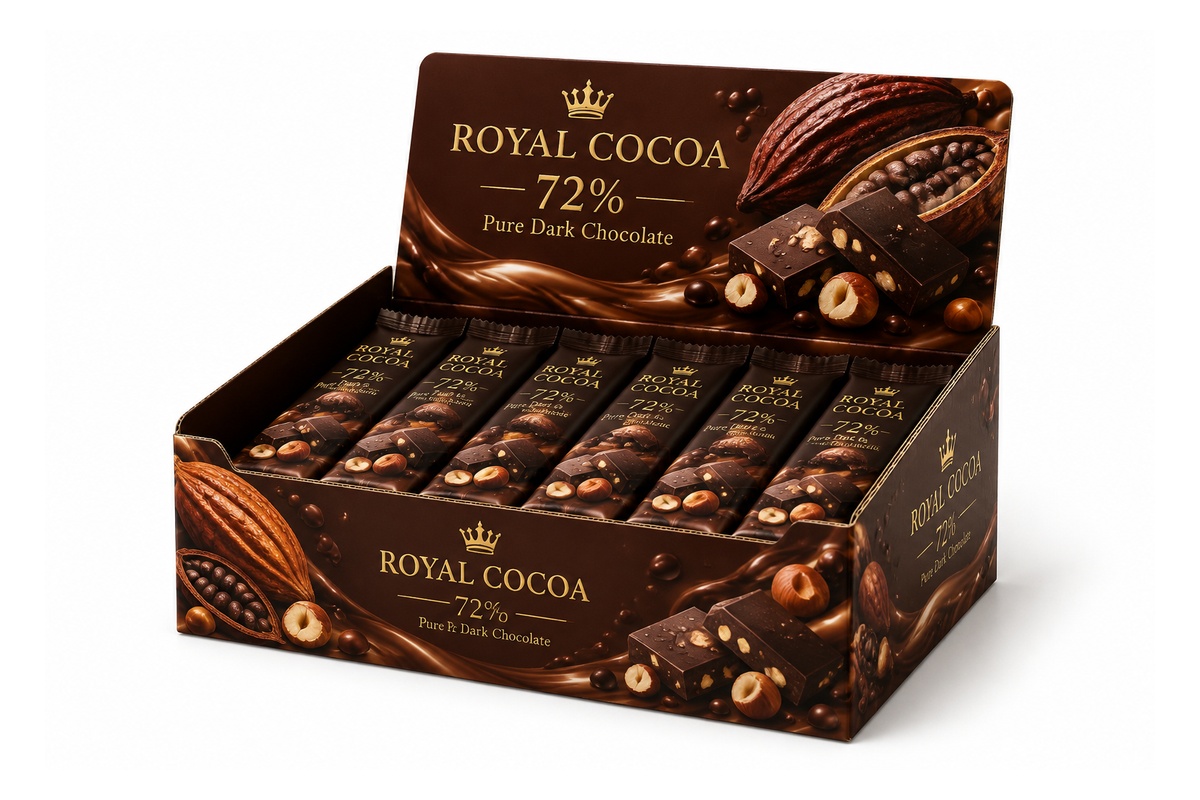
A luxury micro-corrugated countertop display box with flip-up header billboard and rich cocoa litho graphics for chocolate bars.
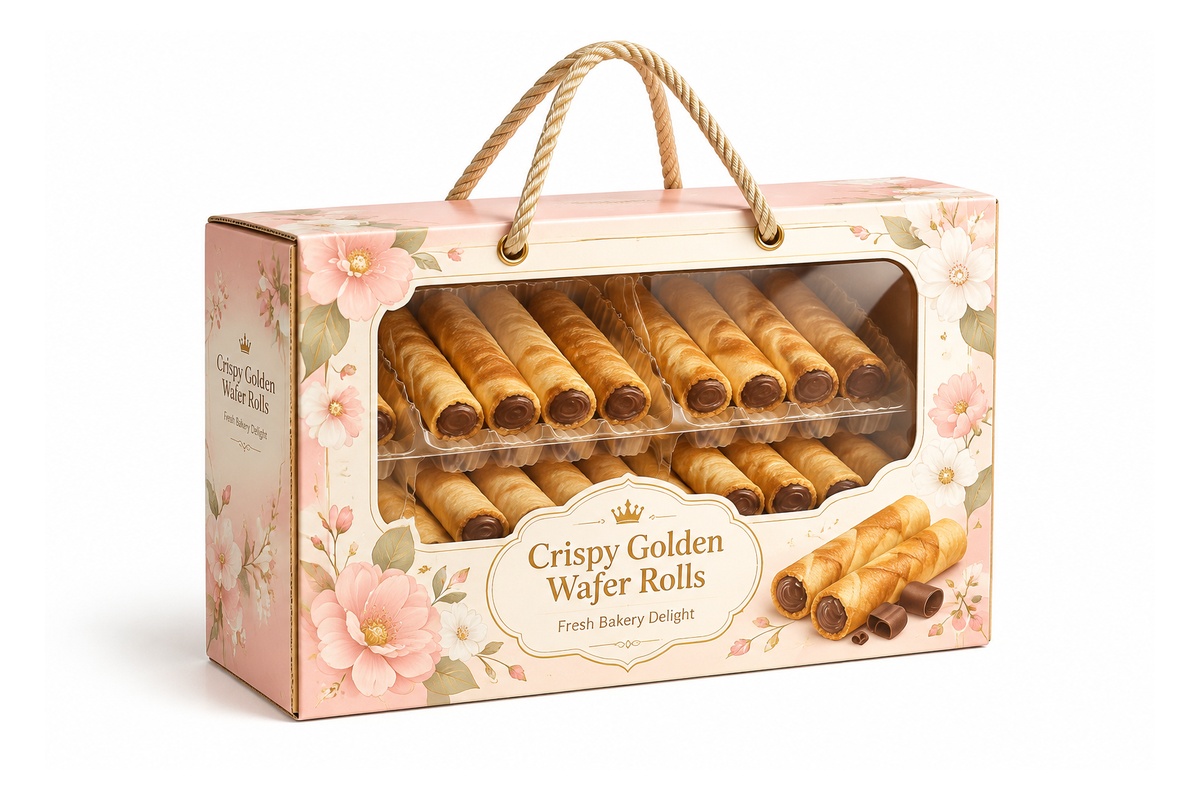
A charming pastel corrugated gift box featuring a large clear PET display window, braided cord handles, and delicate bakery artwork for crispy wafer rolls.
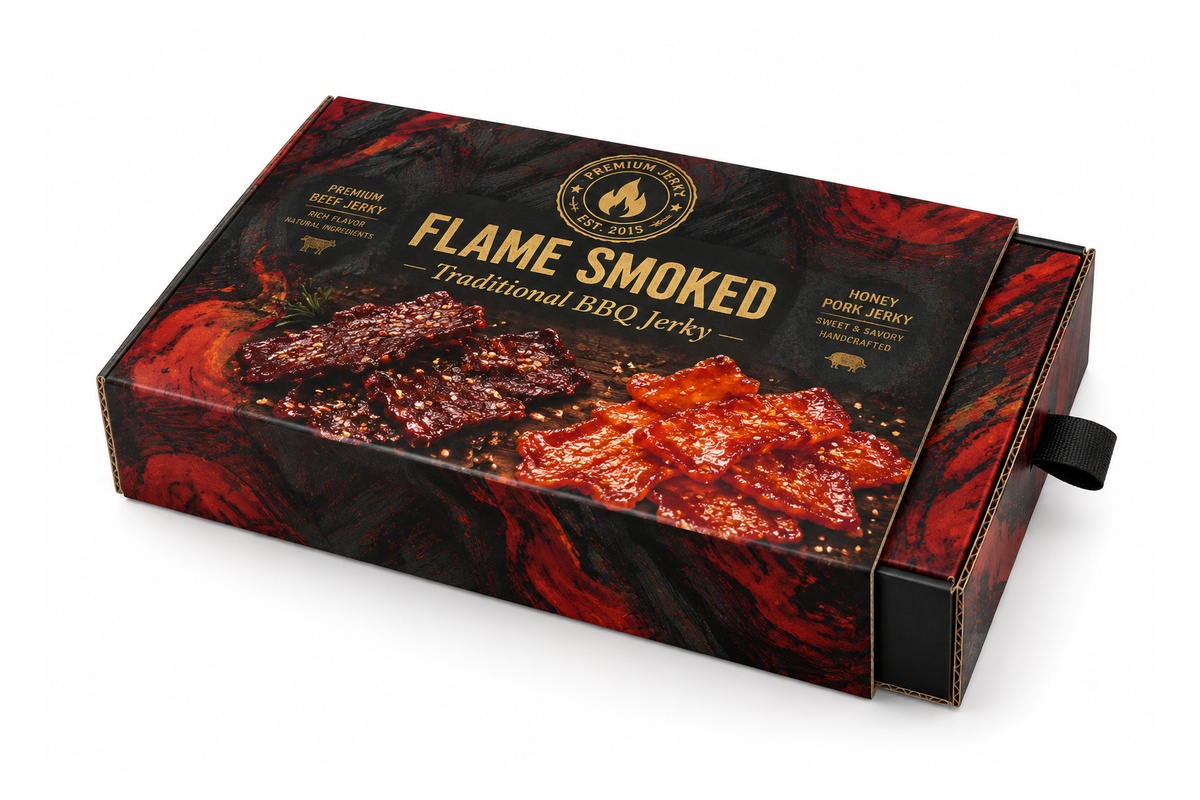
A high-impact sliding sleeve and drawer corrugated box with flame-smoked graphics and ribbon pull tab for artisan beef jerky and meat snacks.
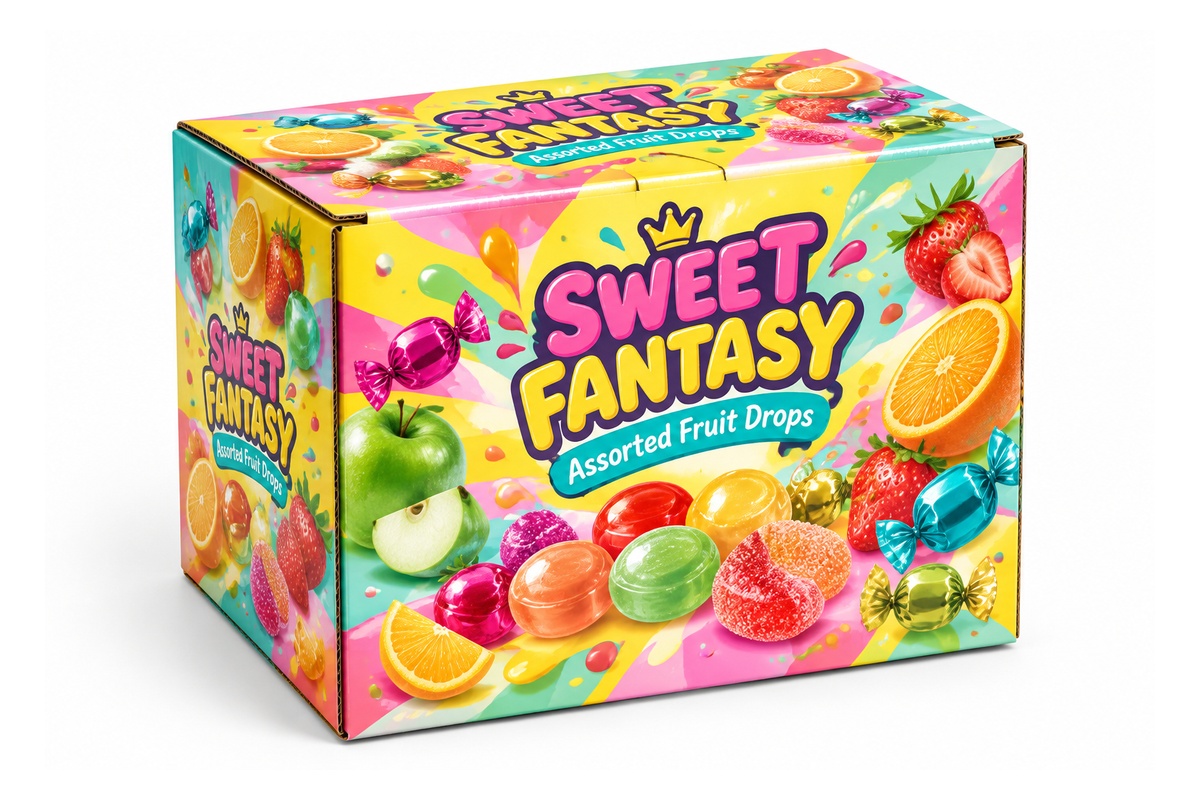
A fast-forming auto-bottom corrugated carton featuring high-gloss pop-art candy graphics for wrapped confectionery.
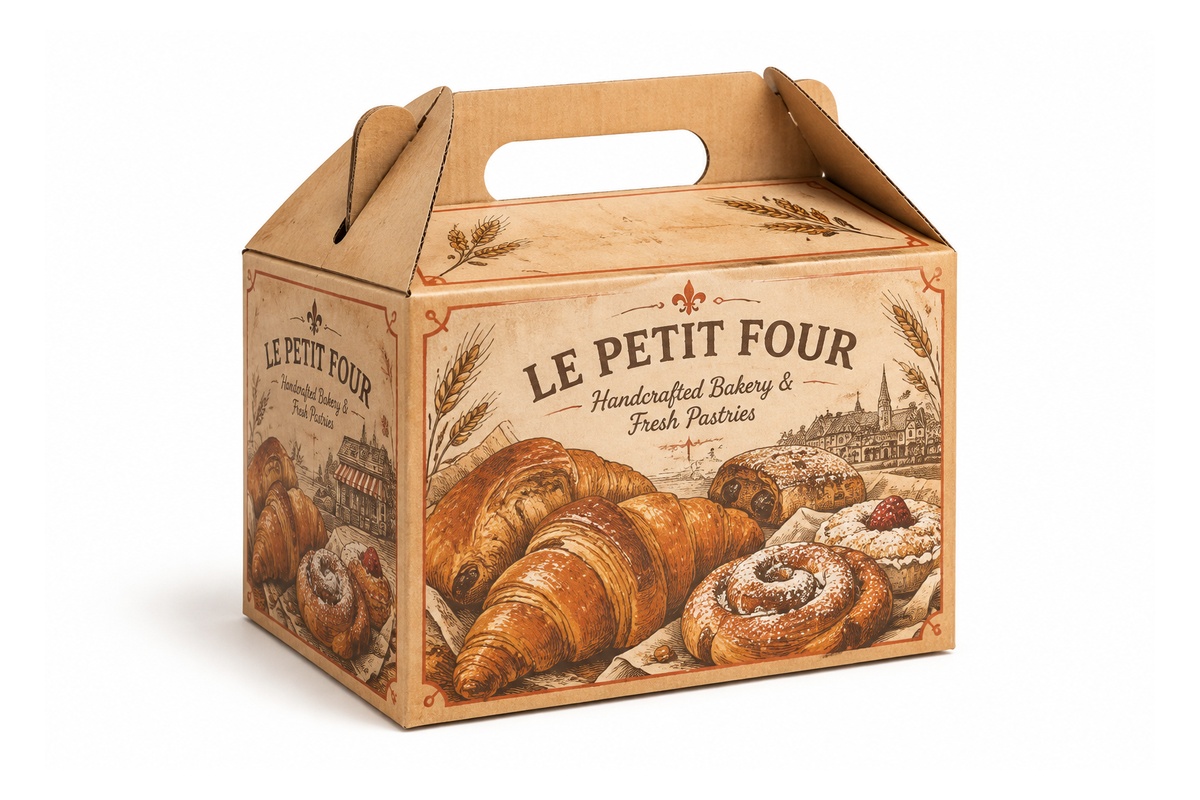
A rustic gable-top corrugated carrier crafted from unbleached kraft board with vintage bakery illustrations and integrated handle for fresh pastries.
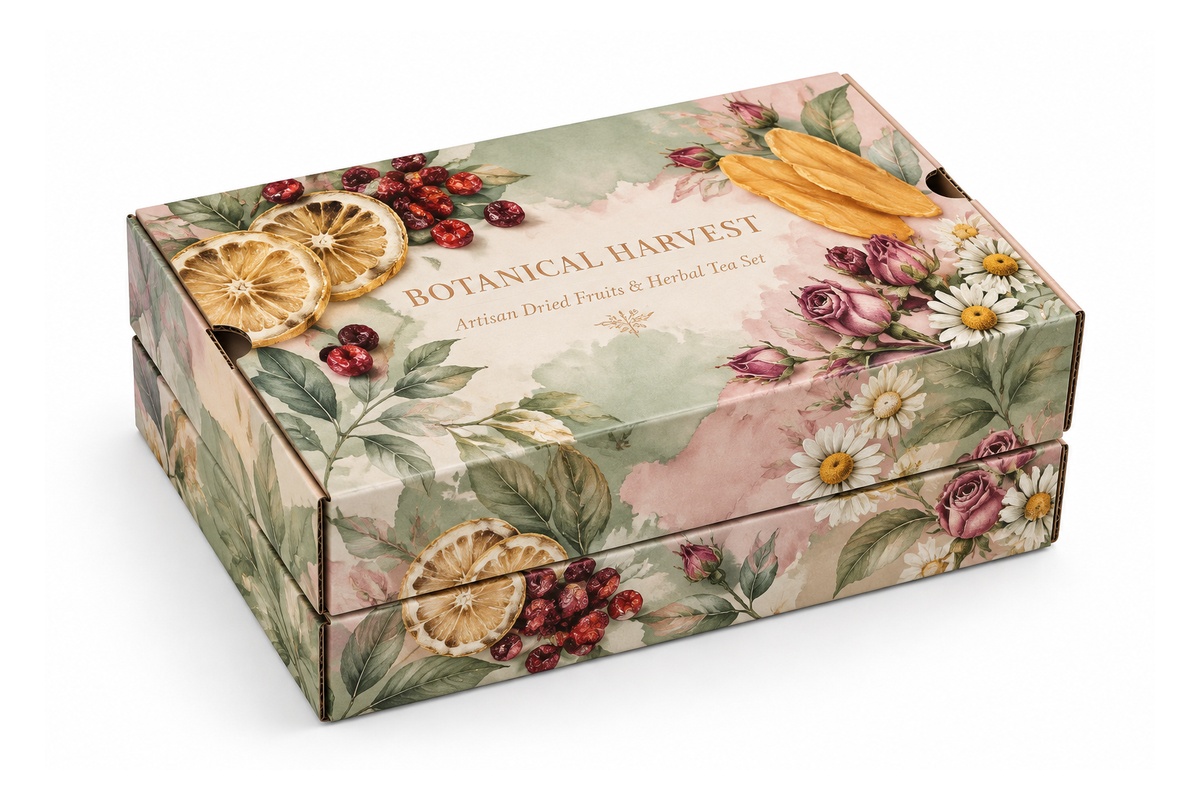
An elegant two-tier telescoping micro-corrugated gift box featuring Morandi botanical artwork and metallic foil stamping for dried fruits and tea sets.
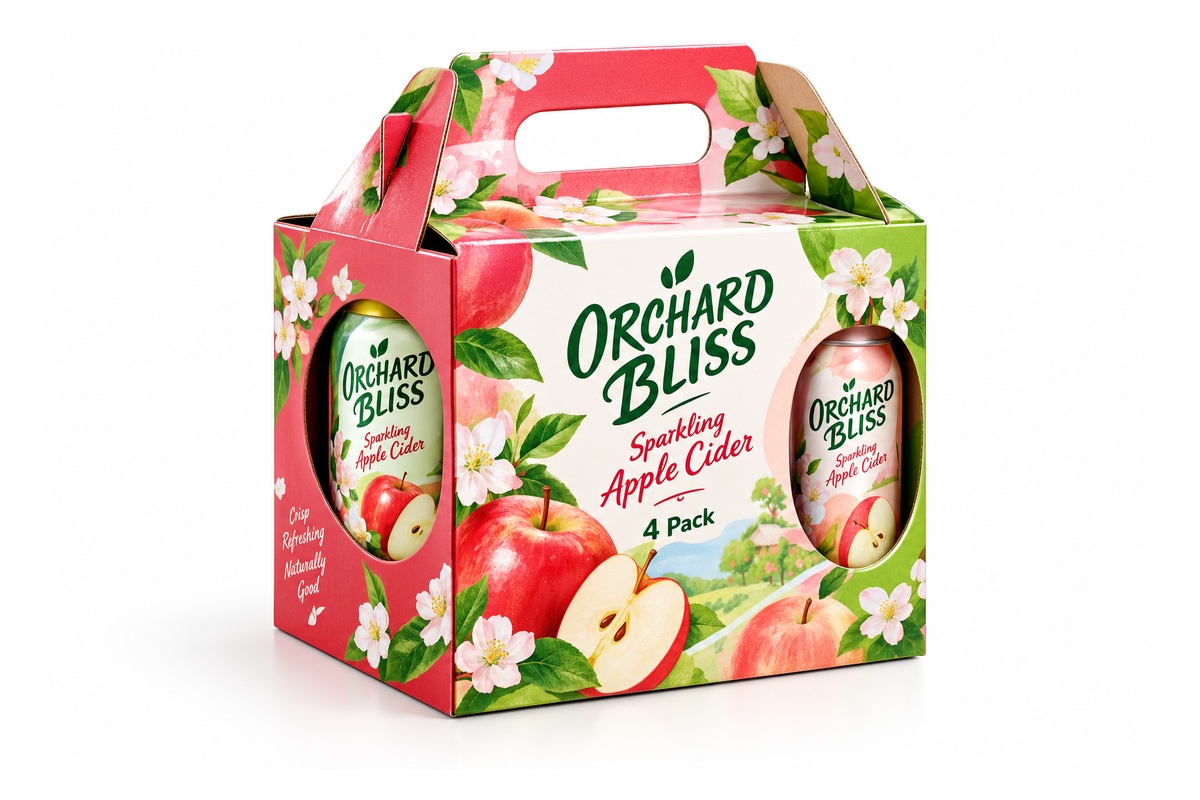
A 4-can or 6-can corrugated basket carrier with reinforced top handle and tear-down display tray conversion for craft cider and seltzers.
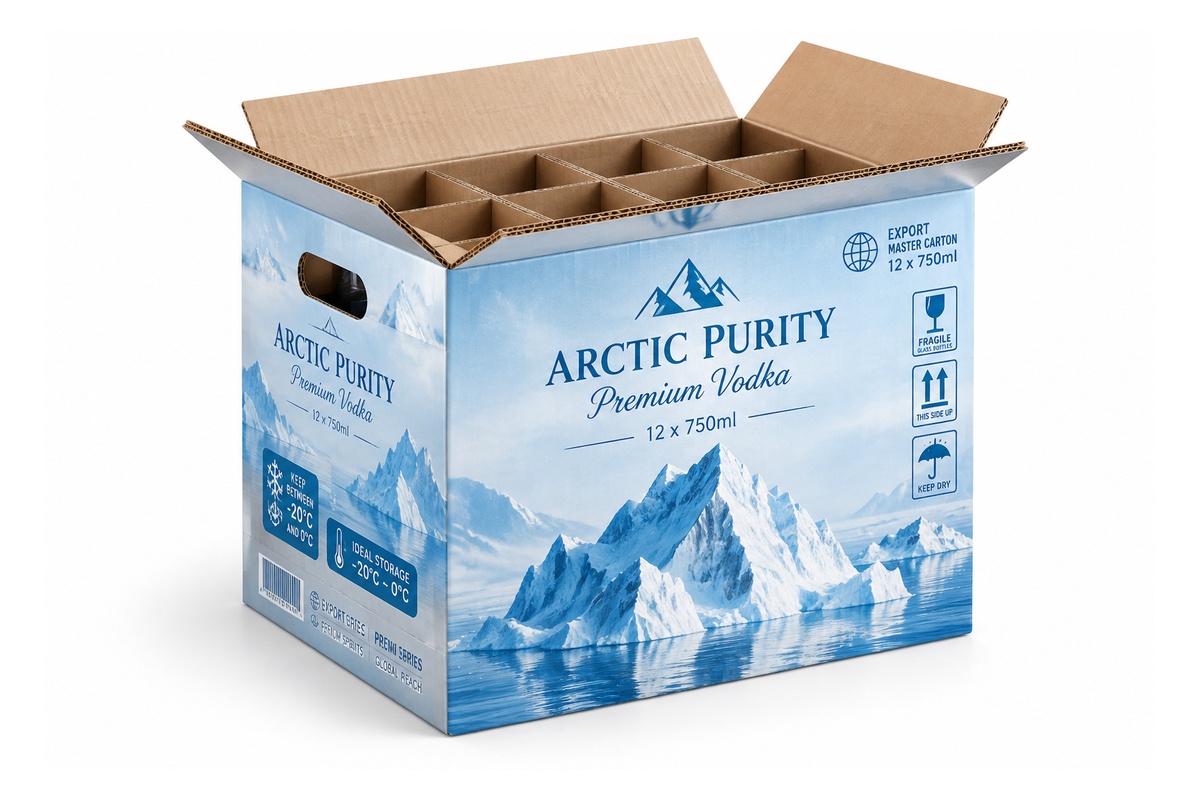
A heavy-duty double-wall corrugated master carton with integrated 6-cell interlocking partitions and export-grade stacking strength for spirits.
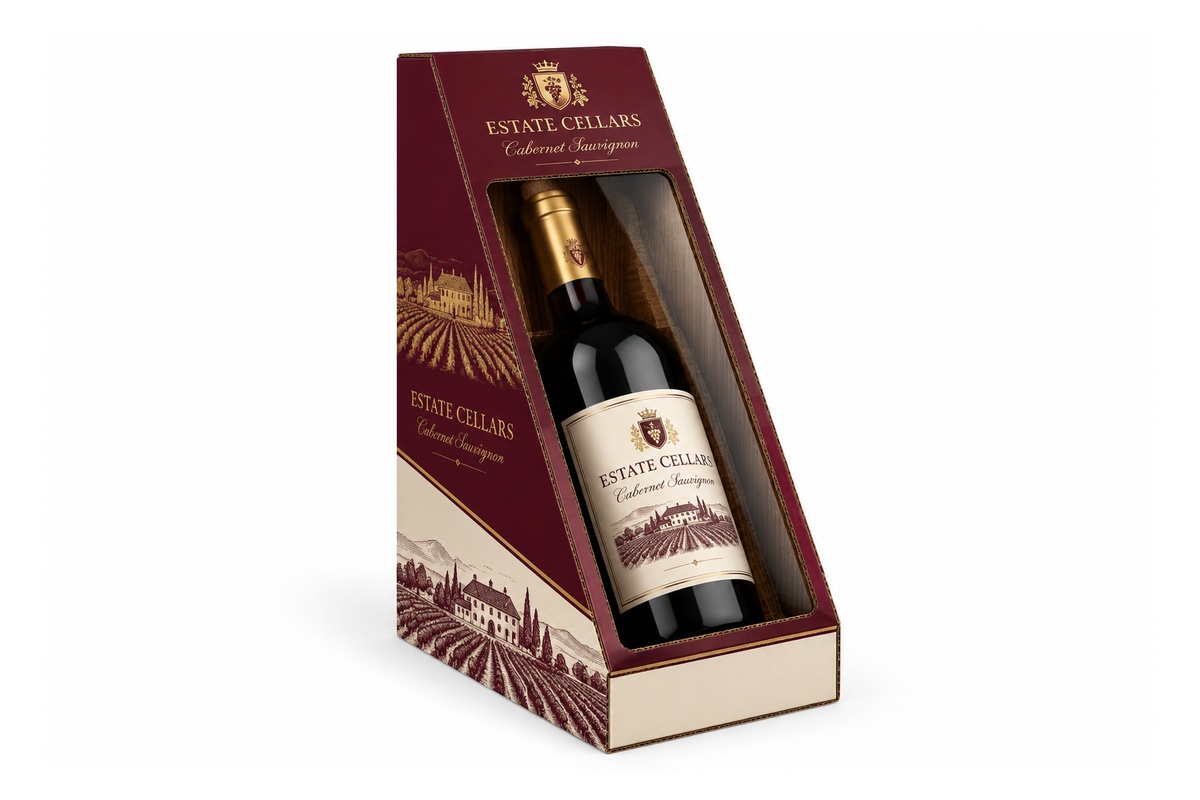
An architectural micro-corrugated showcase box featuring an angled dieline cutout and clear window revealing the wine label and cork neck seal.
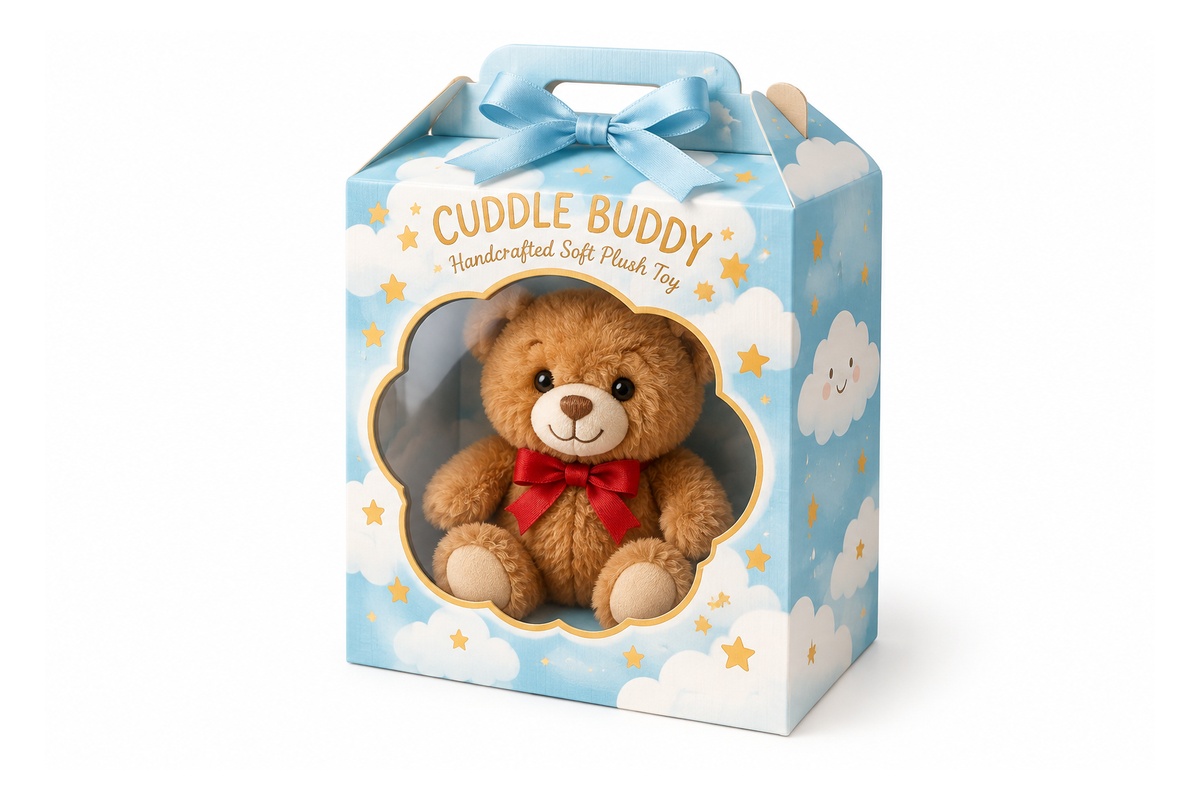
A charming pastel micro-corrugated gift box featuring a die-cut cloud PET window and integrated top ribbon handle for soft plush toys.

A rugged corrugated product carton with interior contoured molded paper pulp cushion tray engineered for 4K camera quadcopter drones.
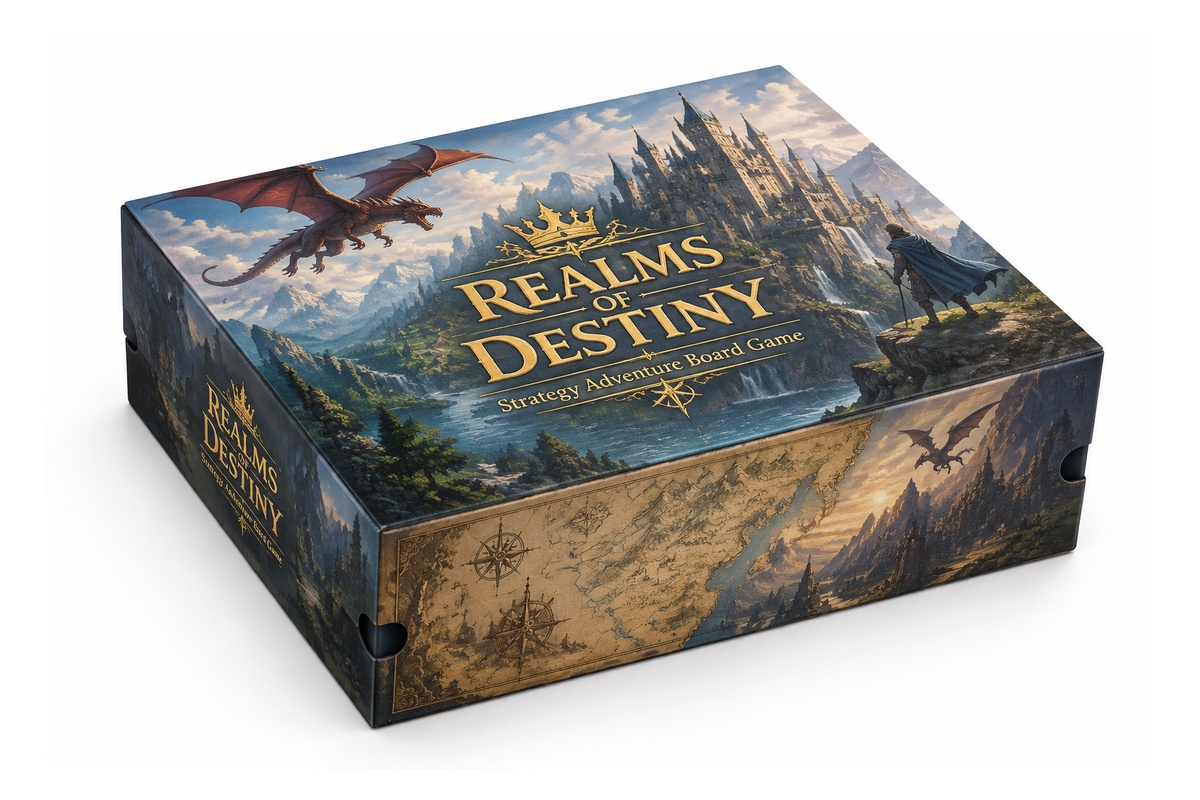
A premium two-piece telescoping micro-corrugated game box with linen-textured finish, gold foil heraldry, and modular component dividers.
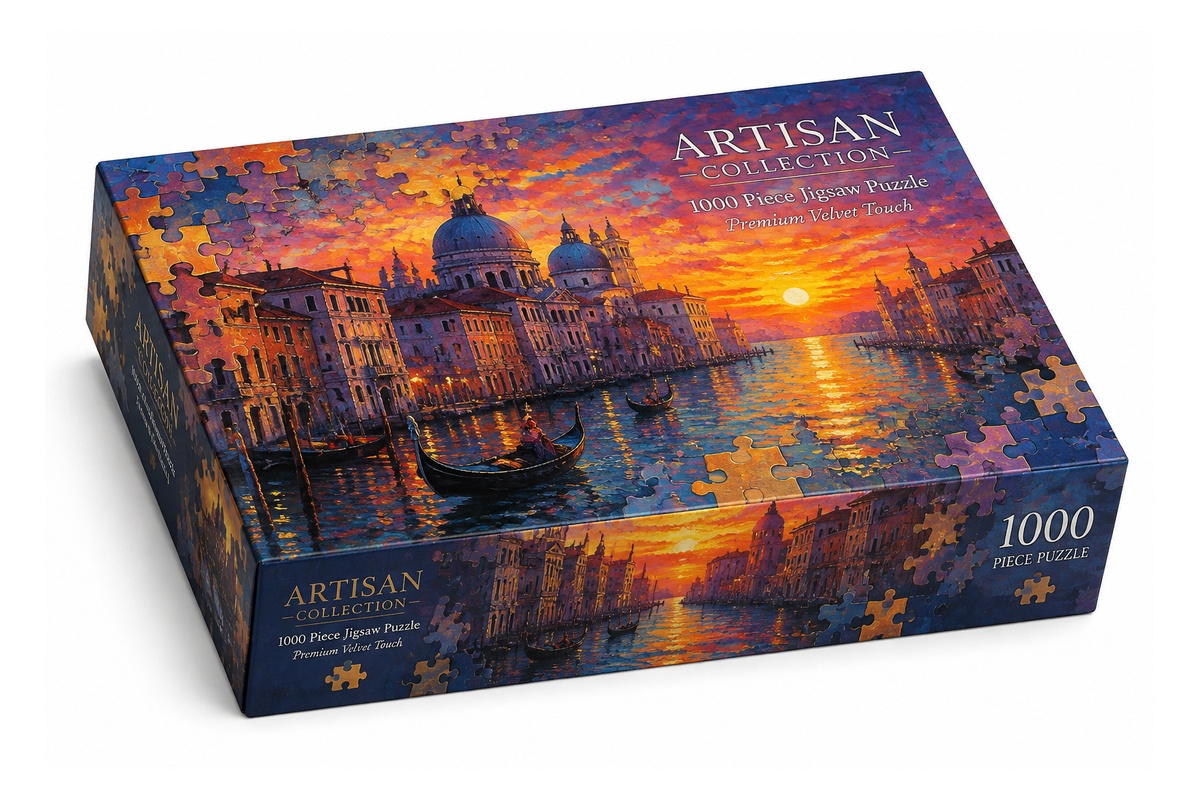
A sturdy micro-flute roll-end tuck box showcasing full-bleed museum fine art printing and anti-glare matte lamination for 1000-piece puzzles.
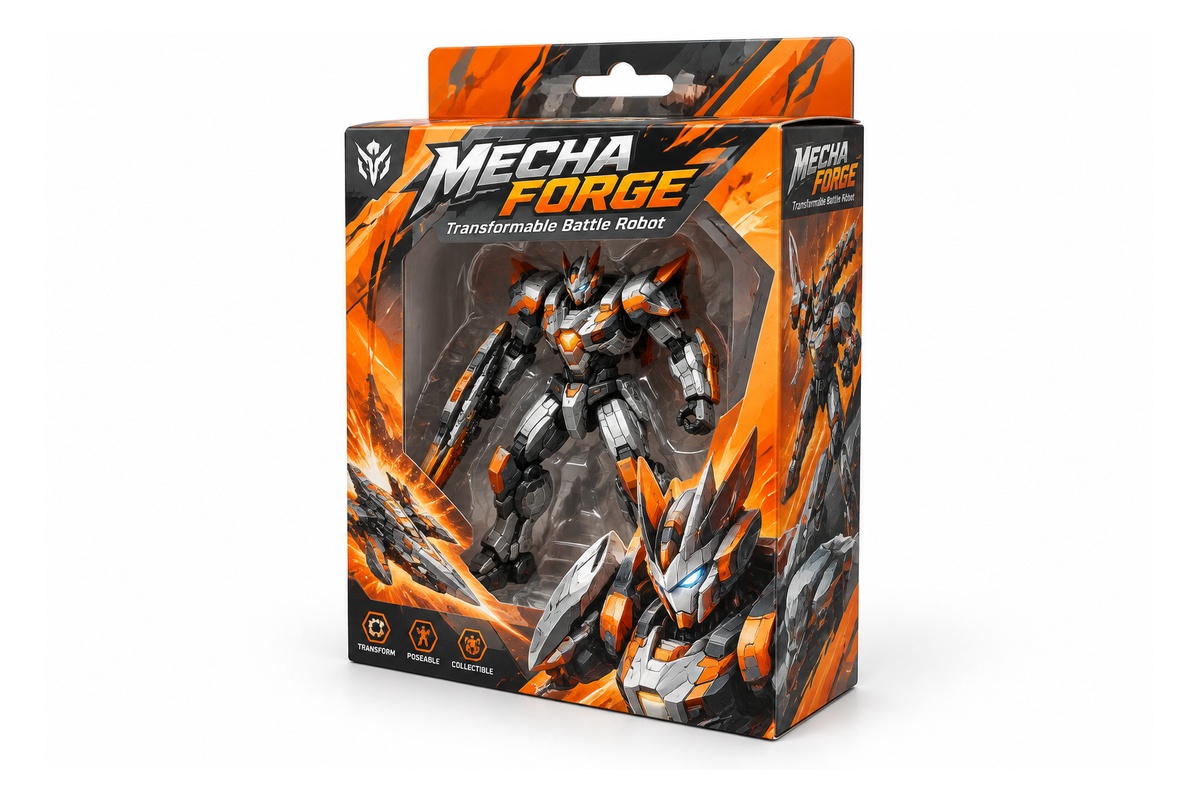
A dynamic comic-illustrated micro-flute retail carton with clear showcase window and reinforced top euro-slot peg hook for collectible action figures.
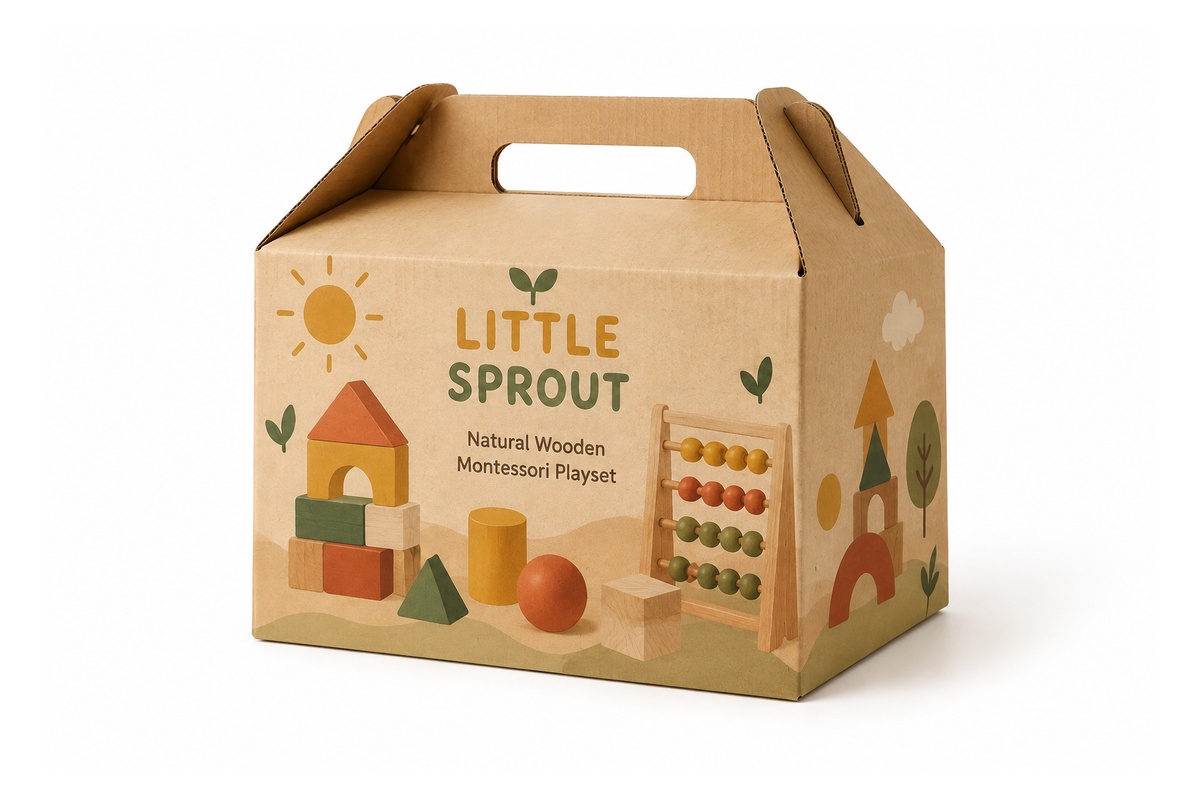
A Scandinavian-inspired unbleached kraft micro-corrugated gable box with pitched roof dieline and integrated handle for Montessori toys.
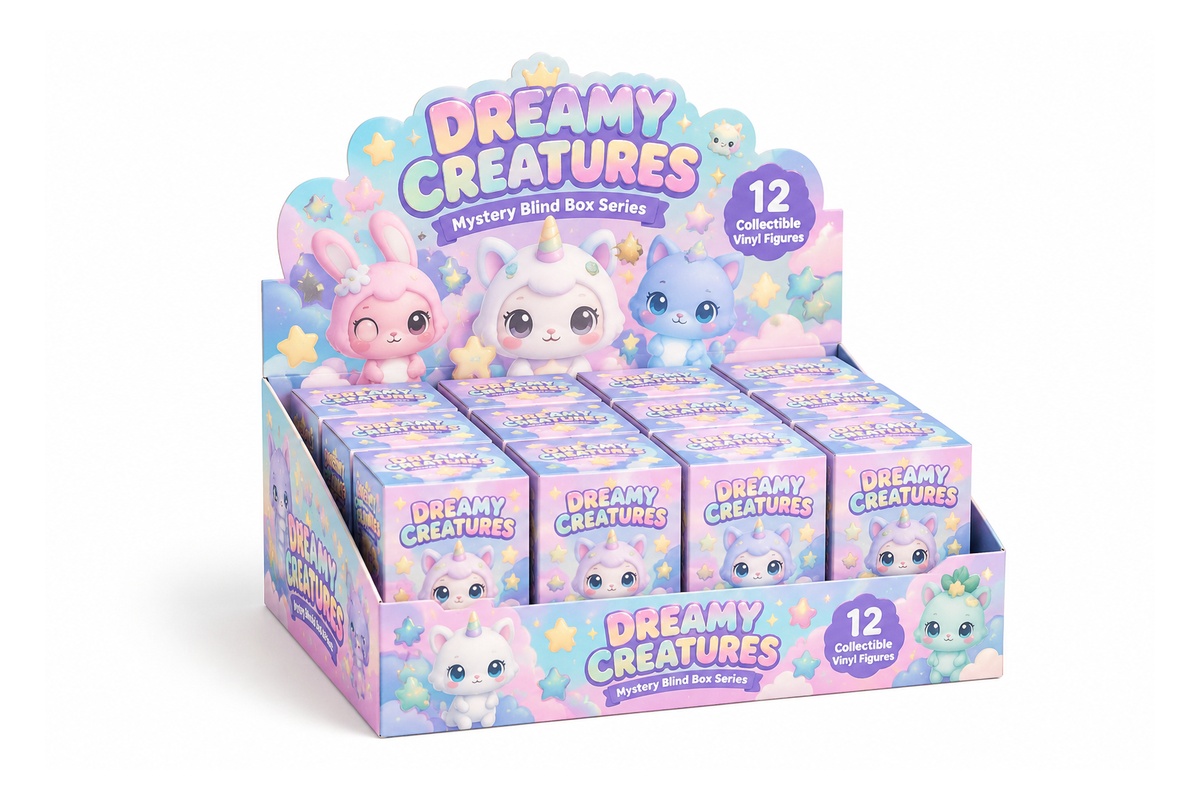
A 12-pack counter display shipper box featuring an upright pop-up billboard header card and perforated tear-away front for mystery blind boxes.
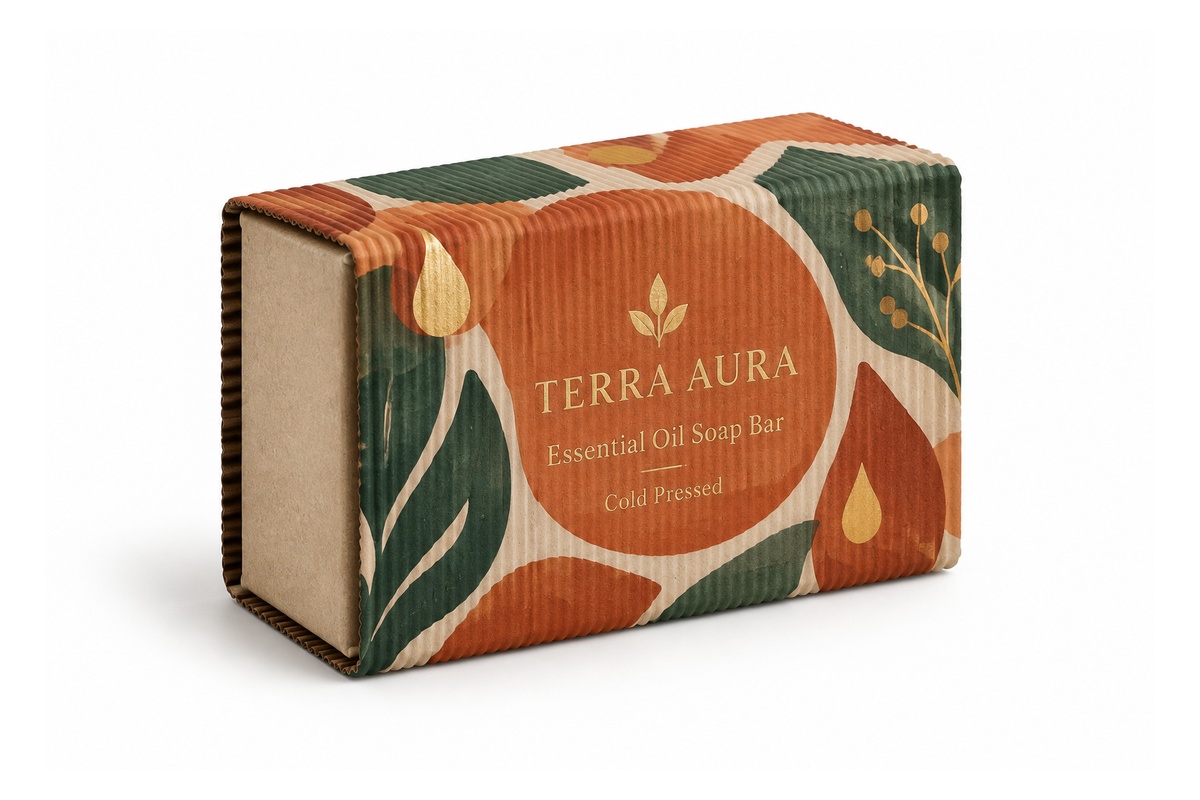
An artistic micro-corrugated sleeve wrapper sliding snugly over rigid unbleached soap bar boxes with tactile botanical graphics.

A premium corrugated gable-top carrier box with an integrated arch handle and dual teardrop windows displaying hair care pump bottles.
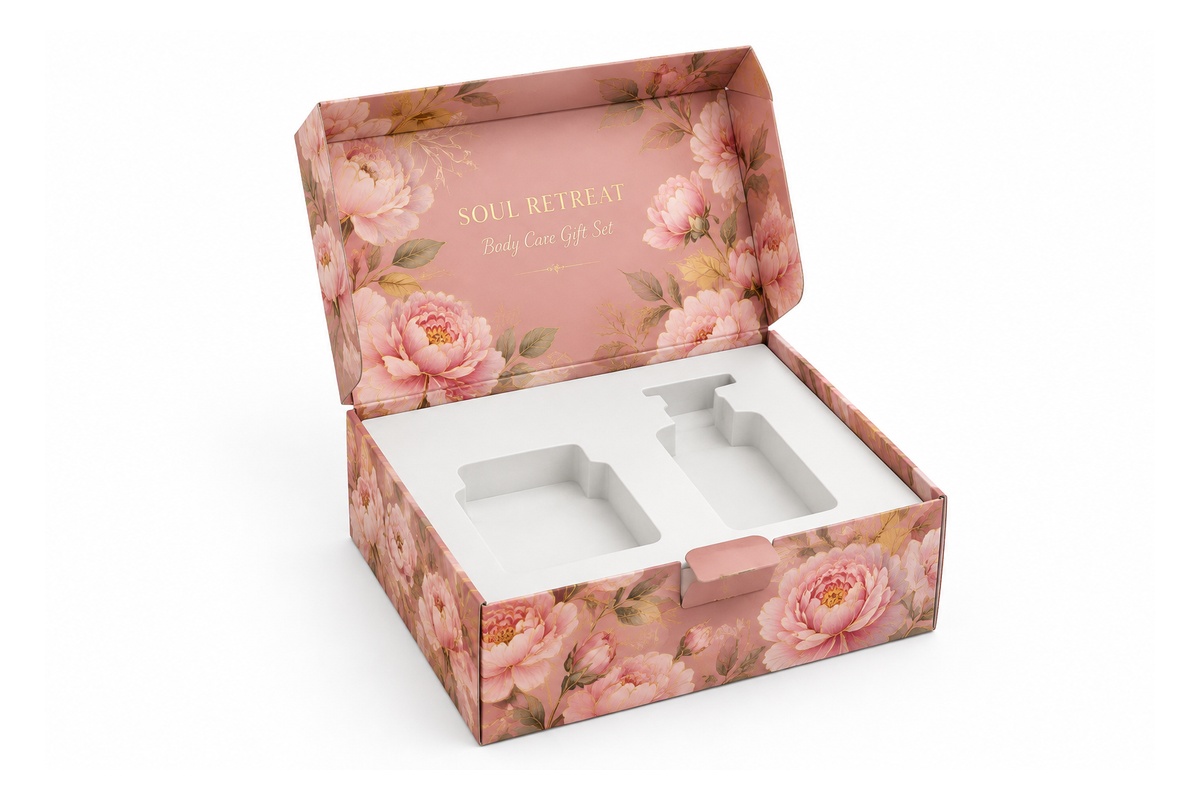
An upscale hinged micro-corrugated presentation box featuring full-bleed botanical art and molded pulp cushion insert for scrub jars and lotions.

An architectural micro-corrugated retail carton featuring an internal collar riser protecting fragile reed diffuser flacons and rattan sticks.

A tall upright micro-flute folding carton with integrated shock-absorbing folded tabs locking fragile glass dropper pipette bottles firmly.
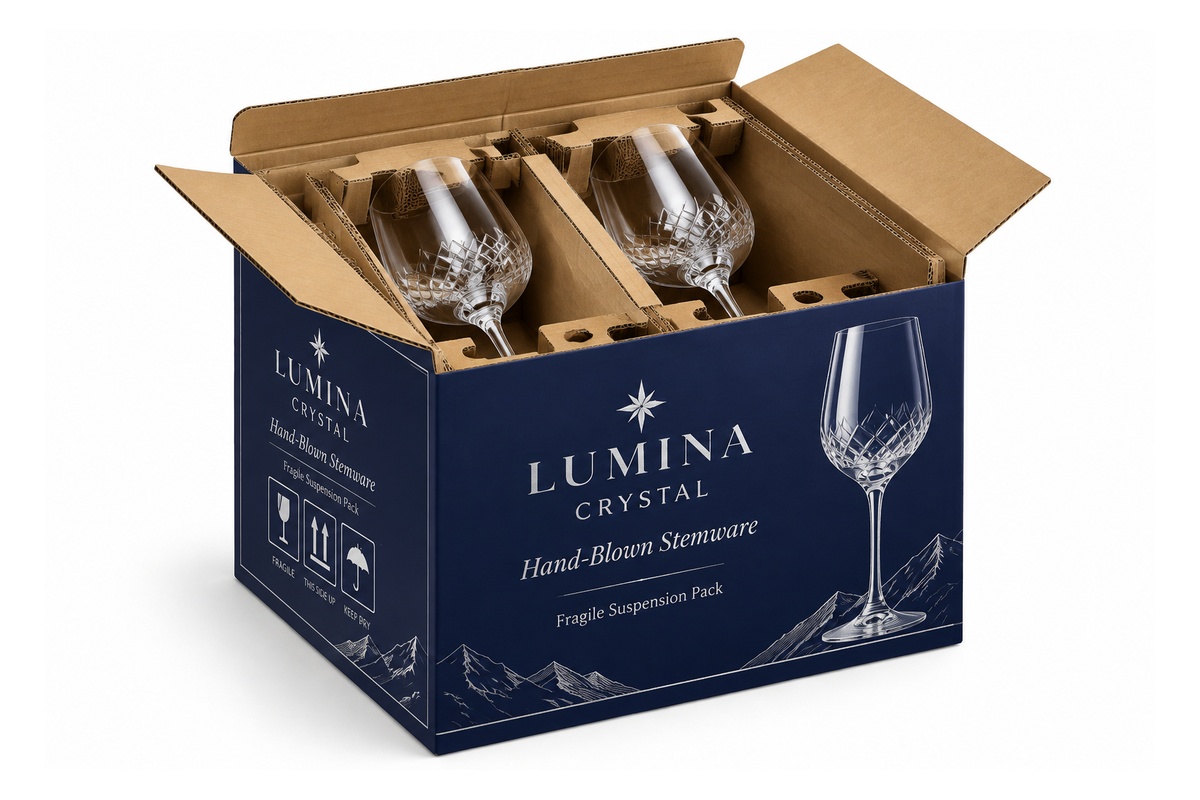
An engineered corrugated suspension shipping box with internal floating die-cut cradles isolating delicate crystal wine goblets from surface impacts.
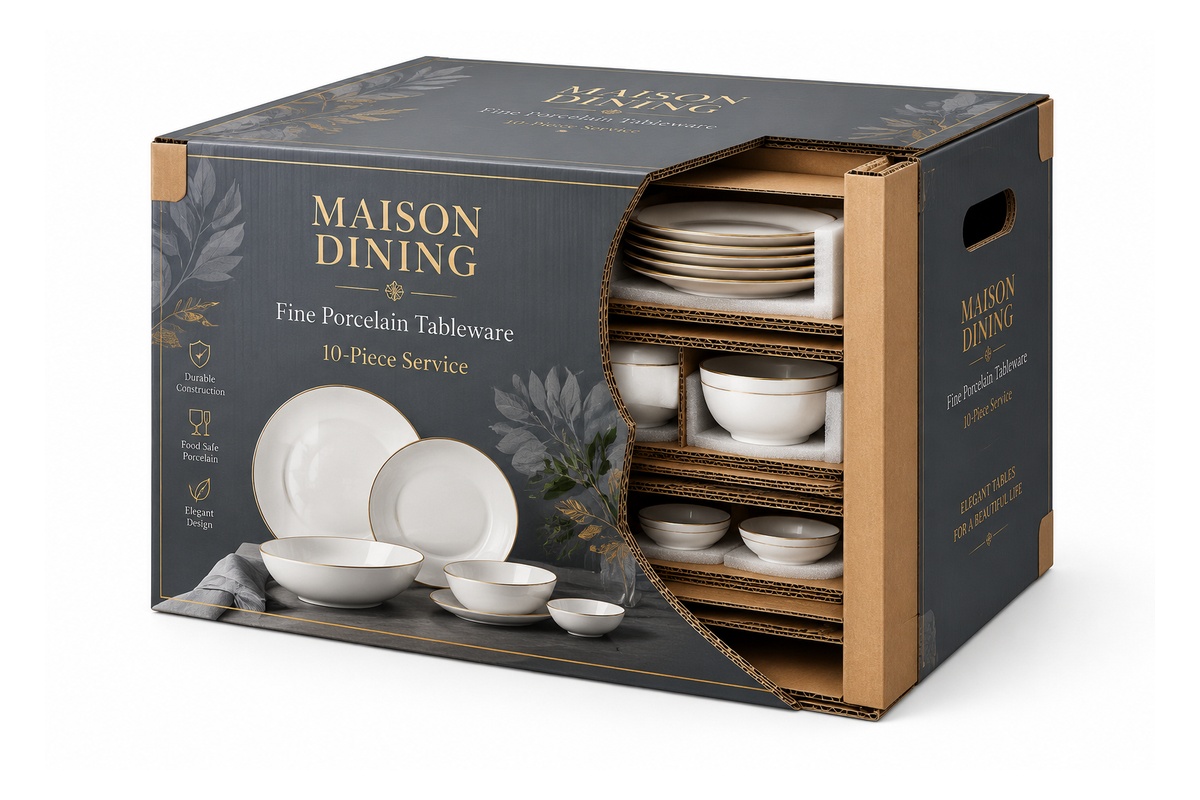
A heavy-duty 5-ply corrugated master carton with reinforced corner posts, side hand holes, and layered separators for 10-piece porcelain sets.
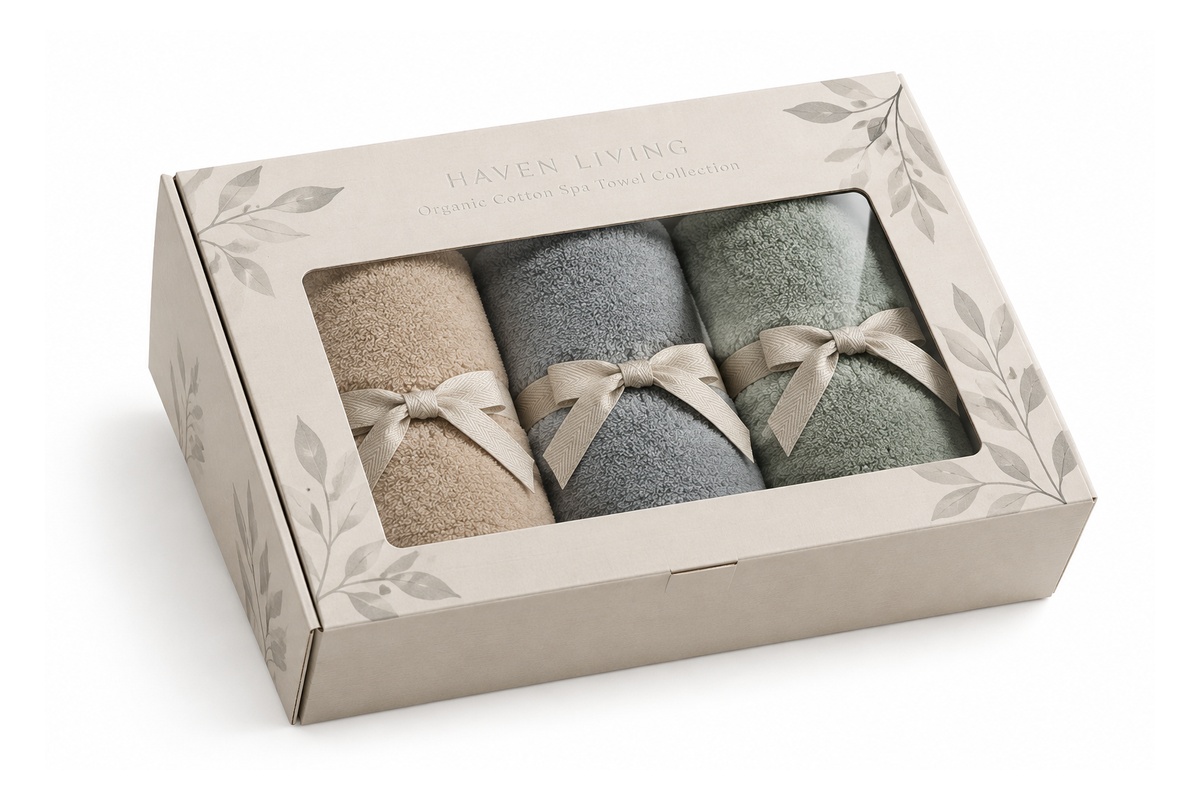
An elegant micro-corrugated hinged presentation box with large clear PET window displaying rolled organic cotton towels and accessories.

An upright micro-corrugated retail carton with auto-lock bottom, mountain topo graphics, and side cutout previewing thermal drinkware.
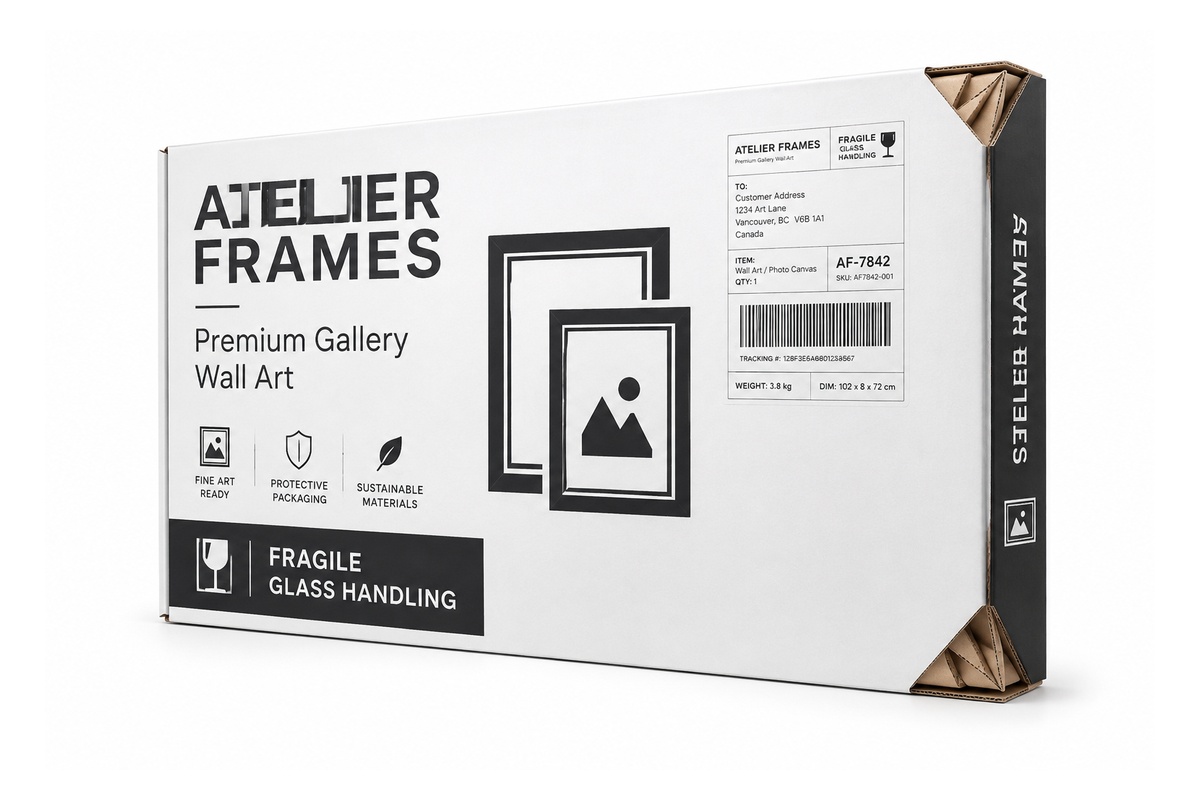
A slim large-format corrugated shipping carton equipped with integrated multi-fold triangular corner bumpers for framed art and canvas prints.
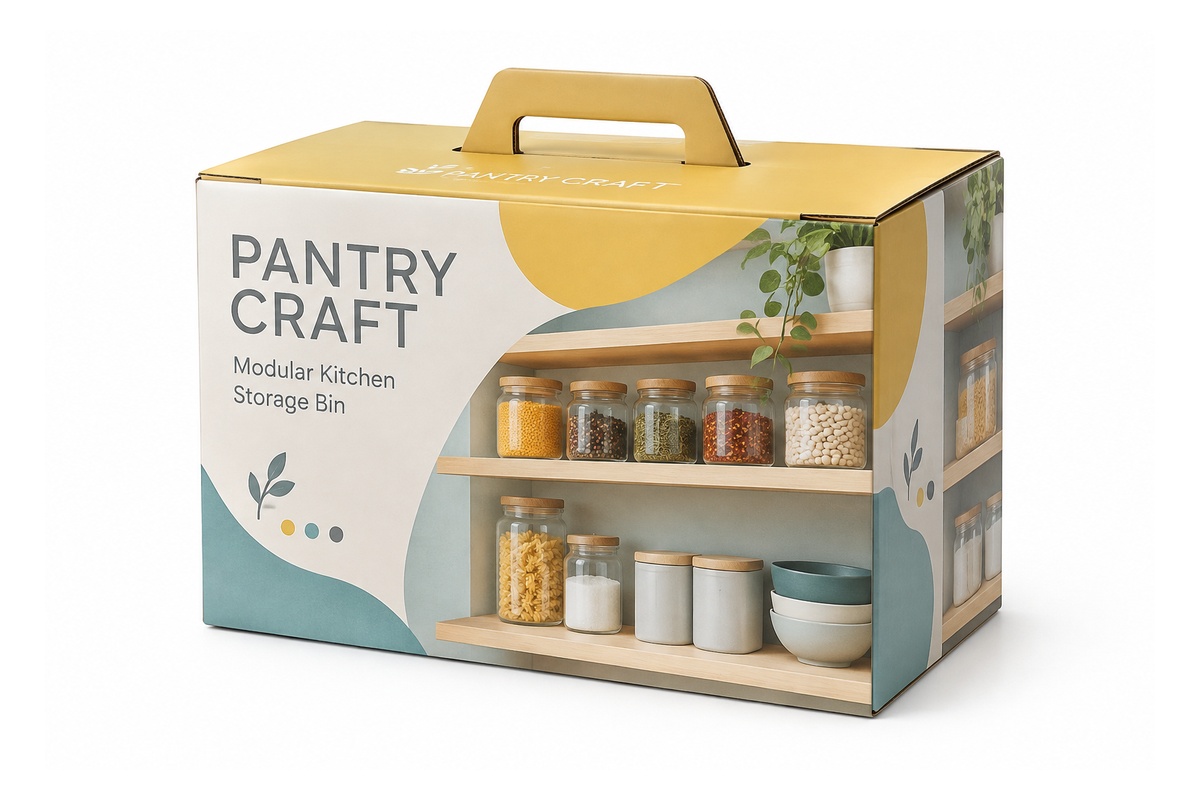
A versatile corrugated carton featuring a flush fold-down carry handle and contemporary pantry prints for modular kitchen organizers.
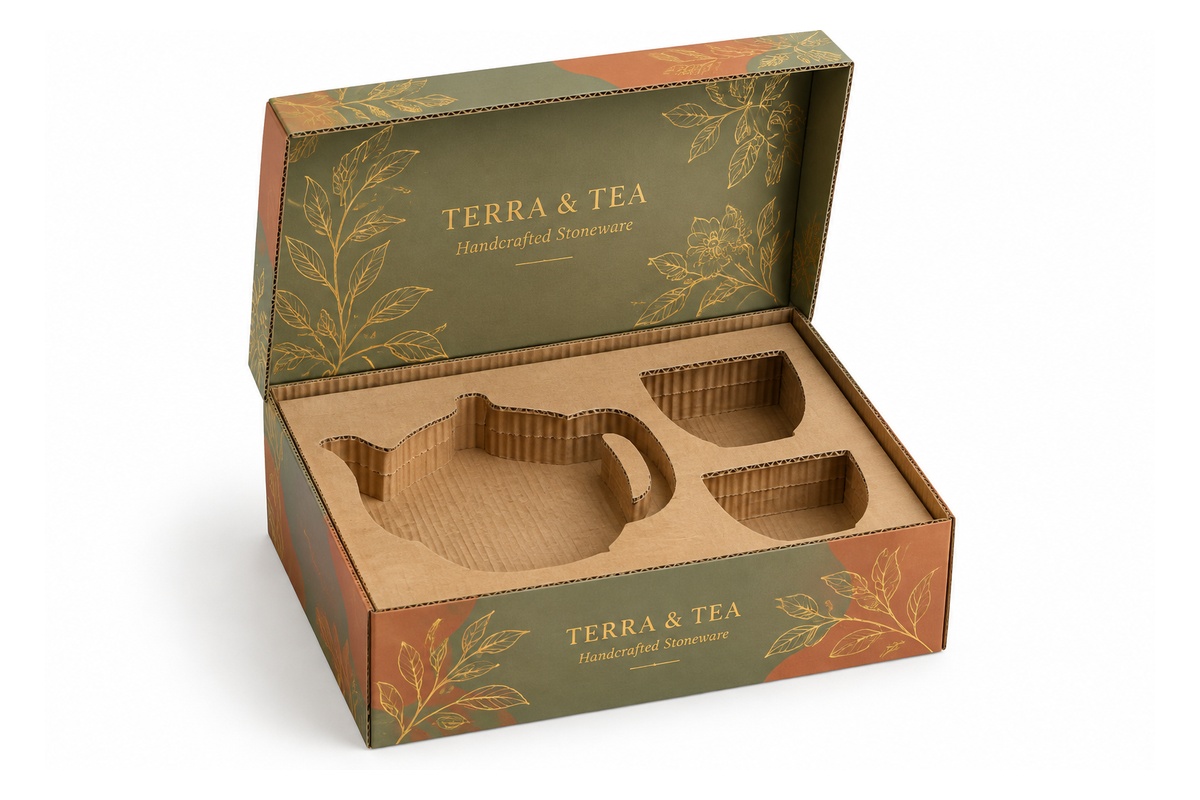
A luxury hinged-lid micro-corrugated presentation box with shockproof die-cut partition insert and botanical gold foil line art for artisan teapots.
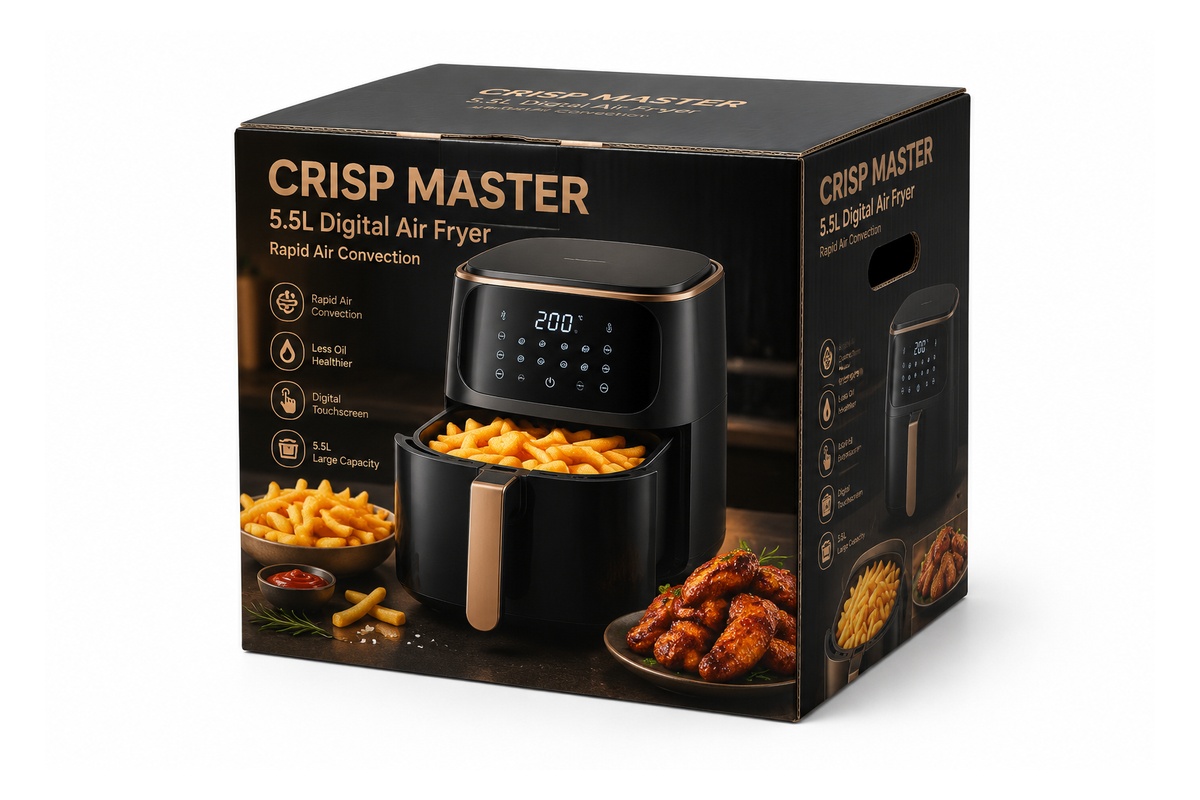
A heavy-duty litho-laminated corrugated master carton featuring high-gloss culinary photography and drop-tested shock protection for air fryers.
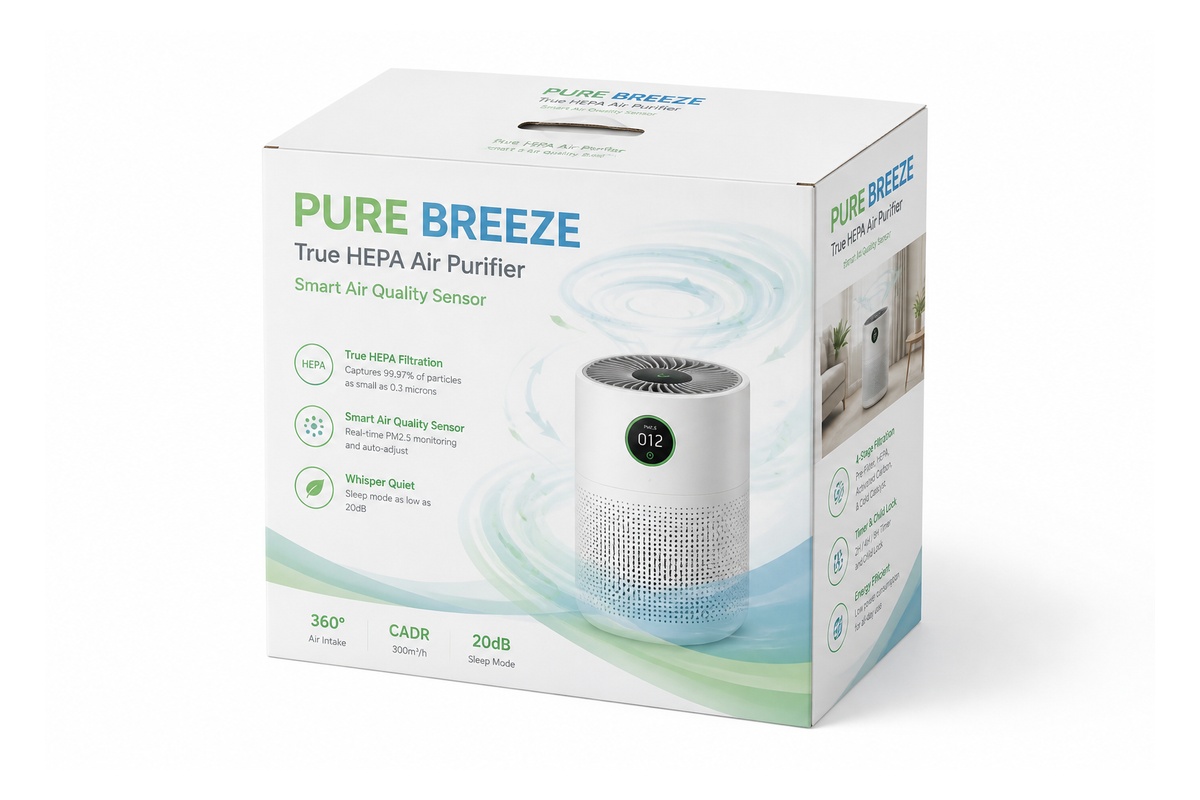
A tall double-wall corrugated appliance box with an integrated flush fold-down carry handle and airflow diagram graphics for HEPA air purifiers.
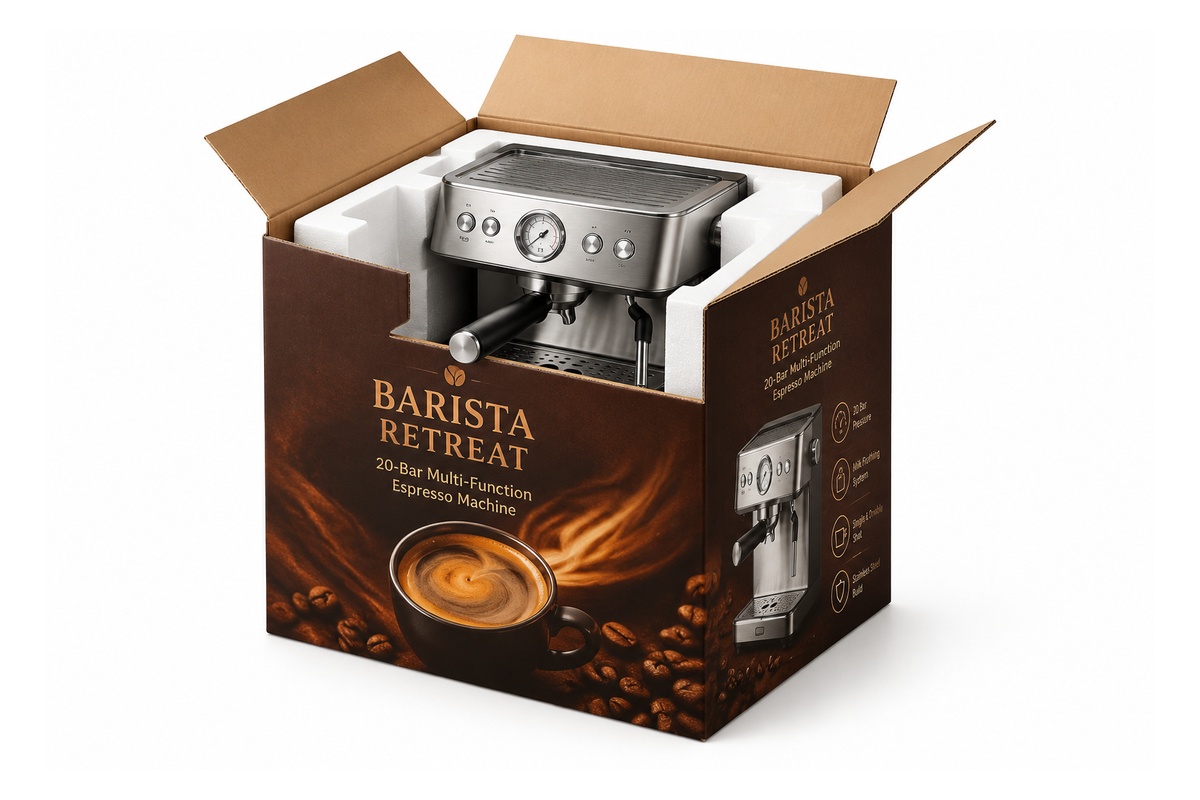
A premium micro-flute appliance master carton fitted with contoured shock-absorbing pulp trays for stainless-steel espresso machines.
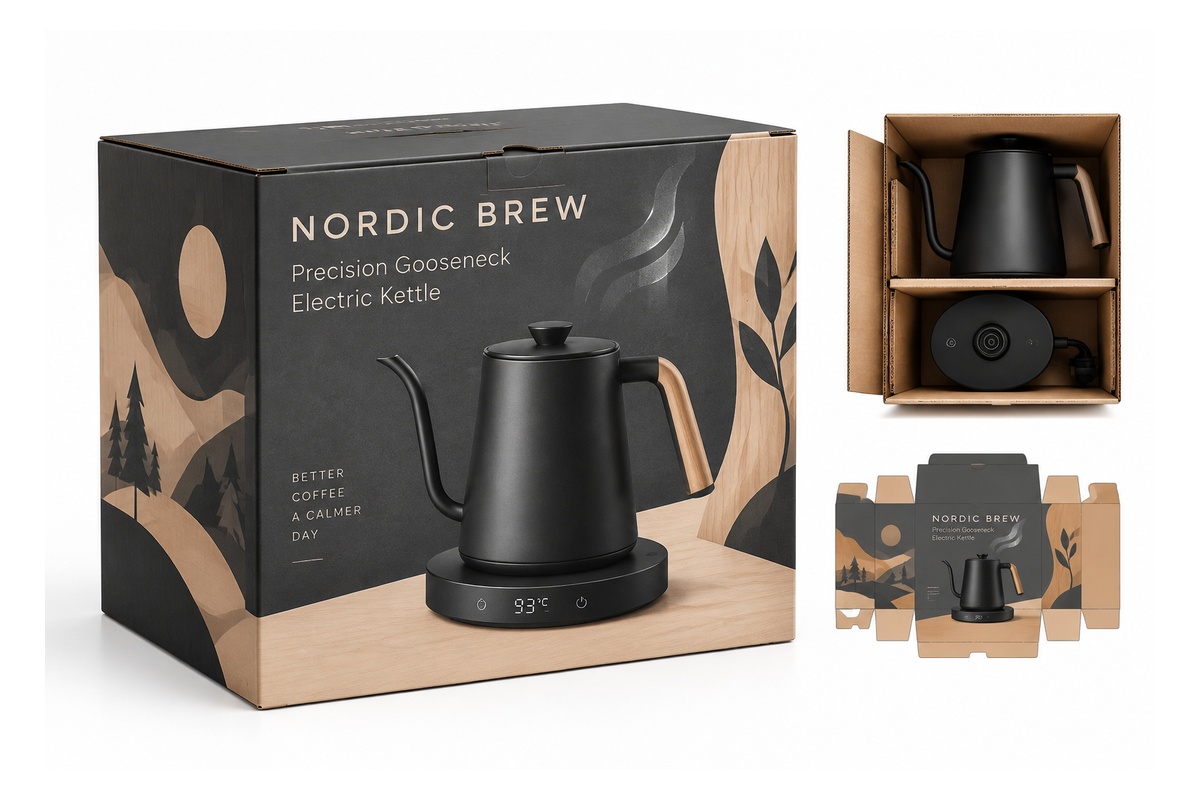
A dual-compartment micro-corrugated appliance box with internal partition isolating gooseneck kettles from digital heating base plates.
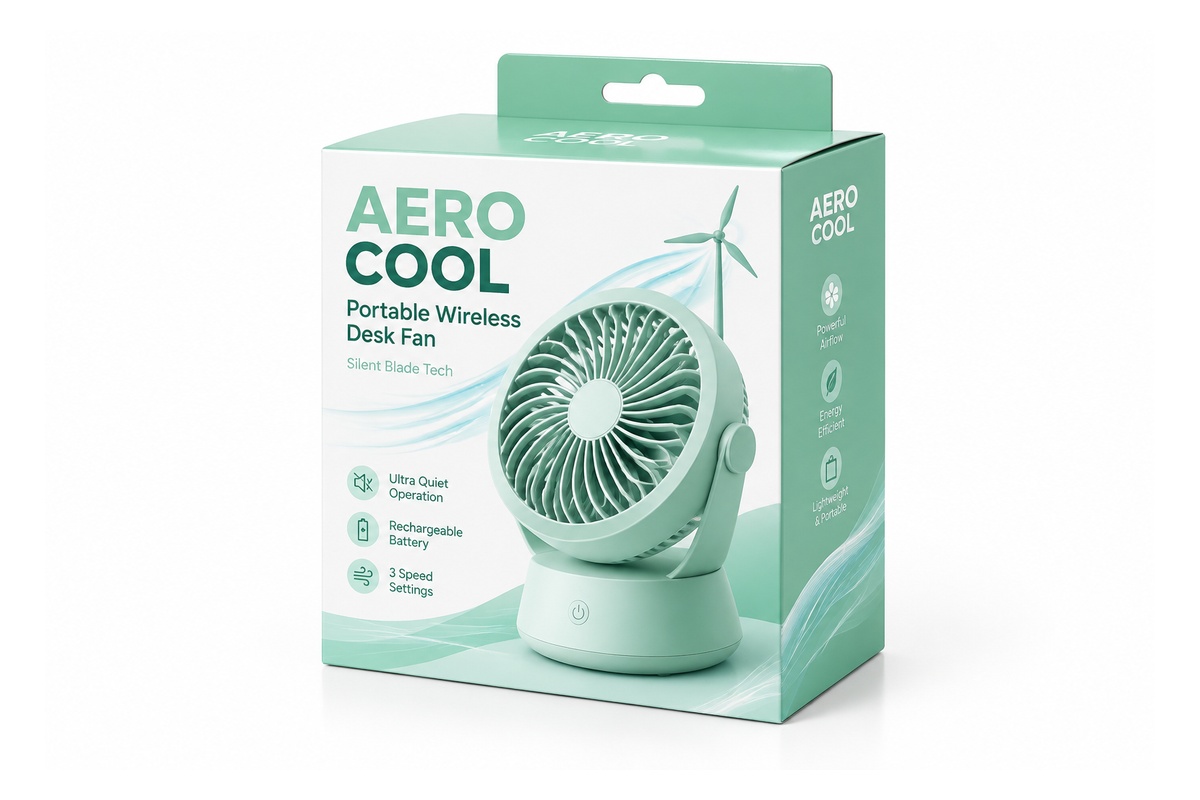
A compact micro E-corrugated retail carton featuring aerodynamic wind graphics, high-gloss UV sheen, and auto-bottom base for portable fans.
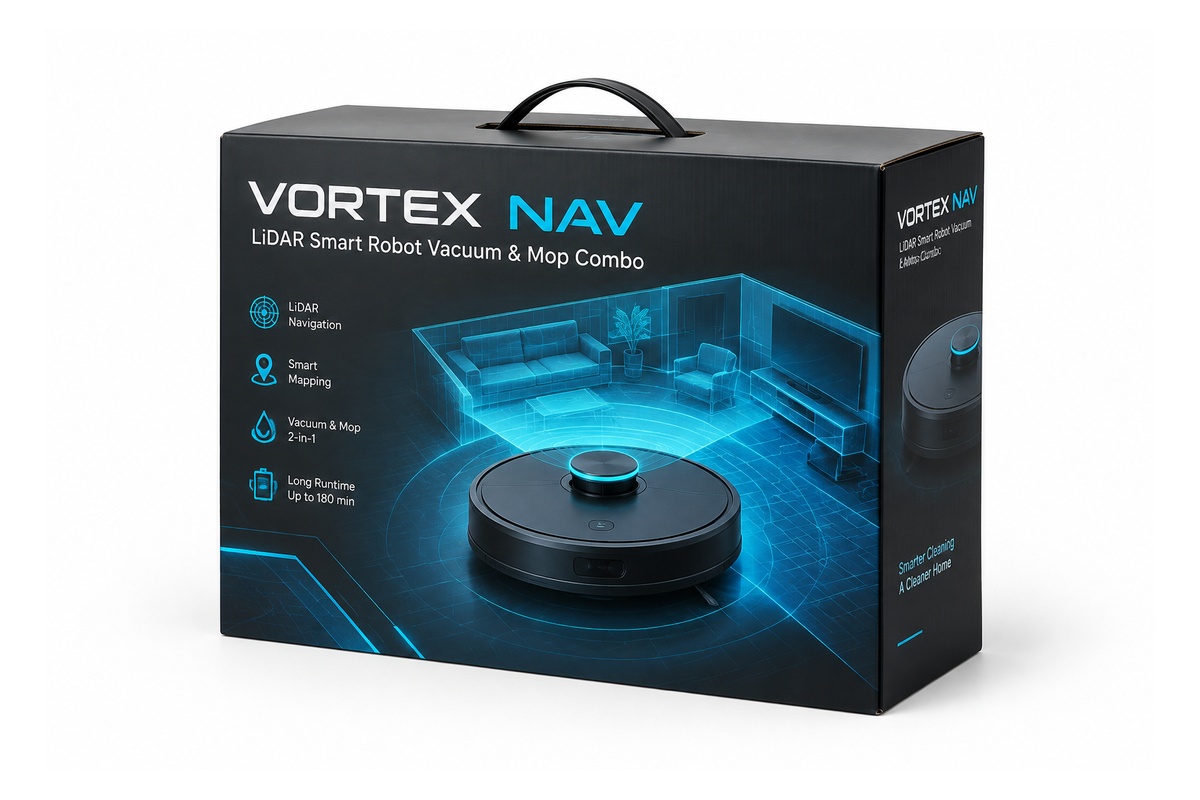
A slim large-format flat corrugated shipping case with recessed plastic handle and tech LiDAR graphics for smart robotic vacuums.
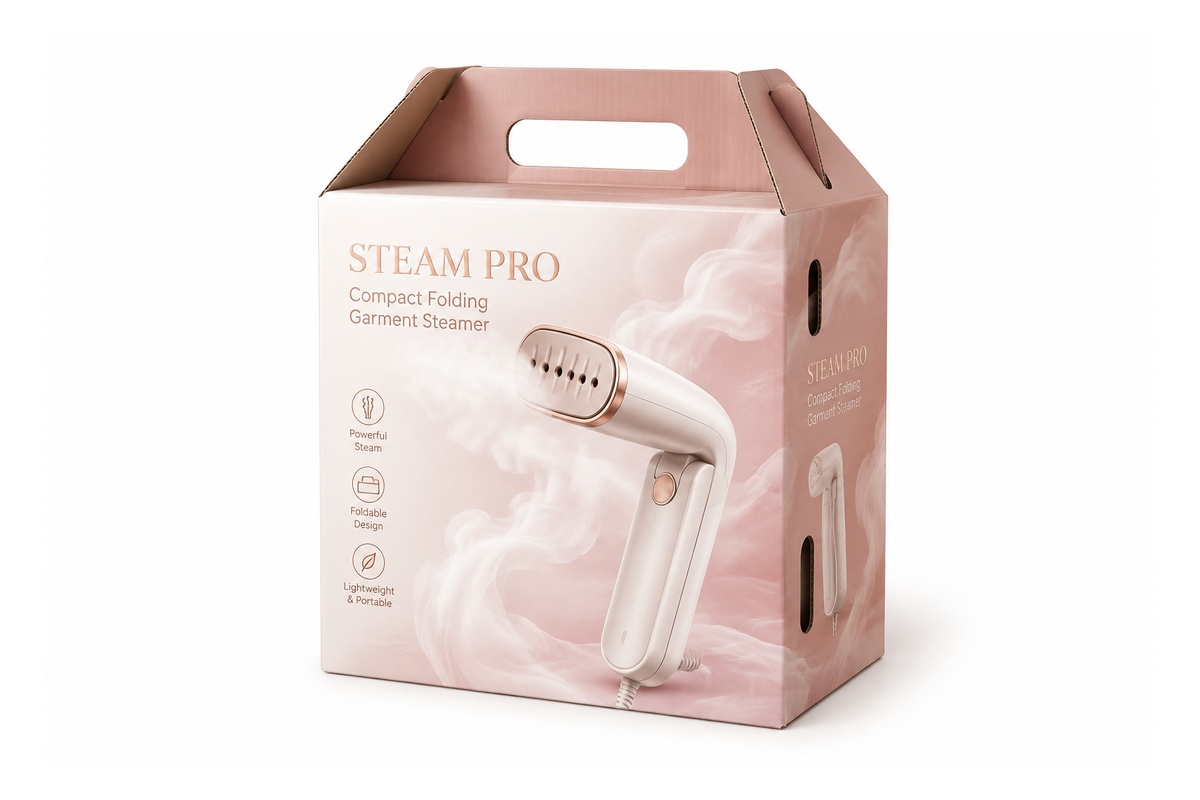
A chic pitched gable-top corrugated carry box featuring soft steam graphics, rose-gold foil, and integrated handle for folding garment steamers.
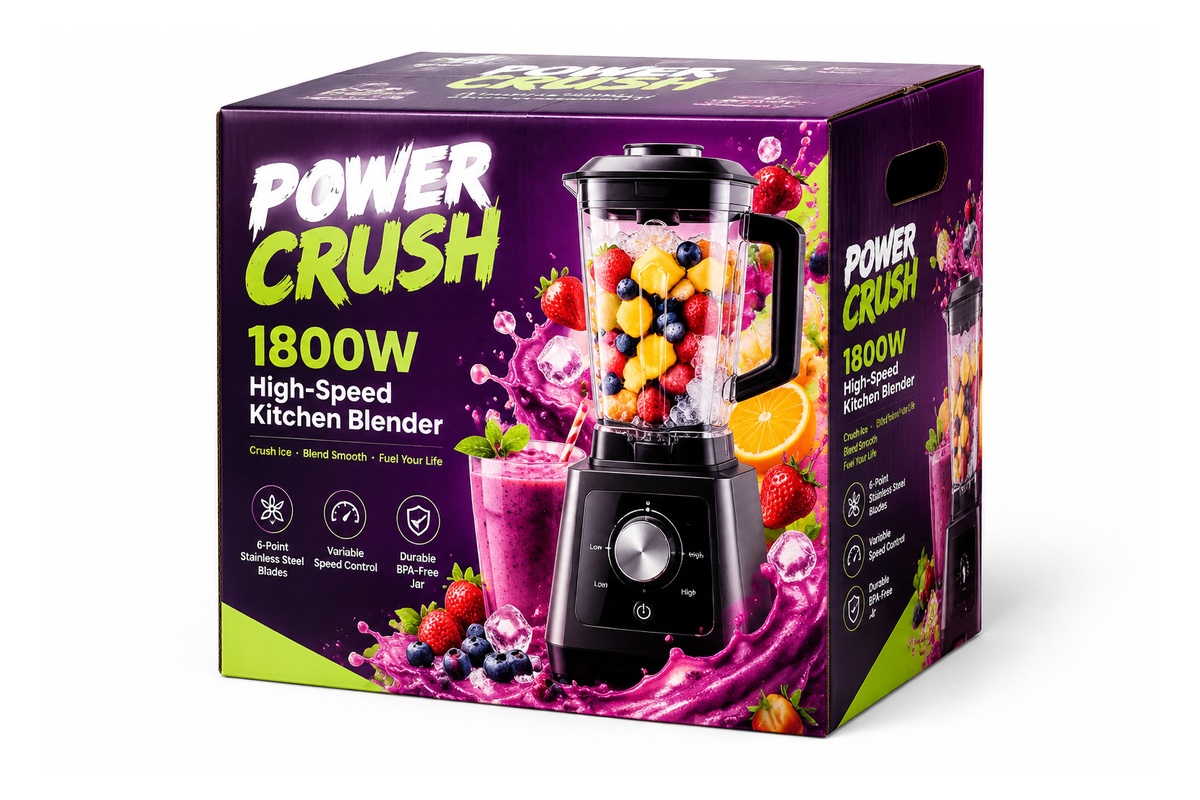
A rugged 5-ply double-wall corrugated master carton with reinforced corner columns, dual side handles, and splash graphics for high-speed blenders.
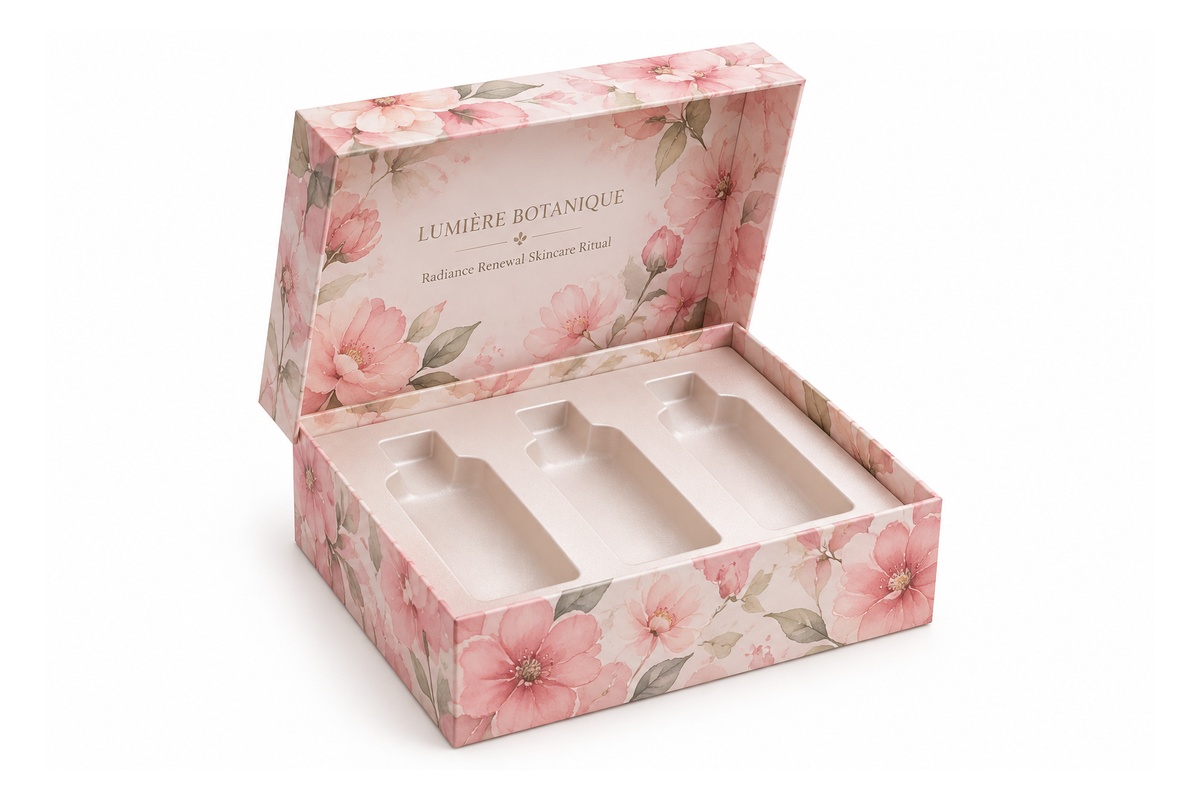
A luxury micro-corrugated hinged-lid presentation box with contoured pearlescent tray for toner, serum, and cream bottles.
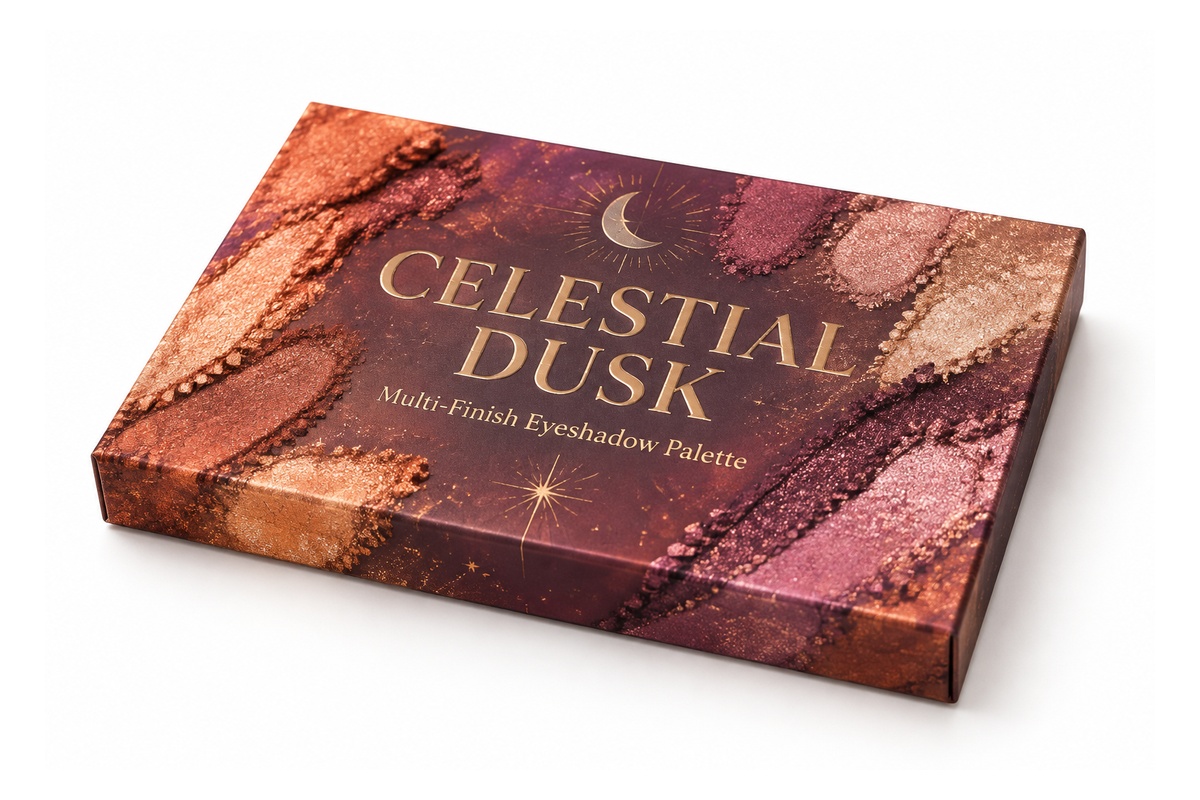
A slim micro-corrugated folding carton with multi-finish foil embossing and crush-resistant edges for 12-shade eyeshadow palettes.
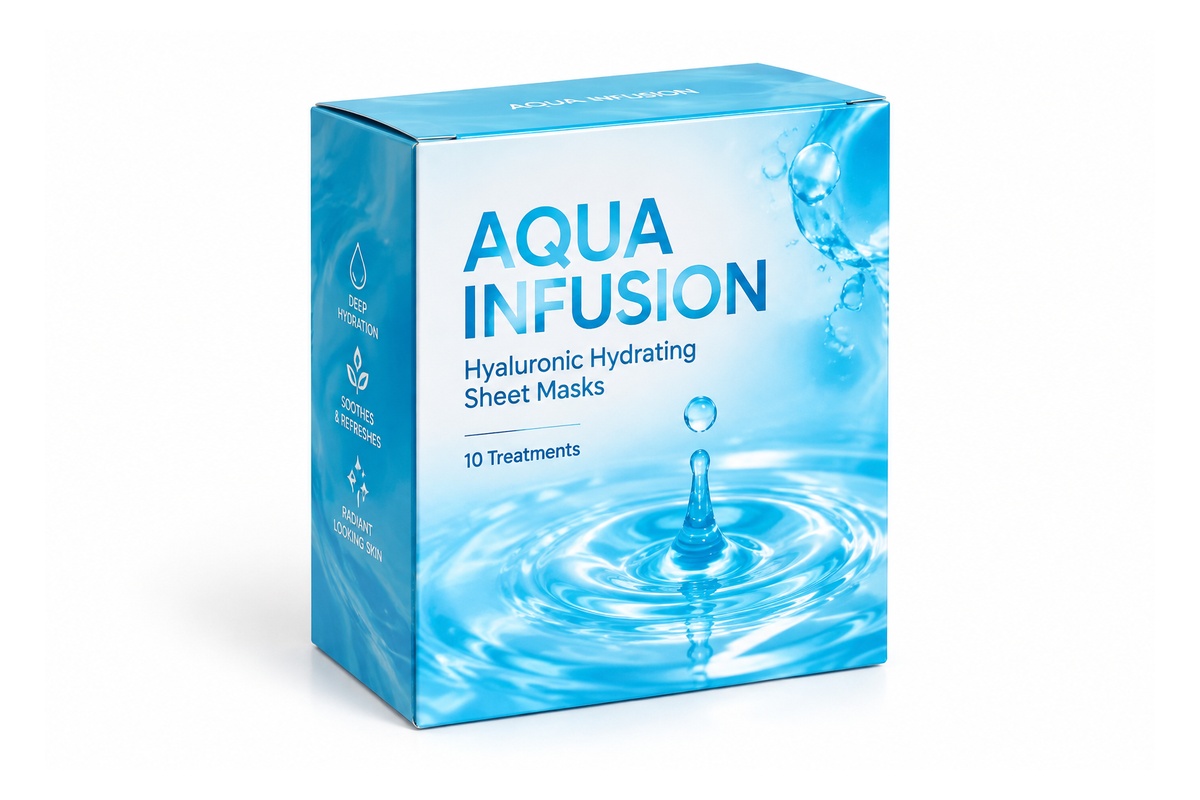
A fast-assembling auto-bottom crash lock micro-flute carton designed for 10-pack facial sheet mask sachets.
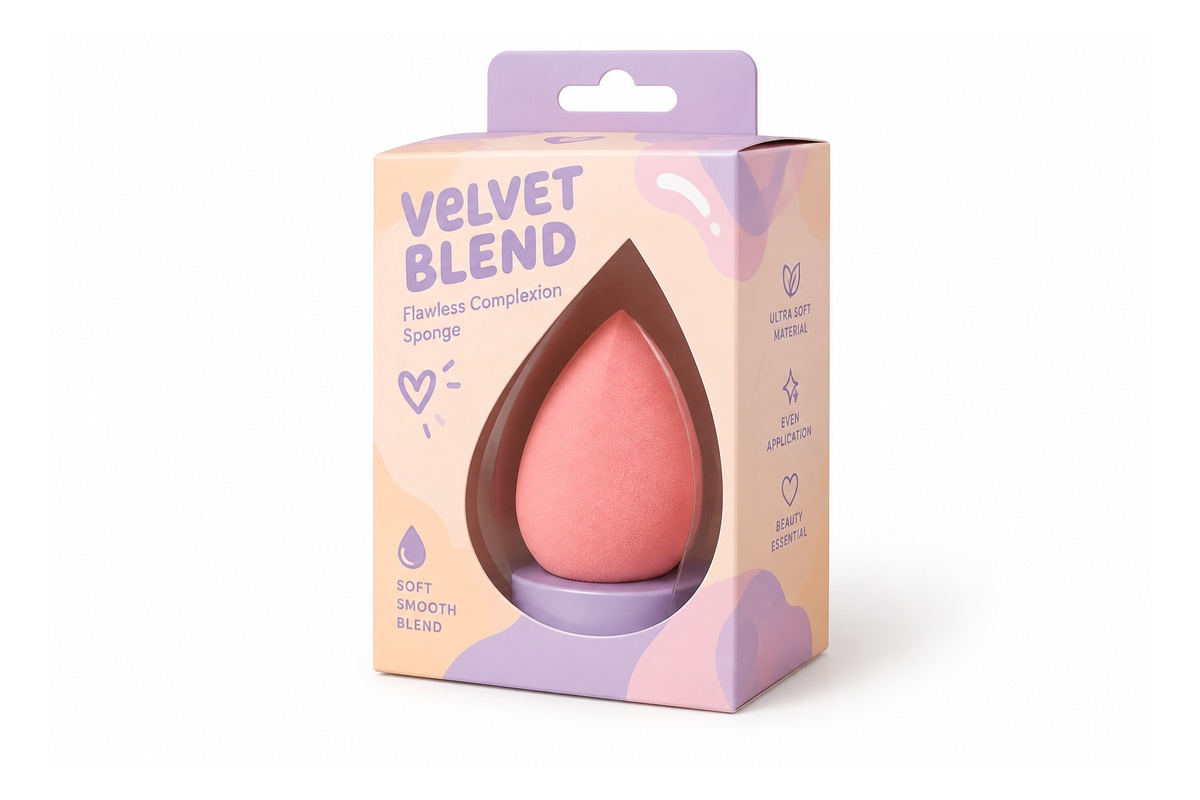
A charming micro-corrugated gift carton with a teardrop clear window and hanging tab for makeup blending sponges.
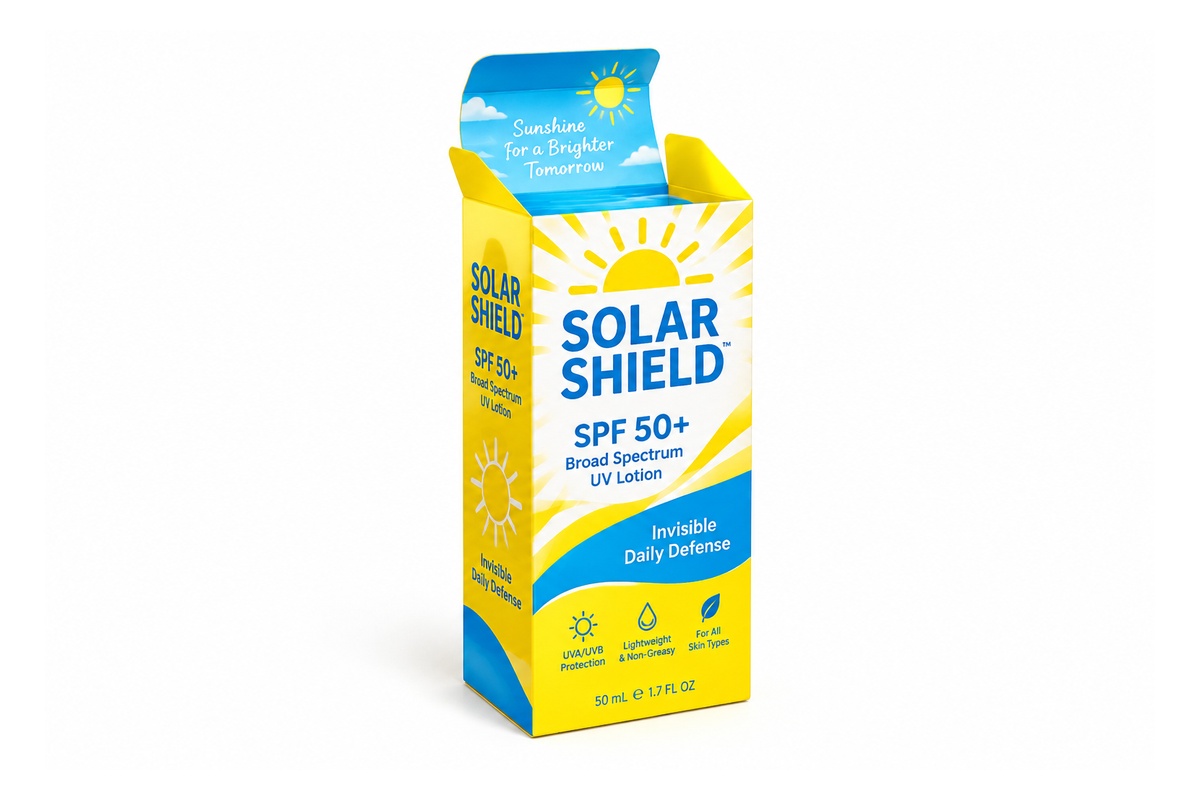
A slender micro-corrugated folding box with vivid dual-side printing and locking tabs for daily UV sunscreen tubes.
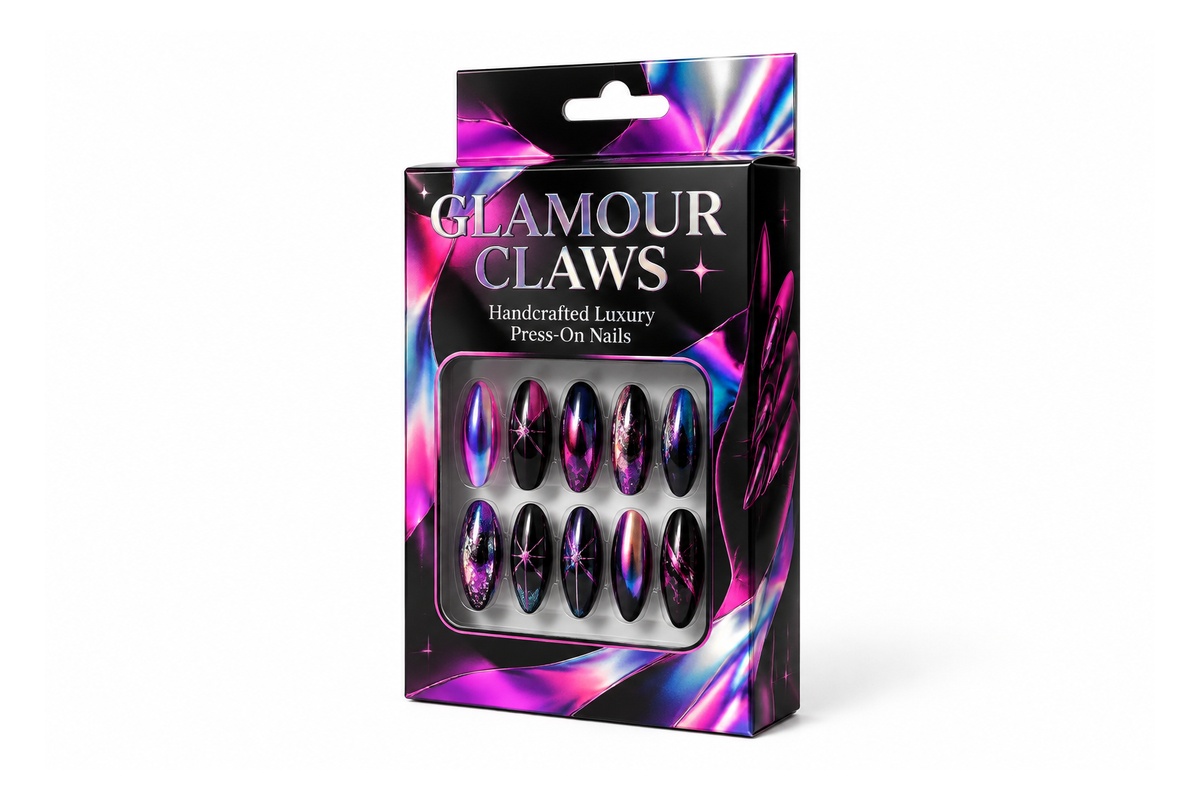
A slim retail hanging corrugated carton with euro-slot peg hook and clear window for press-on nails and faux lashes.
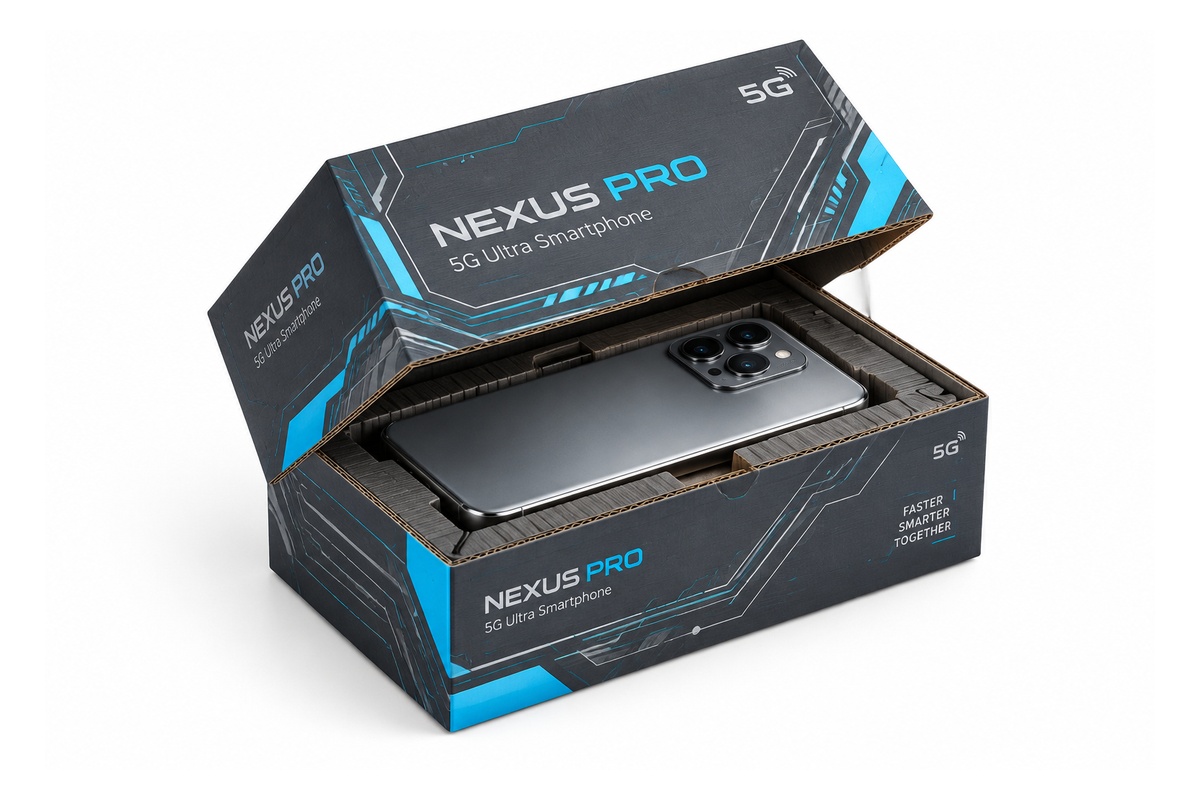
An engineered shockproof micro-corrugated telescoping box with die-cut corrugated buffer tray and cyber-tech graphics for flagship 5G smartphones.
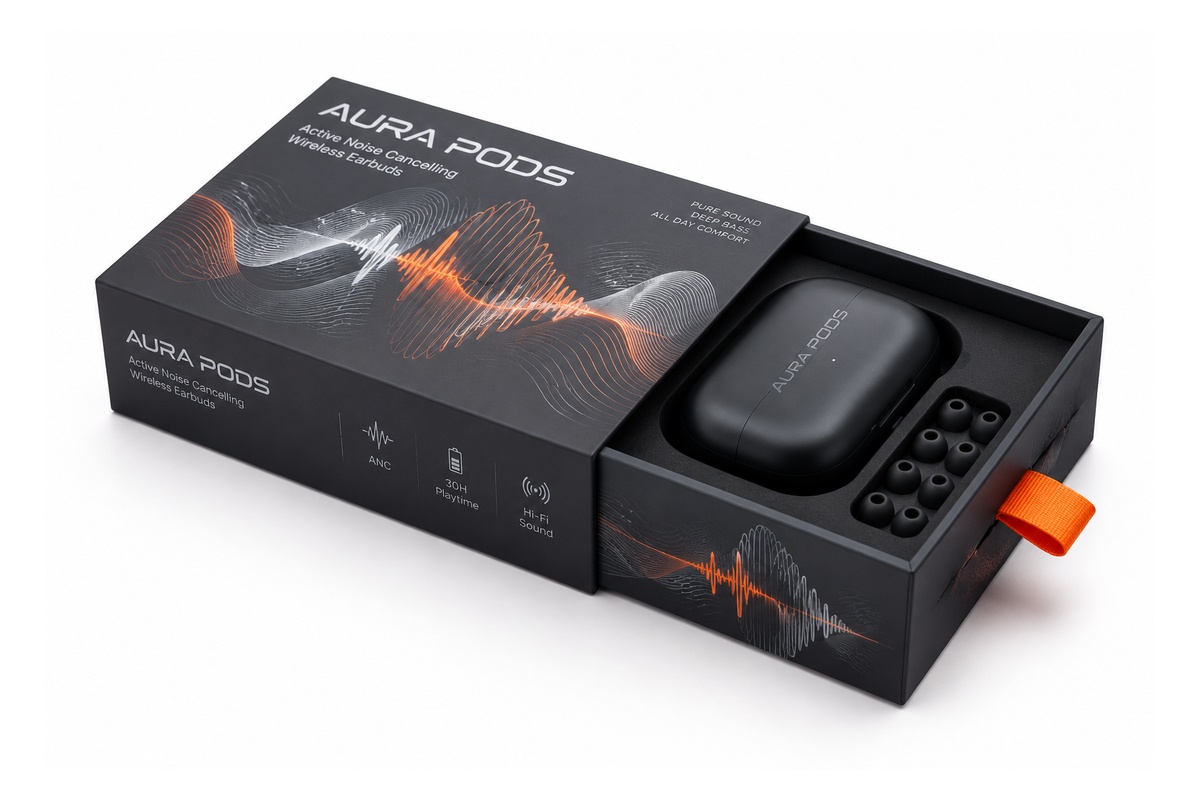
A compact sliding drawer micro-corrugated box with ribbon pull tab and precision insert for TWS noise-cancelling earbuds.
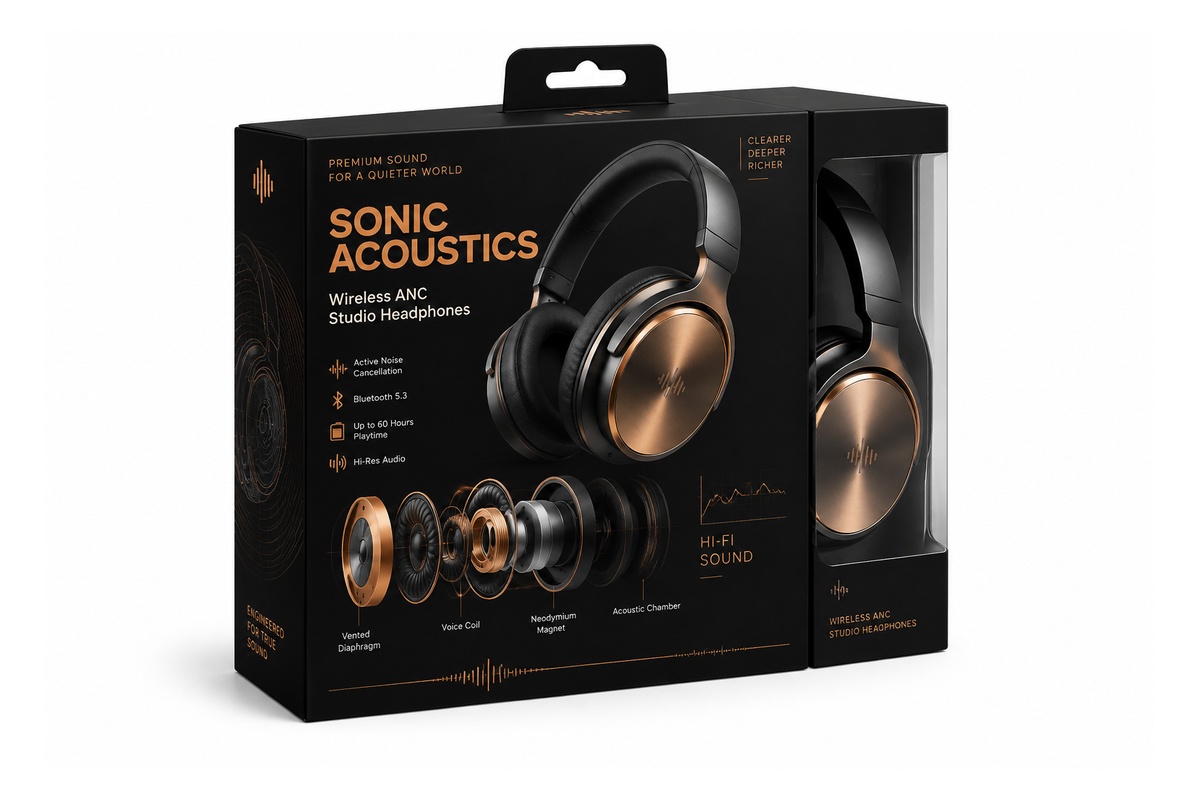
A premium micro-corrugated retail showcase carton with integrated fold-flat handle and clear window for over-ear ANC headphones.
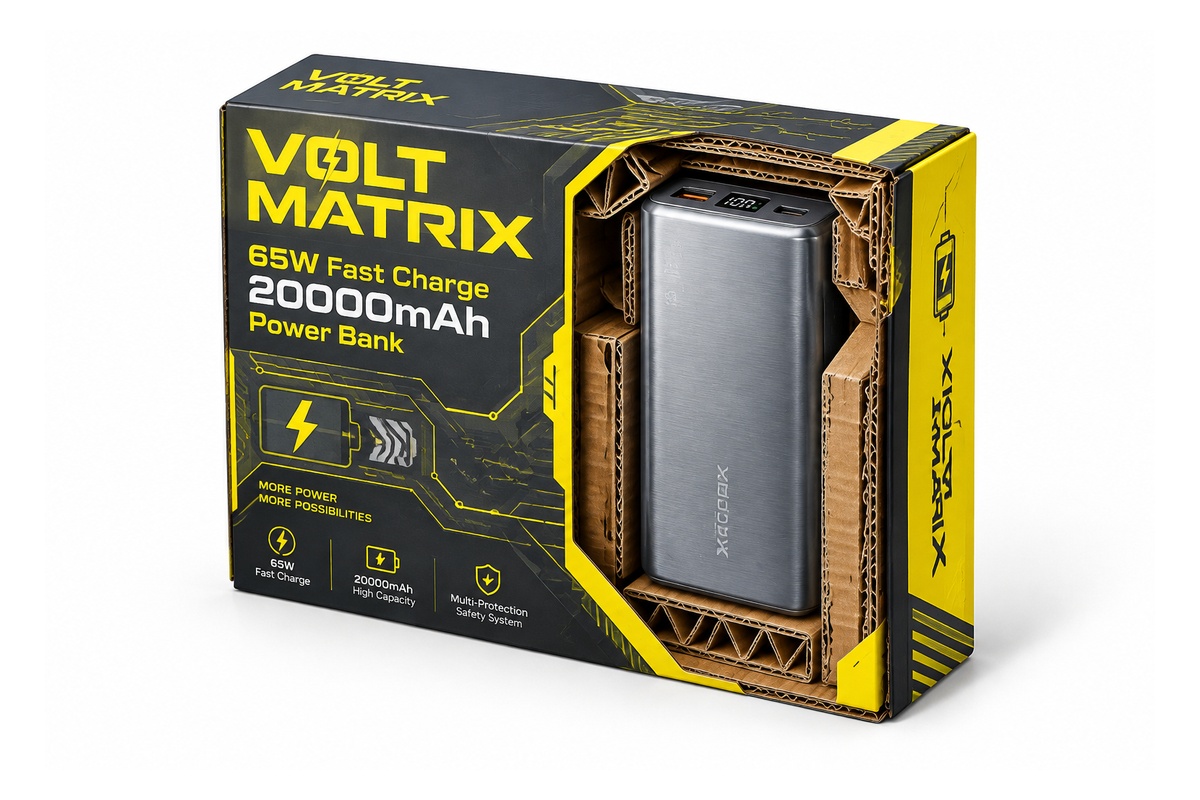
A heavy-duty micro-corrugated retail display carton with double-thickness bumpers and internal shock-absorbing cradle for 20000mAh power banks.
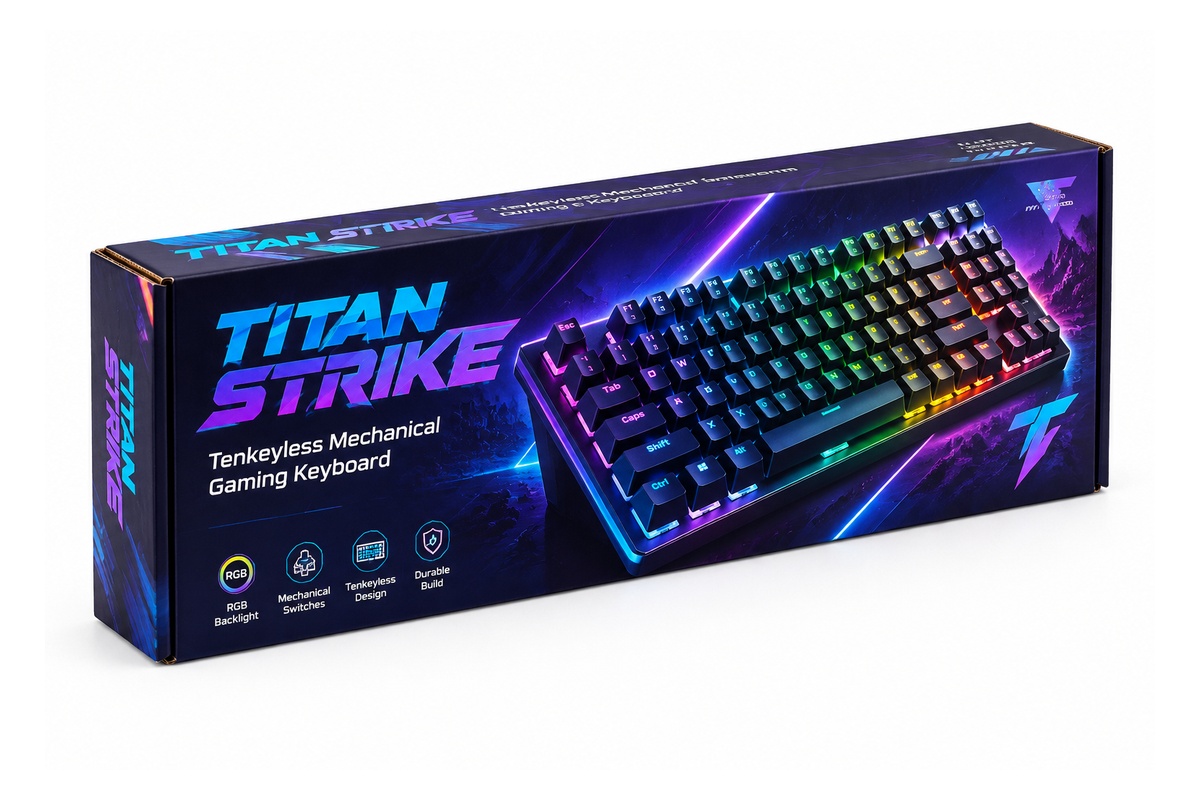
A long slender micro-corrugated folding carton with tuck closure and dust flaps for RGB mechanical gaming keyboards.
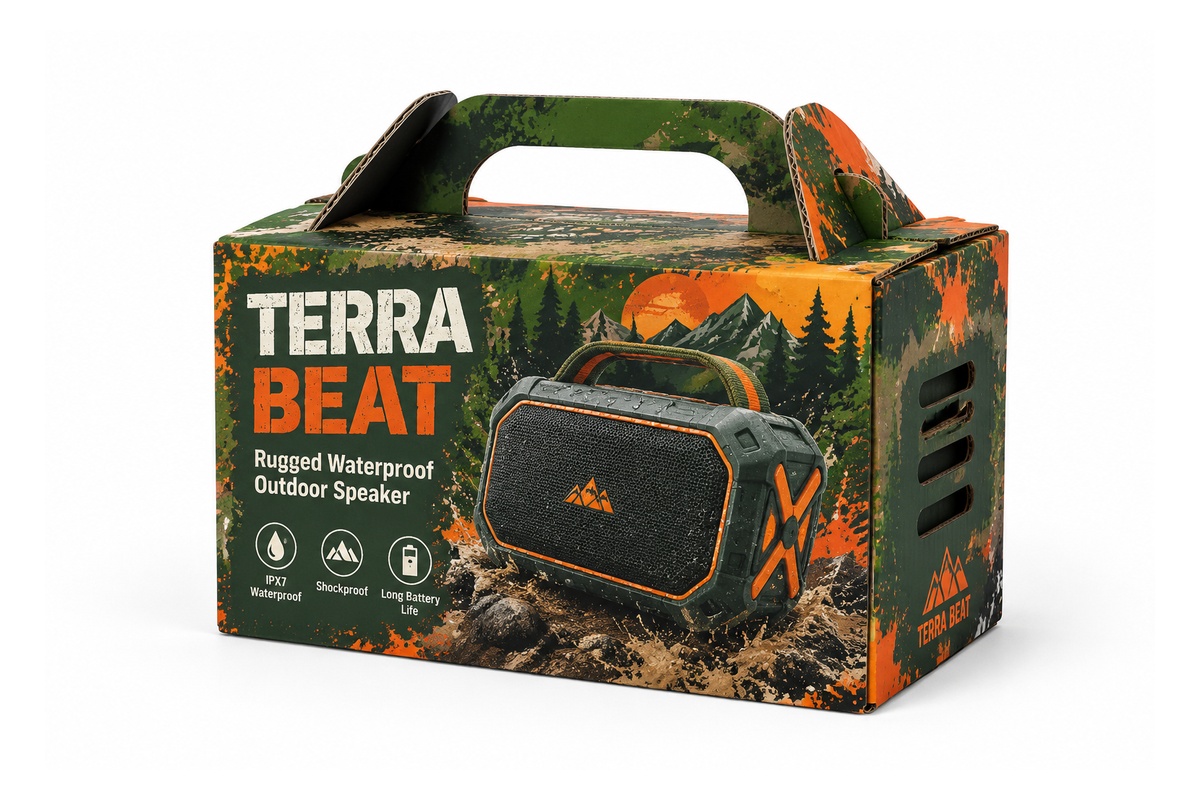
A heavy-duty corrugated carry carton with integrated reinforced arch handle and buffer inserts for rugged outdoor Bluetooth speakers.
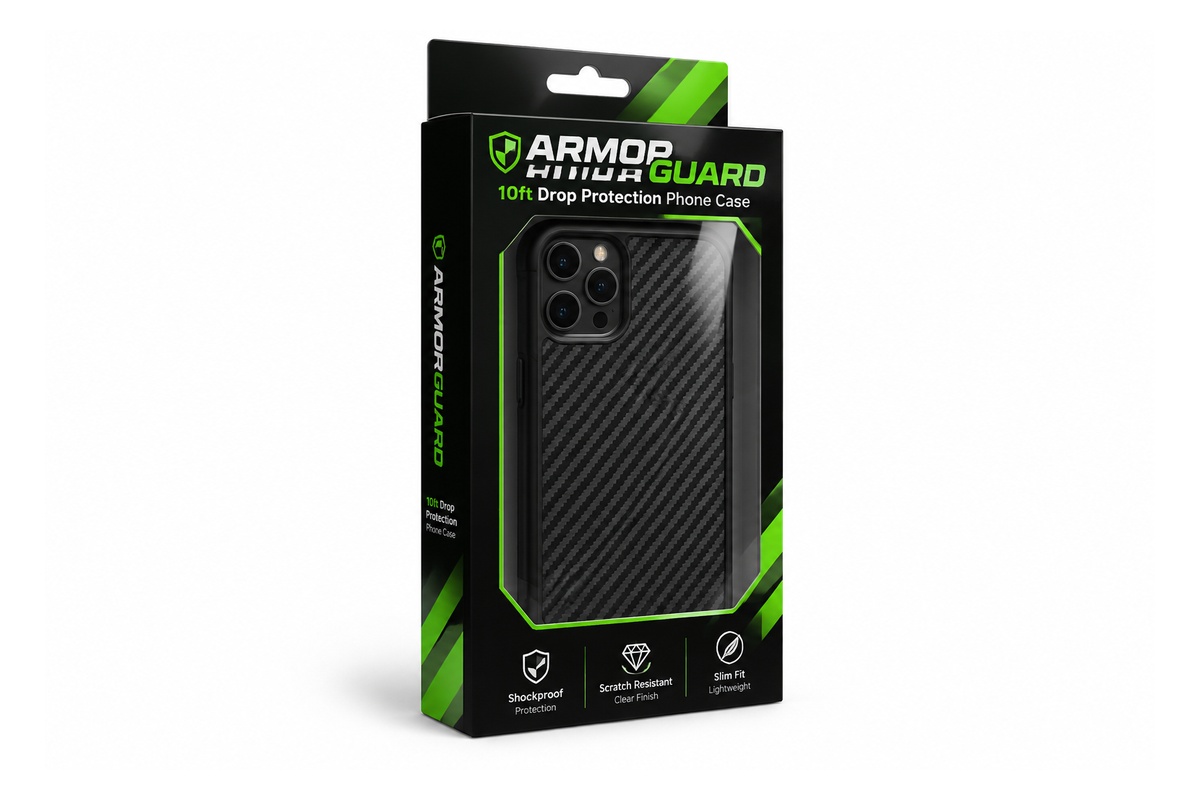
A slender micro-corrugated retail hanging box with auto-lock bottom, euro-slot hook, and clear window for shockproof phone cases.
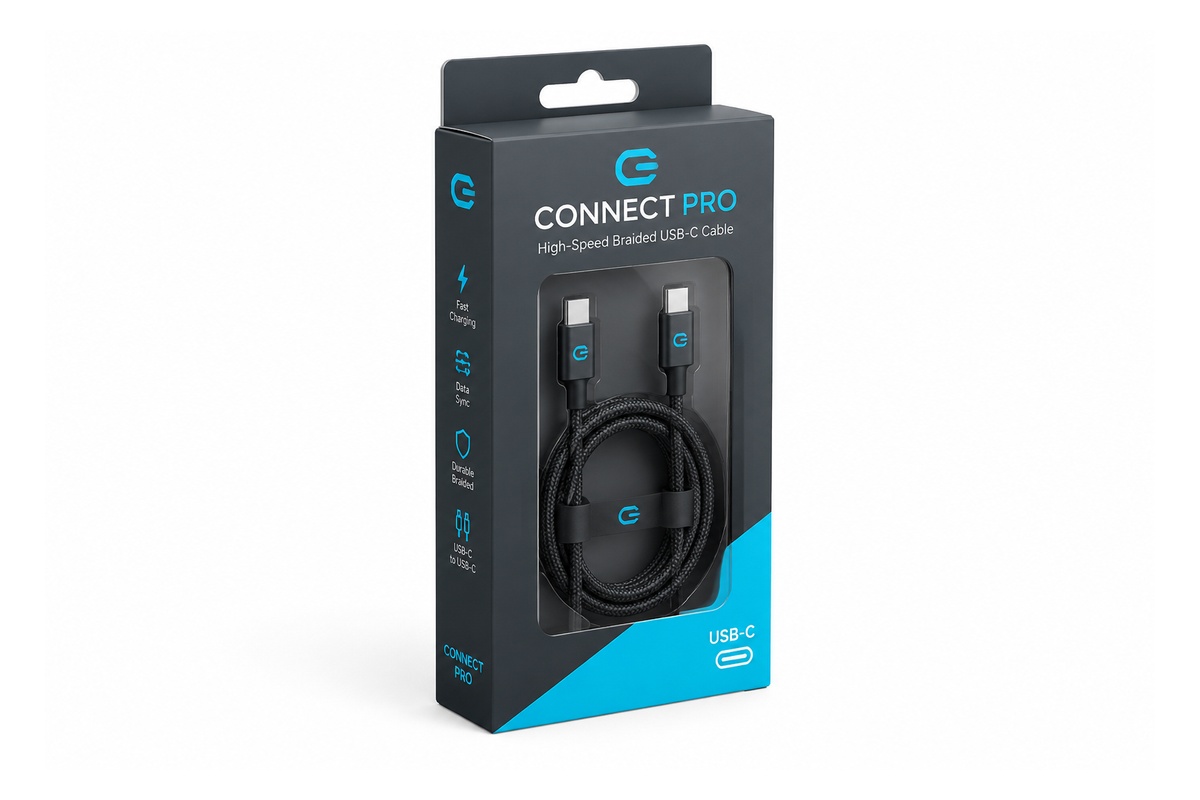
A slim micro-corrugated retail hanging box with reinforced euro-slot header and clear PET display window.
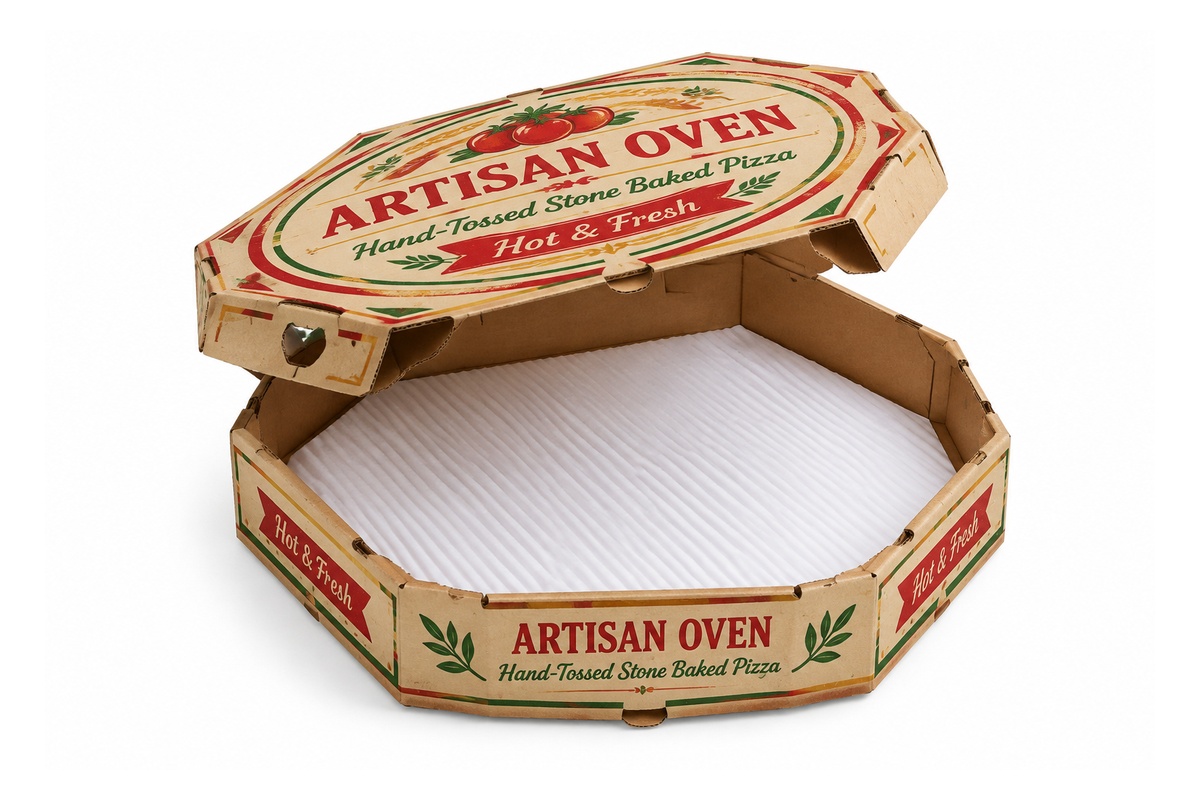
An octagonal micro-corrugated takeaway pizza carton with steam release vents and heat-retaining fluted liner for artisan pizzas.
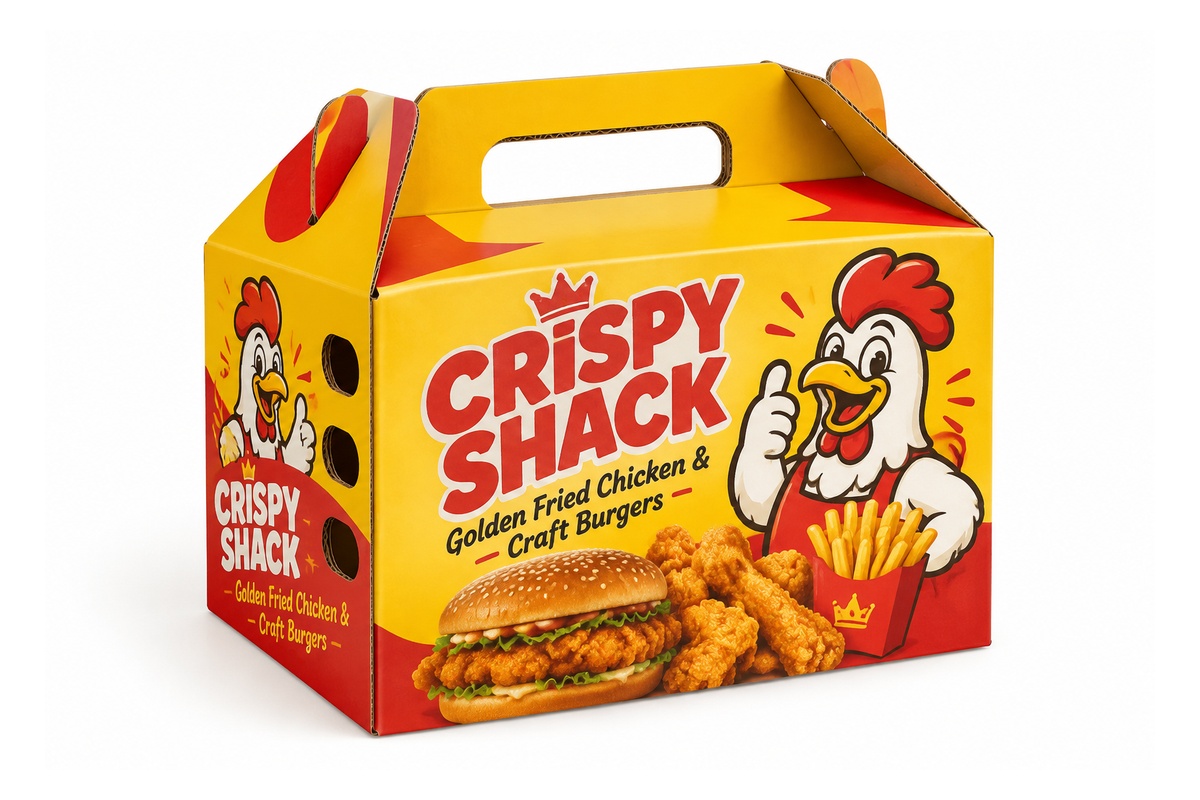
A rapid-setup corrugated carry carton with integrated top handle and side vents for burger and fried chicken combo meals.
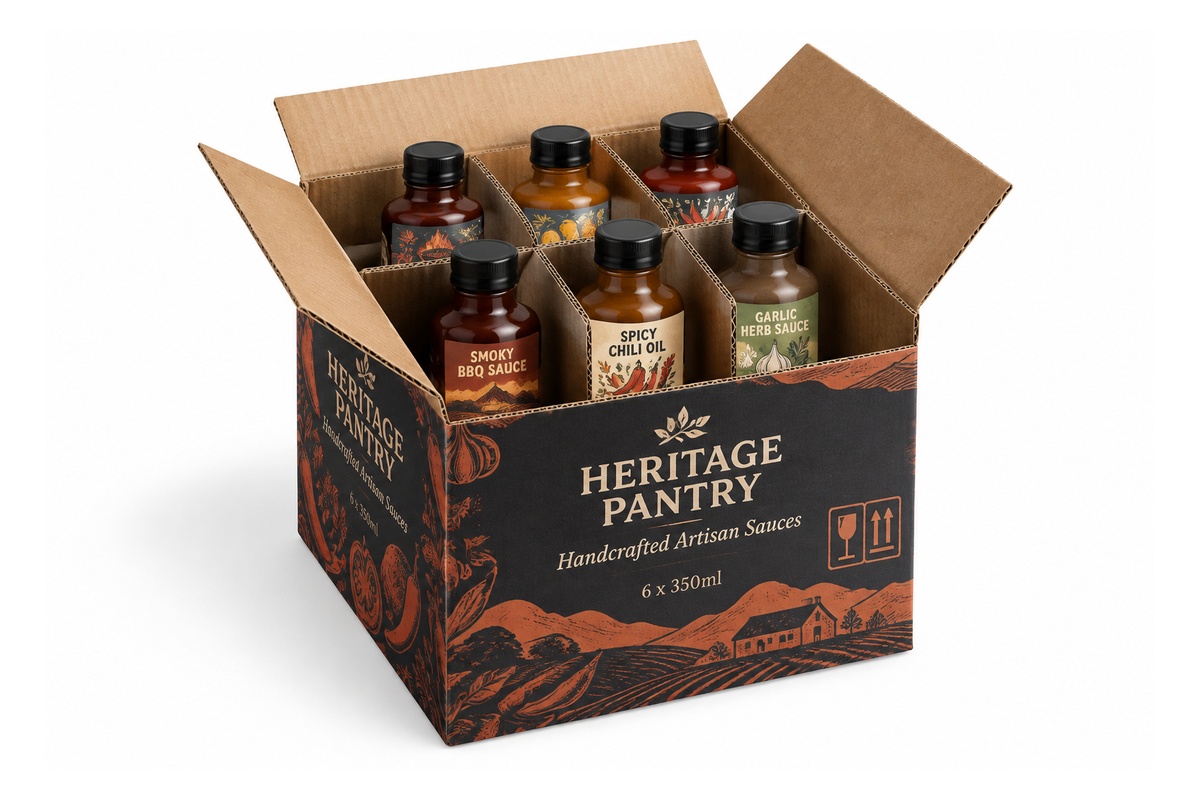
A heavy-duty double-wall corrugated shipping carton with 6-cell interlocking divider grid for glass sauce and syrup bottles.
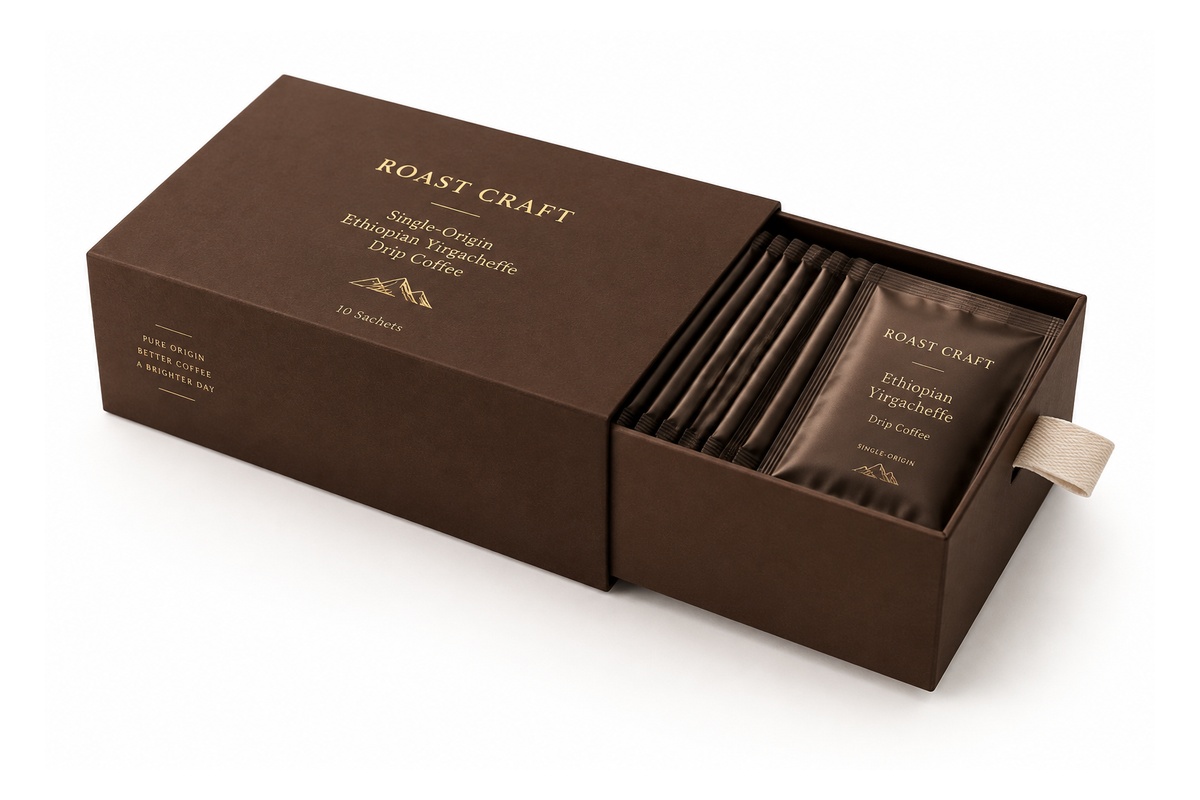
A luxury sliding drawer micro-flute box with cotton pull tab for 10-sachet single-origin drip coffee filter bags.
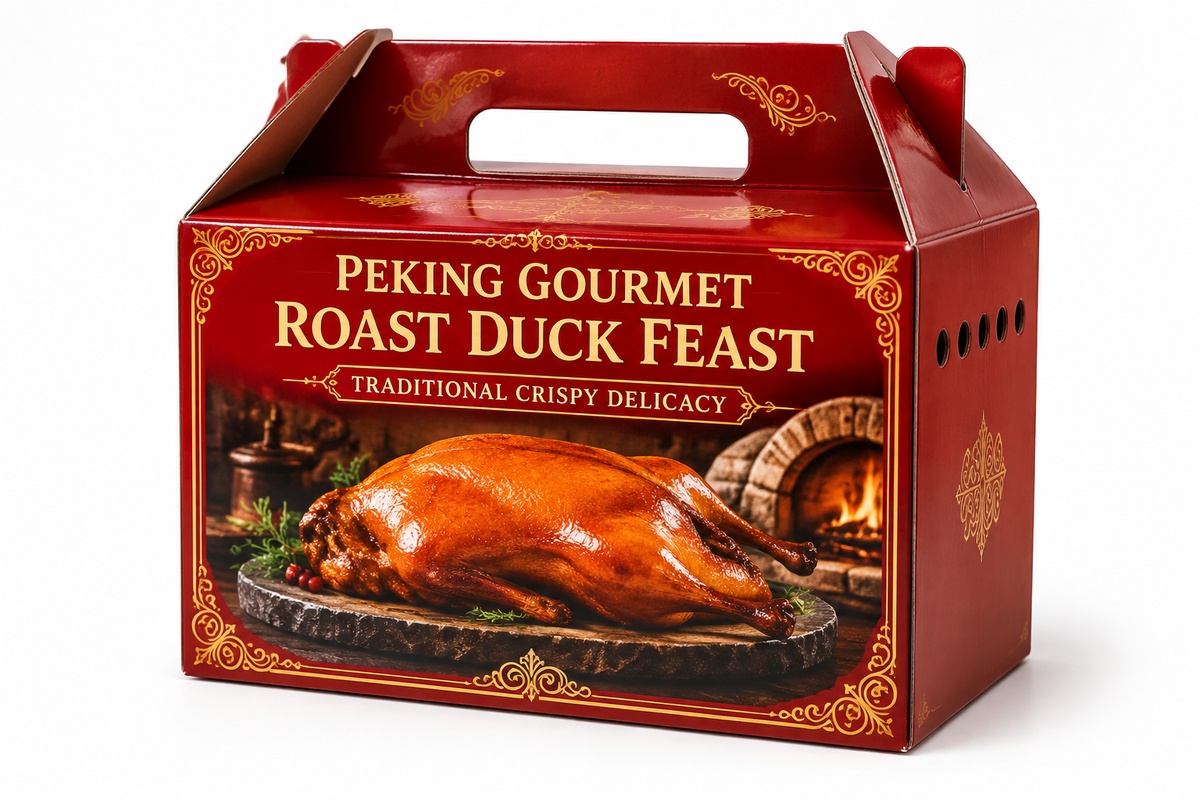
A premium heavy-duty corrugated carry carton with fold-up handle and steam vents for banquet roast duck and pancake sets.
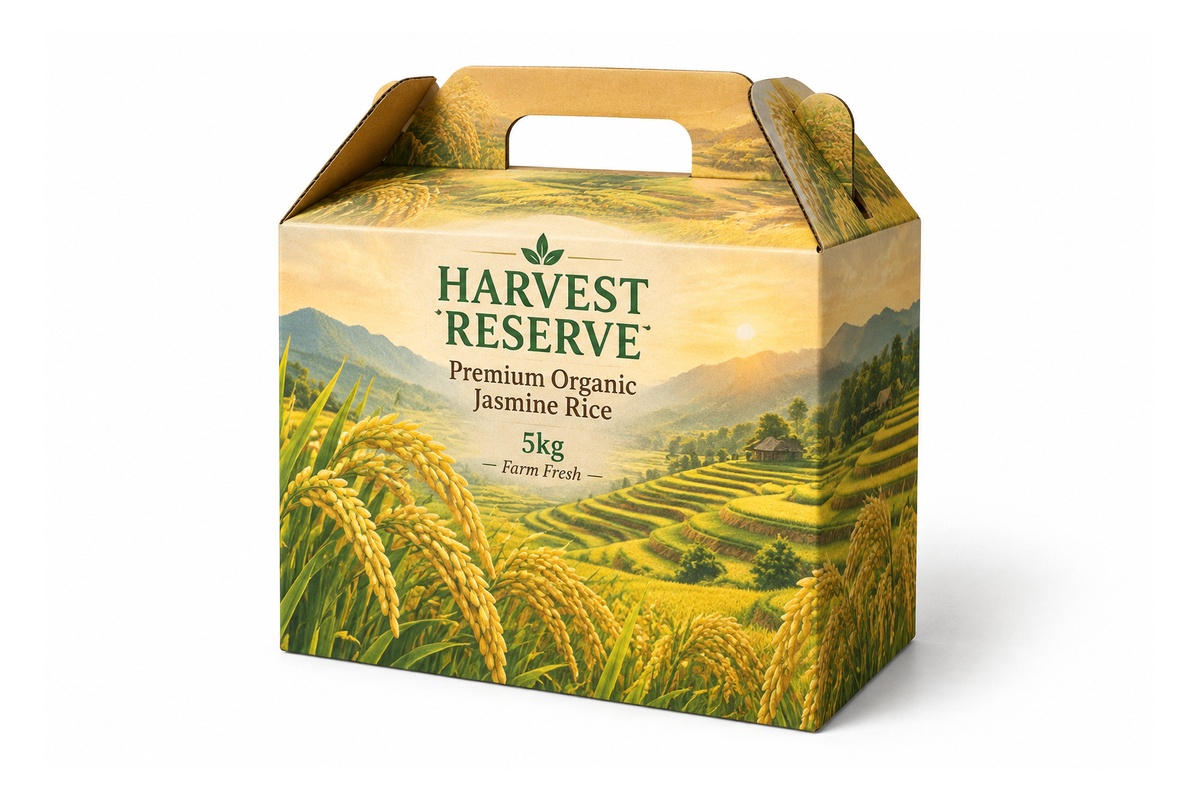
A heavy-duty B-flute gable carry box with integrated reinforced handle for 5kg vacuum-sealed organic rice bricks.
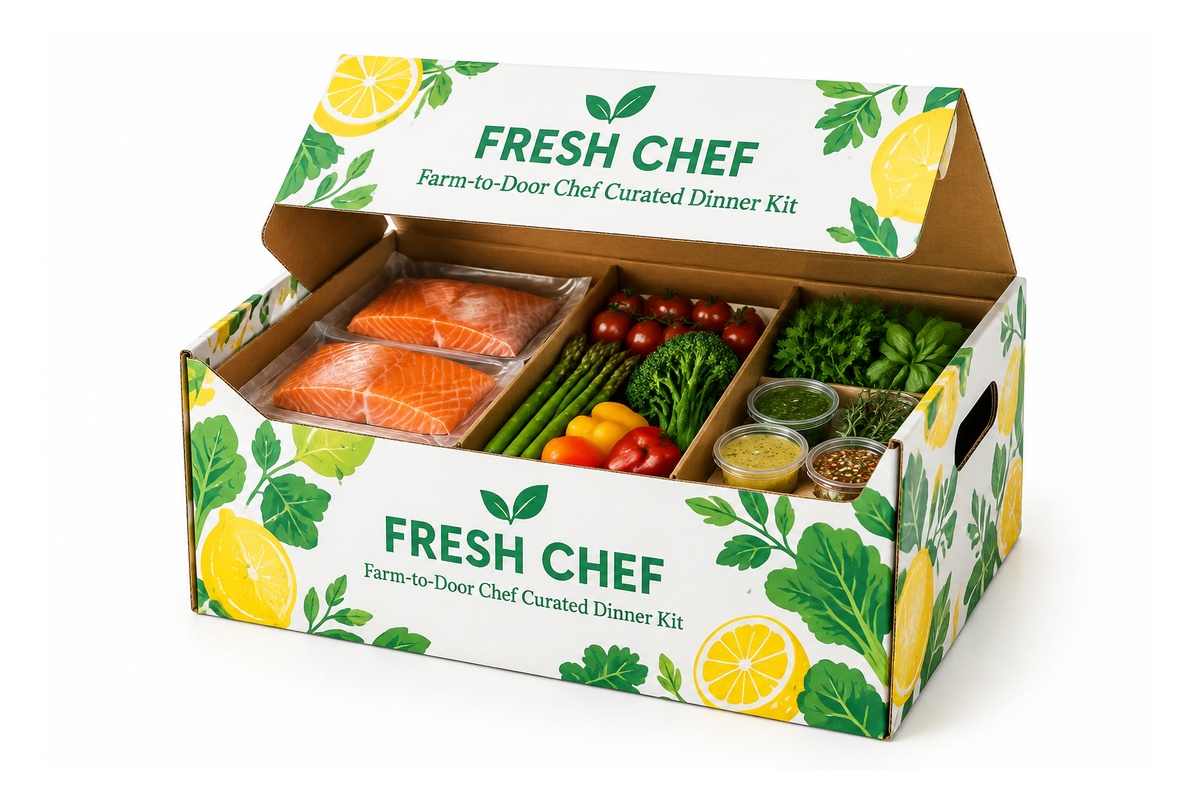
A cold-chain corrugated delivery shipper with modular divider inserts and hand holes for chef-curated fresh dinner kits.
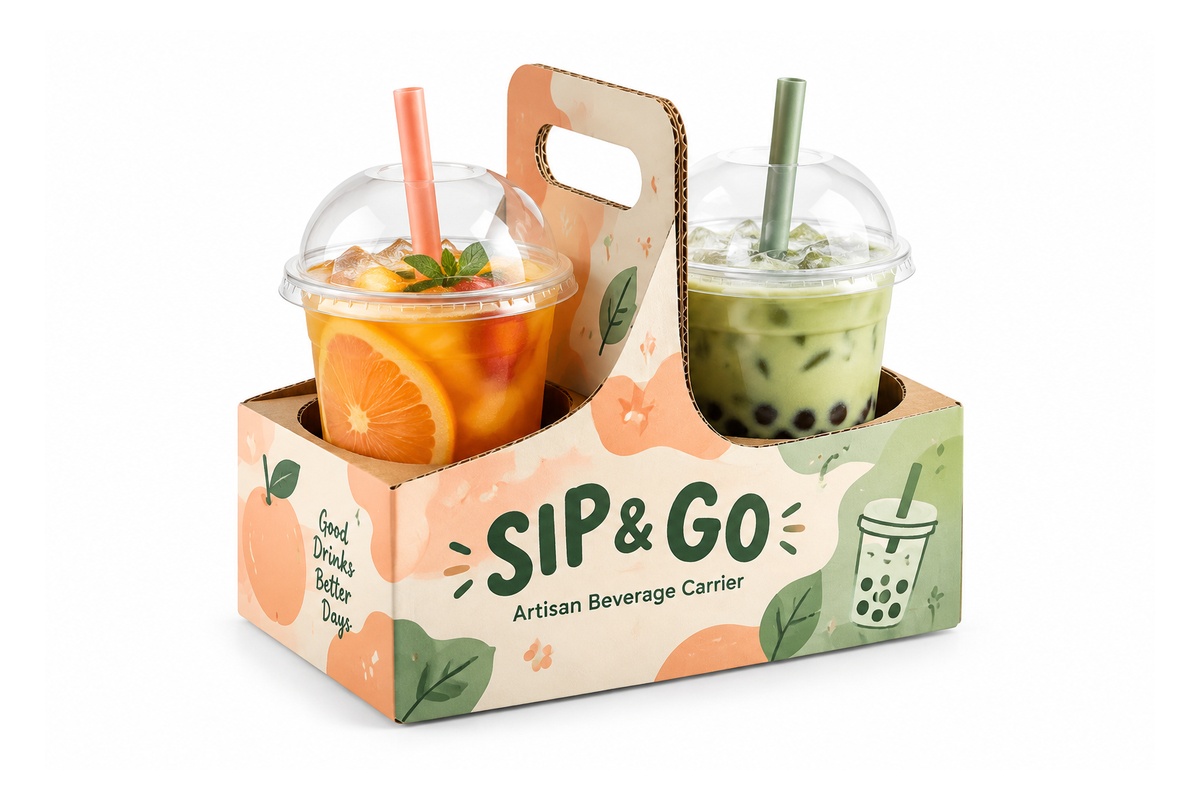
A foldable micro-corrugated twin-cup carrier caddy with central handle spine for takeaway iced coffee and boba milk tea.
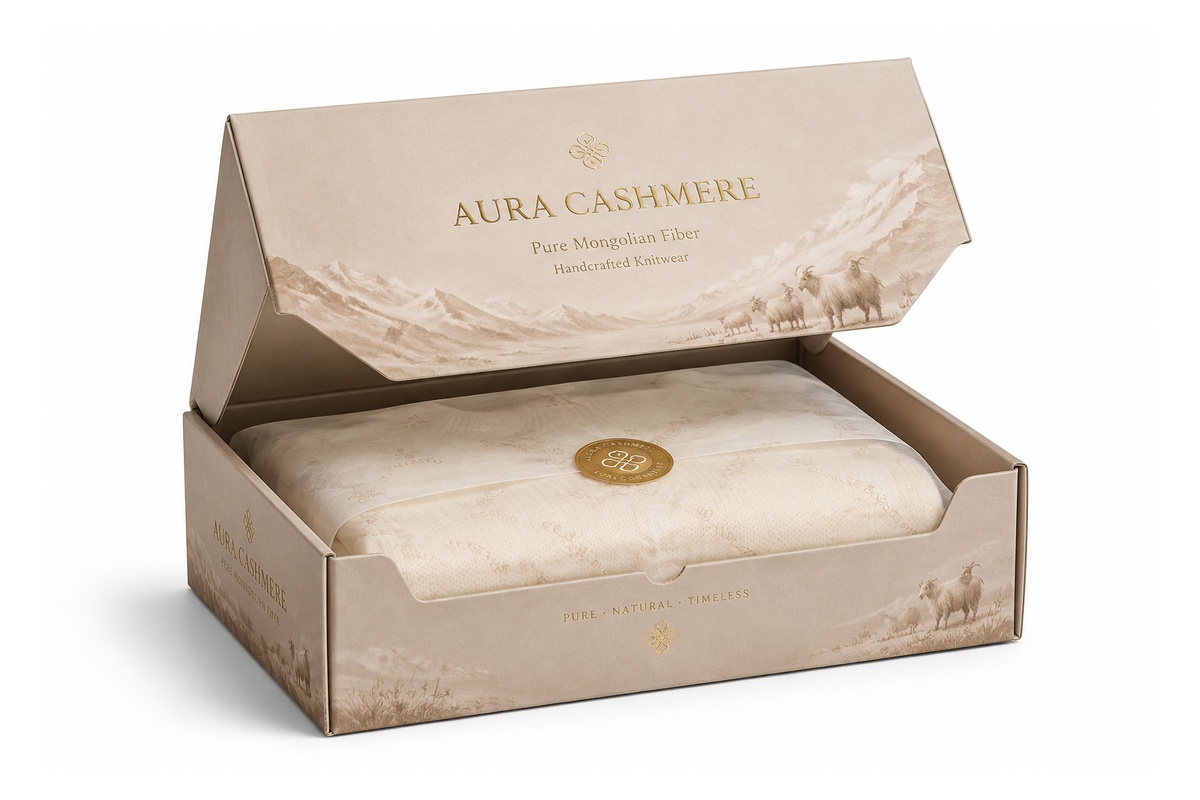
A luxury micro-corrugated roll-over apparel gift carton with double side flaps and gold wafer seal for pure cashmere knitwear.
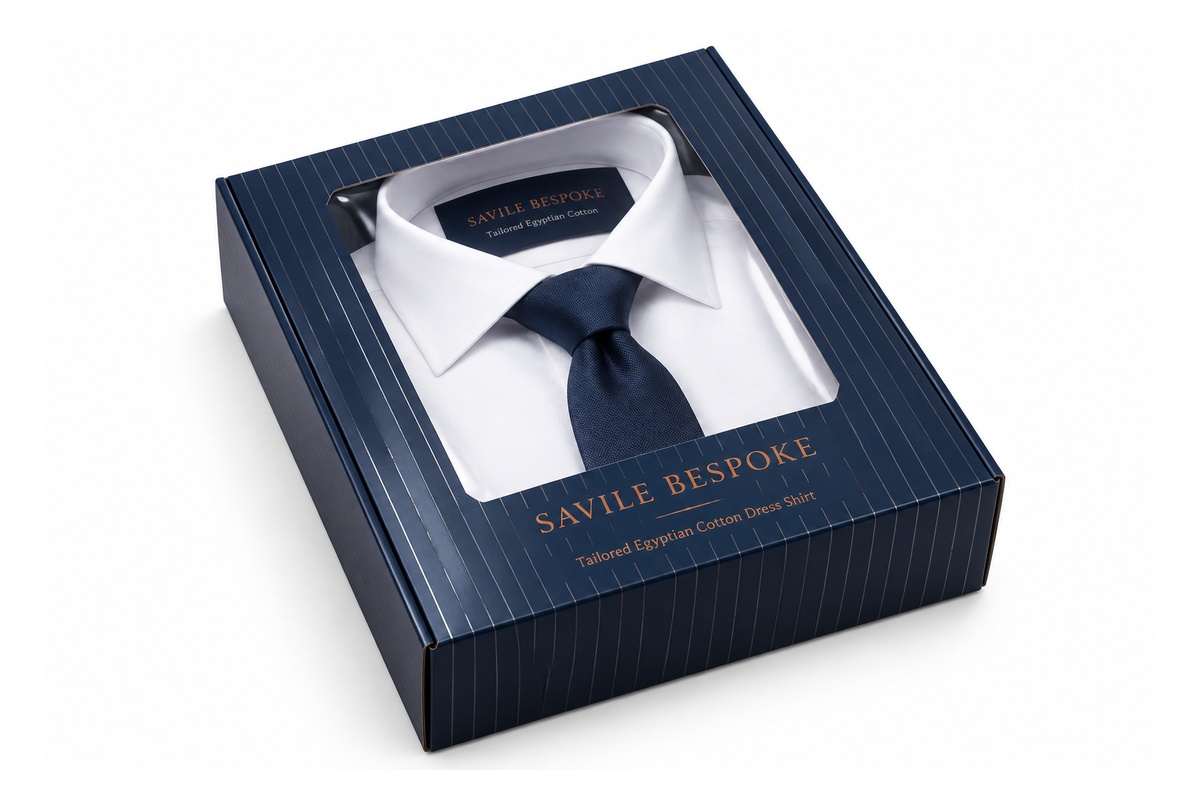
An executive micro-corrugated presentation box with clear PET window and collar support insert for men business shirts.
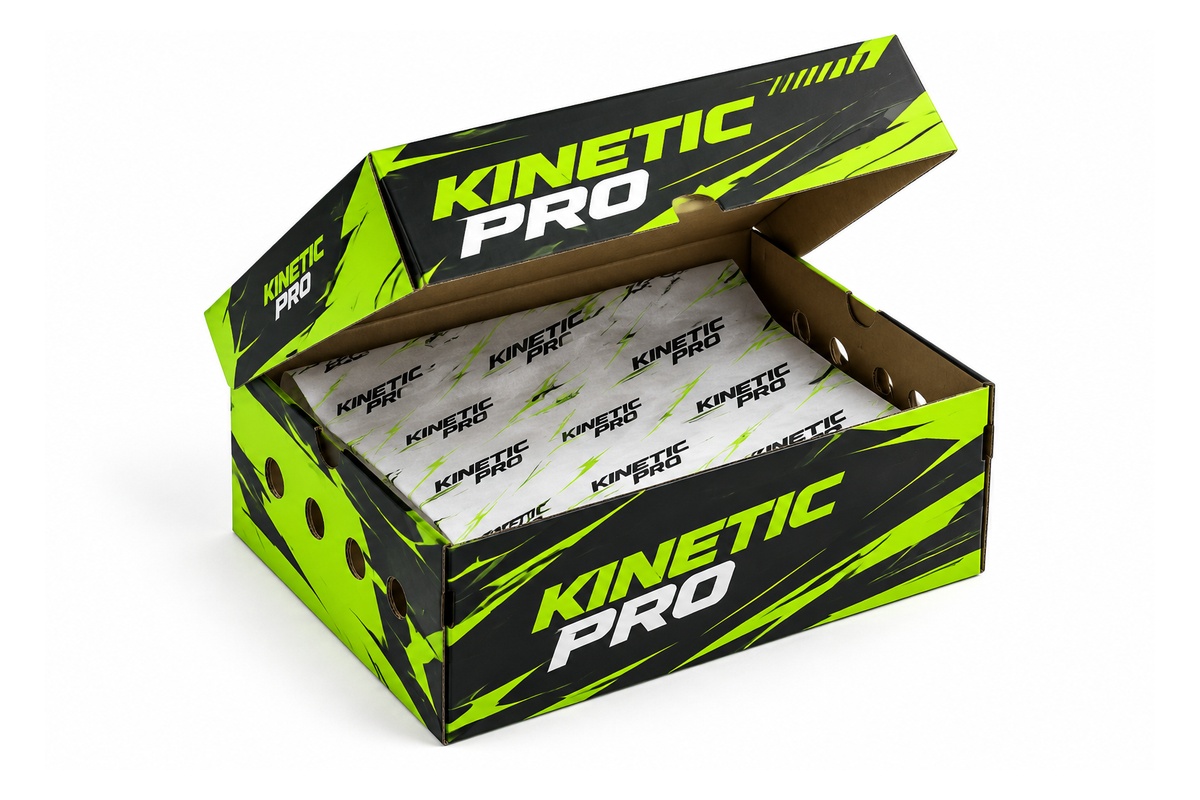
A high-strength corrugated shoebox with side circular ventilation cutouts and speed graphics for marathon racing shoes.
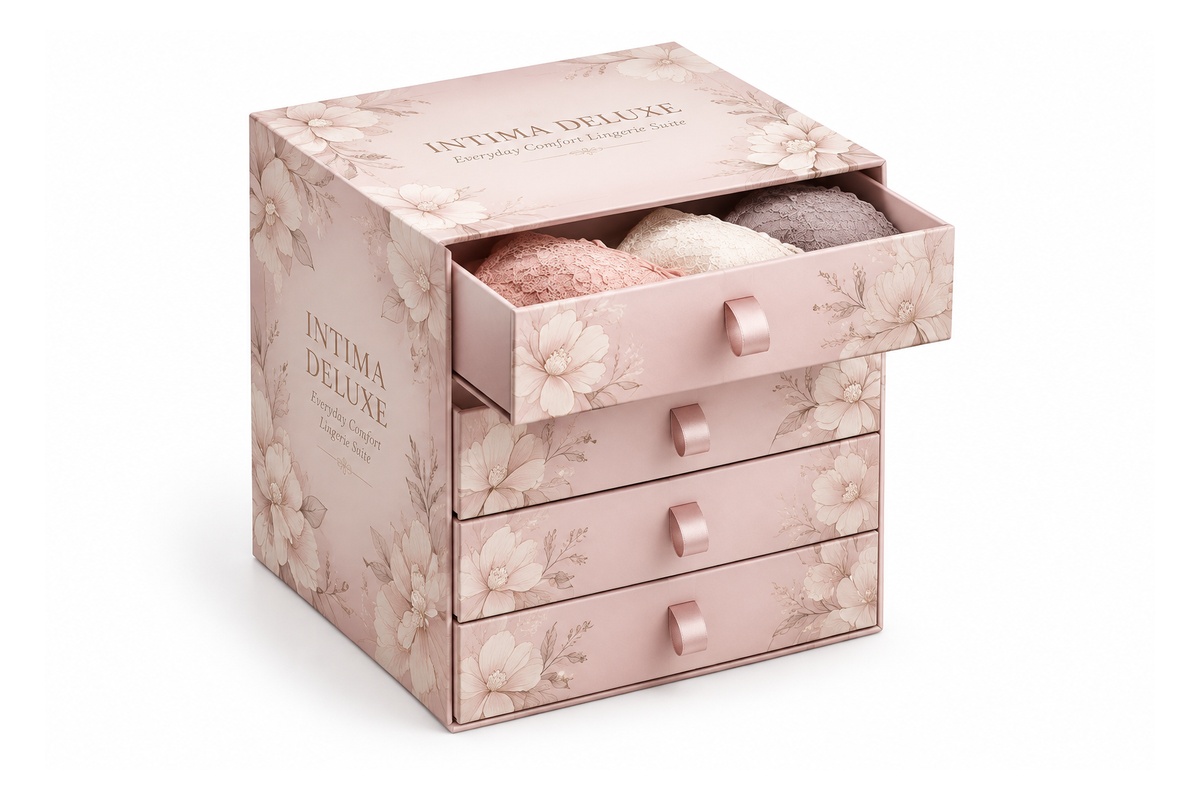
A modular micro-corrugated 4-tier mini drawer wardrobe box with ribbon pulls for seamless lingerie and intimate sets.
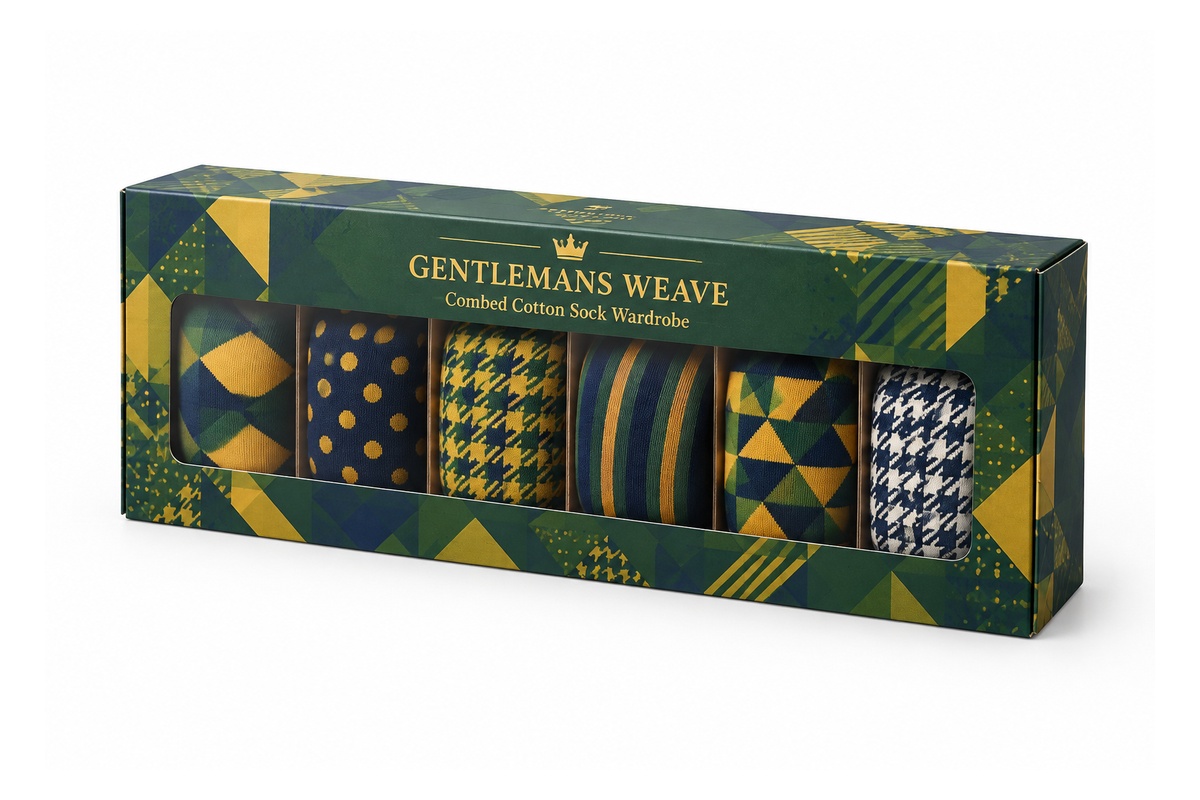
A micro-corrugated gift carton with panoramic transparent window and 6-cell card partition for combed dress socks.
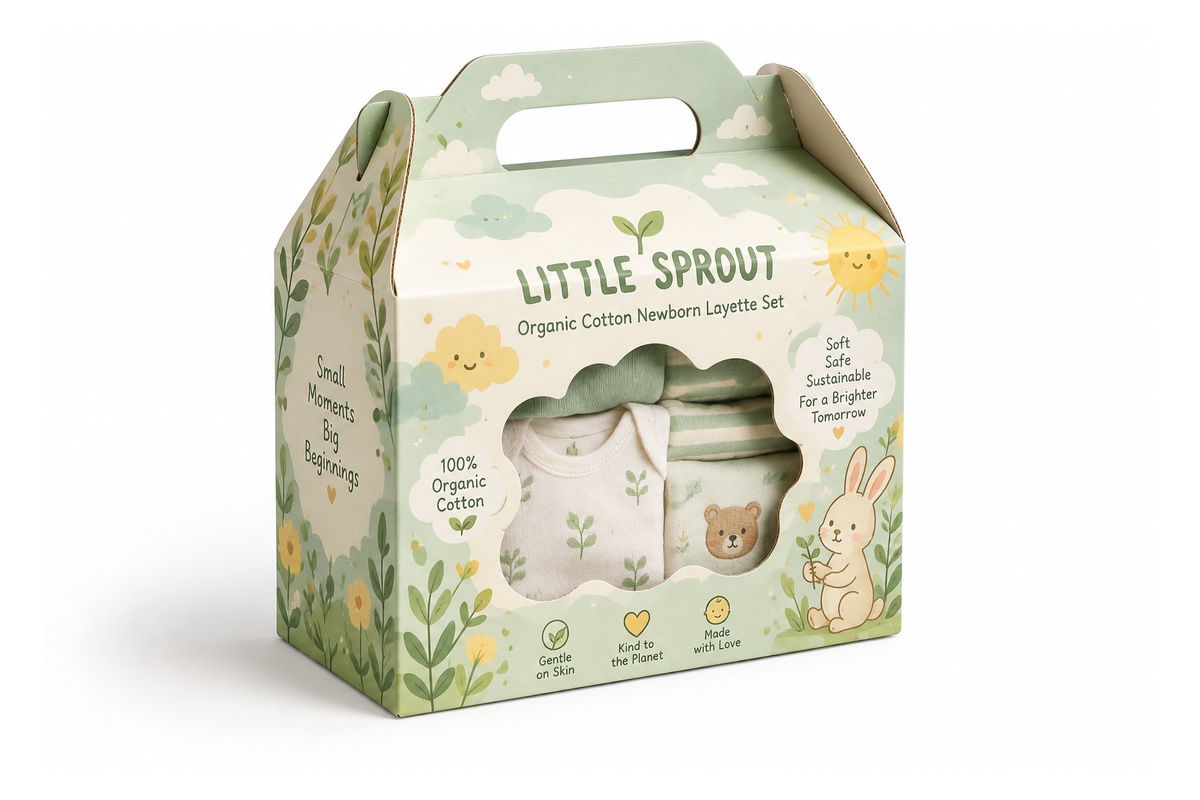
A charming gable-top micro-corrugated gift box with integrated arch handle and cloud-shaped window for baby layette sets.
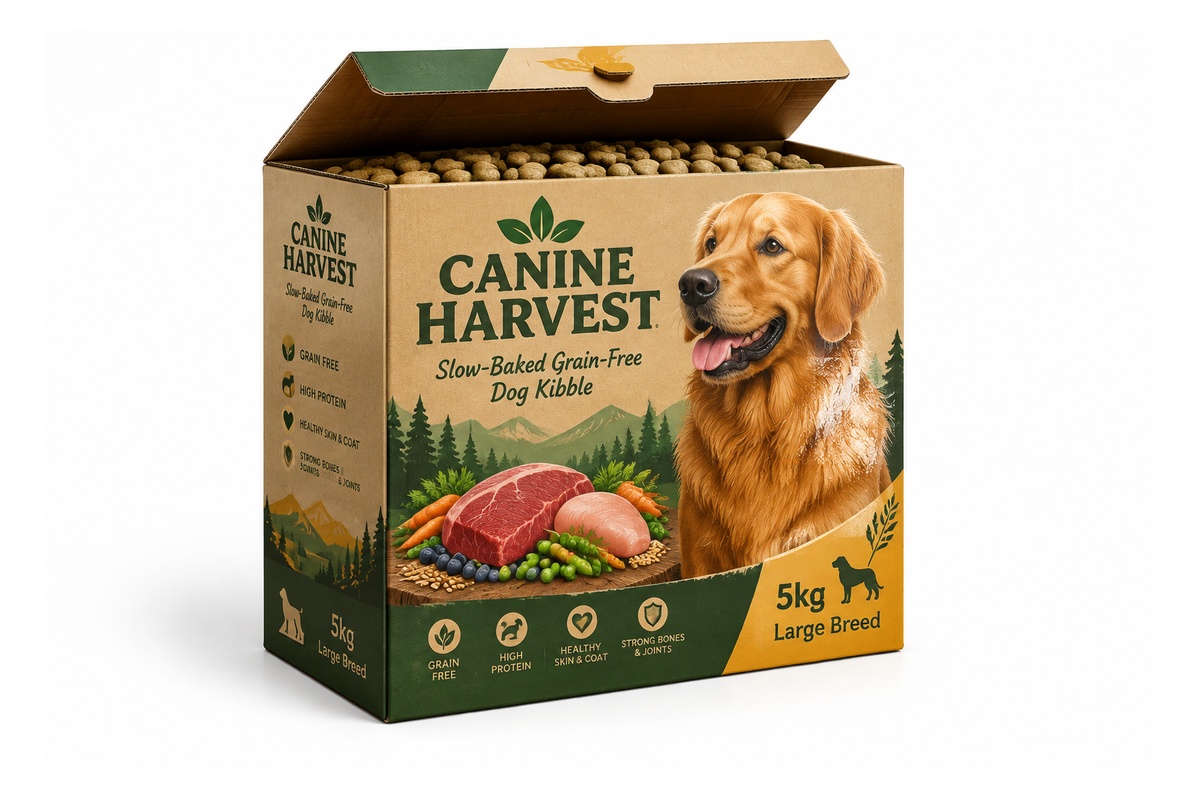
A heavy-duty micro-corrugated retail carton with crash-lock auto-bottom for 5kg oven-baked canine dry food.
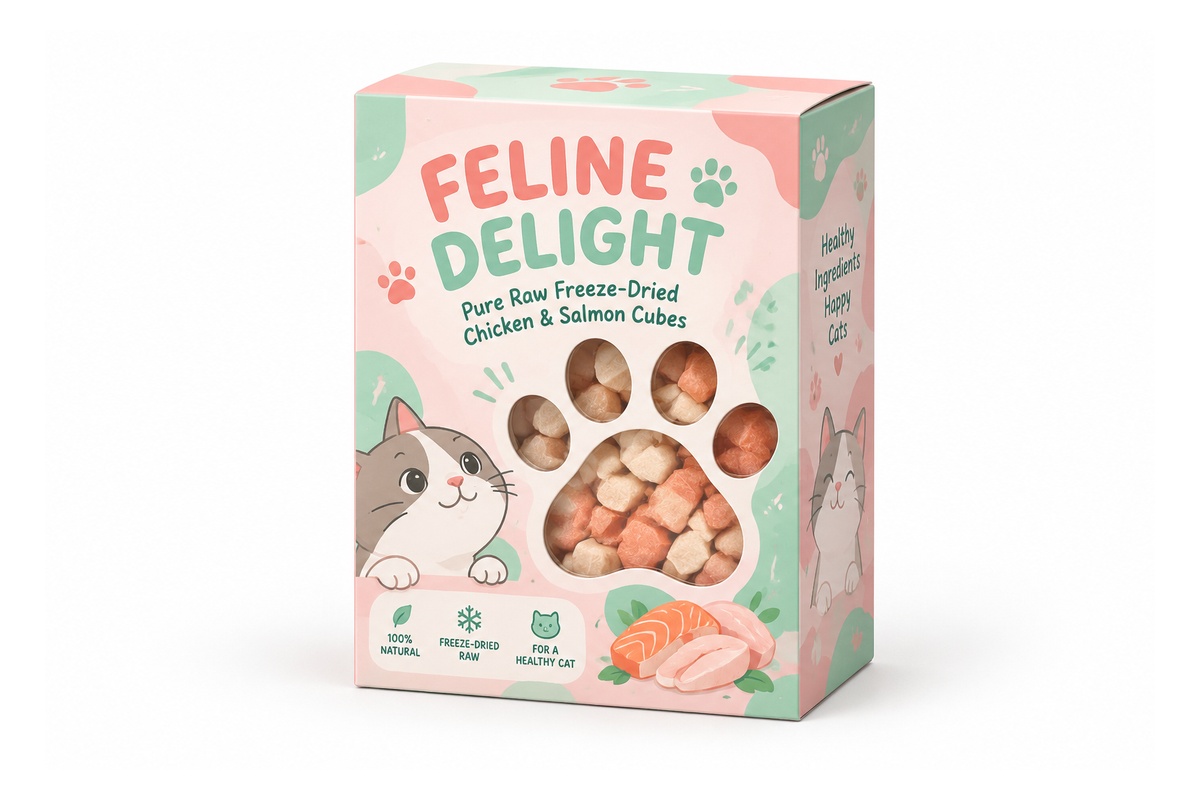
A playful micro-corrugated shelf display box with paw-shaped PET window for freeze-dried raw salmon and chicken treats.
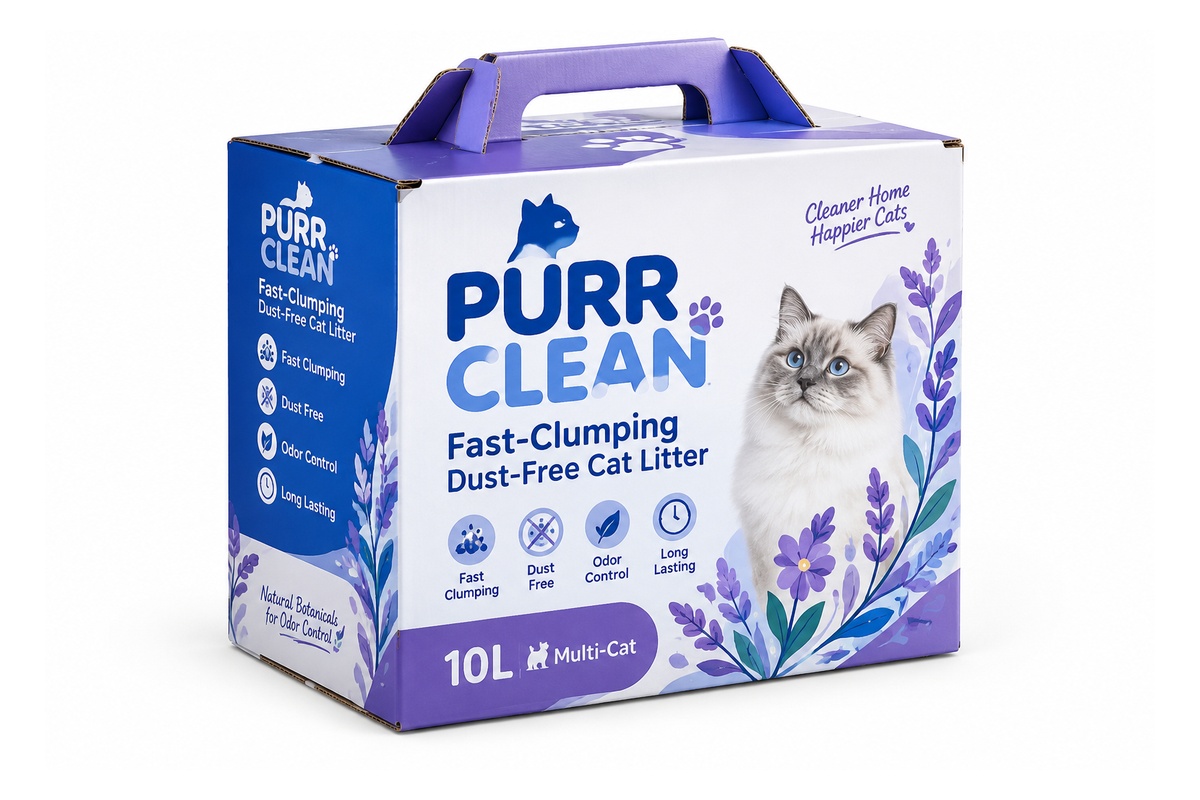
A heavy-duty corrugated carry carton with reinforced fold-down handle and leak-resistant base for 10L cat litter.
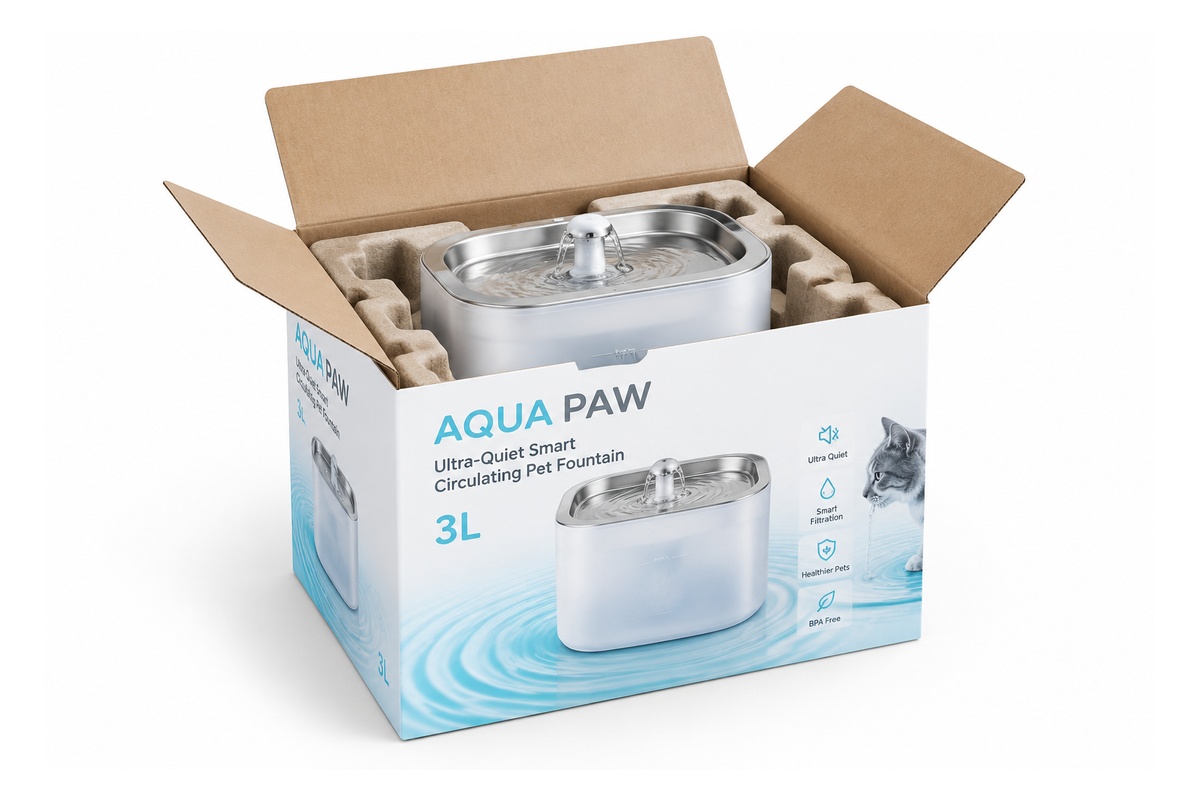
A protective micro-corrugated box with molded paper pulp cradle for automated circulating pet drinking fountains.
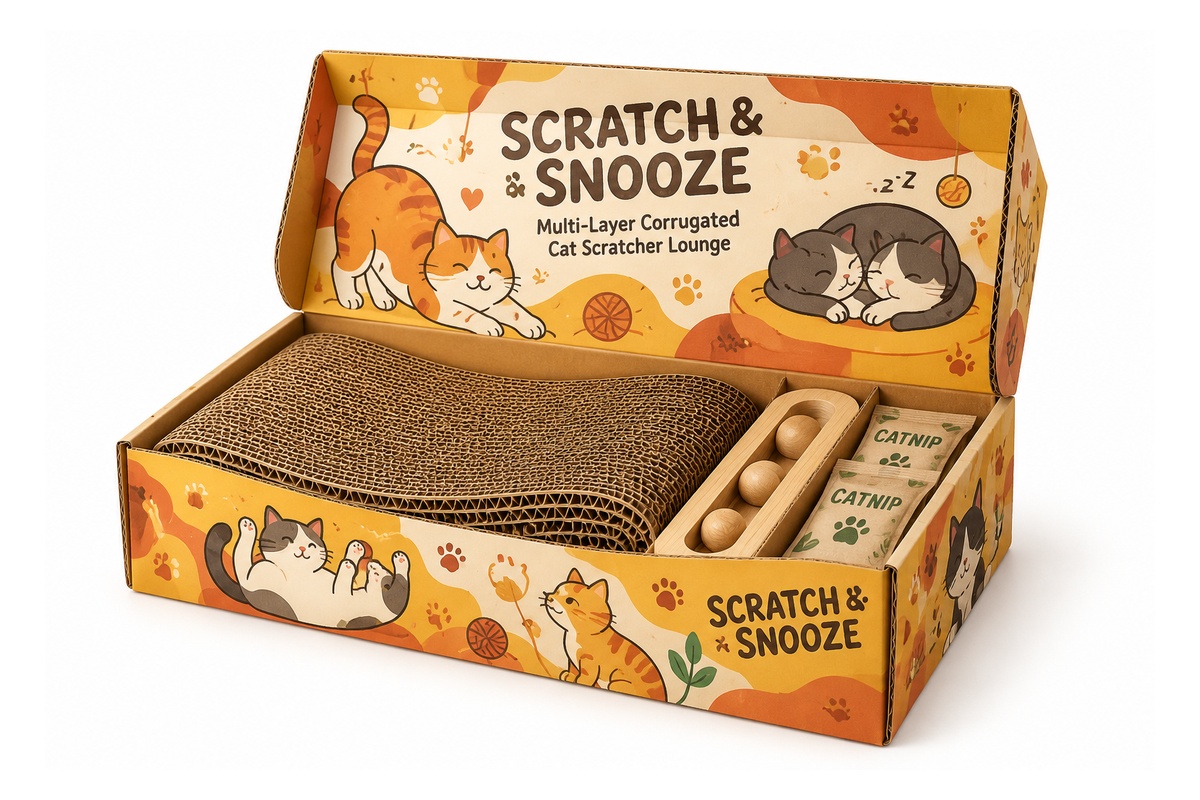
A flat-pack retail carton for modular honeycomb corrugated cat scratcher lounges and interactive teaser toys.
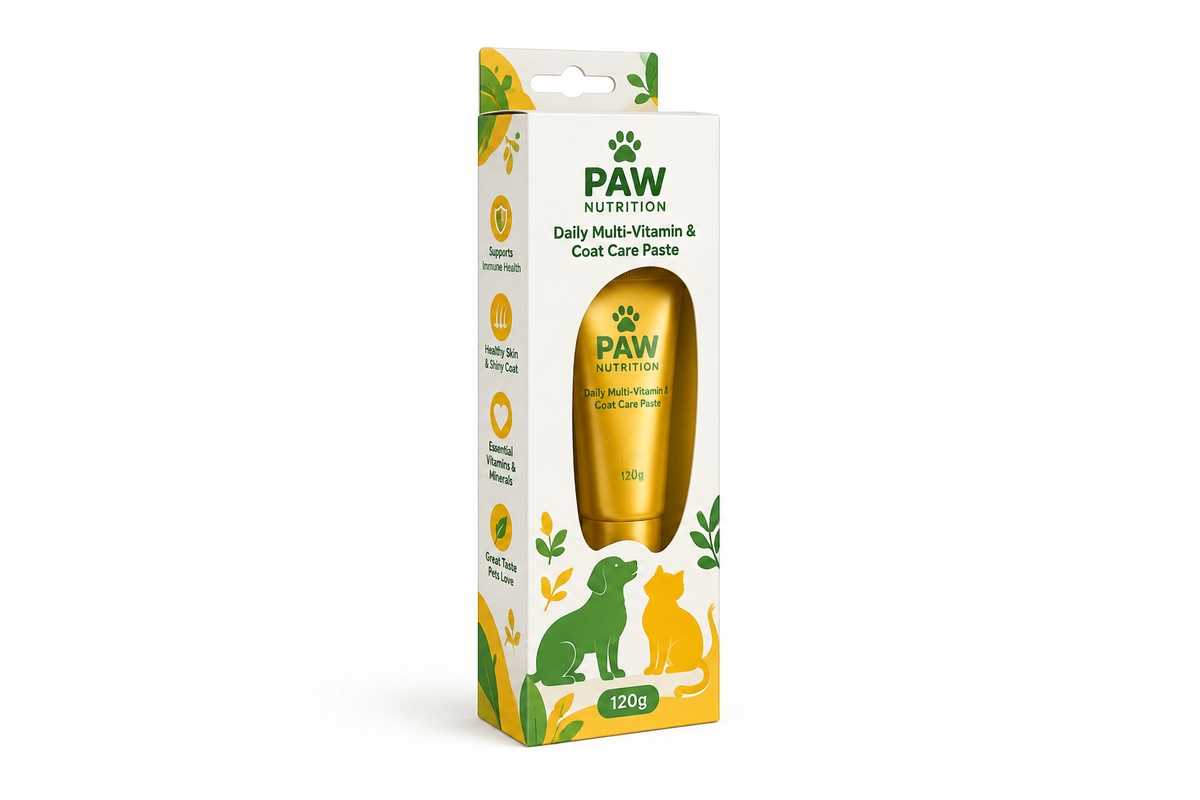
A slender hanging micro-corrugated carton with euro-slot peg hook and oval window for pet vitamin nutrition paste tubes.
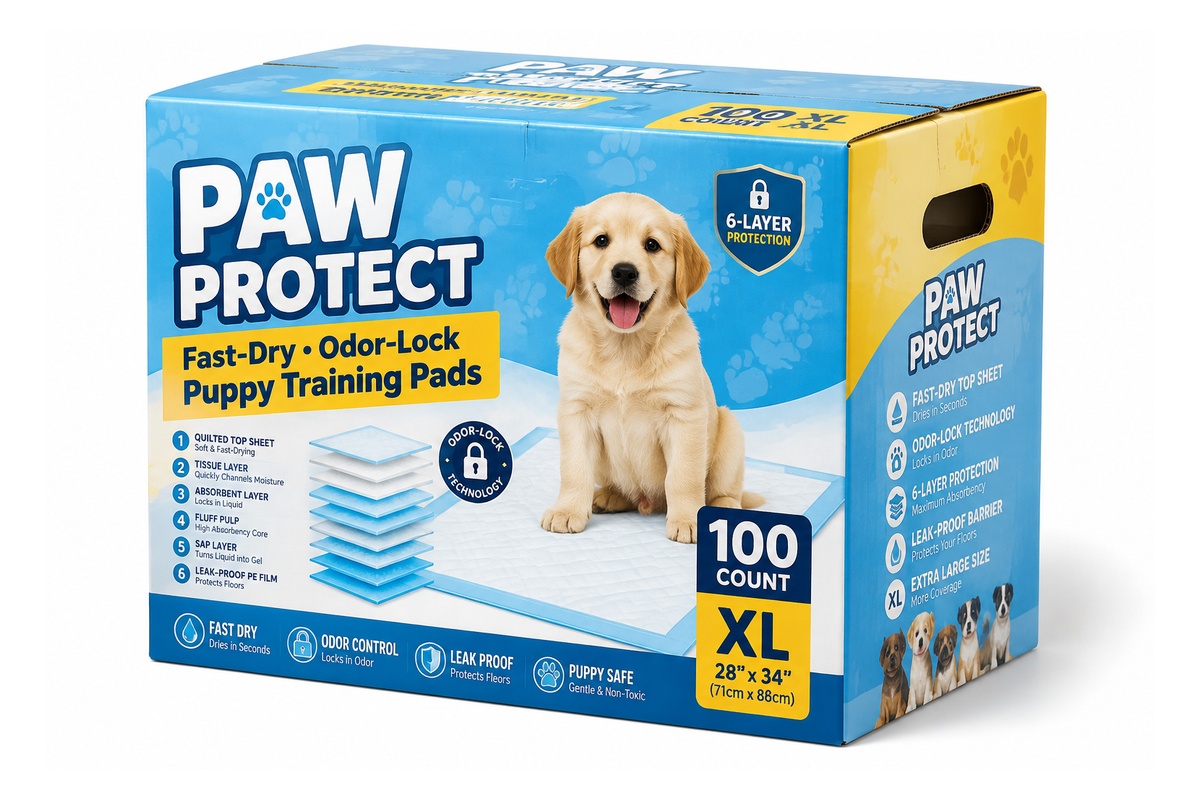
A large-capacity corrugated carry carton with dual side hand holes for 100-count puppy training pee pads.
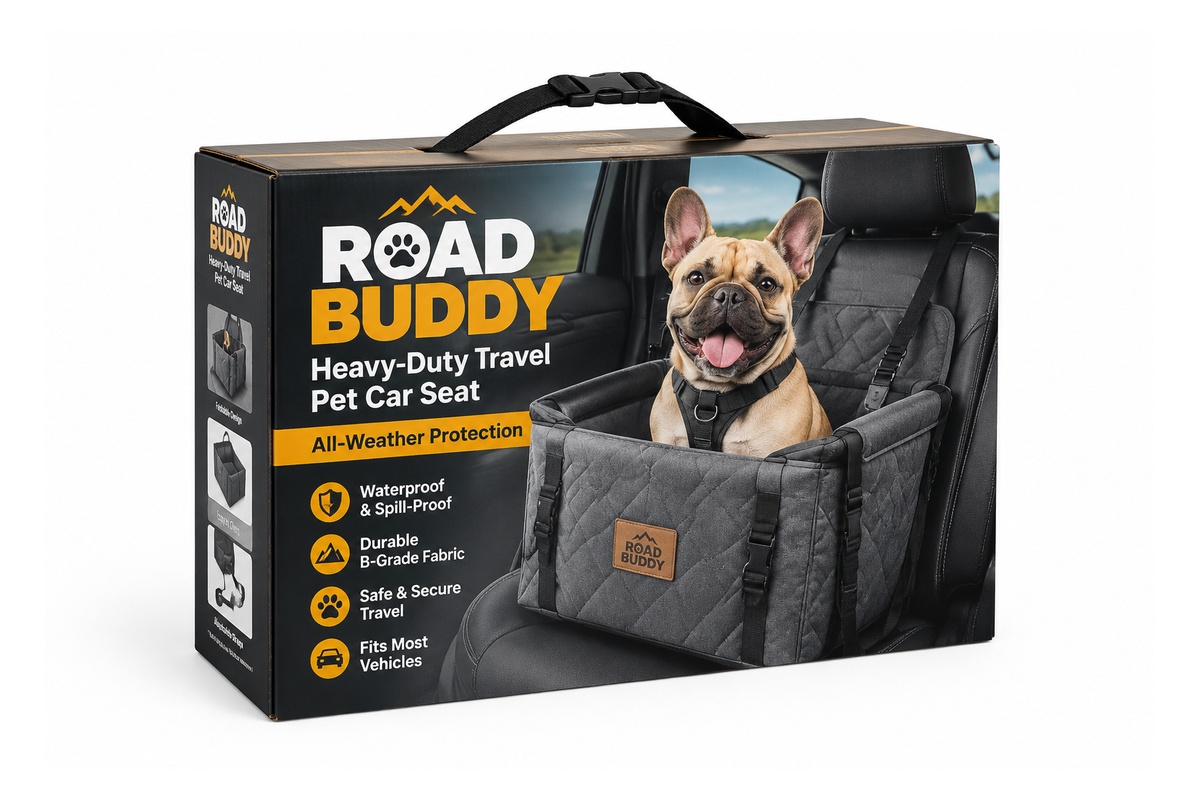
A large-format flat-folding corrugated master carton with carrying handle for automotive pet booster travel seats.
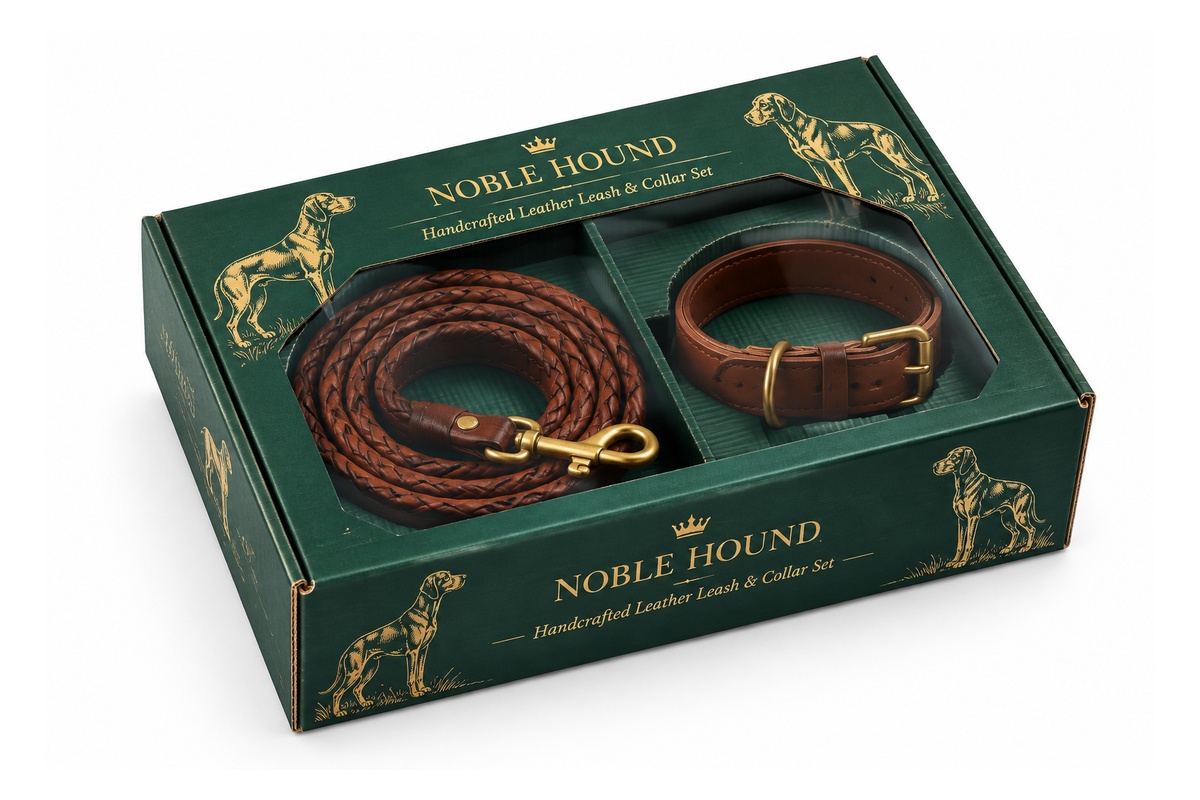
A luxury micro-corrugated presentation box with die-cut PET viewing window and custom insert tray for leather pet collar and leash sets.
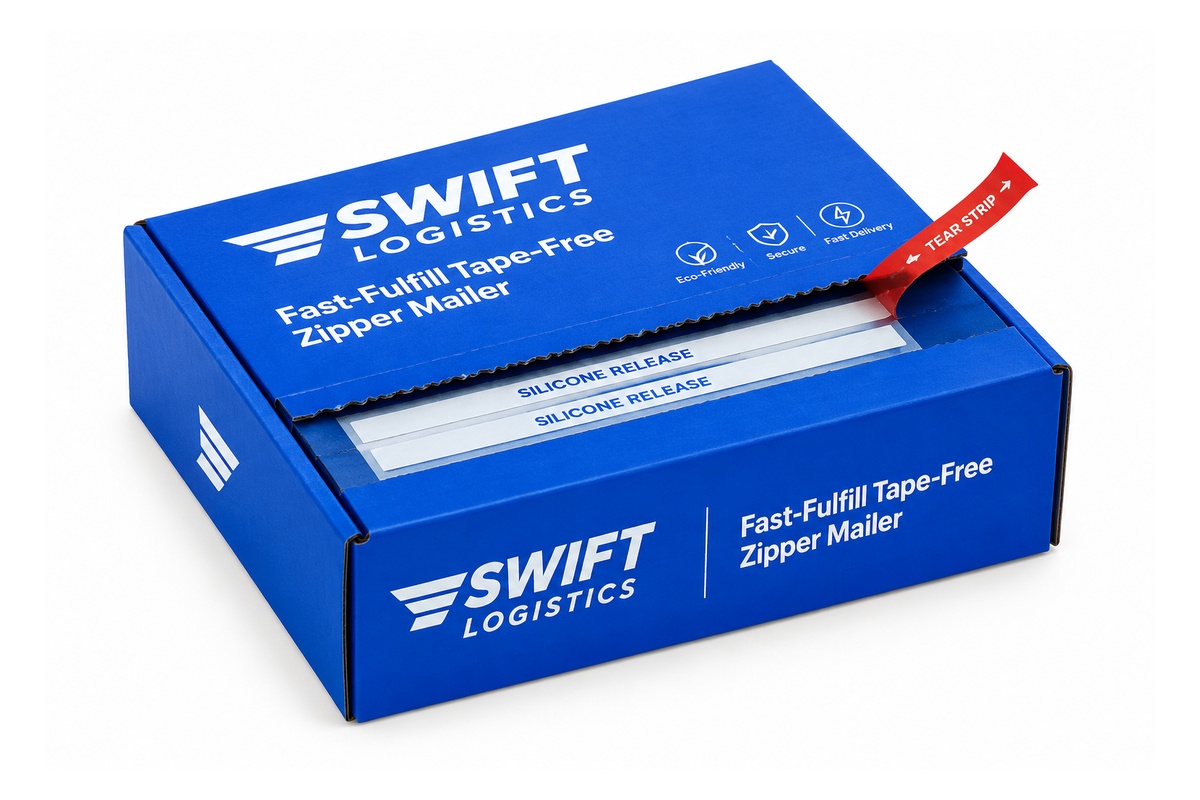
A modern e-commerce corrugated shipping carton featuring an integrated peel-and-seal adhesive strip and red perforated tear ribbon.
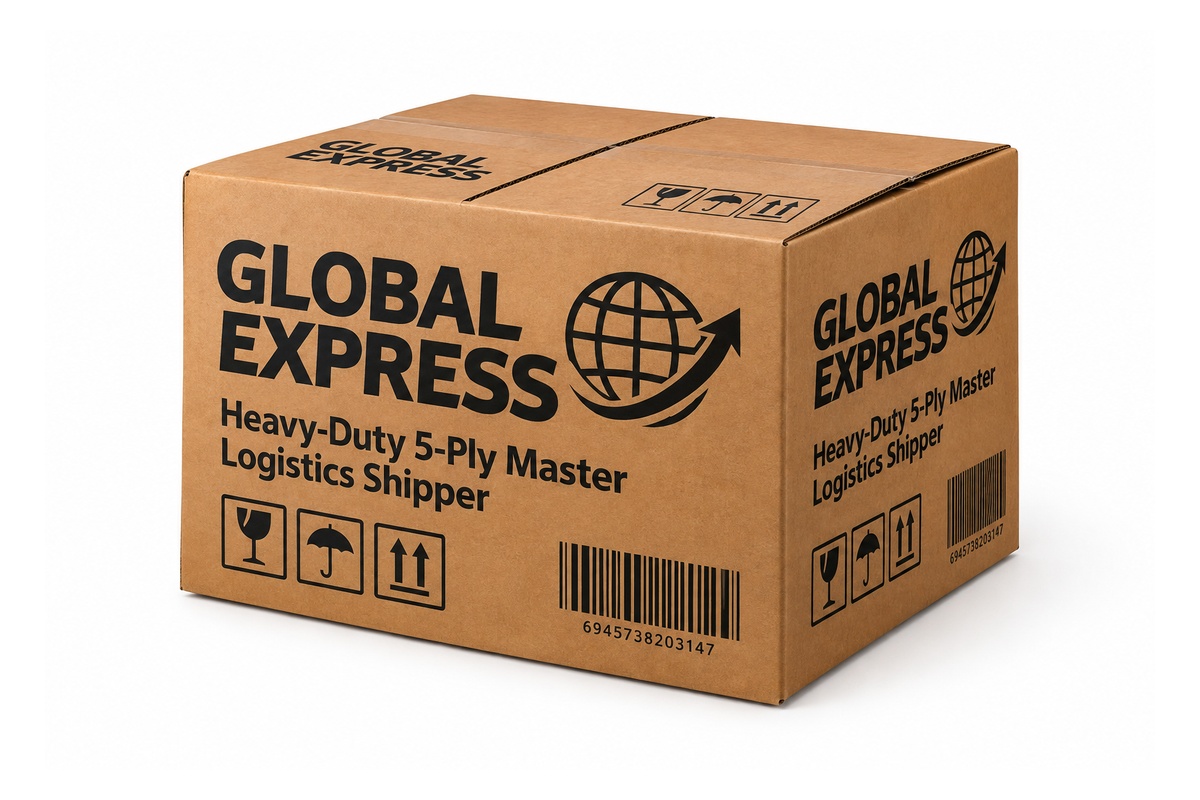
A heavy-duty regular slotted carton (RSC) engineered for bulk parcel shipping with international logistics markings.
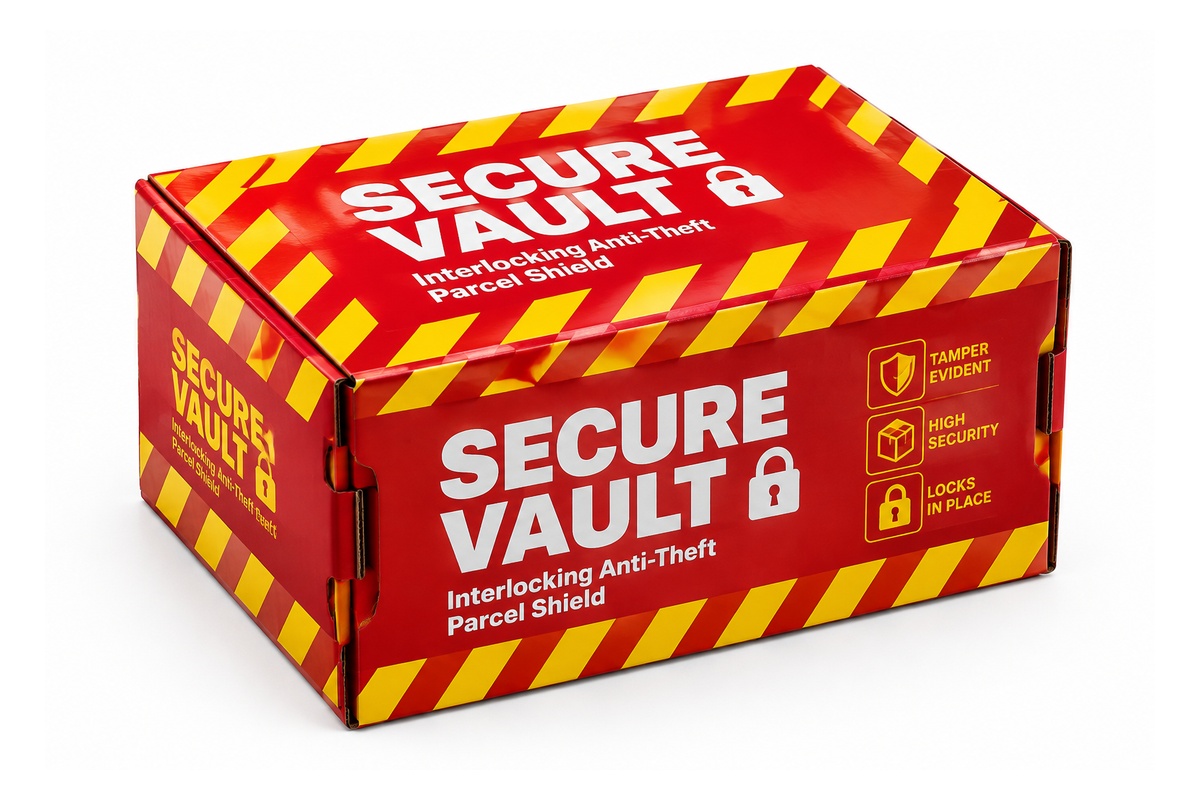
A courier shipping box with hidden structural interlocking side teeth that prevent unauthorized reach-in without box destruction.
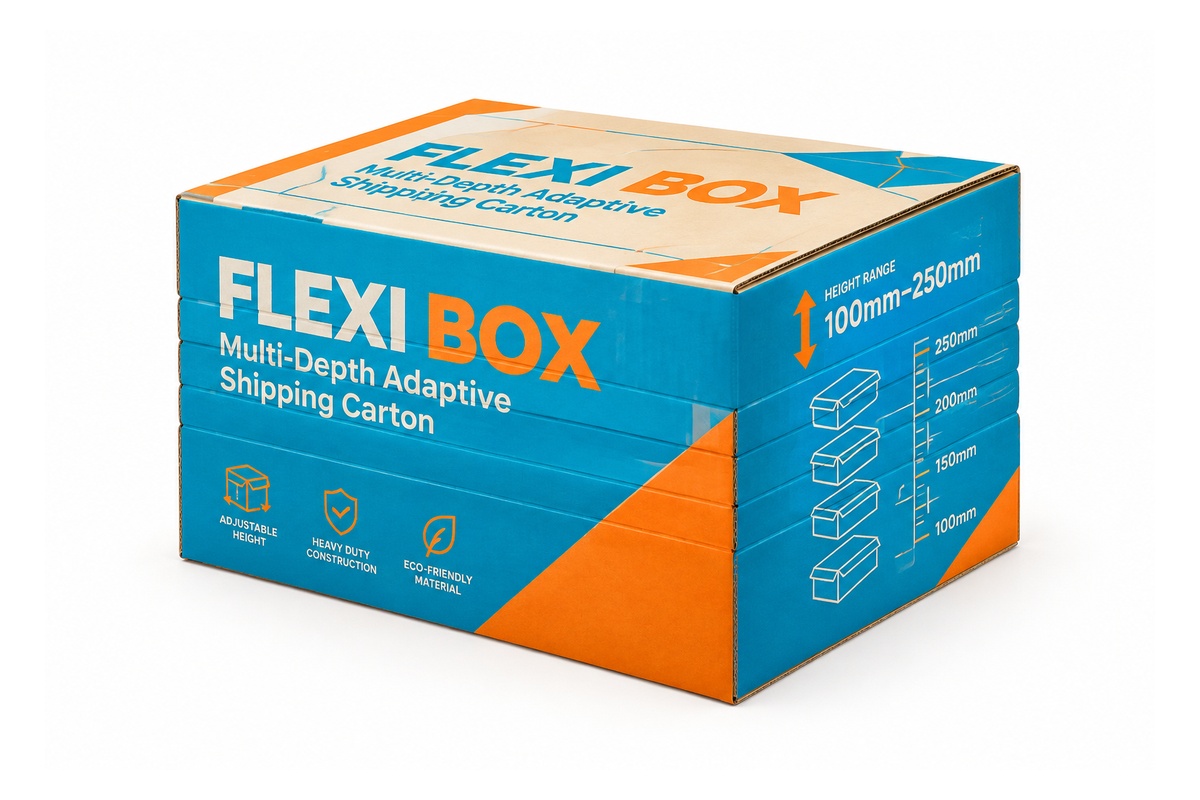
A multi-depth corrugated carton with multiple horizontal crease lines allowing cut-down height customization.
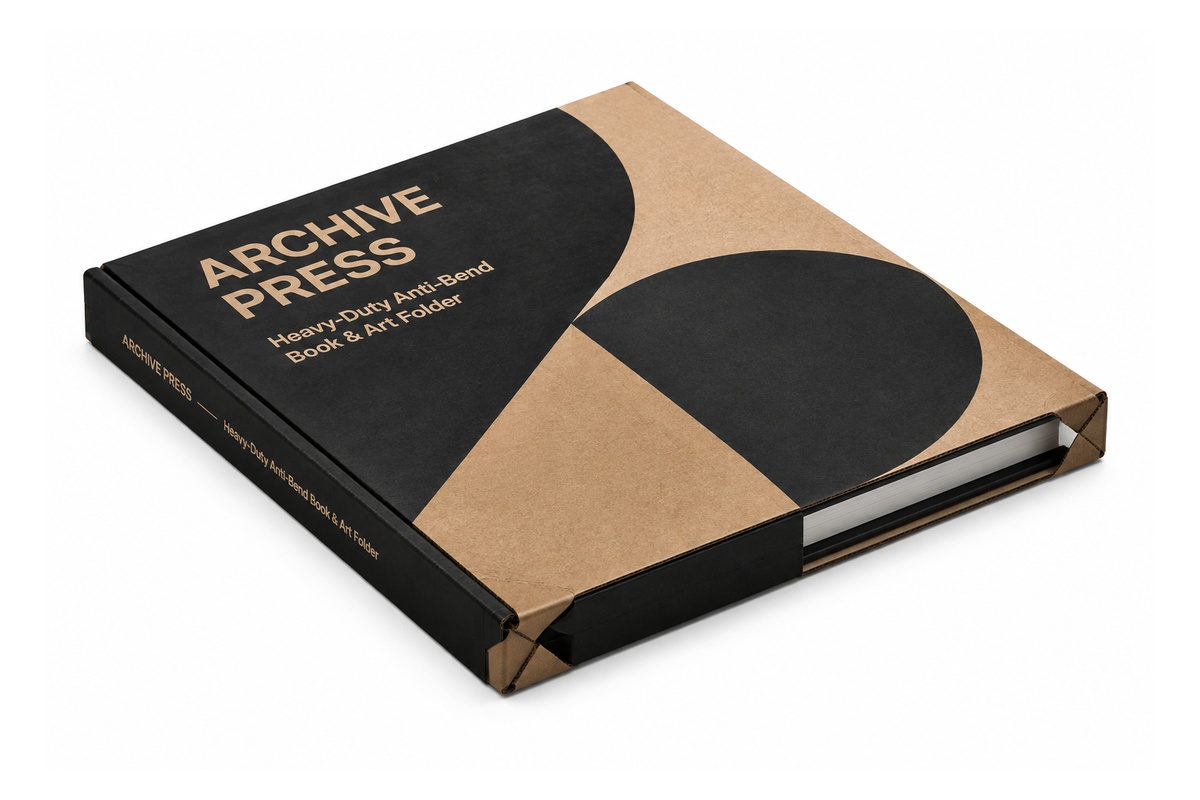
A wrap-around micro-corrugated mailer featuring extended impact-absorbing rim buffers for books and media.
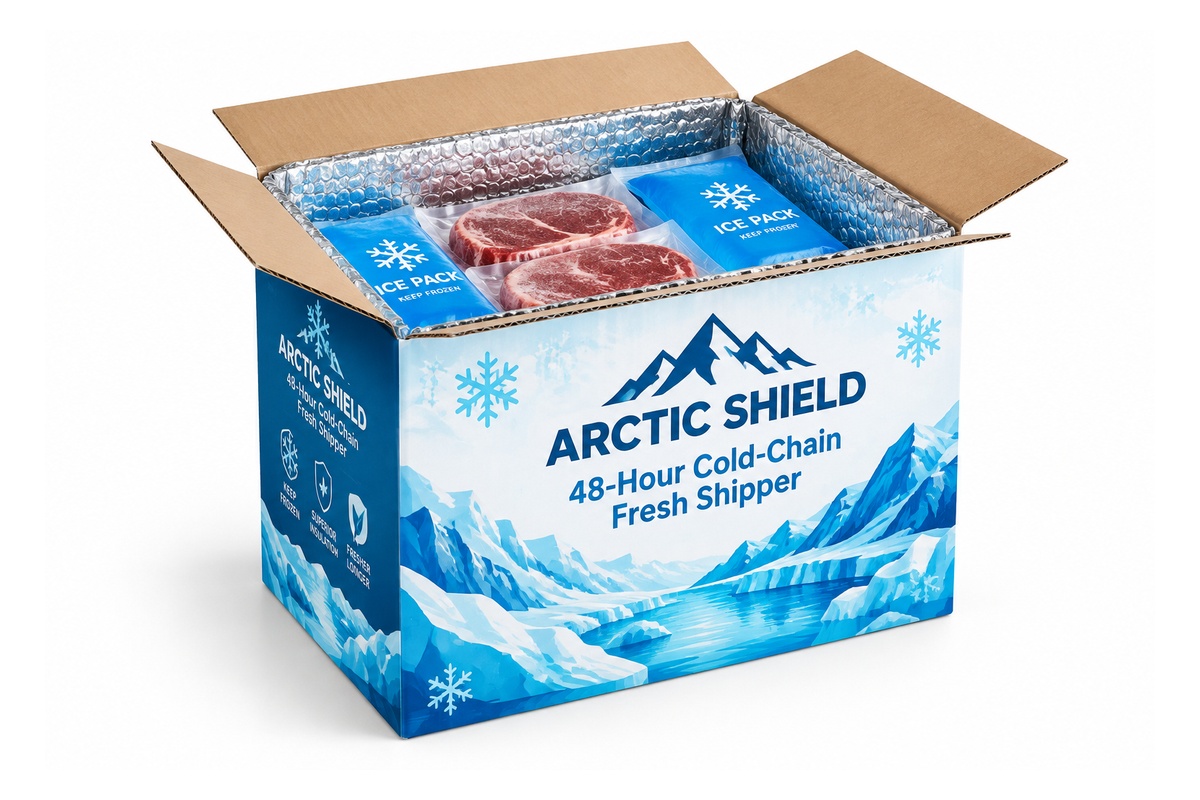
A heavy-duty corrugated shipper lined with reflective thermal insulation foil for perishable cold-chain logistics.
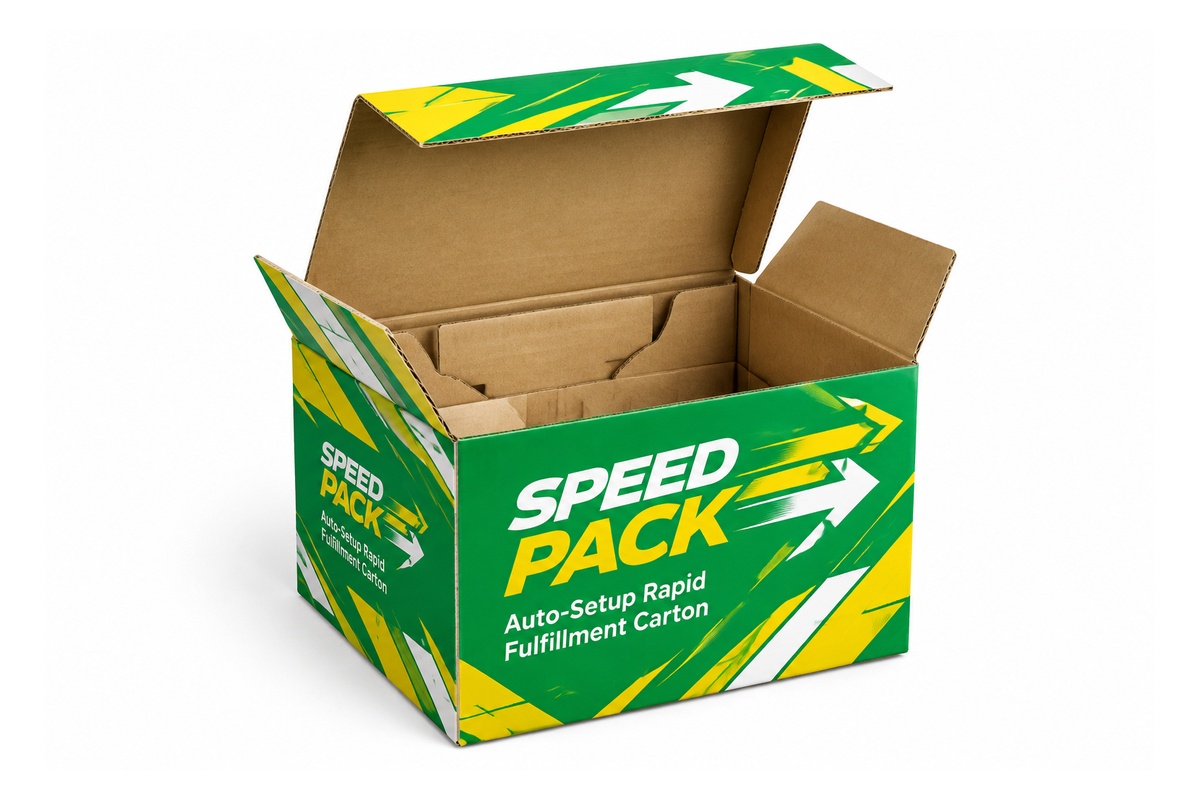
A rapid assembly crash-lock bottom corrugated carton that sets up in one second for high-volume fulfillment hubs.
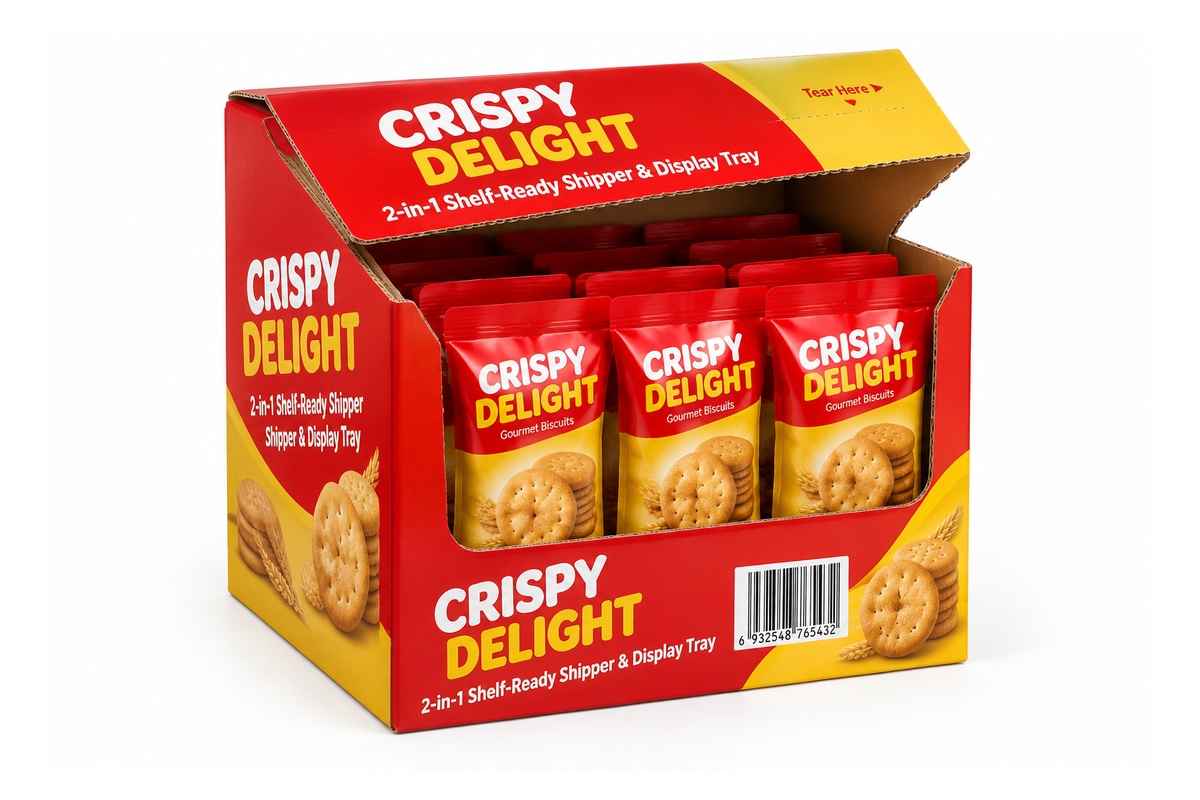
A 2-in-1 shelf-ready corrugated shipper that transforms into an upright retail shelf tray via a perforated hood.
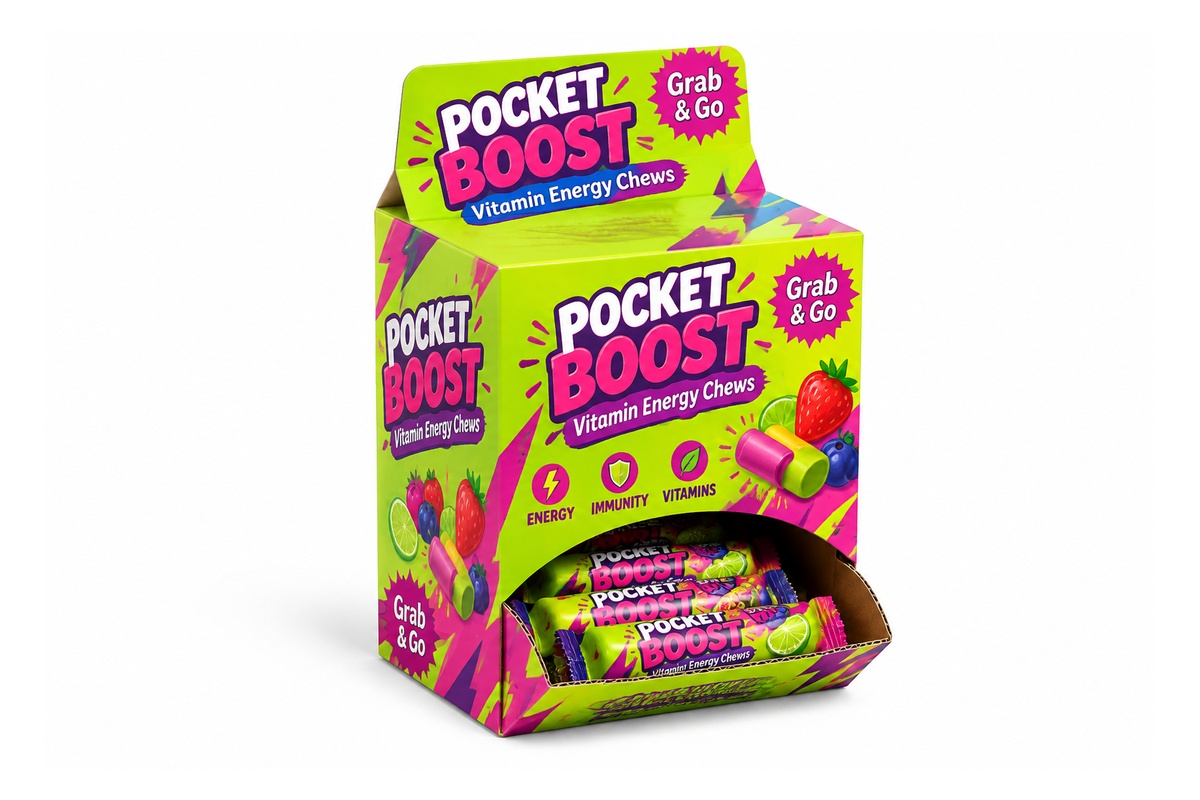
A compact countertop micro-corrugated dispenser box with an angled billboard header and bottom grab chute.

A two-tier cascading corrugated display riser with upright backer board for optimal tiered retail product exposure.
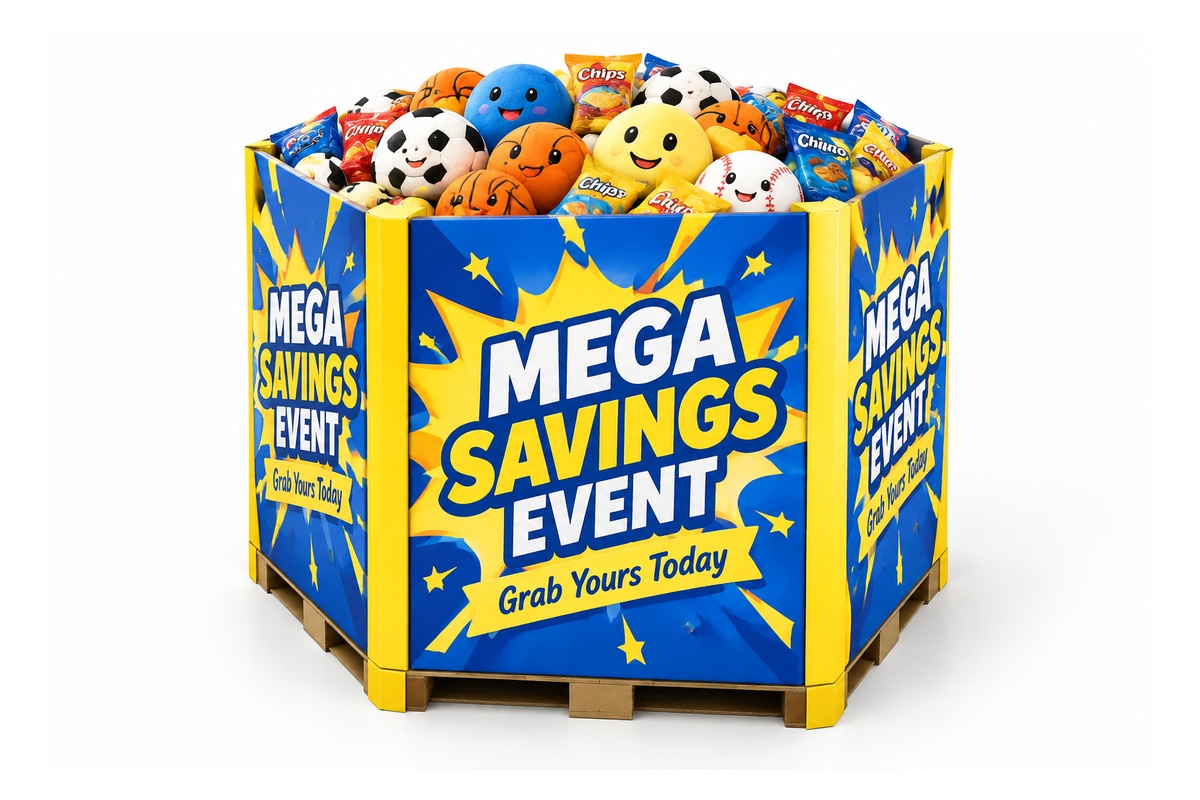
A large-format octagonal corrugated dump bin floor display stand engineered for high-traffic supermarket bulk retail.
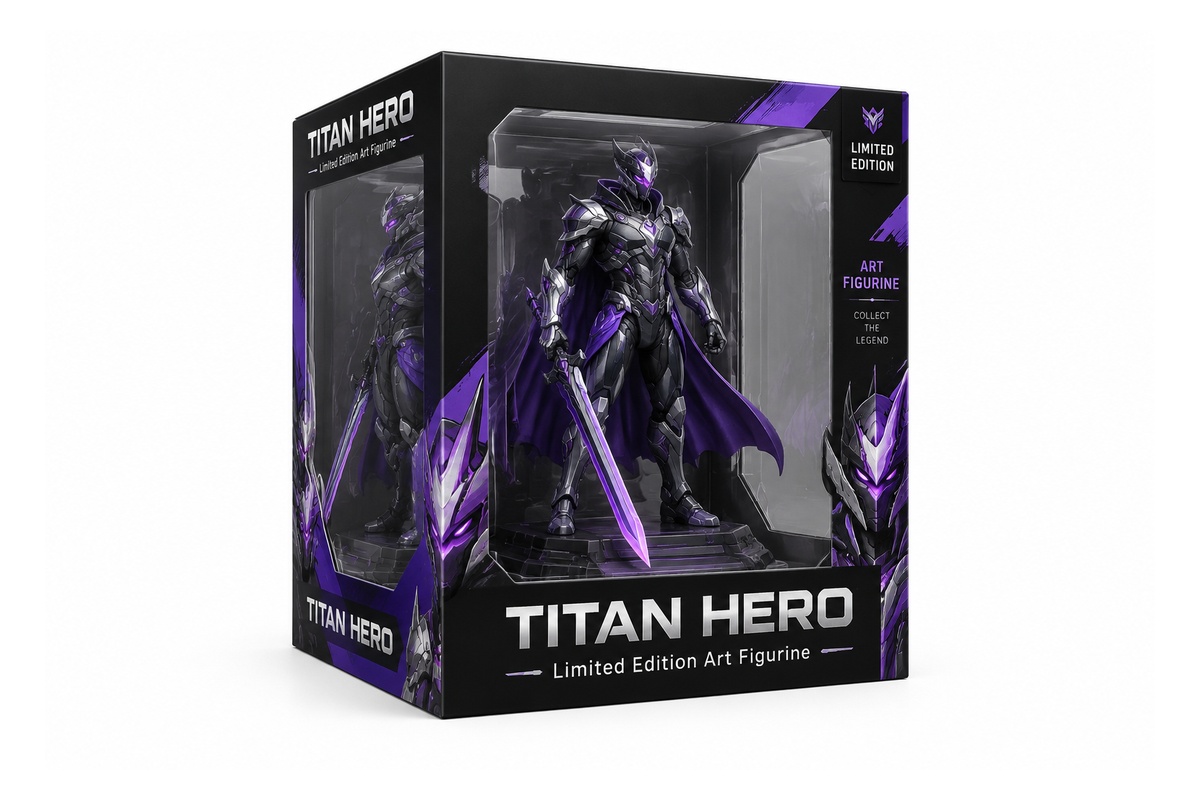
A premium micro-corrugated showcase carton featuring dual-sided transparent windows providing a 270-degree view.
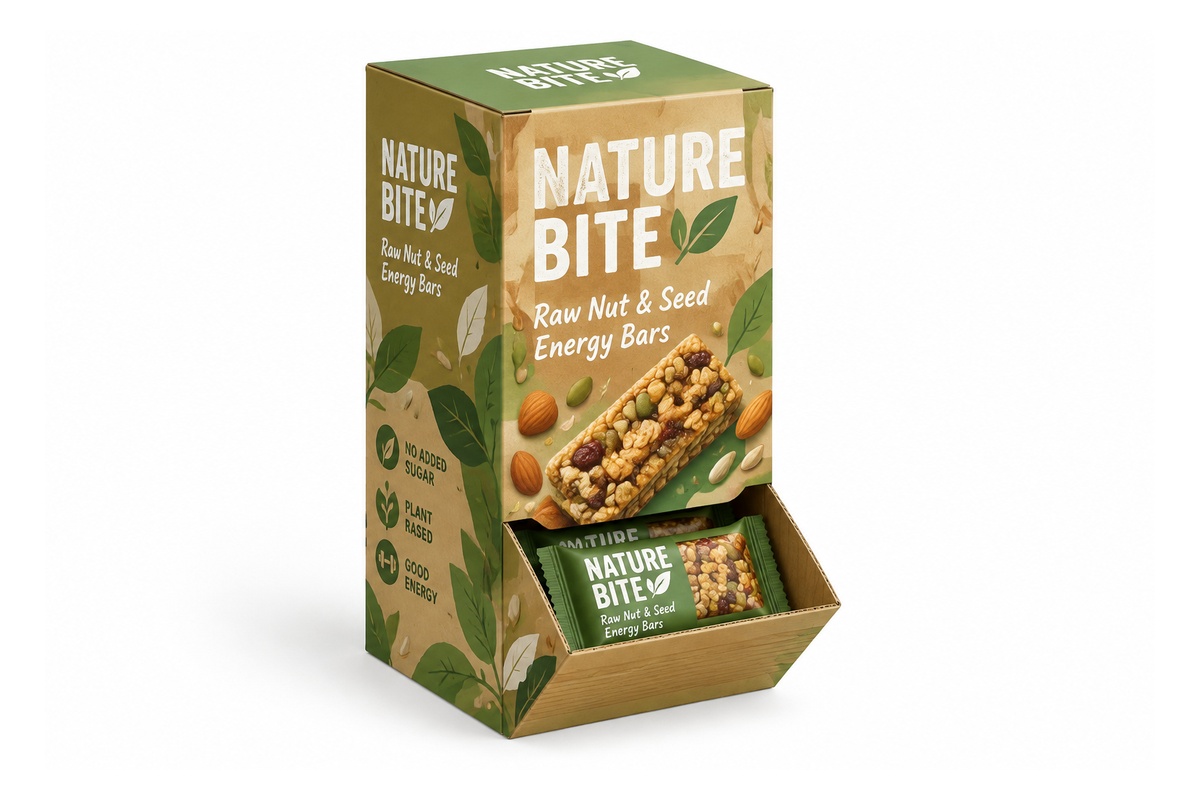
An upright gravity-fed retail dispenser tower carton that automatically feeds snack bars down to a retrieval chute.
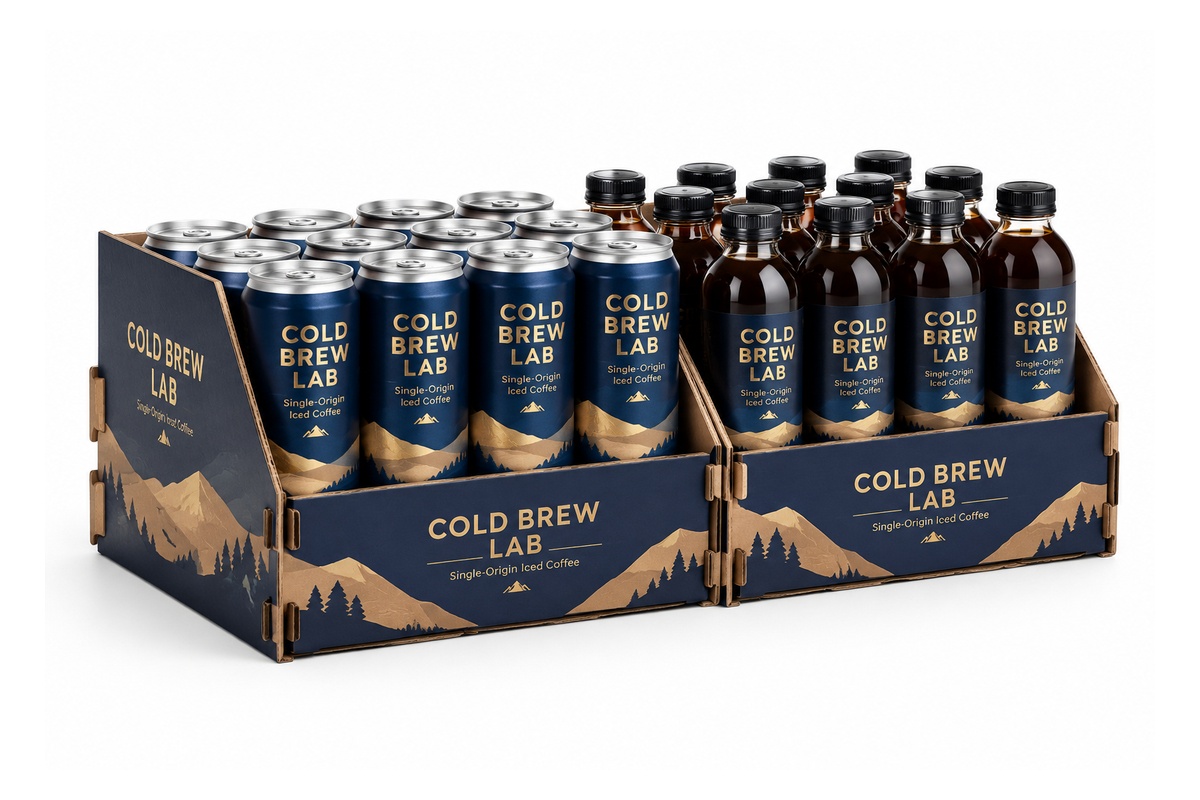
A modular interlocking micro-corrugated retail tray system designed to snap together across supermarket aisle endcaps.
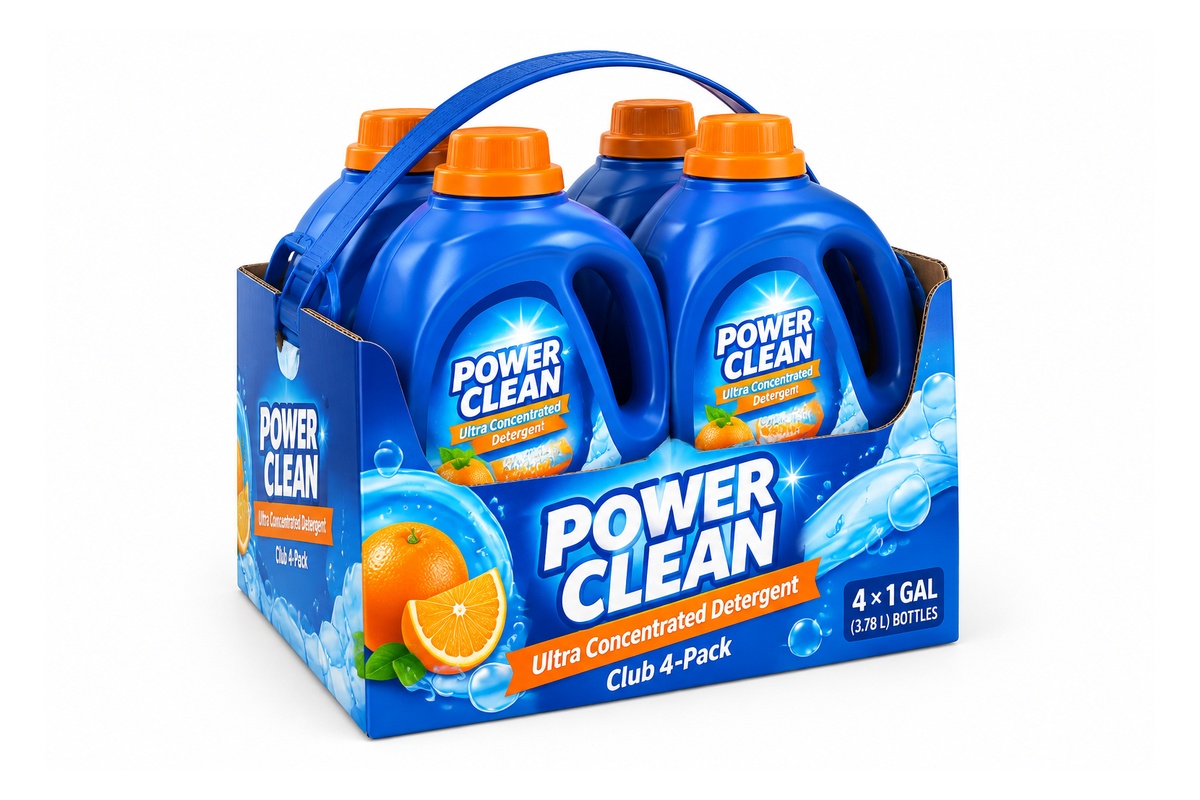
A heavy-duty wrap-around corrugated multipack carrier tray with reinforced plastic handle for bulk club store goods.

An innovative 3-tier stepped origami gift box whose side panels cascade open to present multiple surprise compartments.
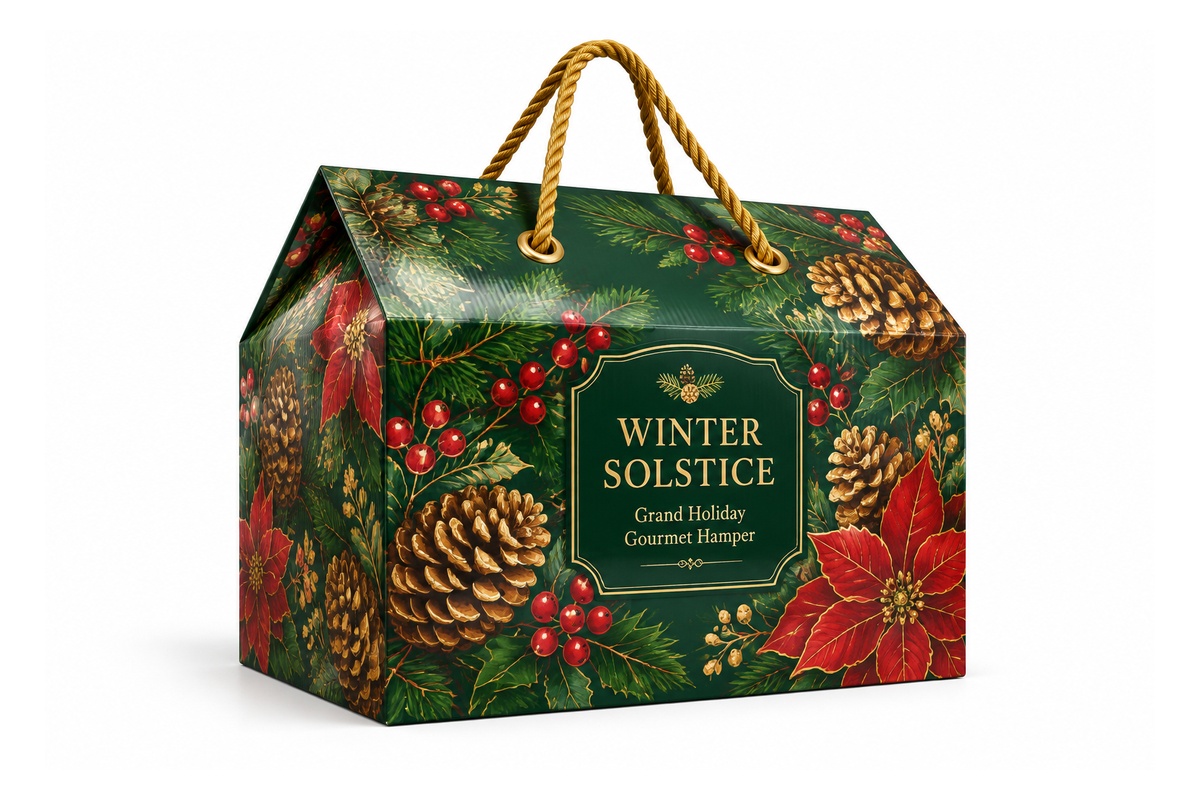
A festive corrugated gift hamper box with asymmetrical sloping gable roofline and braided golden cord handles.

A book-style micro-corrugated tasting box with four partitioned compartments holding single-origin coffee pouches and tasting cards.
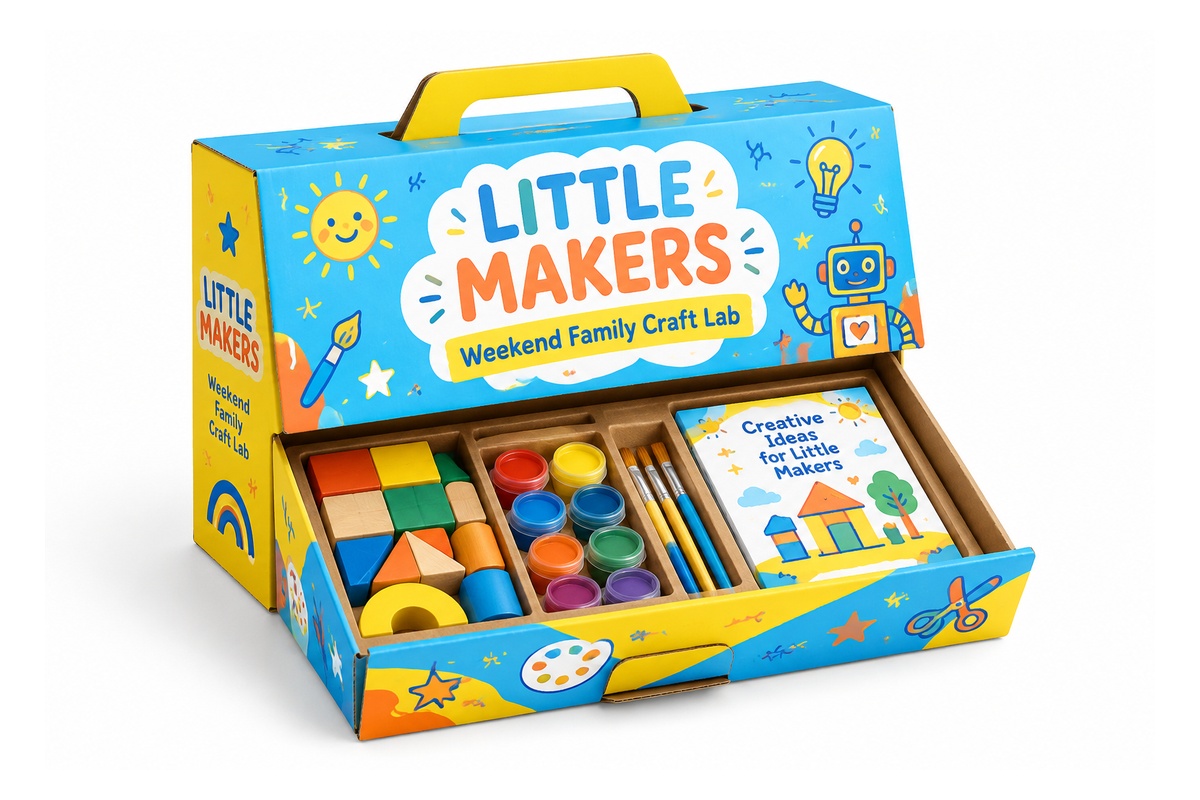
A cheerful family activity carry box with integrated handle and organized internal tray for DIY crafts and STEM learning materials.
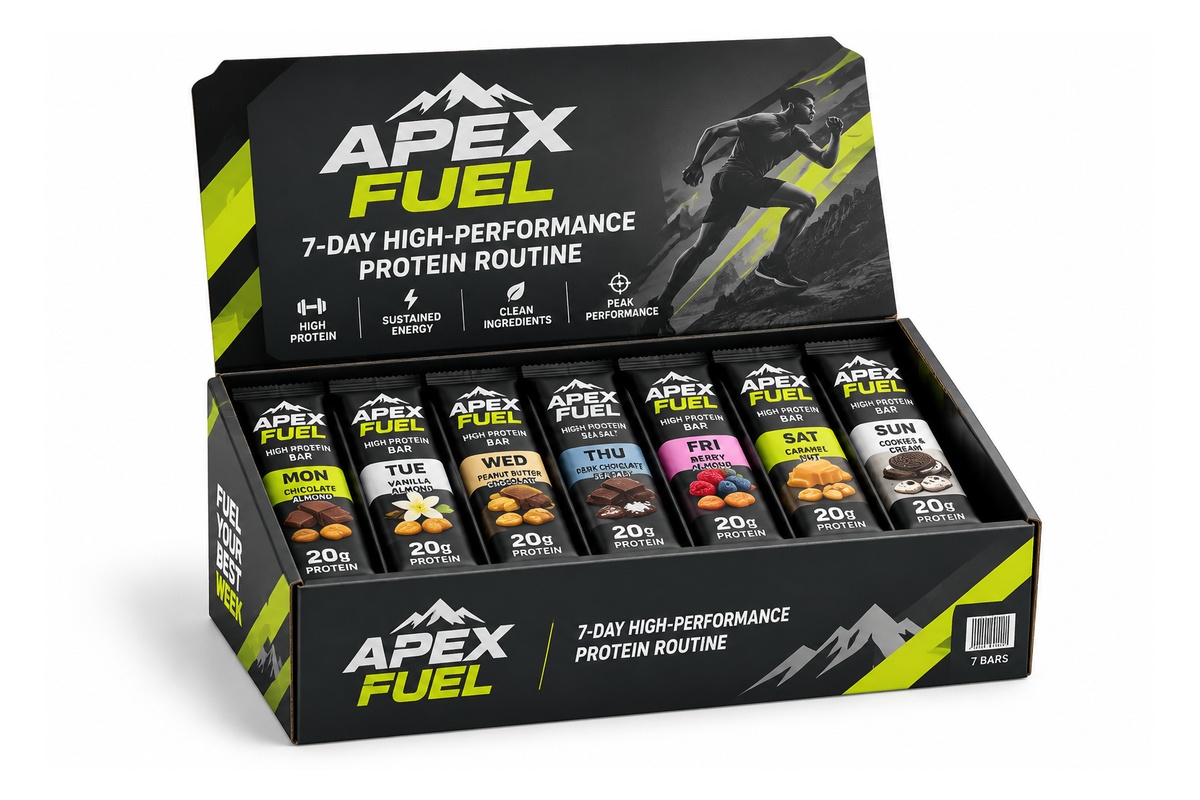
A 7-day countertop dispenser box with foldable lid holding seven high-protein meal bars standing upright with daily labels.
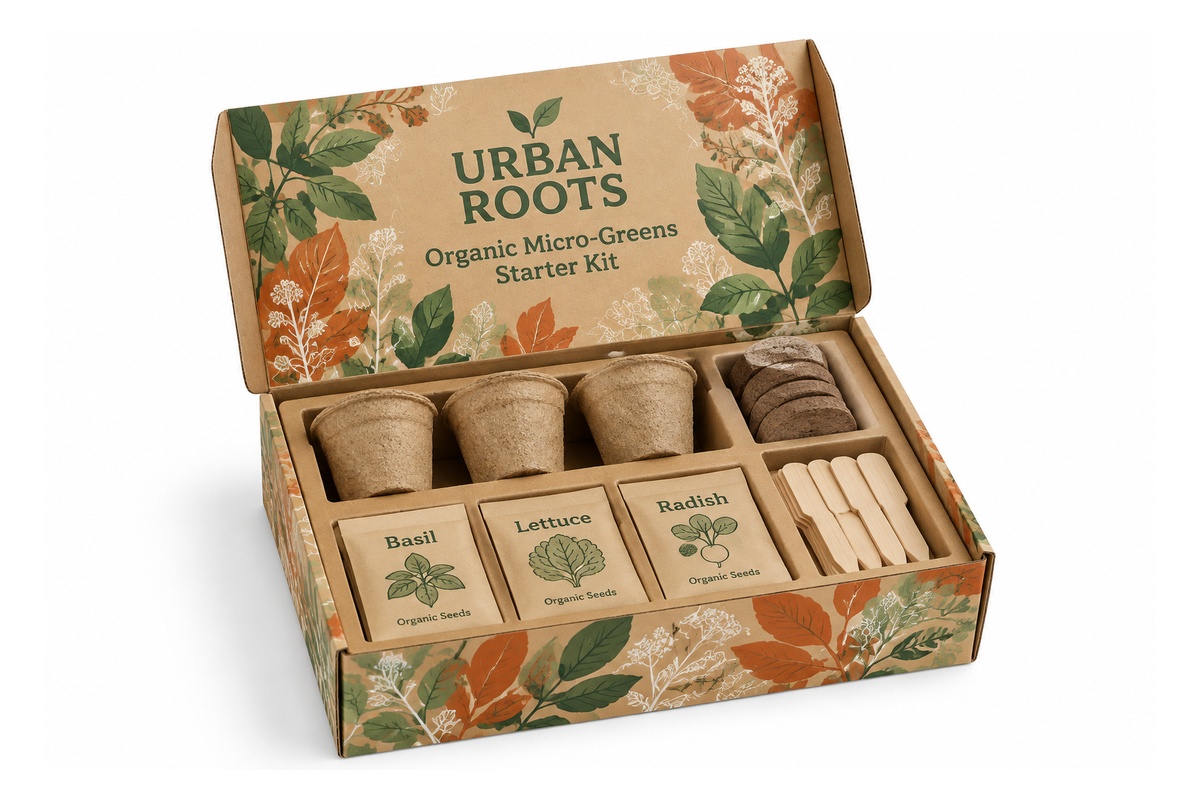
A natural botanical starter kit box with molded fiber insert holding seedling pots, soil discs, and seed packets.

A tranquil two-piece micro-corrugated box with molded pulp insert holding diffuser bottles, reed sticks, and bath salts.
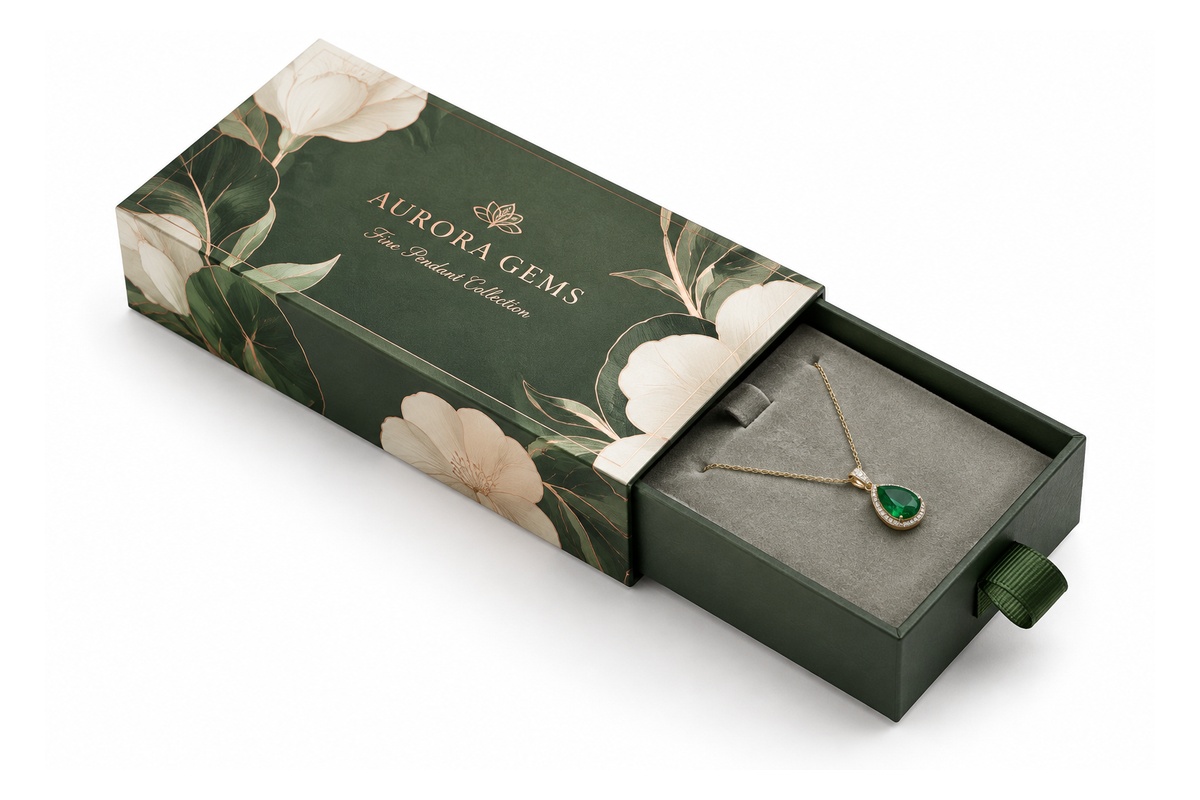
An elongated sliding sleeve drawer box in forest moss green with anti-tangle velvet card insert for gold chain necklaces.
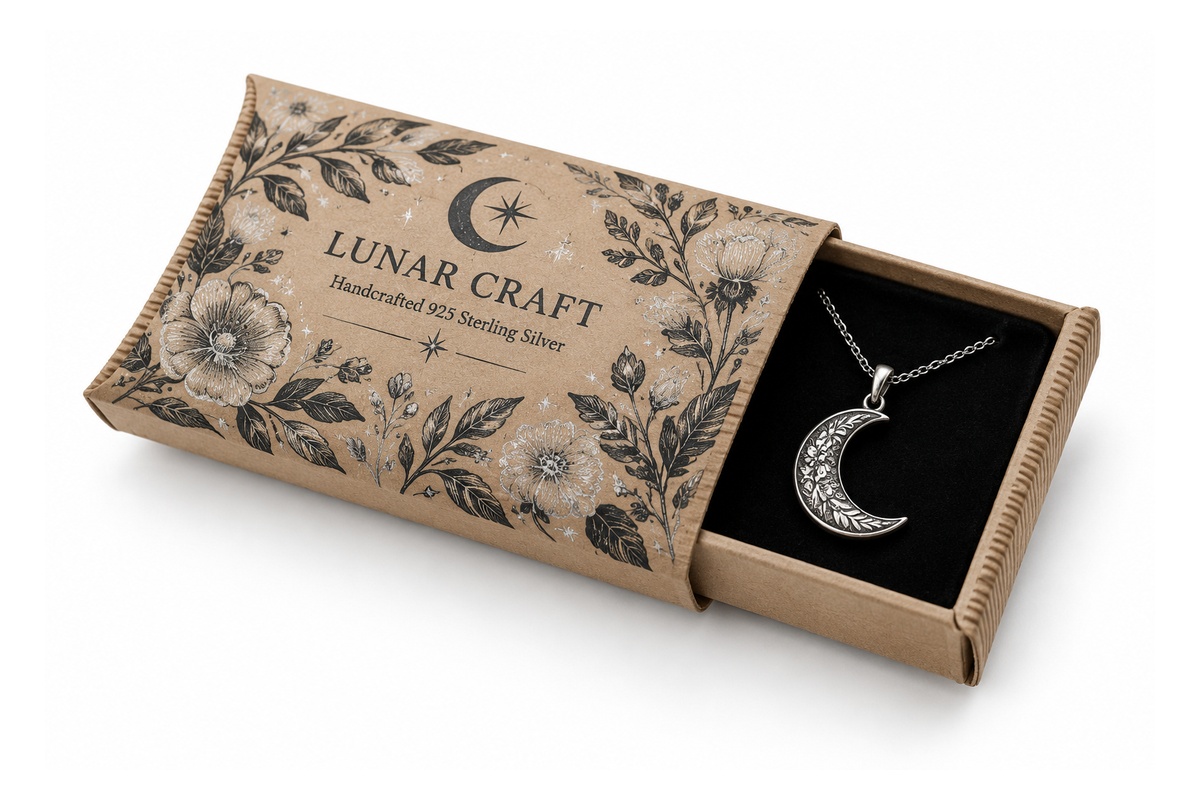
An artisan boutique micro-corrugated matchbox carton in unbleached kraft with visible flutes and black velvet pendant card.

A clean micro E-flute auto-lock bottom carton propped open to show two amber vitamin bottles in an integrated paperboard insert.
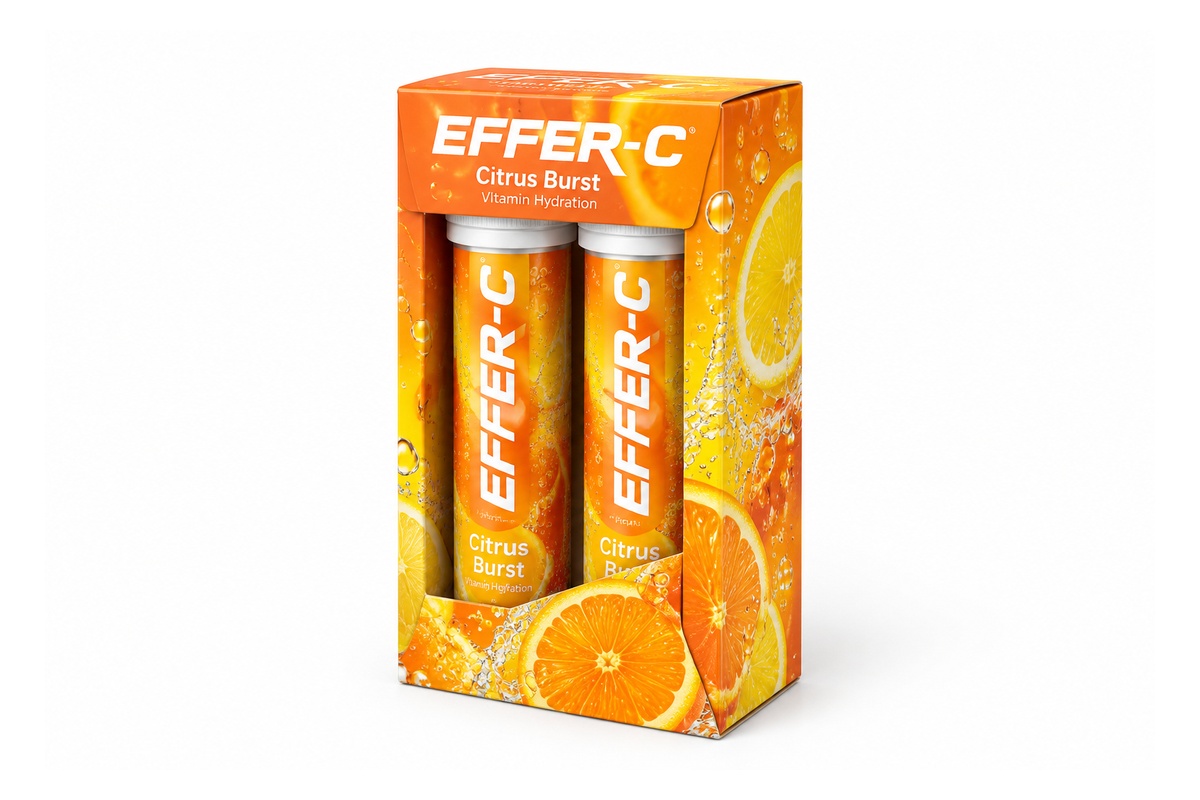
A slim micro-flute folding carton with tuck flaps holding two cylindrical aluminum effervescent vitamin tubes.
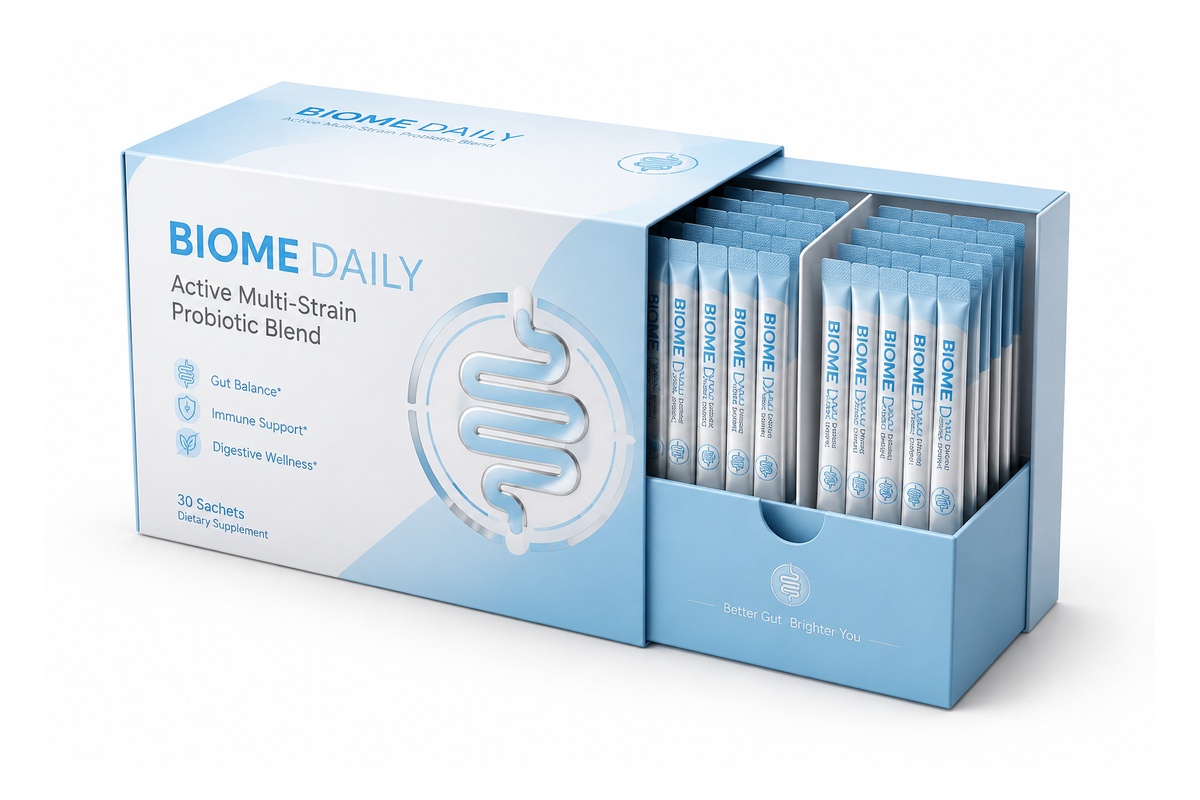
A sliding drawer dispenser carton with inner tray holding thirty foil probiotic sachets standing in dual channels.
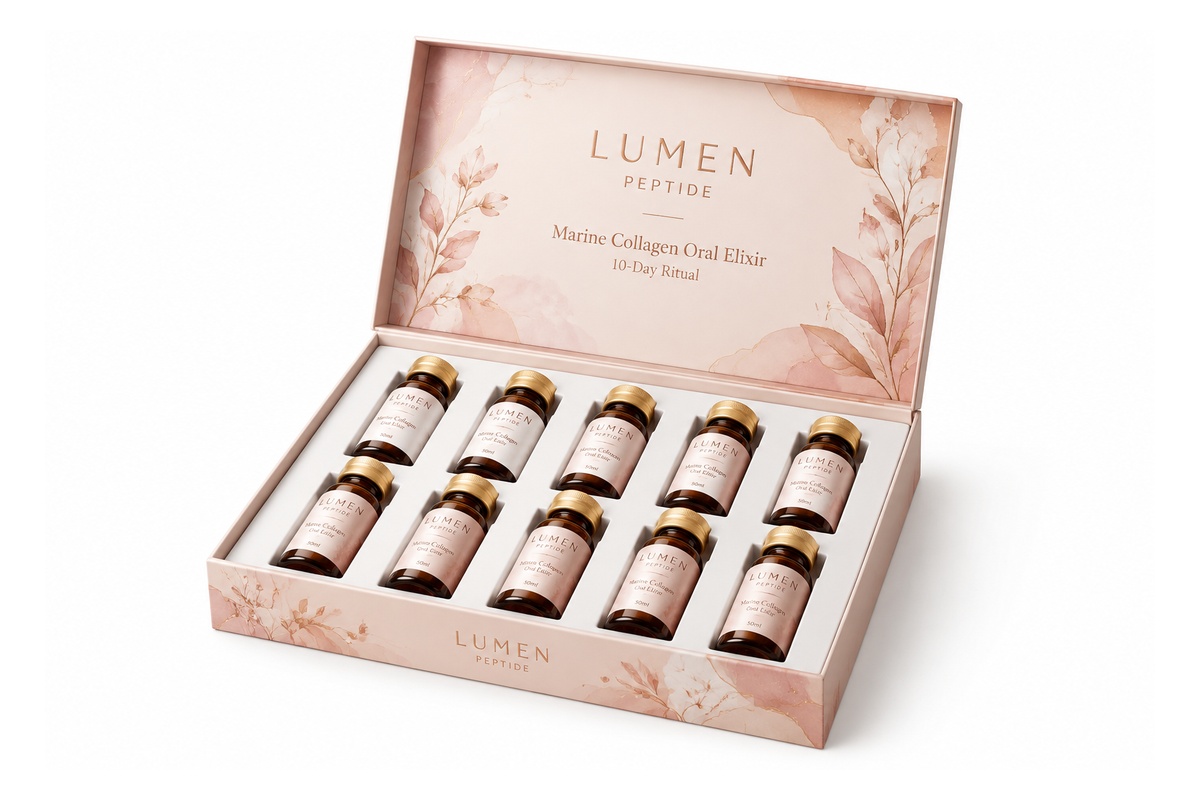
A luxury micro E-flute presentation box with custom die-cut grid insert holding ten 50ml glass drink vials.
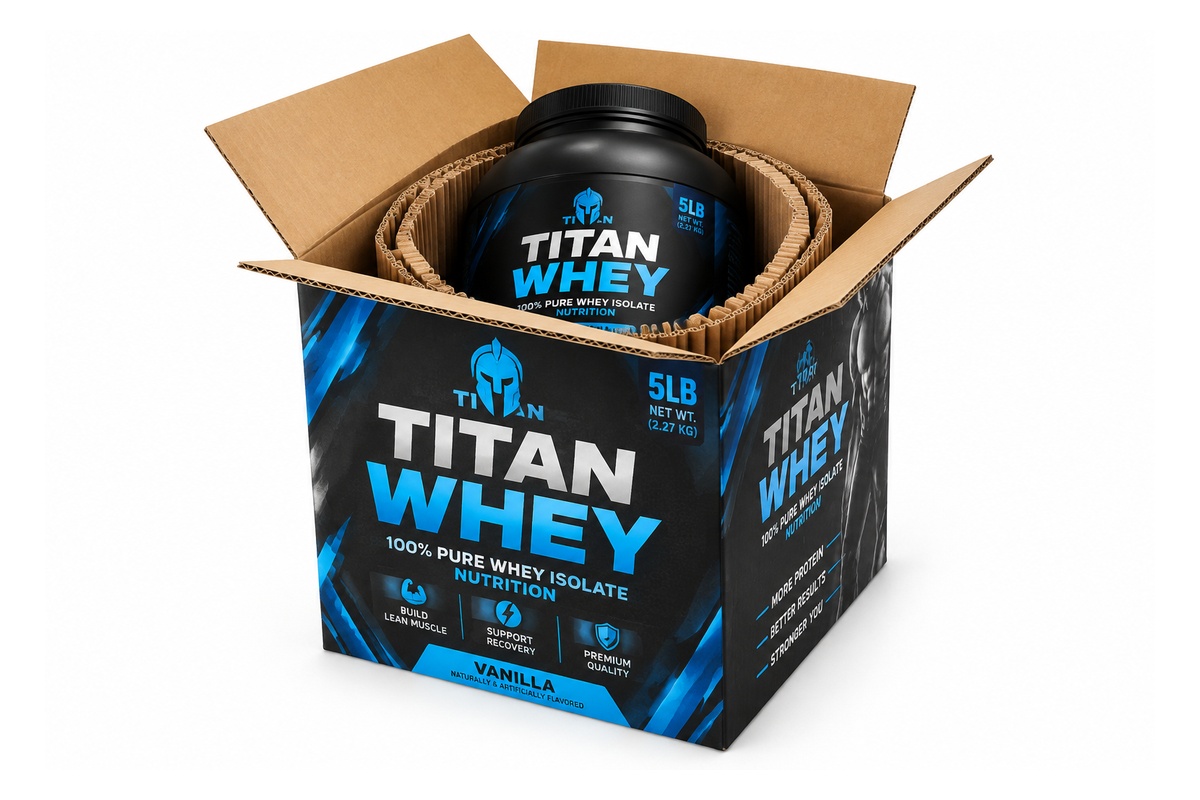
A heavy-duty corrugated shipping master carton holding a 5lb fitness protein tub with internal buffer ring.

A countertop micro-flute dispenser caddy with perforated lower door dispensing herbal tea envelopes smoothly.
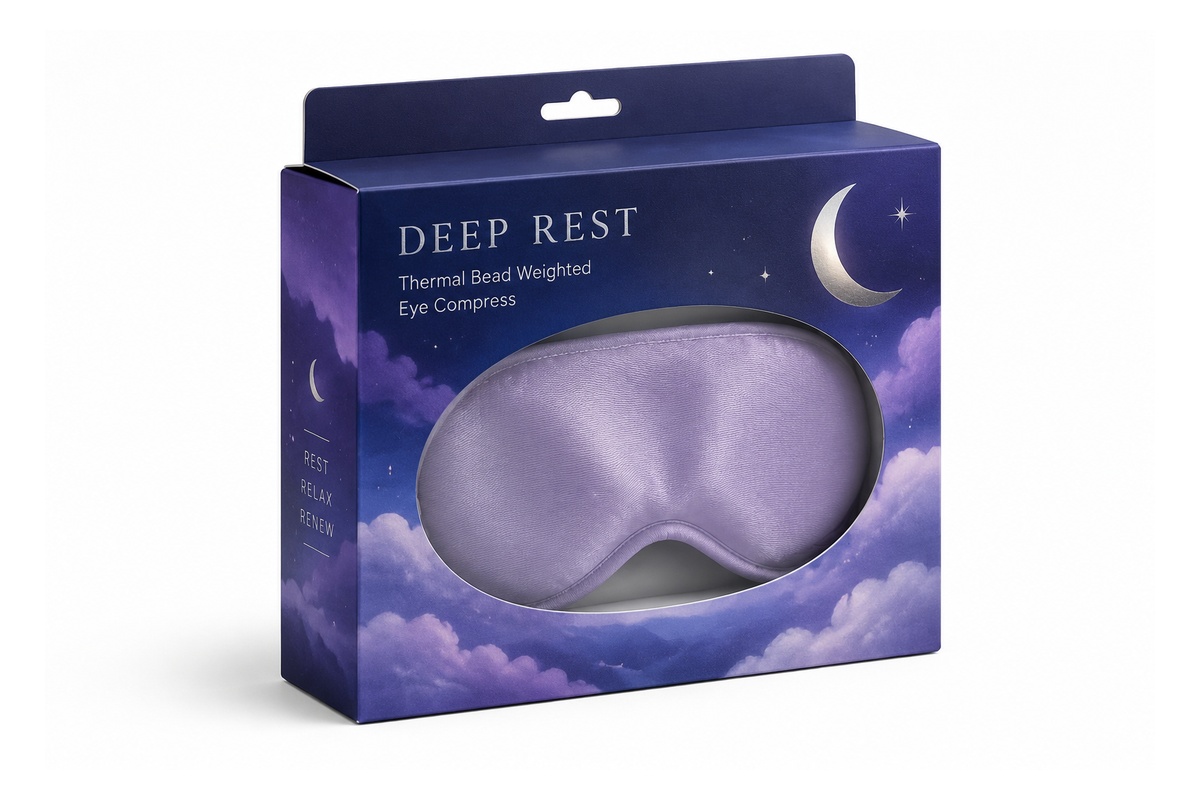
A micro E-flute tuck carton with oval PET window showcasing the silk texture of a weighted sleeping eye mask.
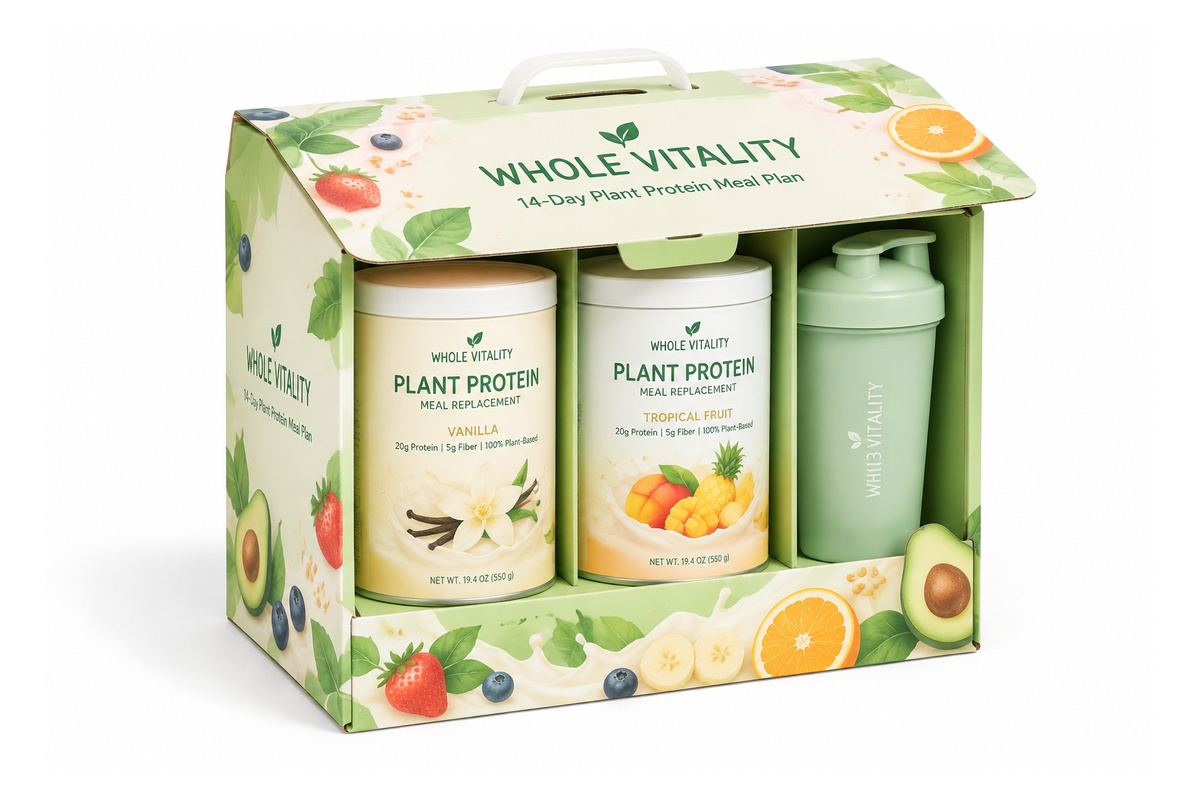
A carry carton with integrated handle and paperboard partitions holding two shake tubs and a Tritan shaker bottle.
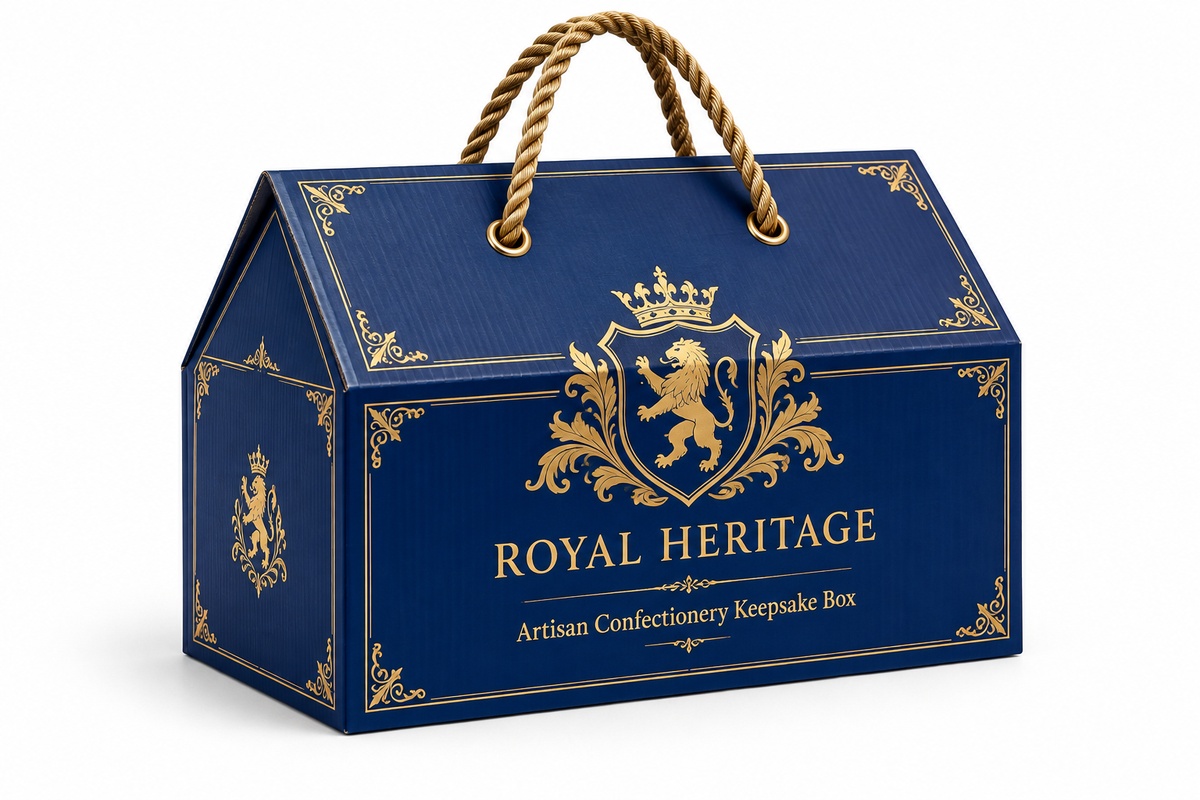
An engineered architectural castle turret pitched gable corrugated gift box.
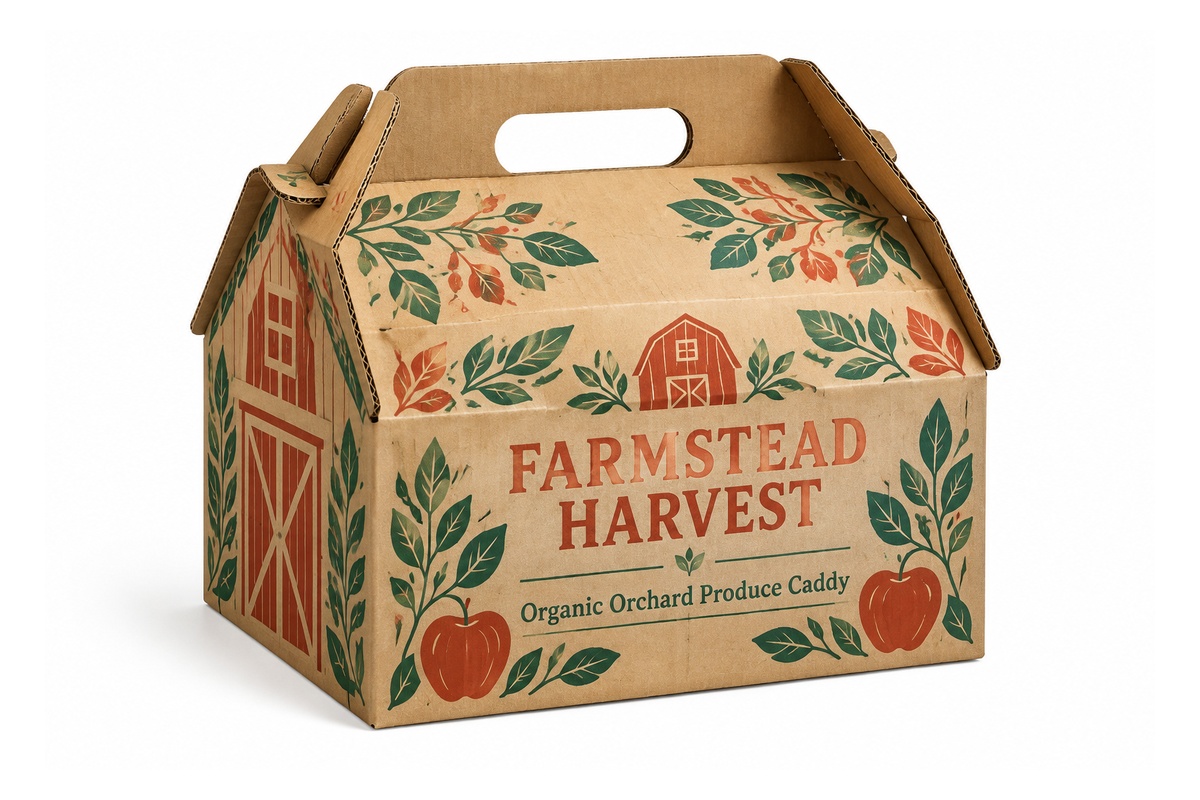
A tailored rustic barn-style interlocking gable corrugated carrier box.
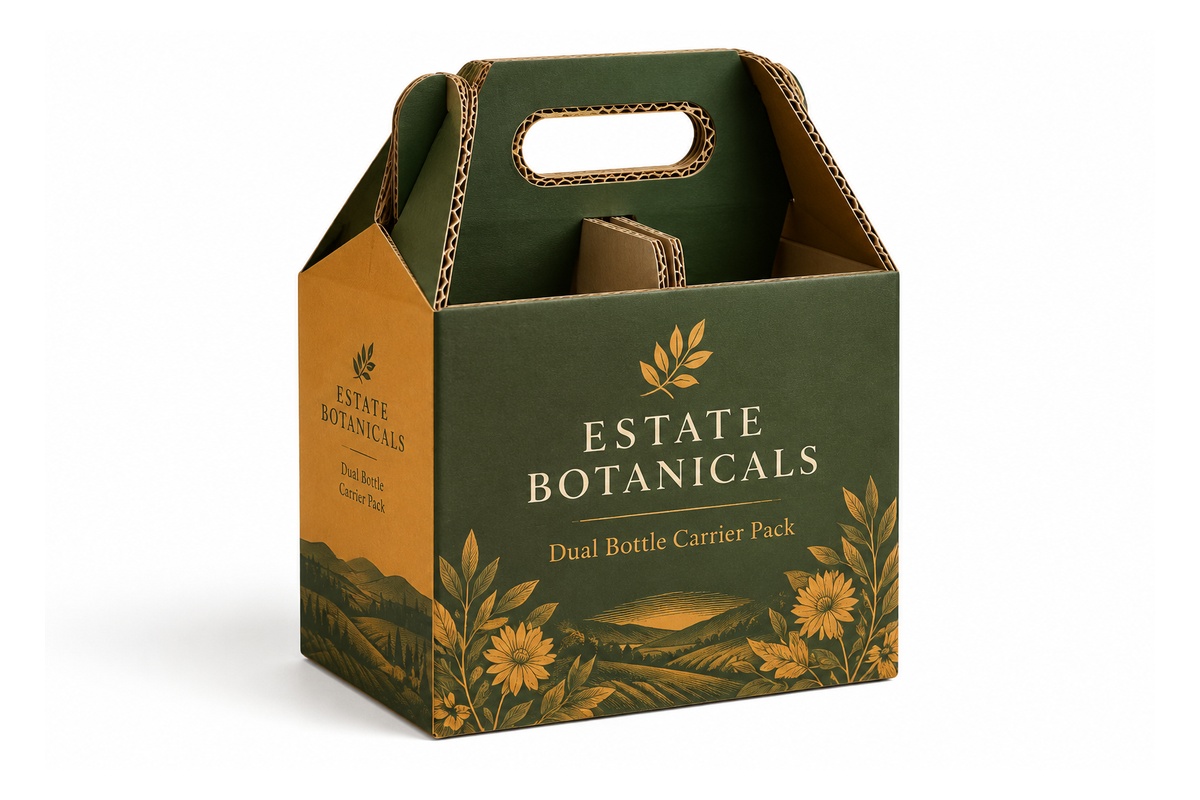
A tailored heavy-duty twin-bottle reinforced gable corrugated carrier box.
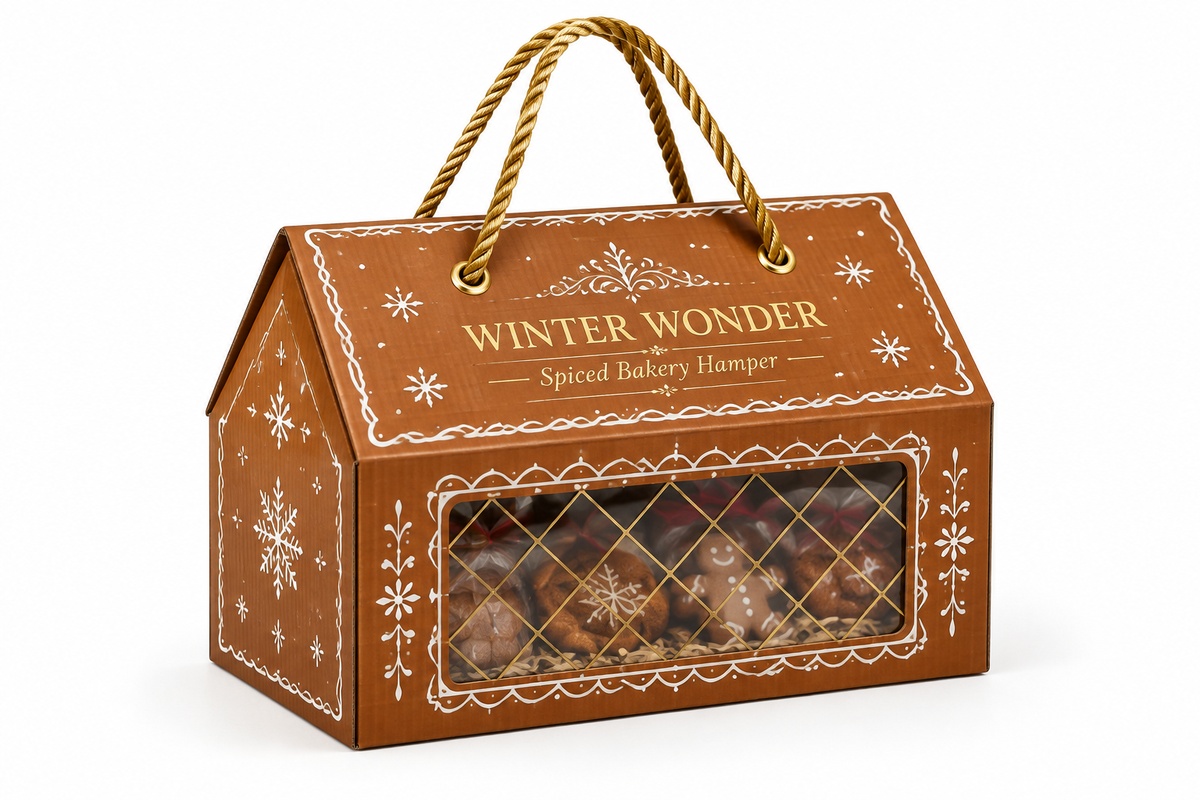
A tailored festive gingerbread house pitched gable corrugated gift box with die-cut lattice windows.
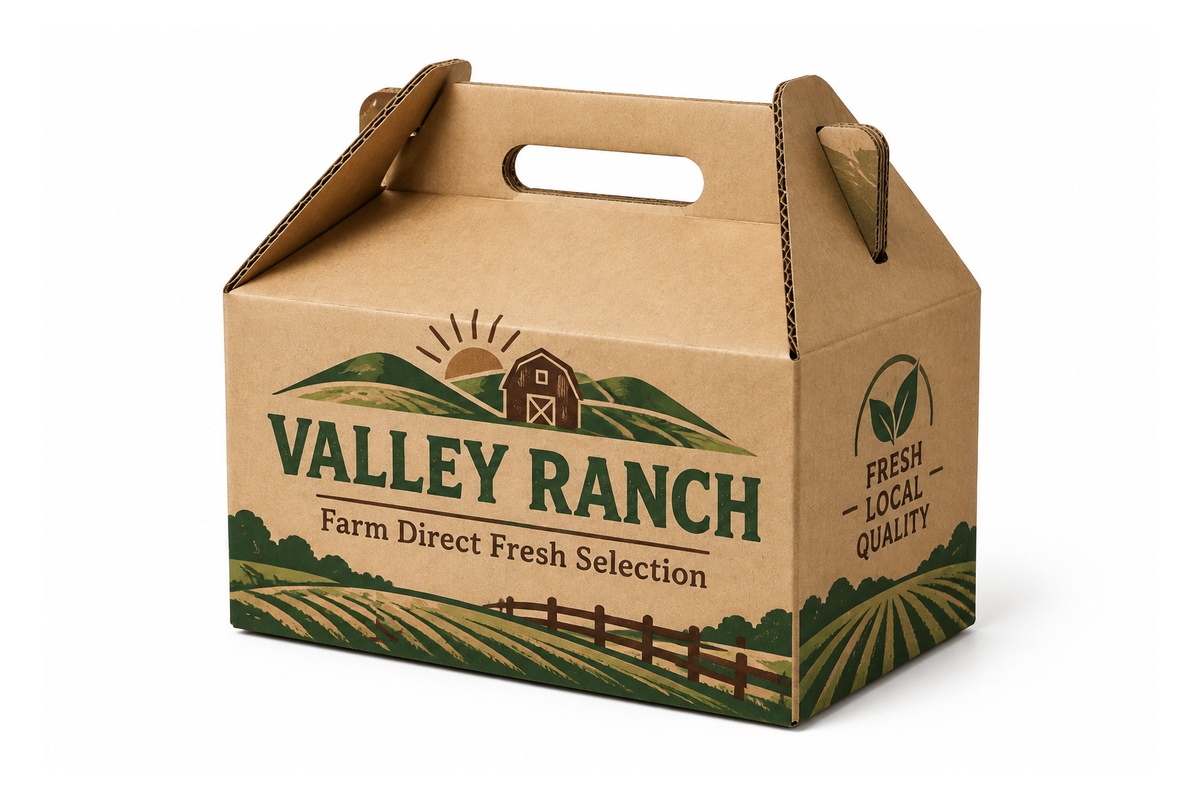
A tailored wide-mouth foldable farm gable corrugated carton.
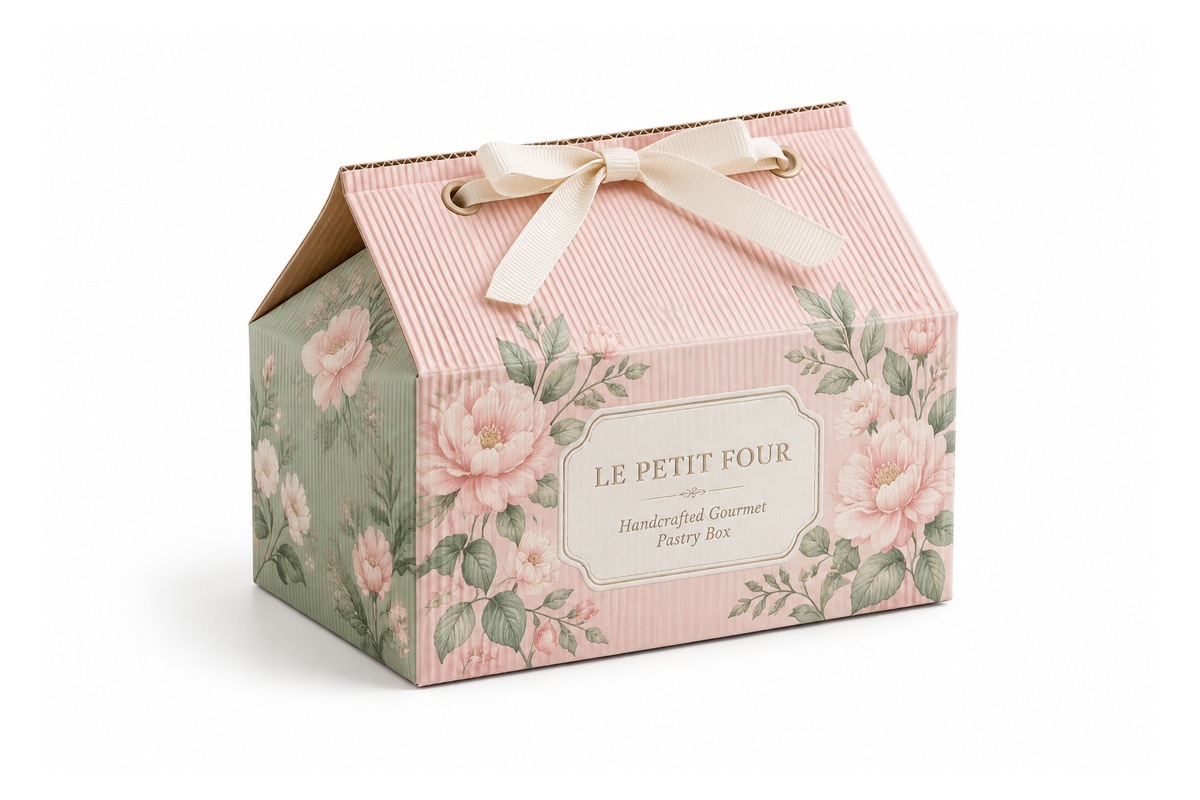
A tailored compact patisserie single-tier gable corrugated gift box.
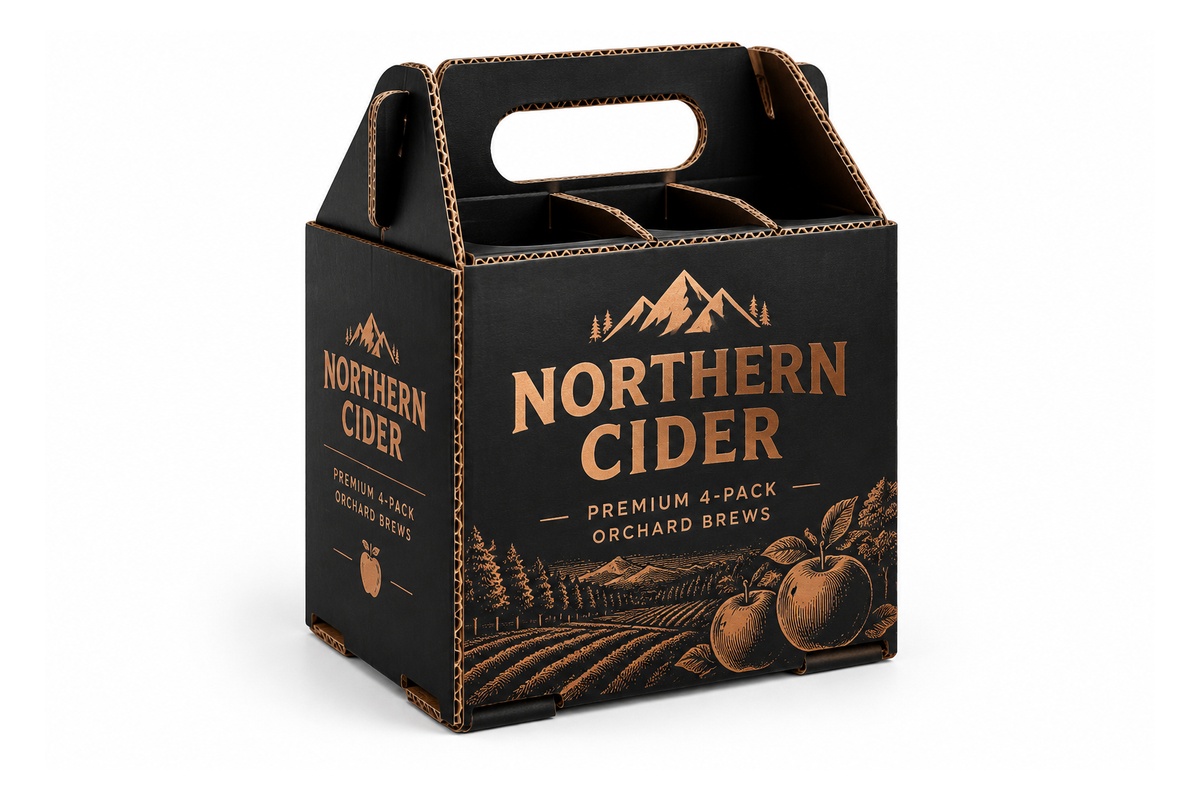
A tailored heavy-duty double-wall gable corrugated beverage carrier box.
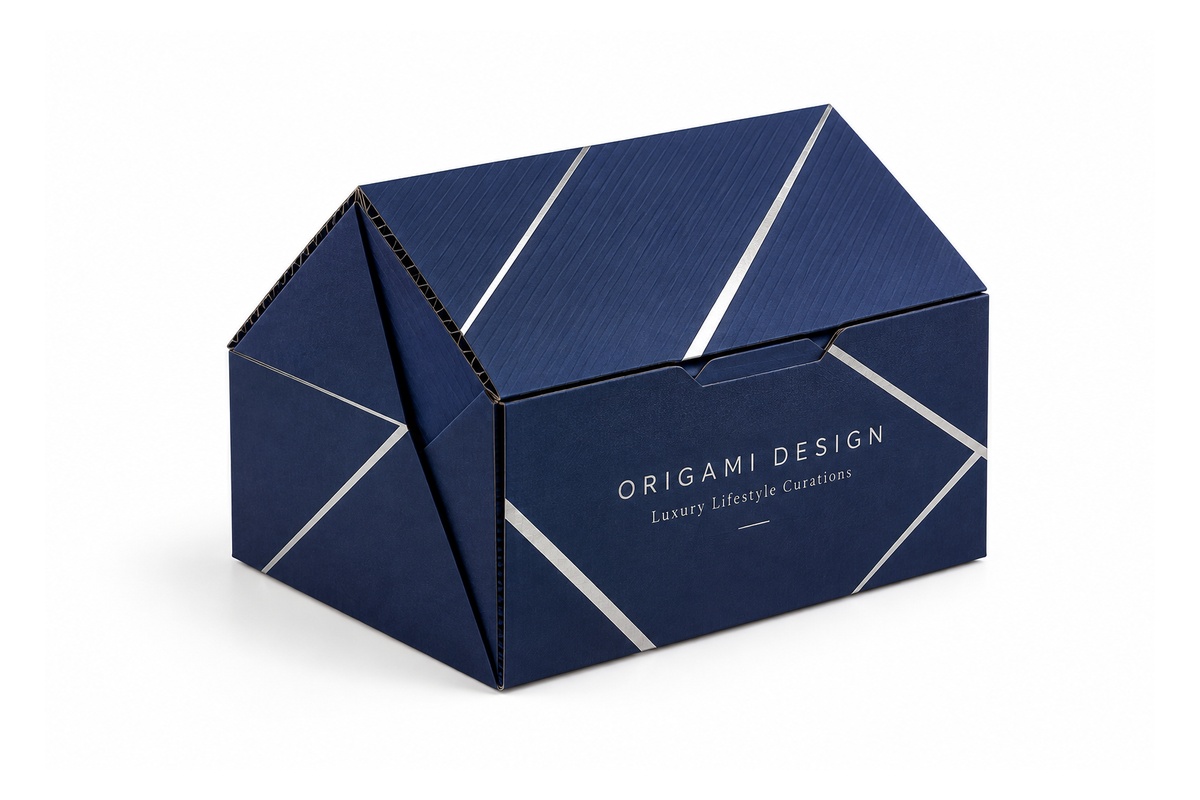
An engineered avant-garde origami slanted double-crease gable corrugated gift box.
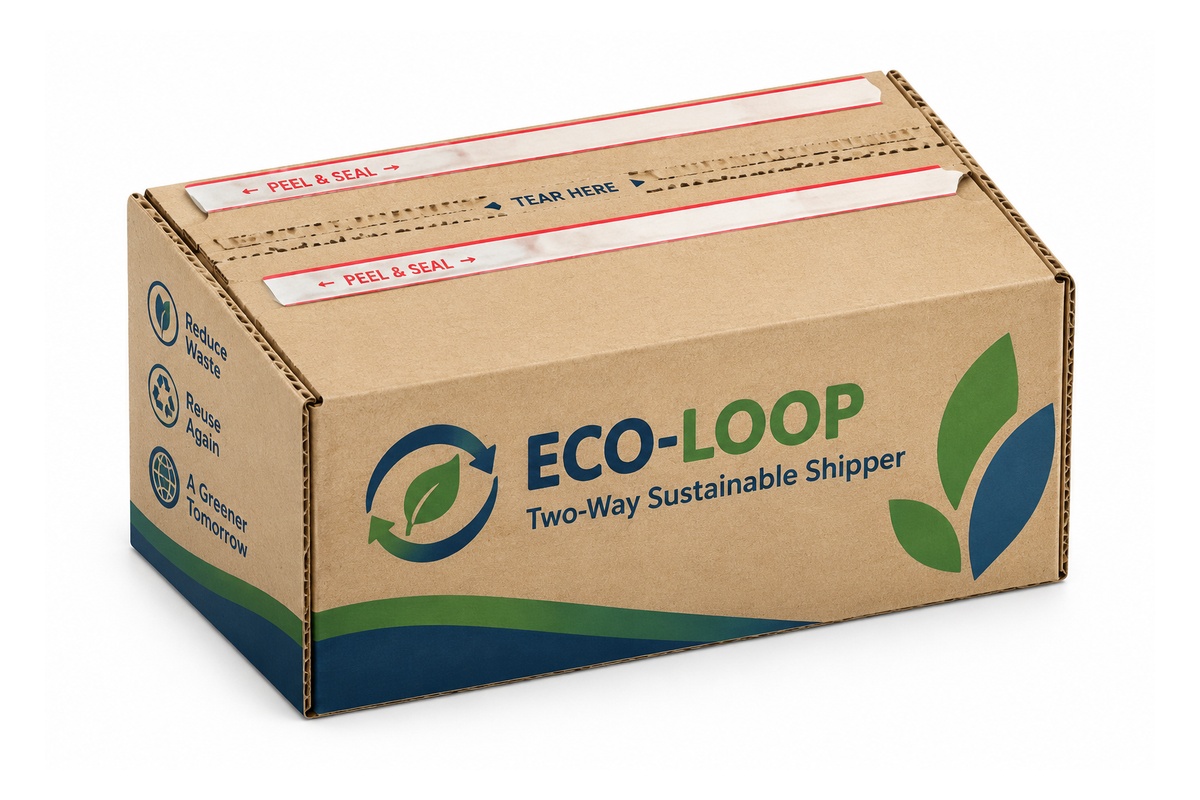
A tailored dual tear-strip two-way returnable corrugated mailer box.
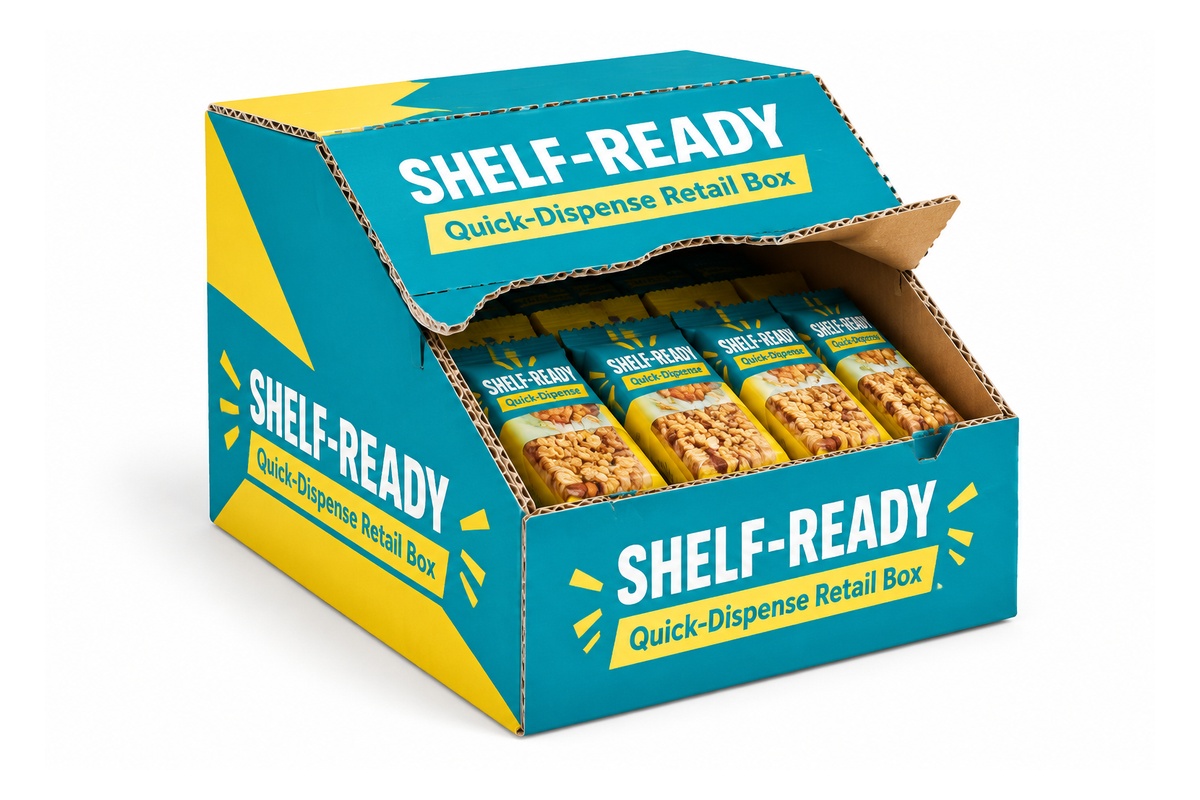
A tailored shelf-ready packaging (SRP) perforated tear-off corrugated display carton.
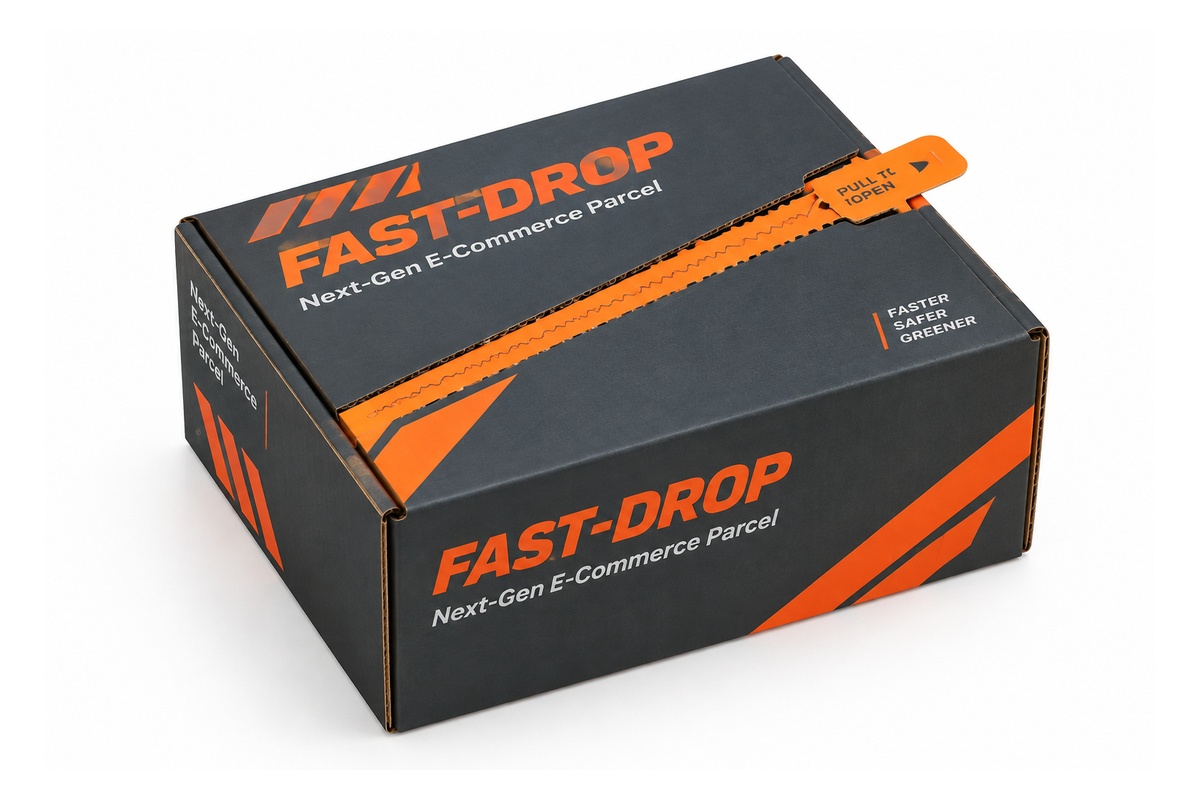
A tailored modern corrugated courier box with a diagonal quick-unboxing tear zipper.
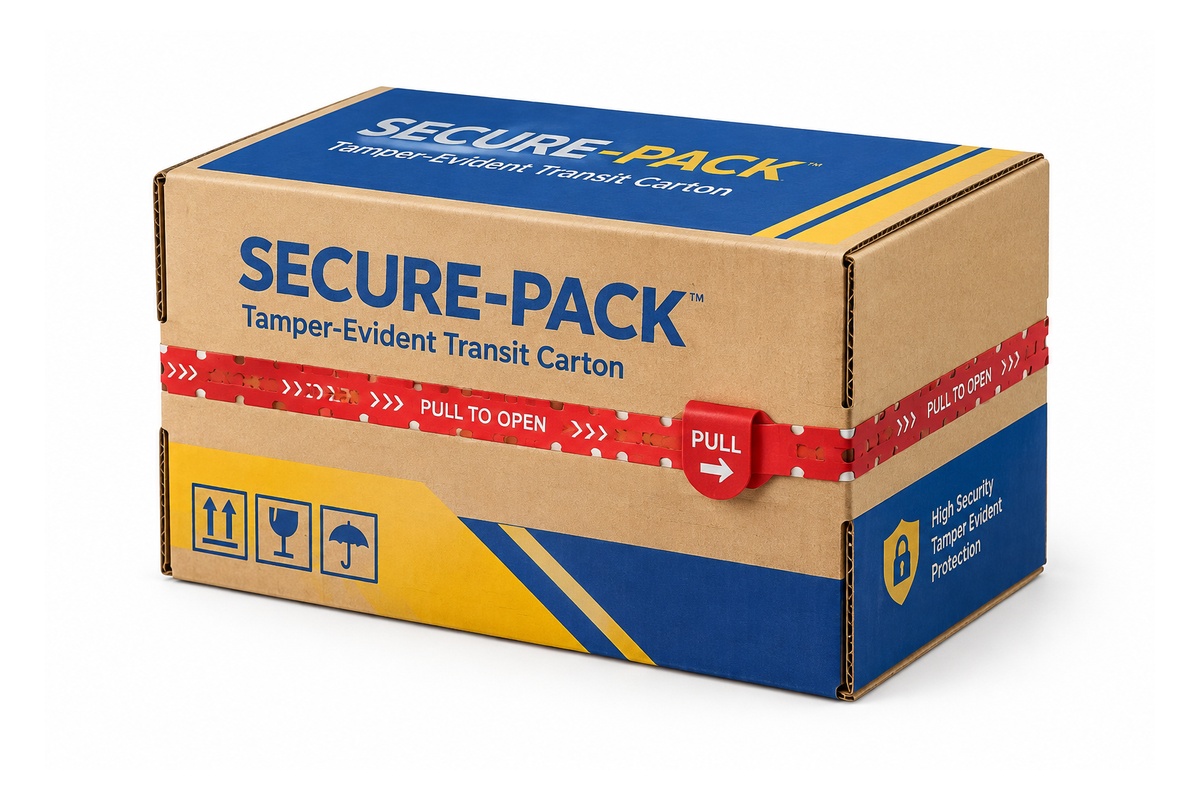
A tailored high-security circumferential tamper-evident tear-strip corrugated box.
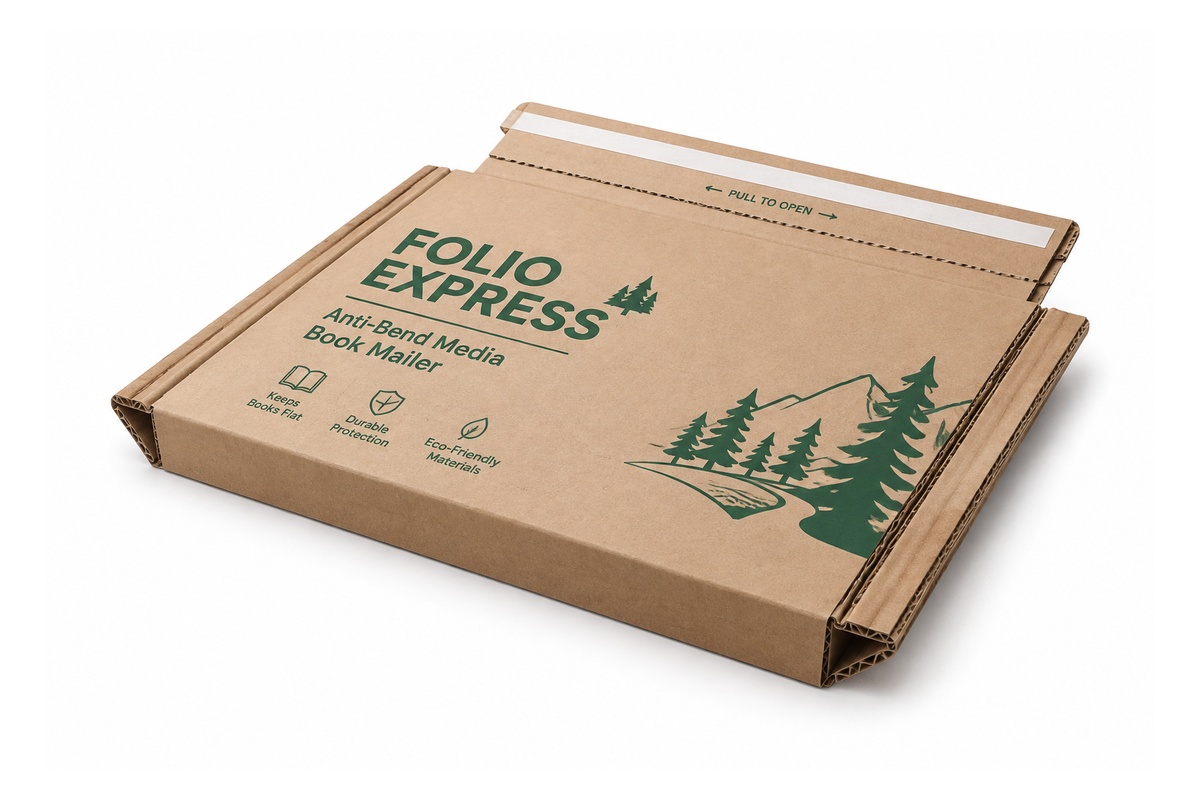
A tailored slim book-folder corrugated mailer with integrated tear-strip zipper.
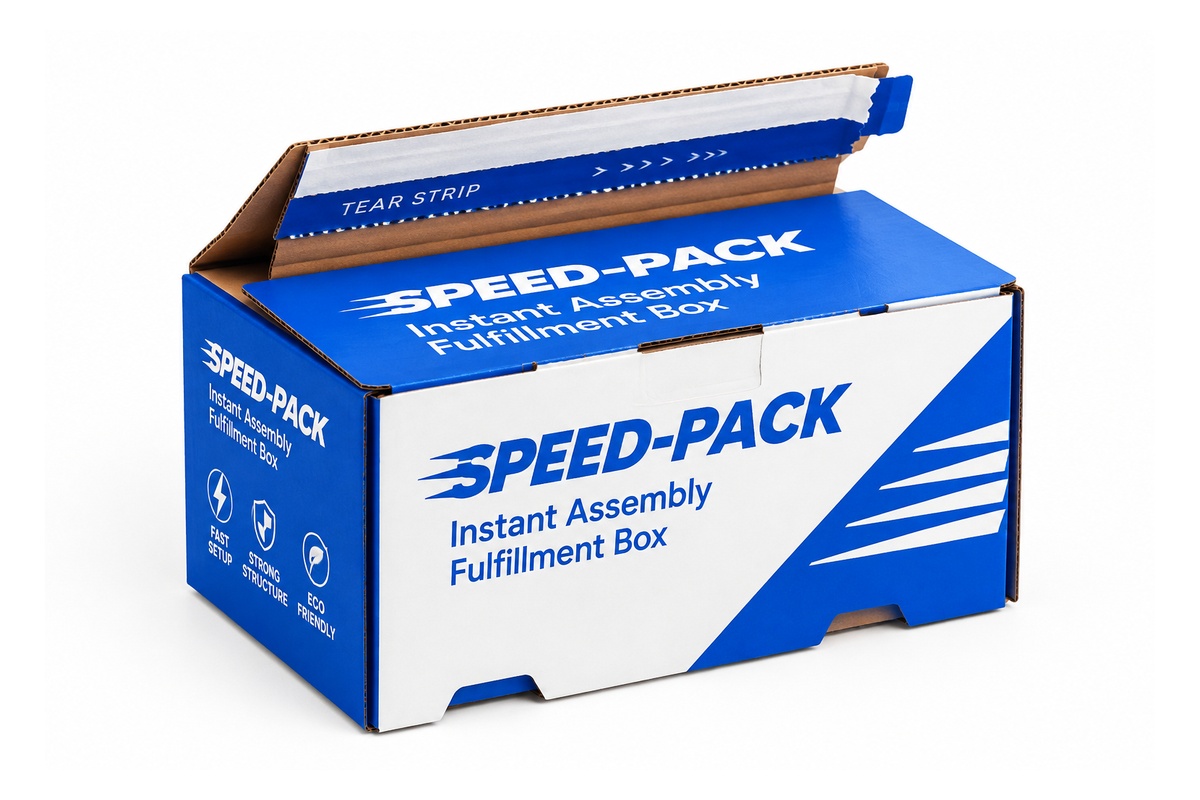
A tailored speed-packing auto-bottom corrugated carton with top tear-strip zipper.
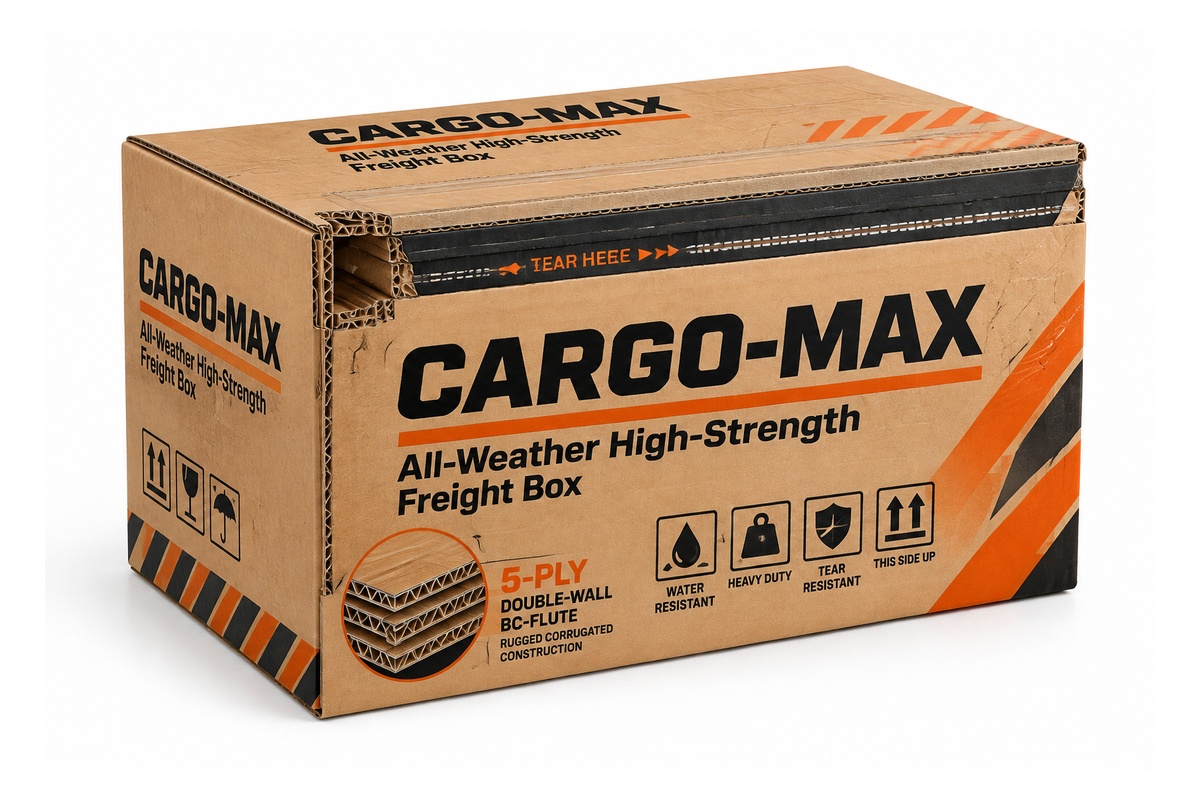
A tailored heavy-duty waterproof coated corrugated freight carton with reinforced tear zipper.
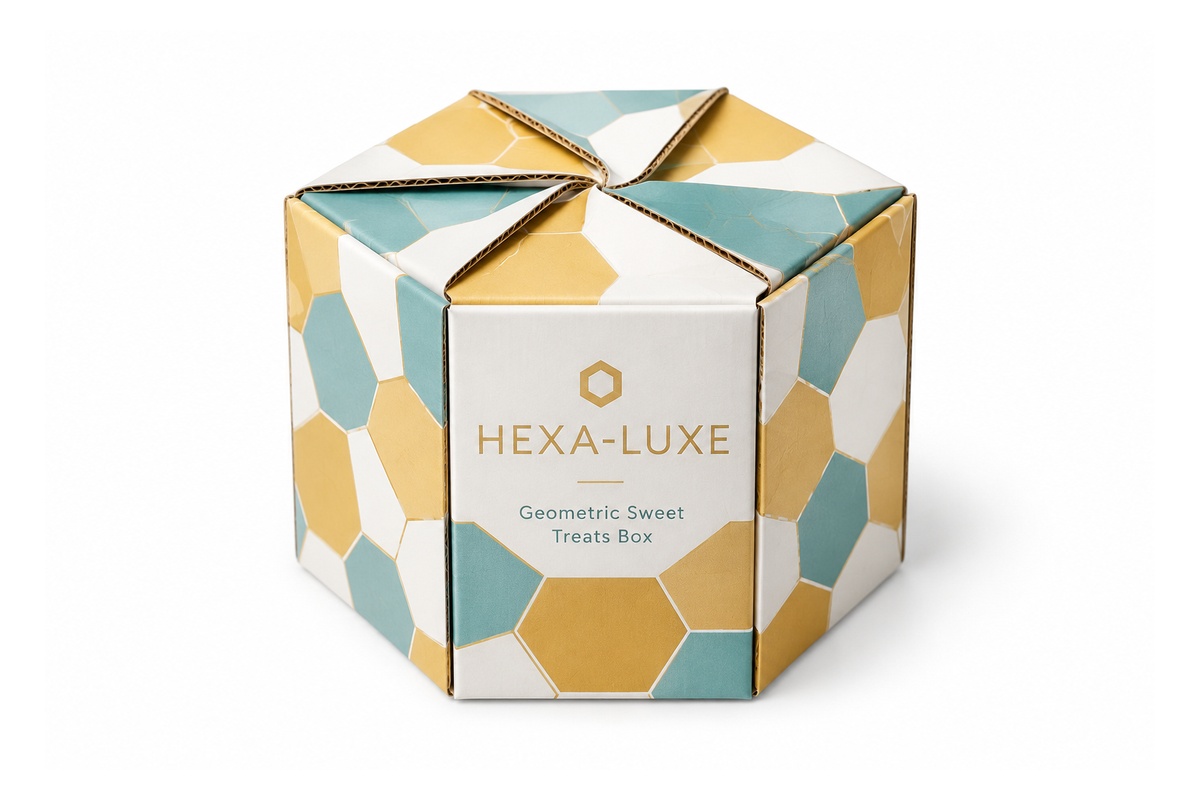
A tailored geometric hexagonal six-sided micro-corrugated gift box.
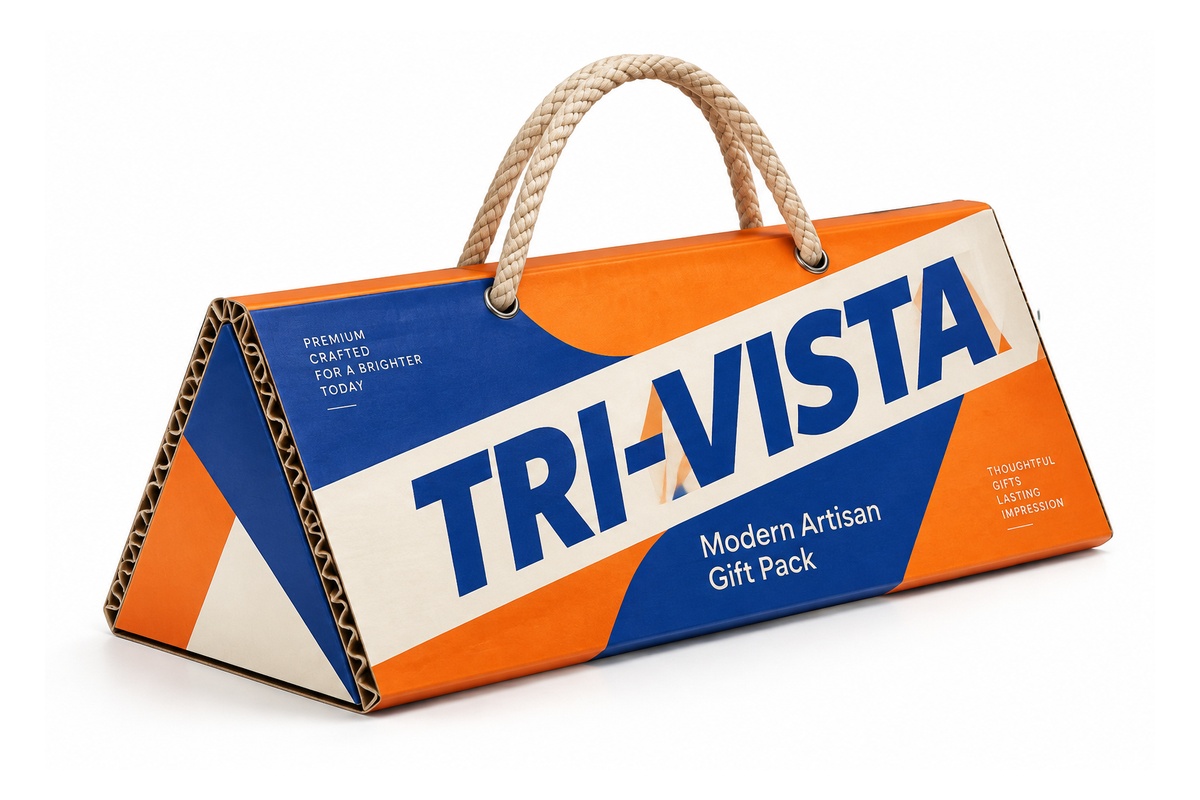
An engineered architectural triangular prism corrugated gift box with integrated rope handle.
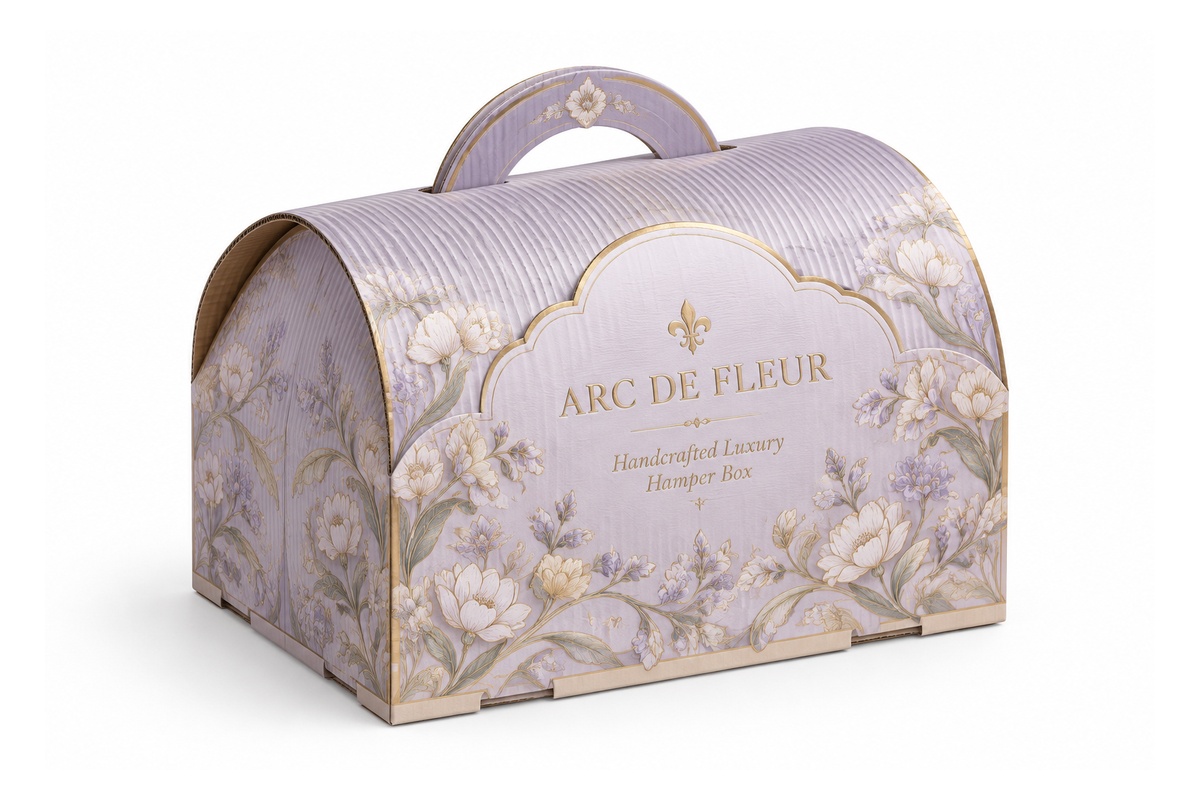
An engineered elegant sculpted arch-dome top corrugated presentation carton.
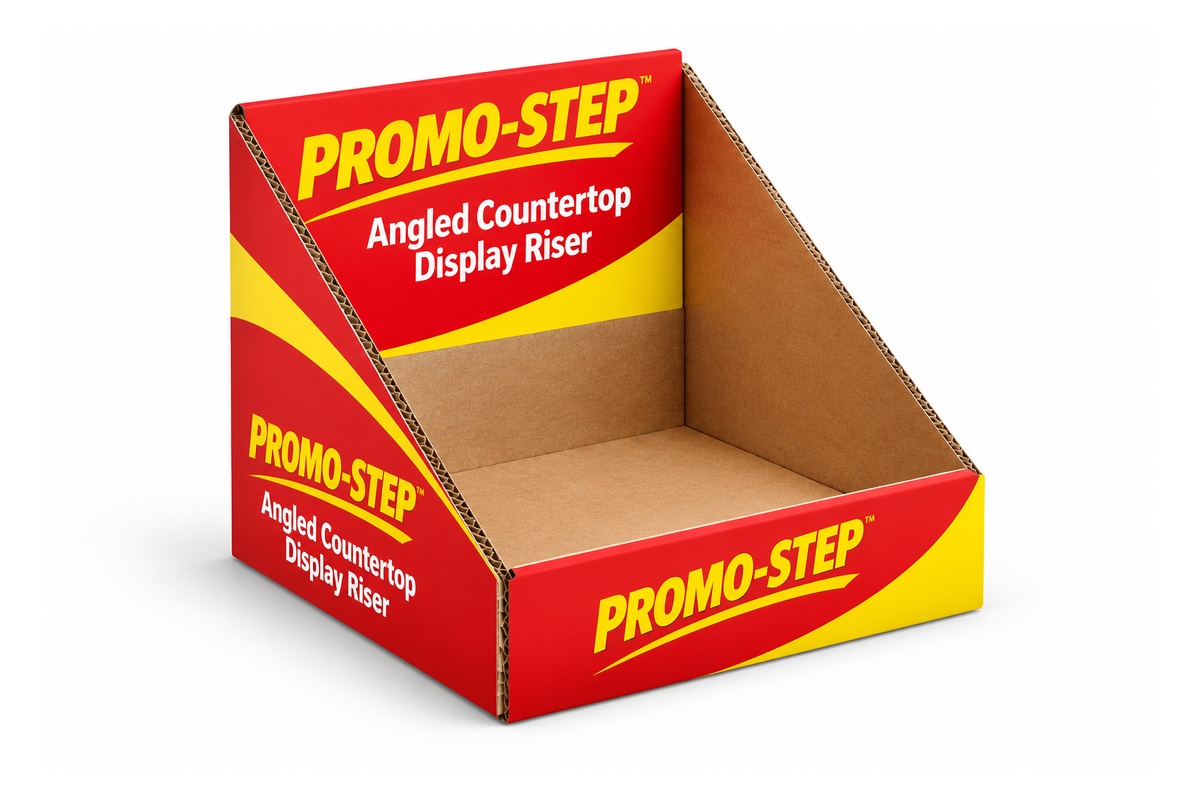
An engineered asymmetrical trapezoidal slanted front counter display carton.
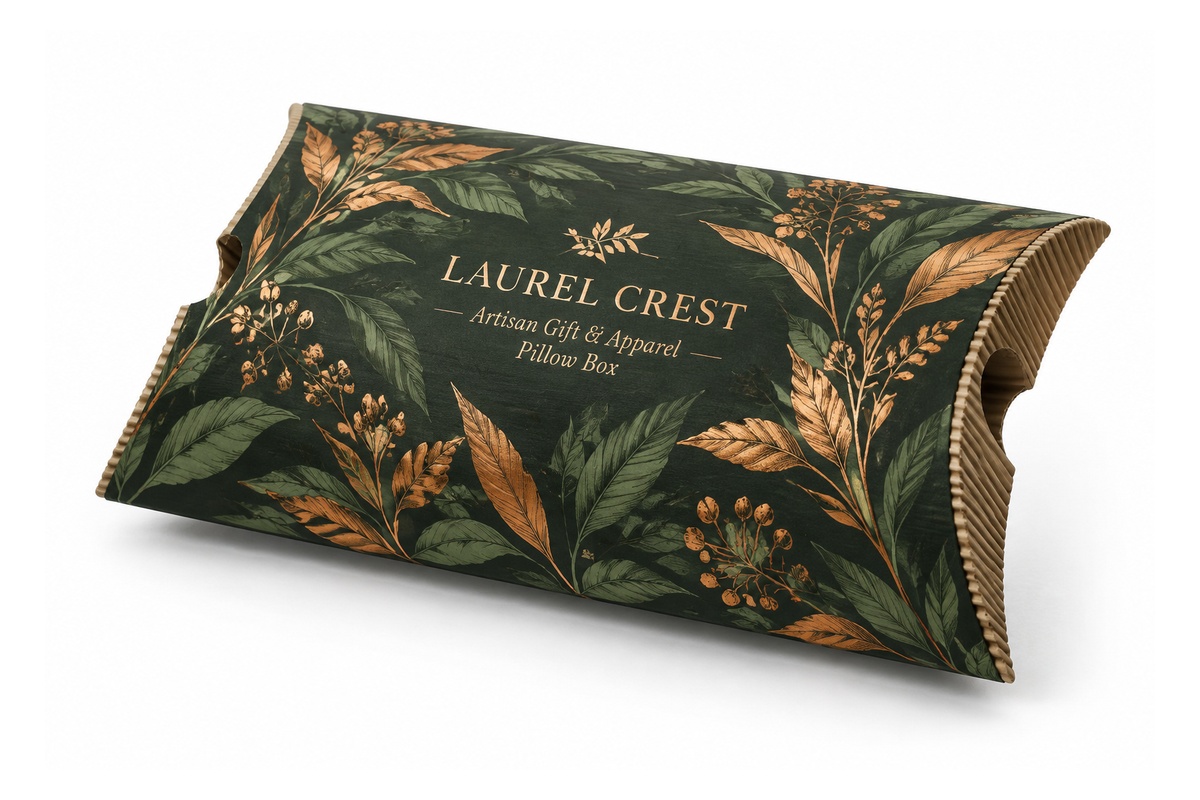
A tailored large curved pillow-fold micro-corrugated gift carton.
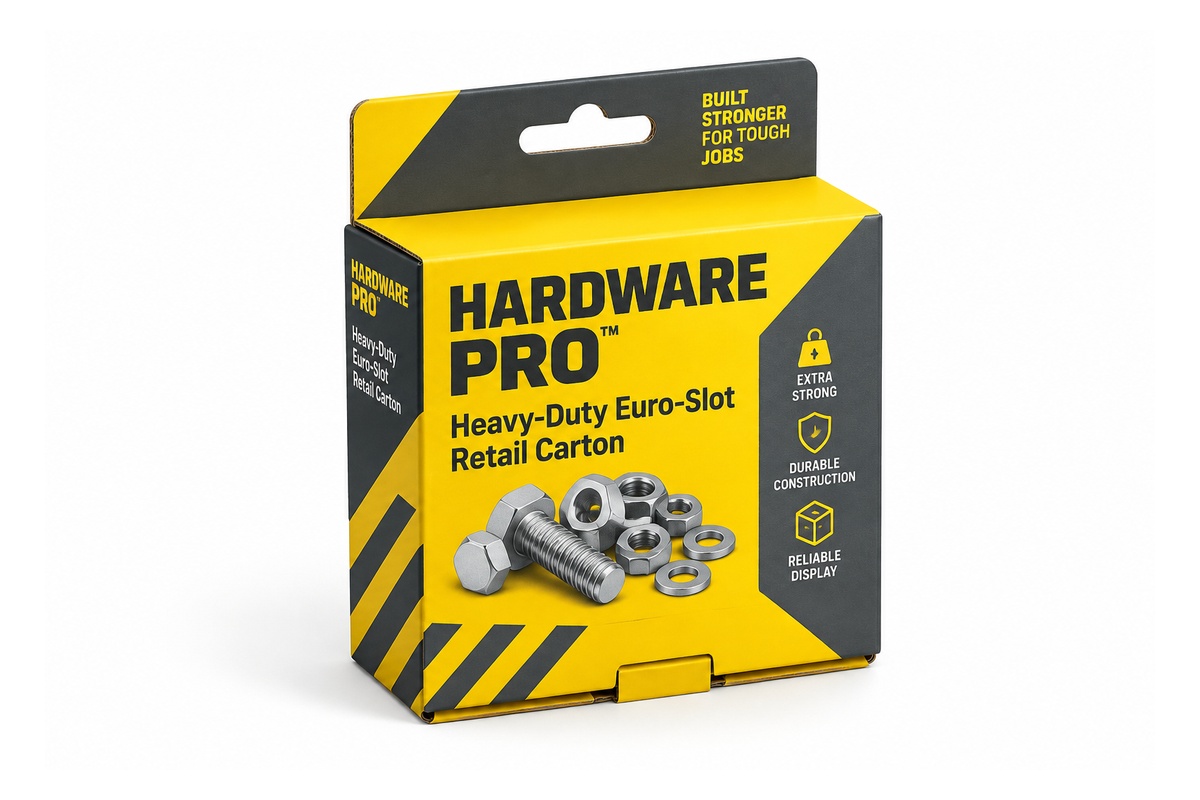
A tailored reinforced heavy-duty corrugated retail hanging box.
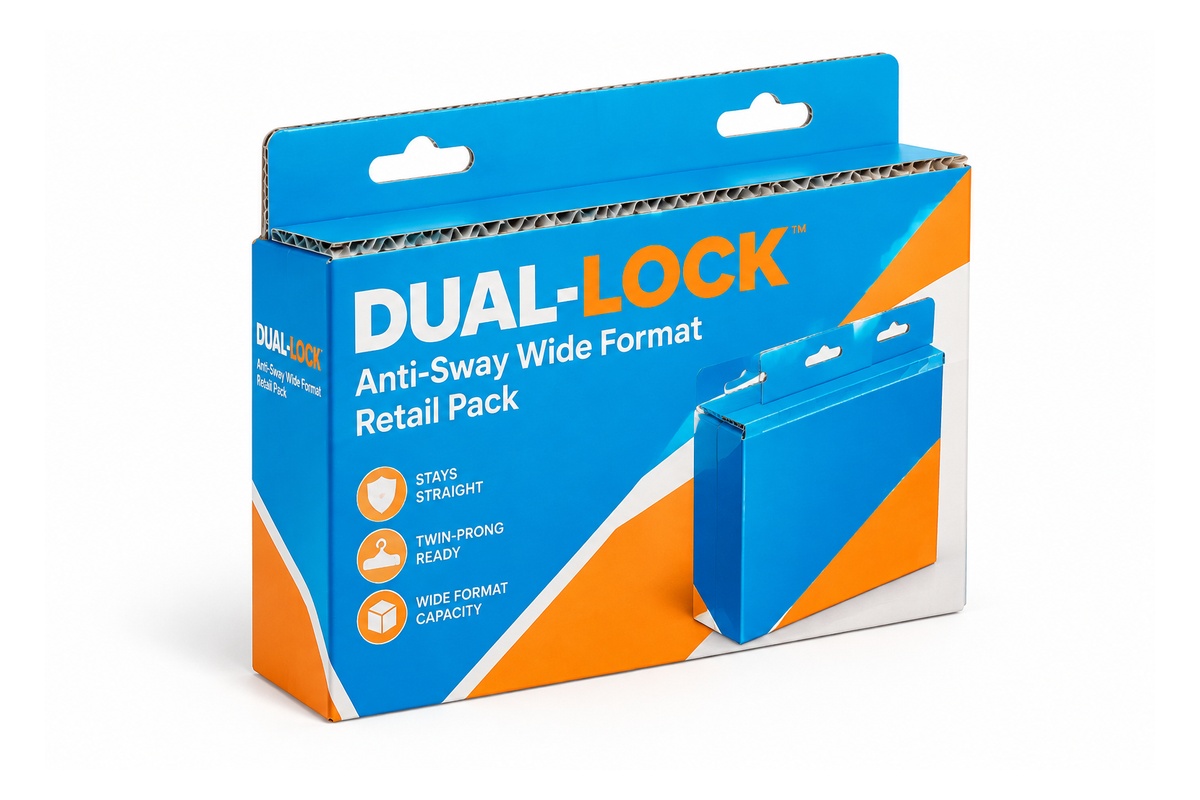
A tailored wide-body dual hang-hole anti-sway corrugated retail box.
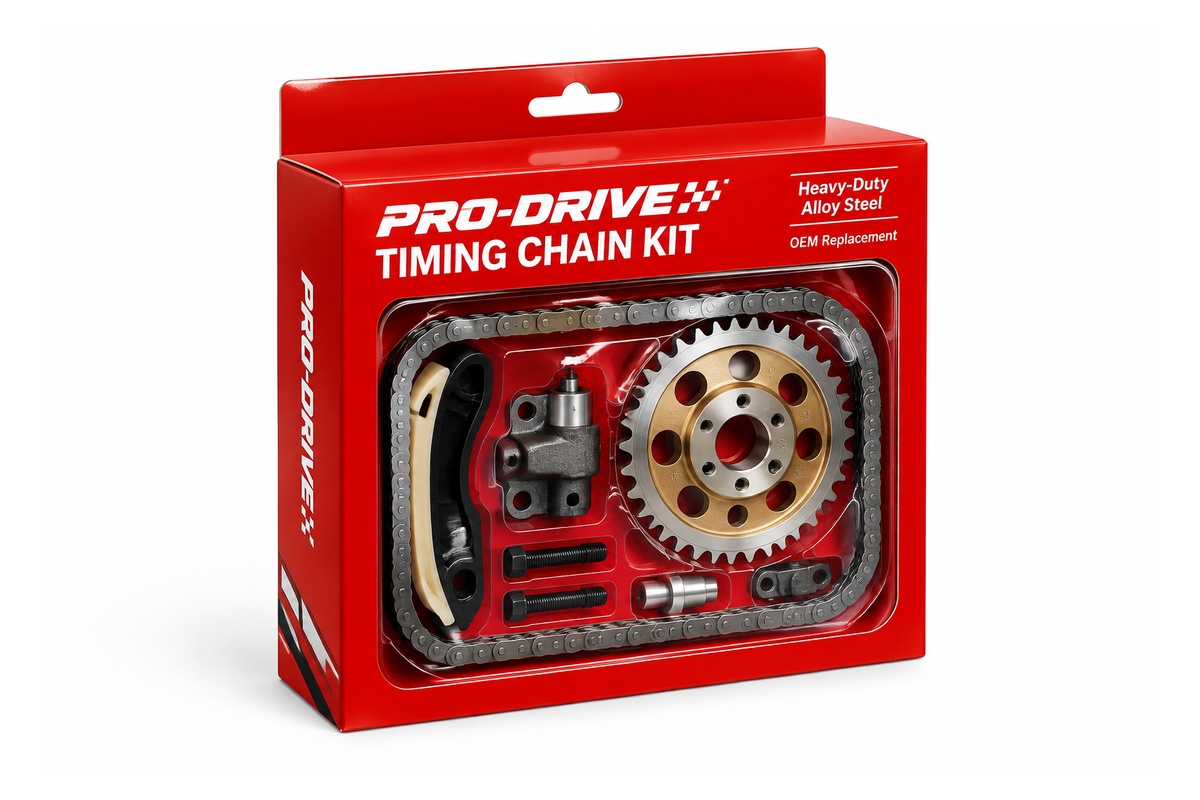
A heavy-duty Euro-slot corrugated retail hanging box with high-clarity contoured PET window showcasing engine timing chain and sprocket gears.
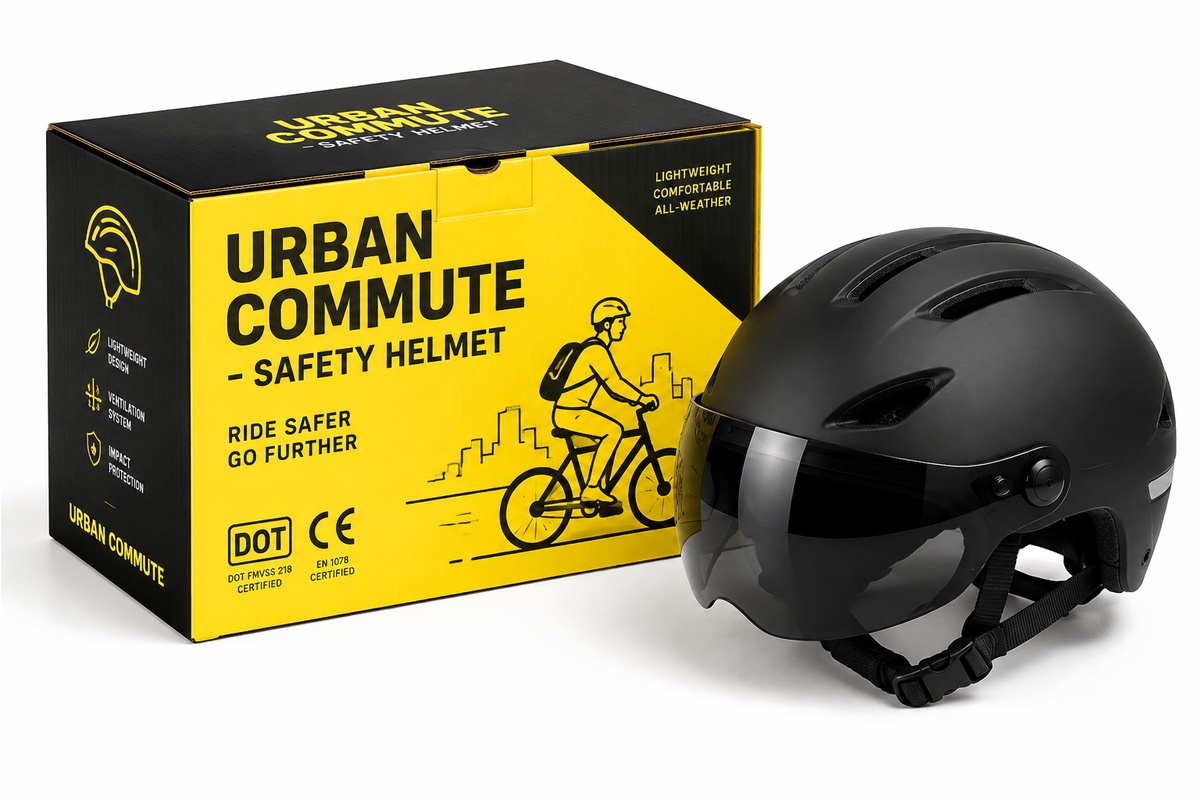
A high-visibility safety yellow and black micro-flute folding corrugated box engineered for urban commuter scooter and bicycle helmets.
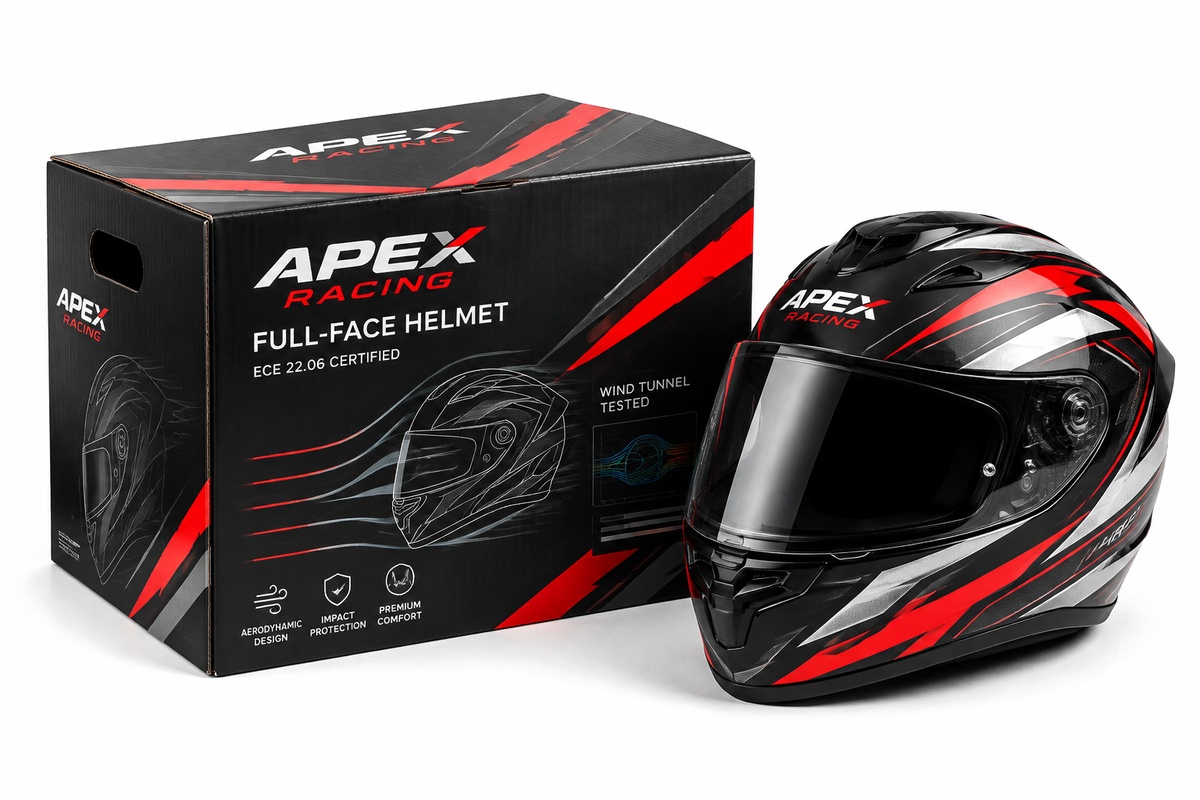
A heavy-duty litho-laminated double-wall corrugated carry master carton designed for full-face motorsport racing helmets.
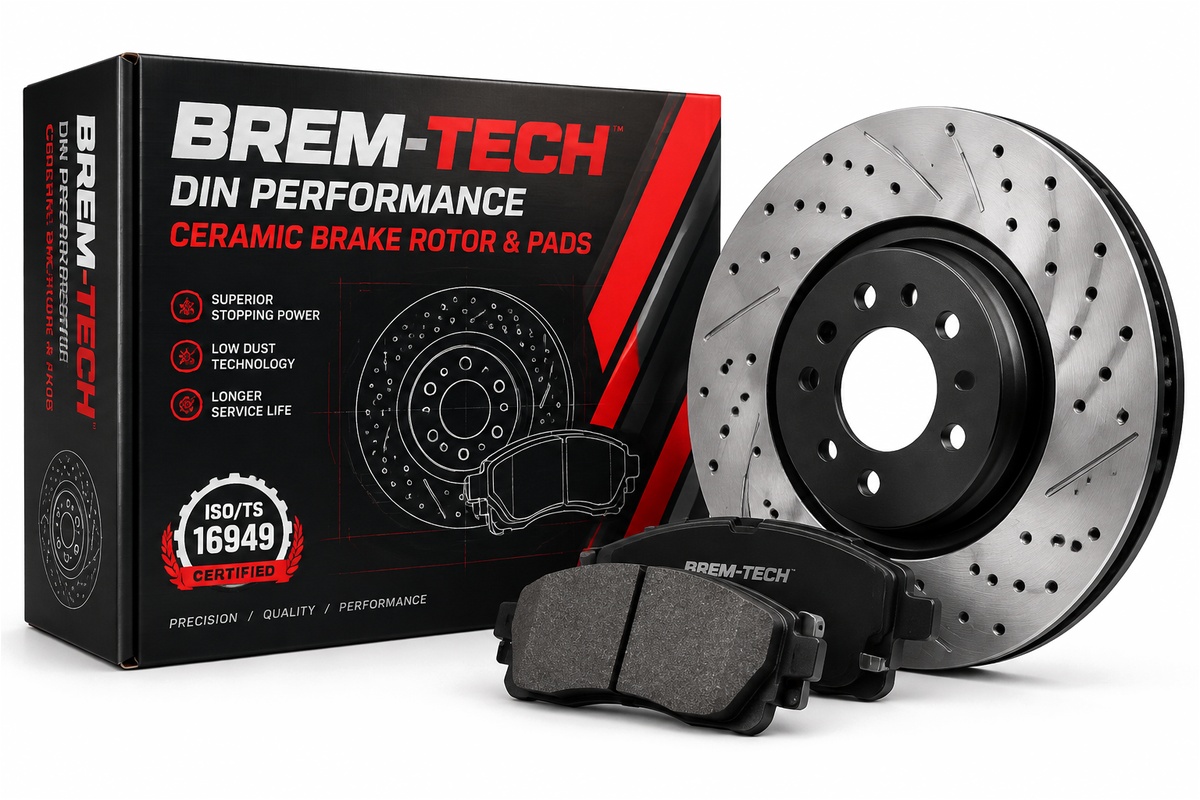
A crush-resistant heavy-flute corrugated box engineered to support dense, heavy ceramic brake discs and caliper pad sets.
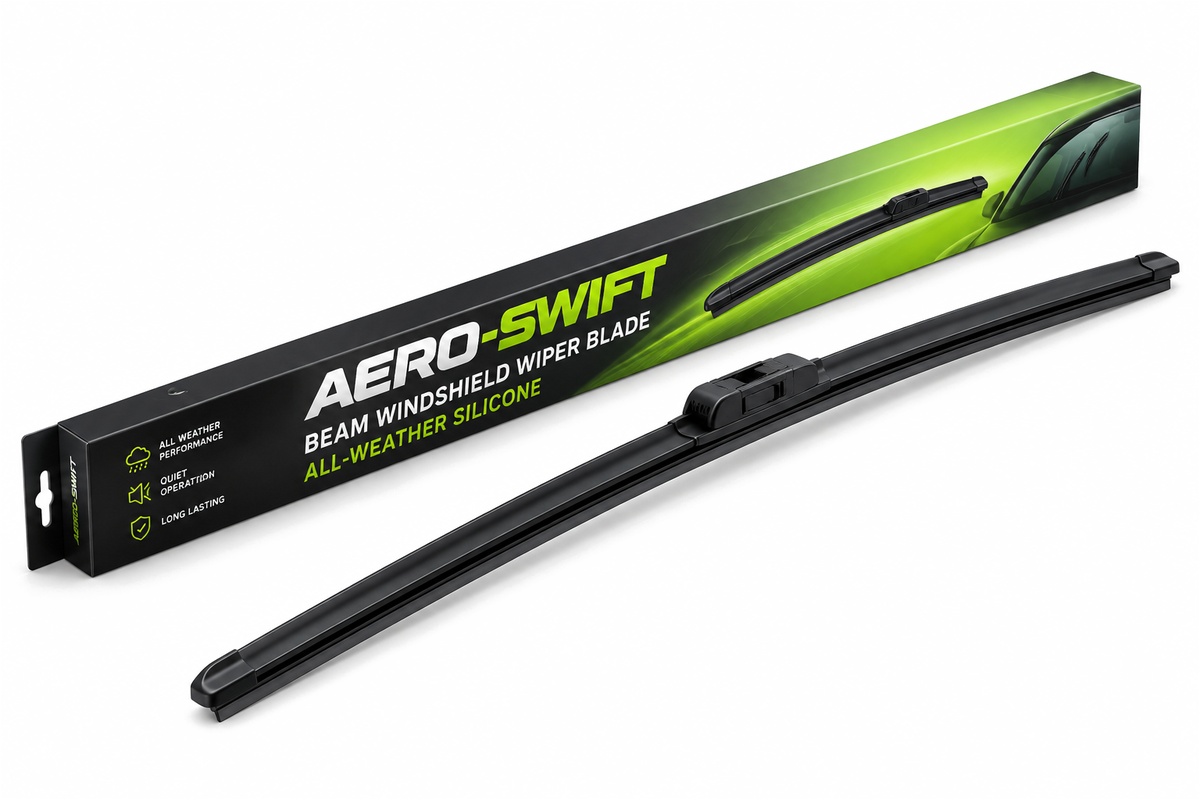
A slim elongated micro-flute corrugated box engineered to keep automotive beam wiper blades and protective roll films perfectly straight.
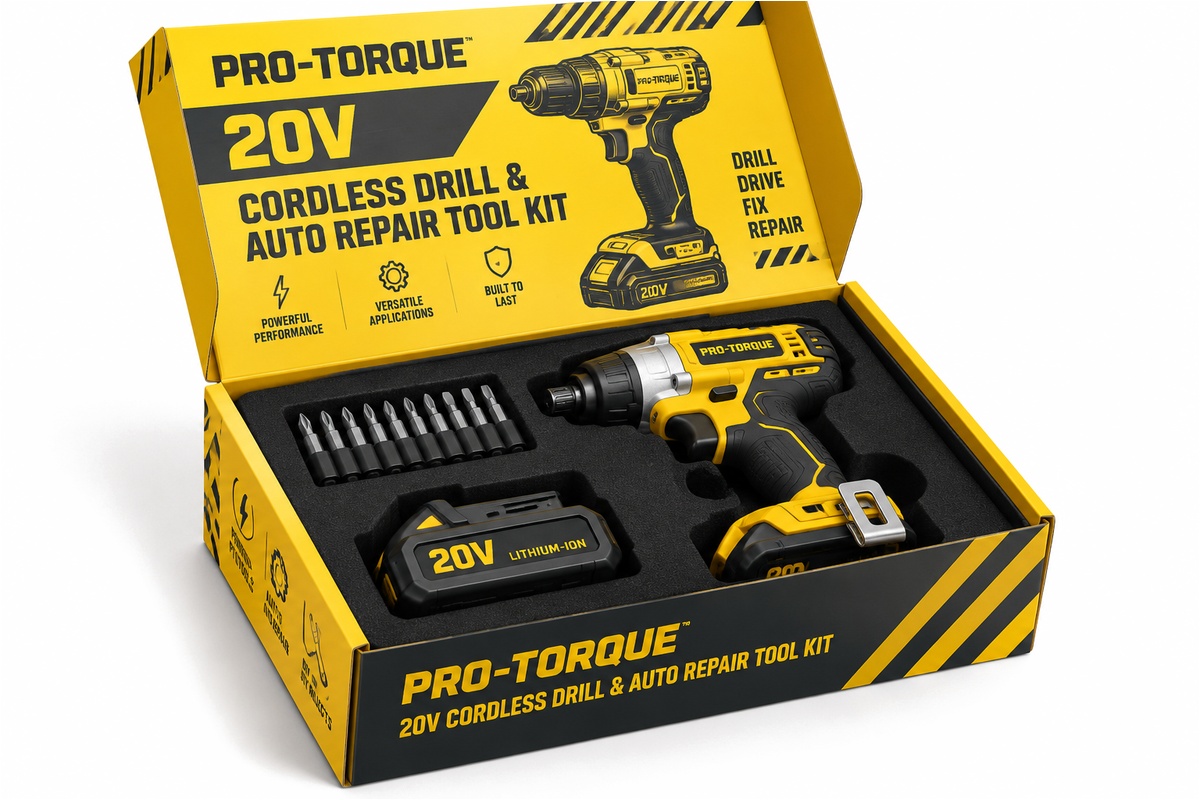
A rugged roll-end tuck-top corrugated mailer box with tailored interior tool inserts for automotive cordless drills and emergency roadside repair kits.
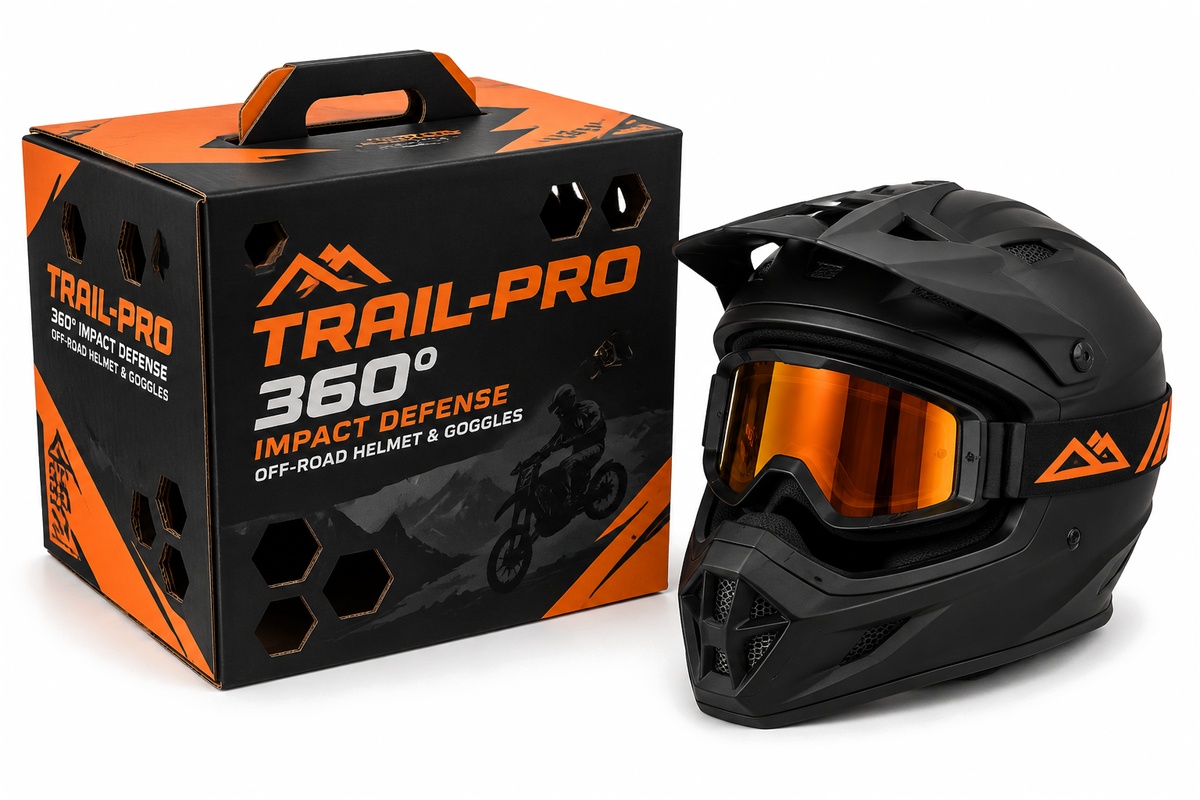
A vented cube corrugated presentation box with precision die-cut honeycomb air vents and an integrated carry handle for off-road motocross helmets and goggles.
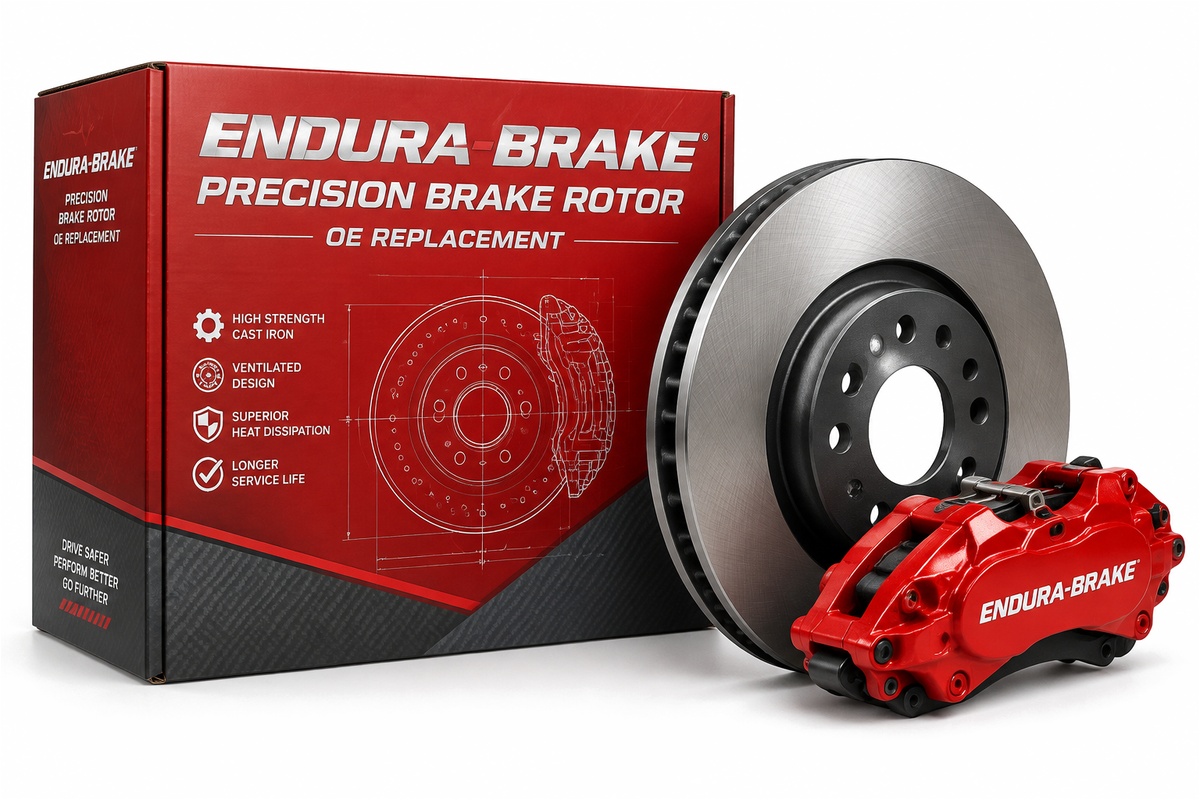
An ultra-sturdy square corrugated master box engineered with heavy-gauge board and anti-corrosion barrier liners for cast-iron brake rotors and calipers.
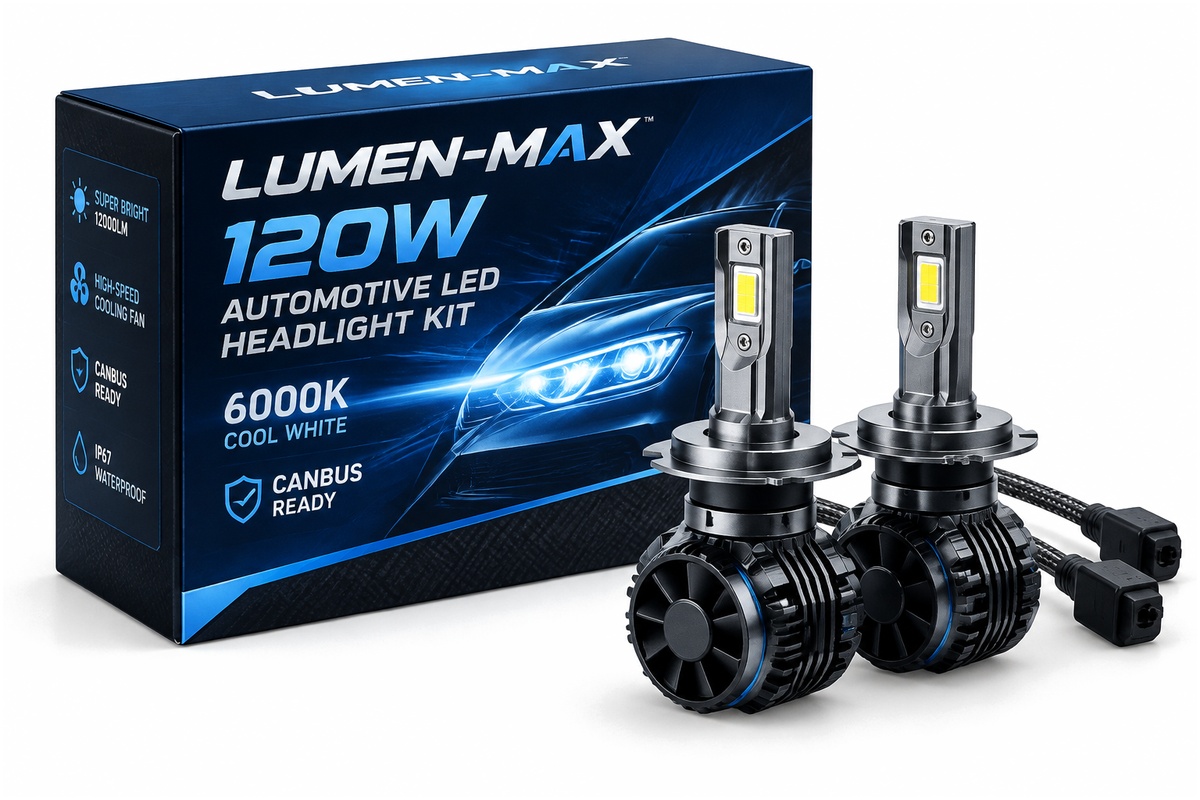
A high-tech micro-corrugated packaging box with custom shock-absorbing molded inserts designed for dual automotive LED headlight conversion bulbs.
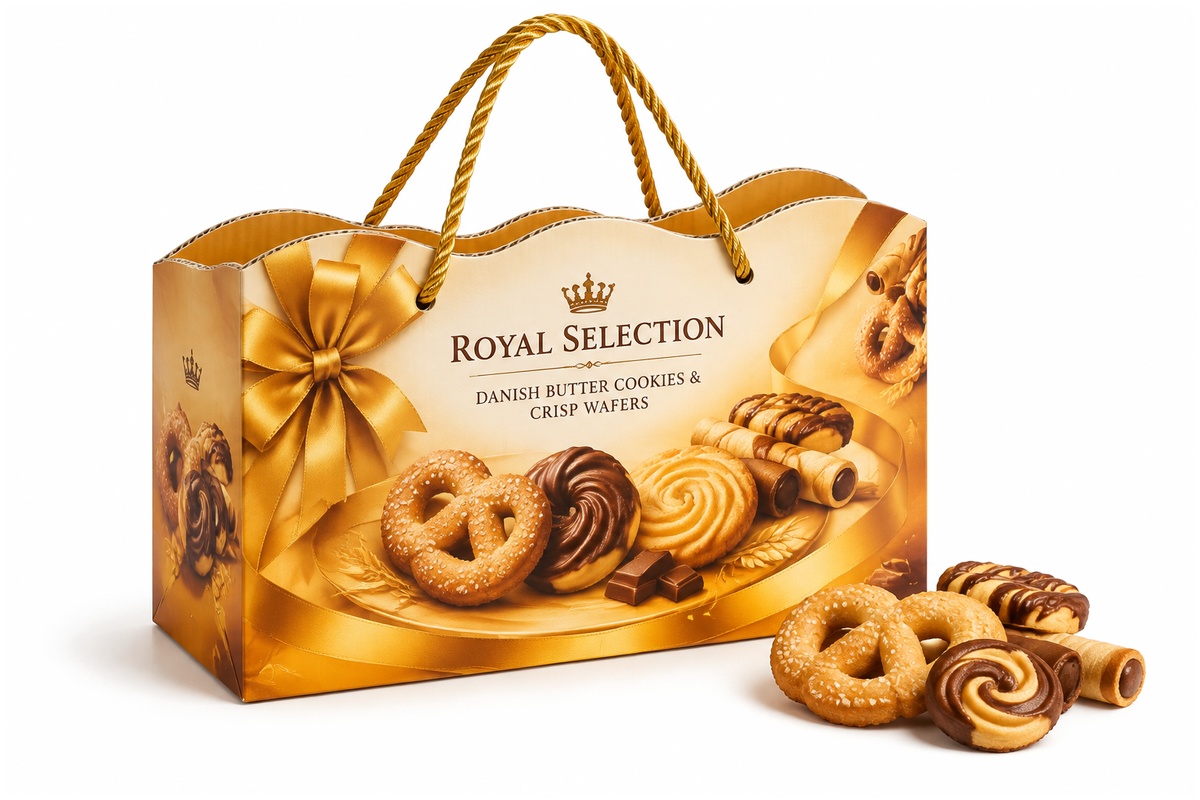
A premium micro-corrugated pastry gift box featuring an ergonomic scalloped wave handle, rich royal blue livery, and warm golden biscuit illustrations.
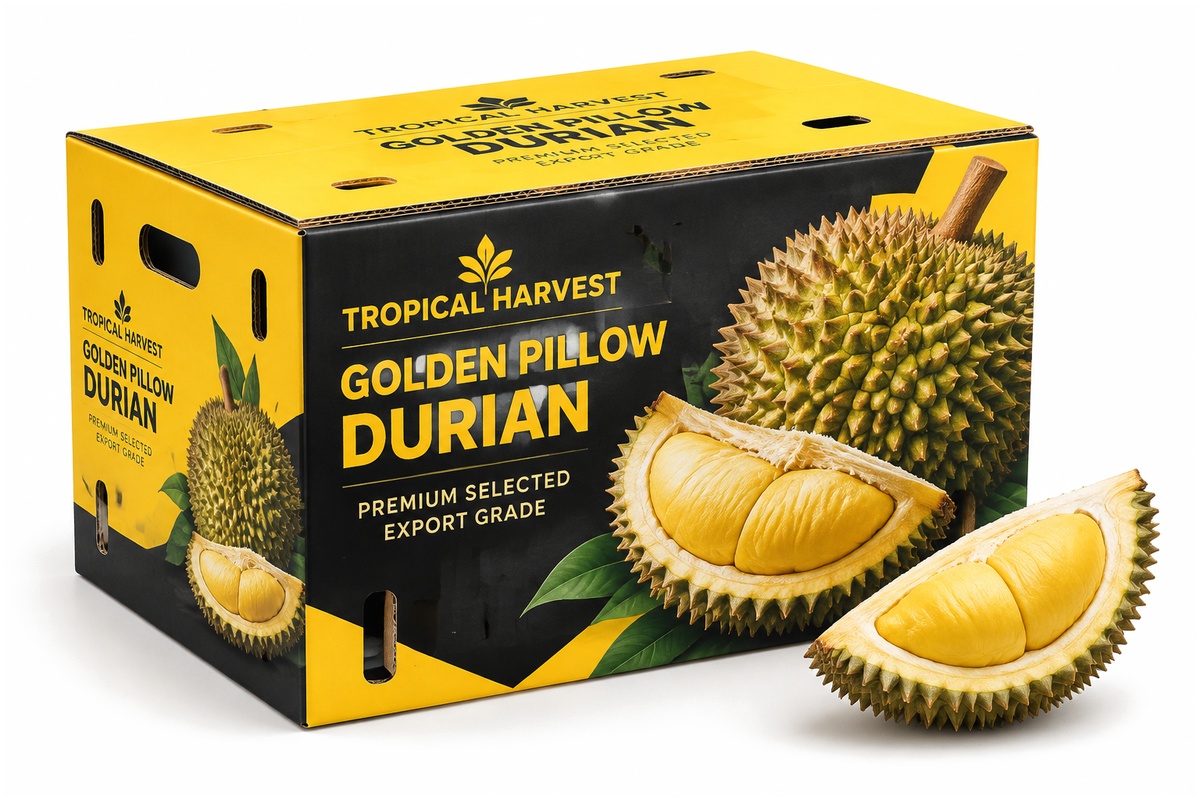
A reinforced heavy-duty corrugated export shipper carton engineered with ventilation hand-holes for premium fresh durians and tropical produce.

An artisanal corrugated gable roof box with pastoral wheat field illustrations and cord handles, designed for premium organic grains and vacuum-packed jasmine rice.
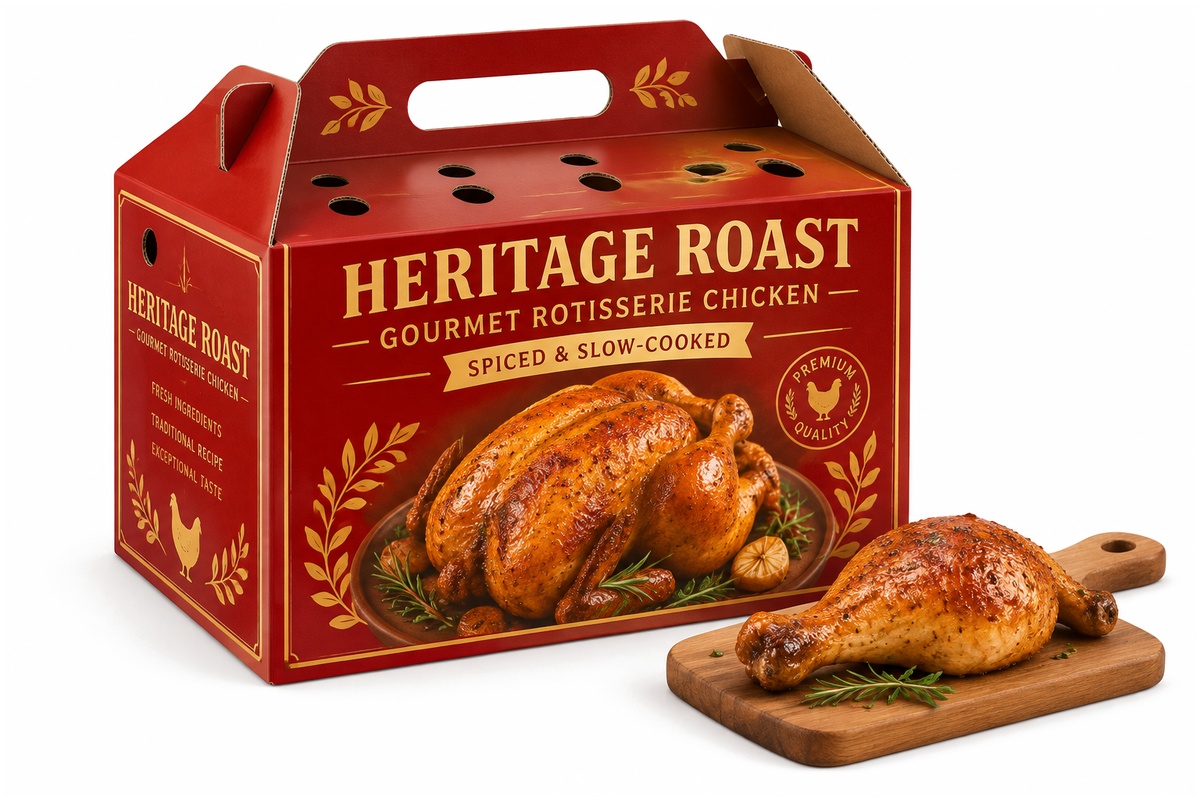
A specialty food-grade corrugated take-out carry box featuring vintage culinary illustrations and an integrated handle for whole roasted poultry.
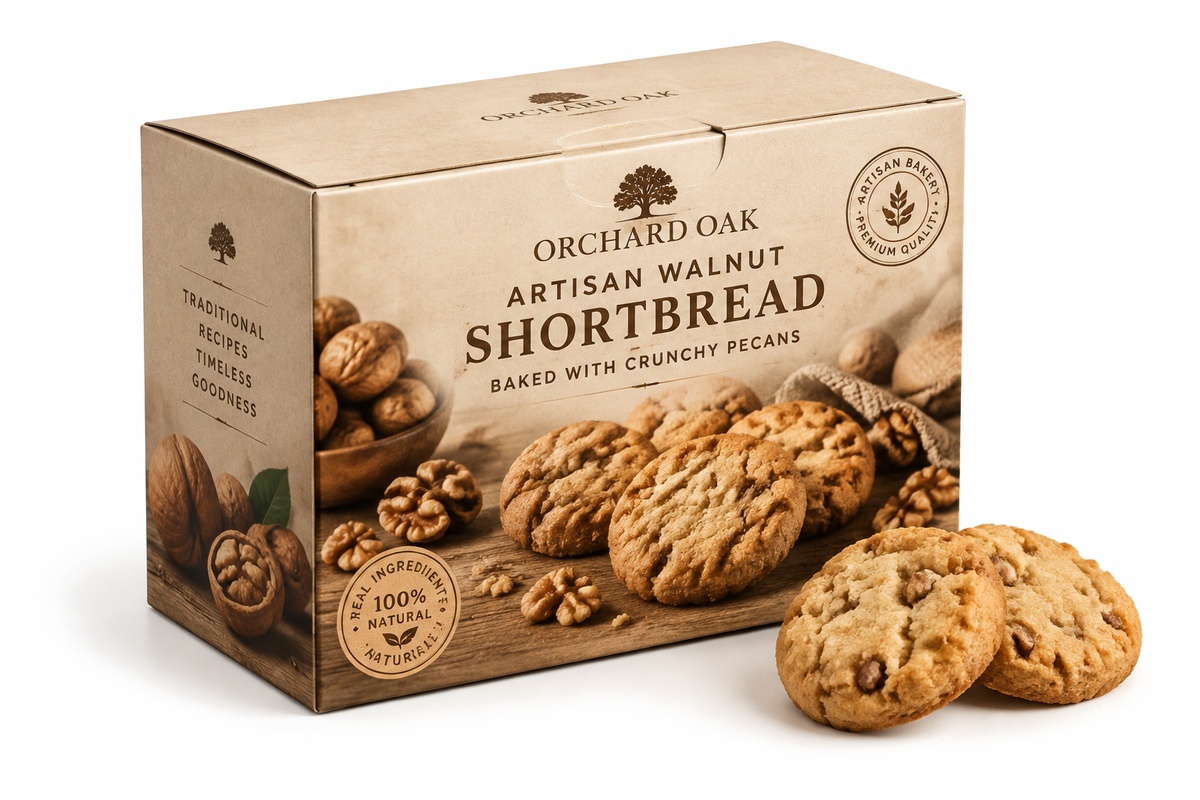
A classic gourmet bakery carton in warm chestnut brown and gold foil, designed for traditional walnut pastries, nut crisps, and artisan shortbread.
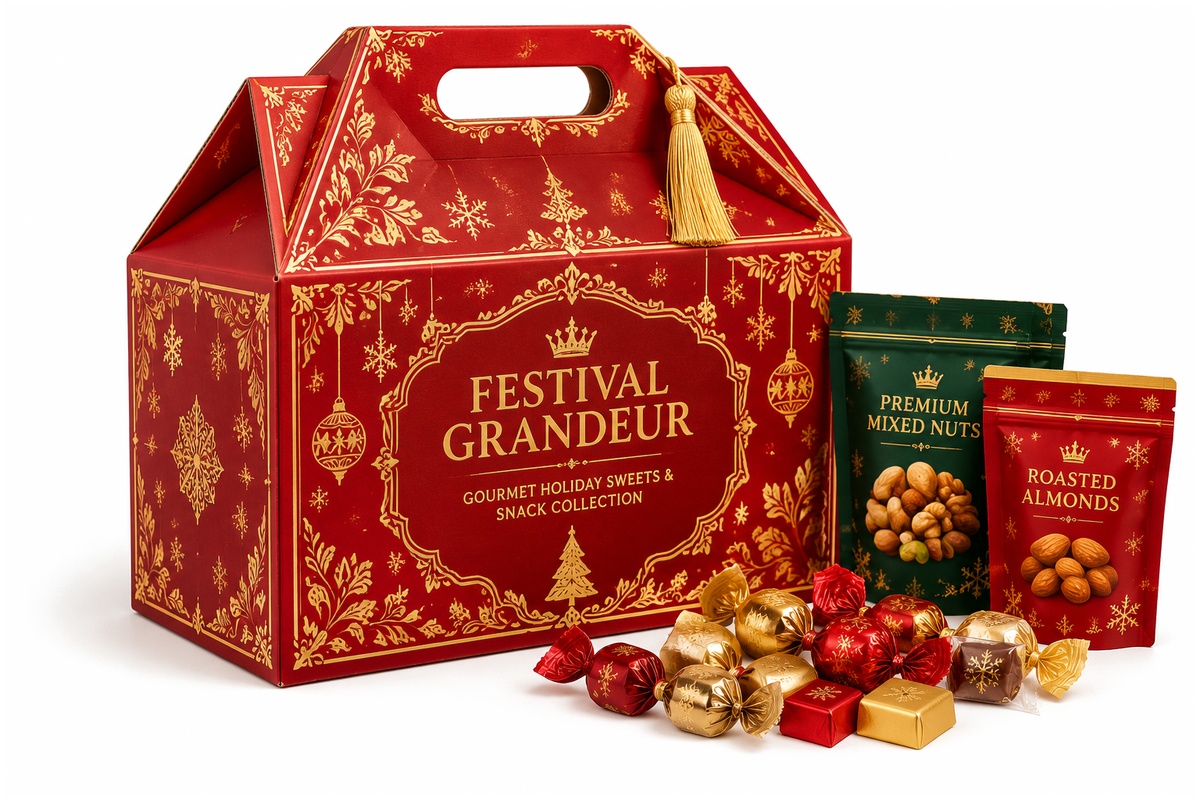
A spacious celebration snack hamper carton featuring grand imperial scarlet artwork, auspicious golden scrollwork, and an ultra-sturdy carry handle.
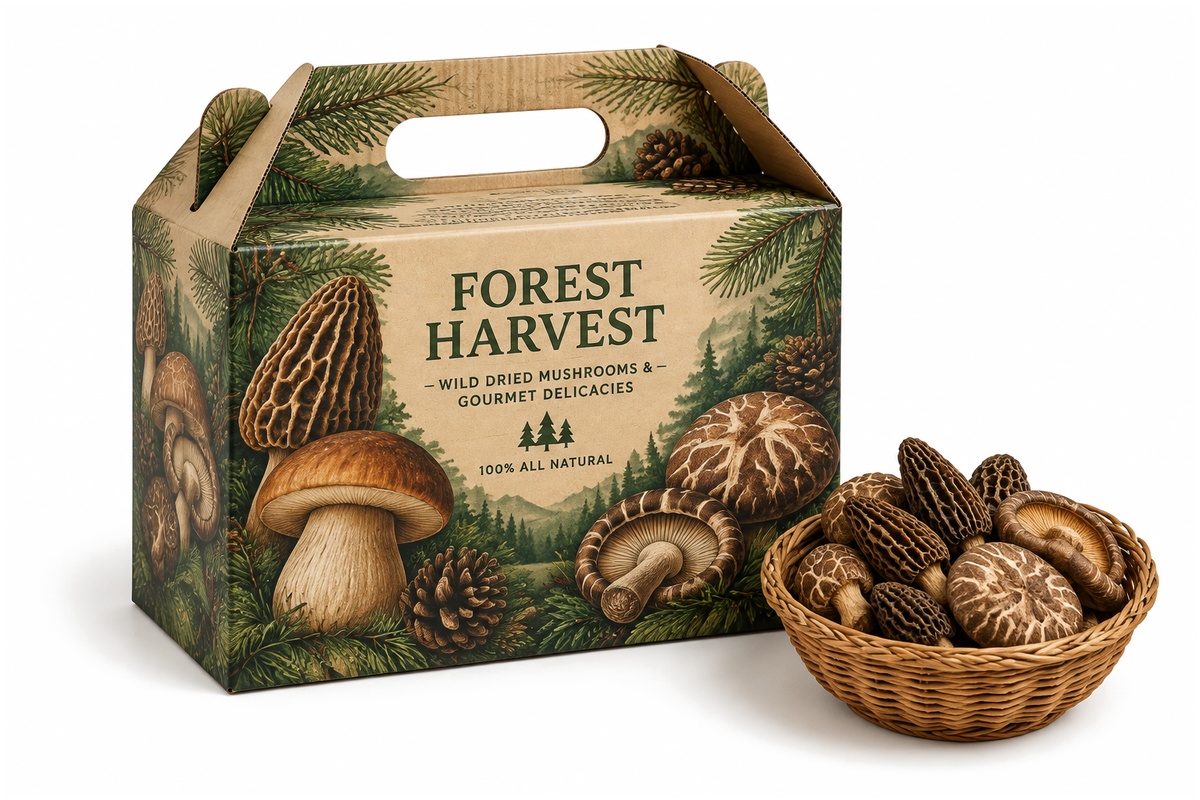
A rustic yet elegant carry box featuring deep botanical forest greens and delicate mycological illustrations for dried wild mushrooms and truffles.
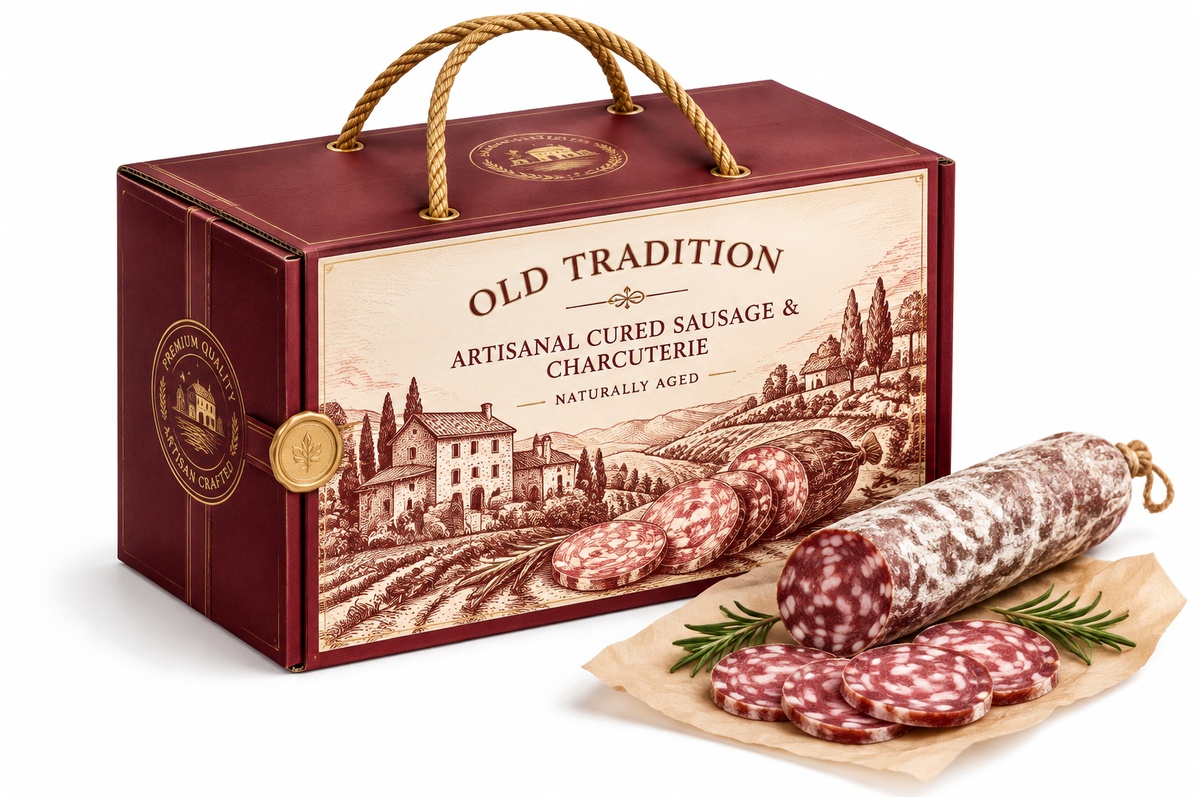
An artisan food carry carton featuring deep wine-red livery, vintage butcher heraldry, and a reinforced handle for vacuum-sealed cured meats and sausages.
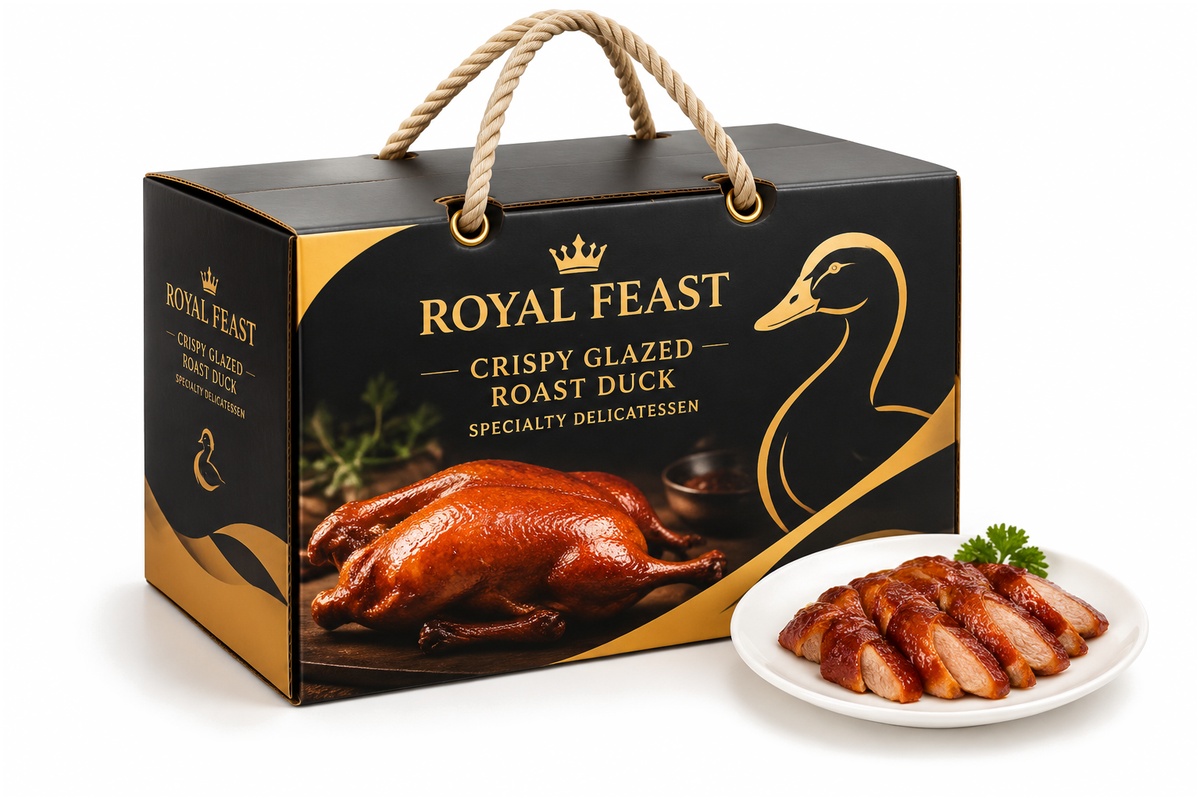
A prestigious culinary take-out carton in royal imperial purple and gold, designed for whole crispy glazed roast ducks and gourmet banquet delicacies.
Your Production Specification
| Construction | Fluted paper core between liner sheets; specify surface paper and board combination |
|---|---|
| Size | Custom internal dimensions; confirm length, width, height and product clearance |
| Structure | Foldable layouts with opening and closure details reviewed for the application |
| Flute & Thickness | Select profile and total board thickness to suit product weight, protection and print requirements |
| Printing | Brand artwork and product information; color and inside-print options confirmed for the selected structure |
| Finishing | Coatings, decorative finishes and insert options reviewed against the chosen board |
| Order Quantity | MOQ and pricing confirmed by structure, material, printing and quantity per design |
| Sampling | Sample type, cost and timing agreed before sample preparation |
| Production & Delivery | Schedule and shipping arrangements confirmed with your order |
These are specification starting points. Final materials, production feasibility, sample requirements and commercial terms are confirmed in your quotation.
Get Specification Quote →Board and Material Selection
The liner, corrugated profile and total construction work together with the box size, product weight and intended handling.
Share the actual product and packed weight, including accessories. This gives the board and structure discussion a meaningful starting point.
Choose the visible paper surface with the intended artwork and finish in mind. The material appearance is part of the final brand presentation.
Explain whether the product box is packed into another carton, displayed in retail or sent to a customer. The use context can affect the packaging conversation.
Read the flute guide →Print and Surface Decisions
Artwork, liner paper, folds and surface details should be reviewed together so the visible result matches the way the box is used.
Identify the customer-facing panels, opening orientation, product information and areas close to folds. Use the confirmed dieline for final layout.
State the color reference and proofing requirements that matter to the project. Review how the selected material and print approach affect the appearance.
Lamination, varnish, foil or other details should be named in the artwork and material brief. Their suitability is reviewed with the construction.
Prepare print files →Printing & Surface Finishing
Choose finishes around the paper surface, artwork and product positioning. These are options to review with the box specification; suitability and availability are confirmed for the project.
Matte creates a lower-glare appearance; gloss emphasizes shine. Compare the look on a sample and consider fold behavior and the full material combination.
A tactile finish can change how a product box feels in the hand. Discuss the intended effect, handling requirements and compatibility with the board.
Use a metallic detail for a logo or selected artwork element. Identify foil areas separately and review fine detail, placement and fold clearance.
Selected gloss areas can contrast with the surrounding print. Mark the areas on a separate artwork layer so their location can be reviewed.
A raised or recessed detail adds relief to the surface. Discuss the effect in relation to the liner, board structure and artwork.
Window openings, pull tabs and other features change both the appearance and construction. Include them in the structural brief before the dieline is approved.
Sample Service
A material swatch, a blank box and a printed sample answer different questions. Choose a sample plan that matches the stage of your packaging project.
Compare the feel and appearance of available papers and finish examples. A swatch is a useful reference, but it does not demonstrate the complete box construction.
Check product fit, folding, closure and the packing sequence. Include accessories and inserts so the review reflects how the product will actually be packed.
Review artwork placement and appearance with the proposed structure. Confirm the sample method and any differences from the planned bulk production process.
Record what was approved and which points still need revision. Confirm the sample cost, delivery arrangements and any additional review before bulk production.
Inside the Production Process
The exact route depends on the chosen structure and printing method. Agree the required operations as part of the production specification.
Place the artwork on the confirmed cutting and folding layout. Check orientation, colors, text, bleed and the placement of product information.
Specify the liner and corrugated construction together. Material choice should account for product fit, printed appearance and the intended handling.
Produce the approved artwork using the agreed print approach. For color-critical work, establish the reference and proofing requirements before the run.
Where the selected construction uses a printed sheet combined with corrugated board, the layers become part of the final box material.
Cut the outline and form the creases for assembly. Glue or other closure operations depend on the structure; not every box uses the same sequence.
Prepare the boxes in the agreed delivery format. Confirm whether the selected structure is supplied flat, pre-glued or assembled, and label the order clearly.
Quality & Order References
A production reference should describe the physical box as clearly as the printed artwork. Build these checkpoints into your corrugated packaging brief.
Identify the agreed liner, corrugated profile and overall board construction. Compare the material with the approved specification rather than judging it by color alone.
Check usable internal dimensions with the actual product, wrapping and accessories in place. Confirm clearance, insert fit and the way the lid closes.
Review the approved artwork version, panel orientation, color reference and legibility of product information. Pay particular attention to text that sits near folds.
Check that cut edges, slots and crease positions allow the box to fold into its intended shape. Try the assembly sequence used by the packing team.
Review locking tabs, glued areas or other closure details for the chosen structure. The box should open and close as specified without forcing the product inside.
Confirm the packing method, quantity identification and artwork version on each shipment. Specify inspection records and any special tests in the order requirements.
Bulk Quote and Repeat Record
A product name alone cannot describe a custom packaging order. Record the details that change fit, print, packing and delivery.
Include internal dimensions, product or packed weight, board construction, dieline and any insert or partition arrangement.
List quantity by SKU and artwork version, then provide the packing method and delivery location for the quotation discussion.
Identify the artwork revision, required print details and any change from the previous order. Review the full specification when the product changes.
Prepare the quote brief →Before Requesting a Quote
Describe the product, packing method and material options you want to compare before approval.
Sample planning →Supply the logo, final product information, color references and any finish layers with the design brief.
Artwork preparation →List quantity per size and artwork version, destination and the expected timing of future orders.
Discuss the order →Send product dimensions, quantity per design, artwork and delivery requirements. Include your expected repeat order needs so we can review the complete specification.
Request a Custom Quote →Complete Your Packaging
Custom inserts and dividers for your product boxes. Specify the product dimensions, weight and arrangement for a coordinated packaging solution.
View →PACKAGING / 02Custom corrugated outer cartons for grouping and transporting packaged products. Specify the carton size, board construction, thickness and identification printing for your distribution needs.
View →PACKAGING / 03Custom printed paperboard cartons for individual products and retail packaging. Choose the size, folding structure, paperboard and print finish for your project.
View →