
Made-to-order packaging
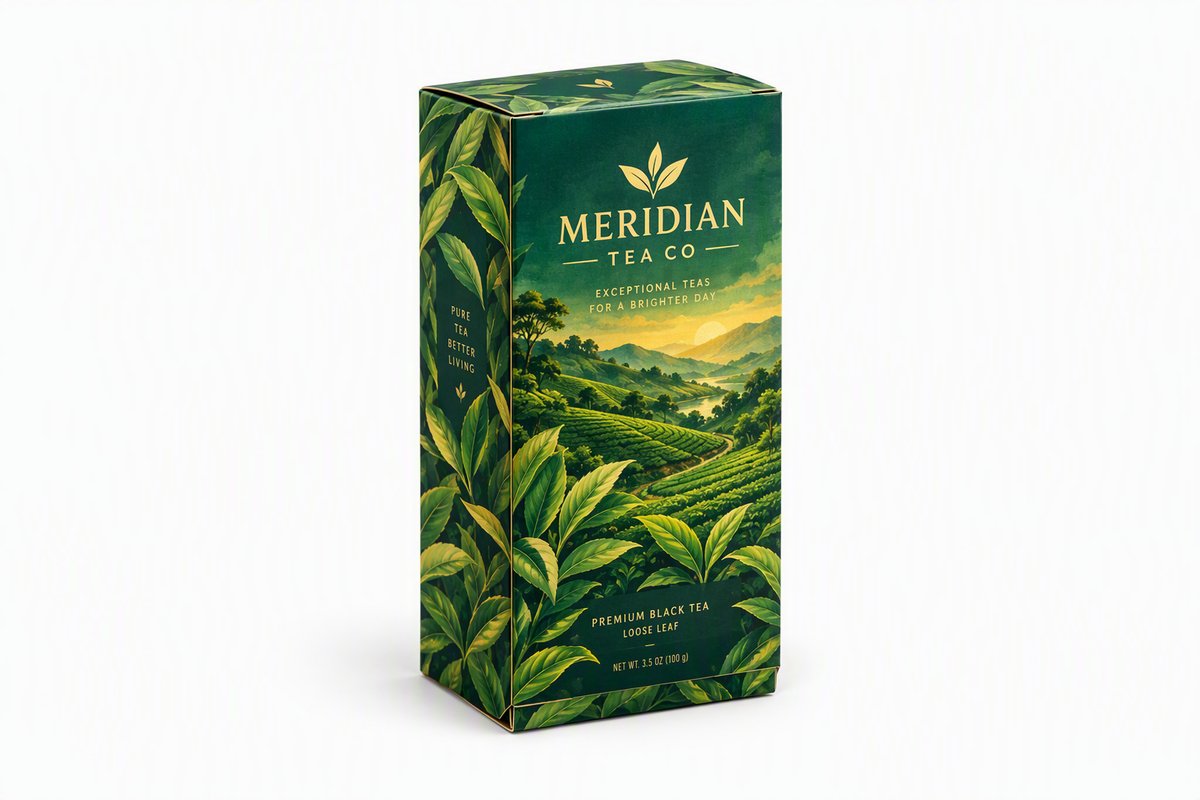
Straight Tuck-End Carton
A classic paperboard carton with tuck flaps on the same panel at both ends, shelf-ready.
Share product dimensions, shelf route and artwork layout for a straight tuck-end carton quotation.
Key Parameters
Engineering parameters for this format.
Typical ranges from our production floor. Your dimensions, board combination and print are confirmed in the quotation.
| Board construction | Solid bleached paperboard (SBS/FBB) or recycled board (GD2) |
|---|---|
| Board weights | 250–400 gsm typical; 0.30–0.50 mm caliper |
| Tuck configuration | Straight tuck-end: both tuck flaps close onto the same panel |
| Size range | Custom; typical L 40–250 mm, W 20–150 mm, H 80–300 mm |
| Printing | Offset CMYK 4-color + up to 4 Pantone spot colors |
| Color capability | Dense solids, fine reverse type, metallic ink options |
| Surface finishes | Matte / gloss lamination, spot UV, soft-touch, hot foil, embossing |
| Add-ons | Windows, hang tabs, tamper seals, inner dust flaps to spec |
| Typical MOQ | 5,000–10,000 pcs per design (typical band, confirmed against size and print in the quotation) |
| Sampling | White sample 4–6 days; printed sample 6–9 days |
| Bulk lead time | 10–15 days after approval (typical band, confirmed against size and print in the quotation) |
| Delivery format | Shipped flat; erected at the filling line |
Print & Finishing Workflow
How your box is printed, finished and checked.
The in-house sequence this format runs through — from prepress to the final inspection before packing.
- 01
Prepress & separation
CMYK + spot separations are made on the confirmed dieline; shelf-facing panels checked for type size.
- 02
Offset printing
Sheet-fed offset delivers dense brand colors and fine detail; multiple spot inks run in one pass.
- 03
Finishing
Lamination, spot UV, foil and emboss are matched to the price point and shelf position.
- 04
Die-cut & tuck QC
Tuck flaps are cut and creased; flap tightness is sampled so cartons stay closed on shelf.
- 05
Flat counting & packing
Cartons are counted, banded and packed flat for the filling line.
Customization Capability
Built around your product, not off the shelf.
Every parameter above can be specified. These are the dimensions of customization this format supports best.
Shelf-first format
The classic retail carton: clean faces, efficient Nesting, fast filling-line handling.
Panel-by-panel design
Front, back and side panels are planned for face-out and spine-out shelving.
Regulatory panels
Ingredient, dosage and compliance text layouts are built into the dieline.
Finish ladders
From matte-only to foil-and-soft-touch, finishes scale with your price point.
Consistent reorders
Print records and dielines are archived for identical repeat runs.
Application context
Where this format can begin.
- Tea and coffee retail
- Supplement packs
- Compact shelf products
Structure
Define the opening, loading and closure.
One-piece folding carton where top and bottom tuck flaps close onto the same back panel.
Confirm carton dimensions against the product plus any inner bag, with tuck tightness for shelf handling.
Material & board
Review construction against the packed product.
- Solid Paperboard
Compare paperboard calipers and coatings for the intended print coverage and food contact needs.
Printing & surface
Place artwork on the confirmed dieline.
- Offset Printing
- Gloss Lamination
- Spot Varnish
Full-color offset artwork wraps all panels; side panels carry product information blocks.
Features
Add only what supports use and packing.
No feature is fixed at this stage; suitable closures, openings or handling details can be reviewed by project.
Consider window openings, embossing or hang tabs alongside the tuck configuration.
Inserts & accessories
Plan product organization with the outer box.
An insert is optional and should be assessed from the product arrangement and handling brief.
If internal support is needed, prototype it with the complete product, accessories and practical finger clearance.
Sampling
Use the sample that answers the current question.
A material reference helps compare surfaces, a blank structural sample checks fit and assembly, and a printed sample reviews the combined structure and artwork. Scope, cost and timing are confirmed before preparation.
Review sampling options →Factory reassurance
One working specification from review to production.
Final dimensions, material, artwork version, quantity, sample approval and packing instructions are recorded for the production discussion. Manufacturing feasibility, schedule and commercial terms remain subject to quotation confirmation.
Learn about the factory →Related products
Compare another structural direction.
-
 Product format
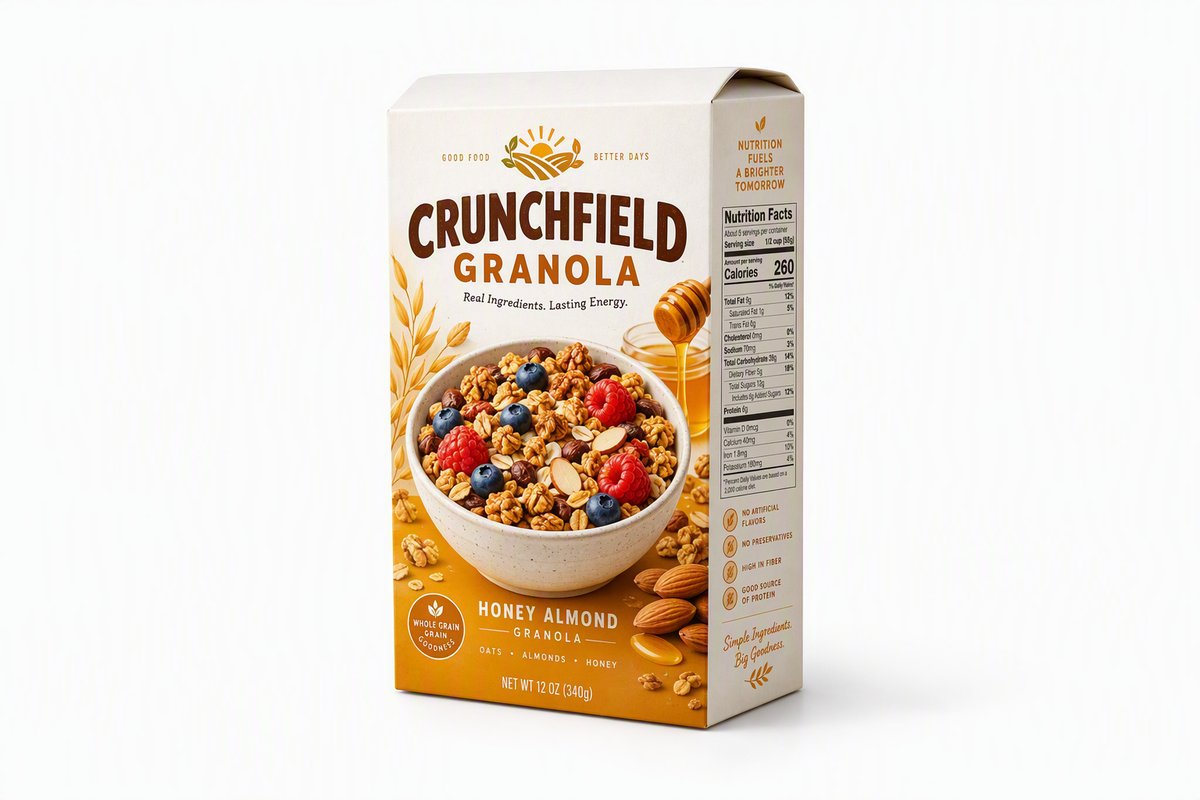
Auto-Bottom Folding Carton
A paperboard retail carton with a pre-glued bottom designed for quick forming.
-
 Product format
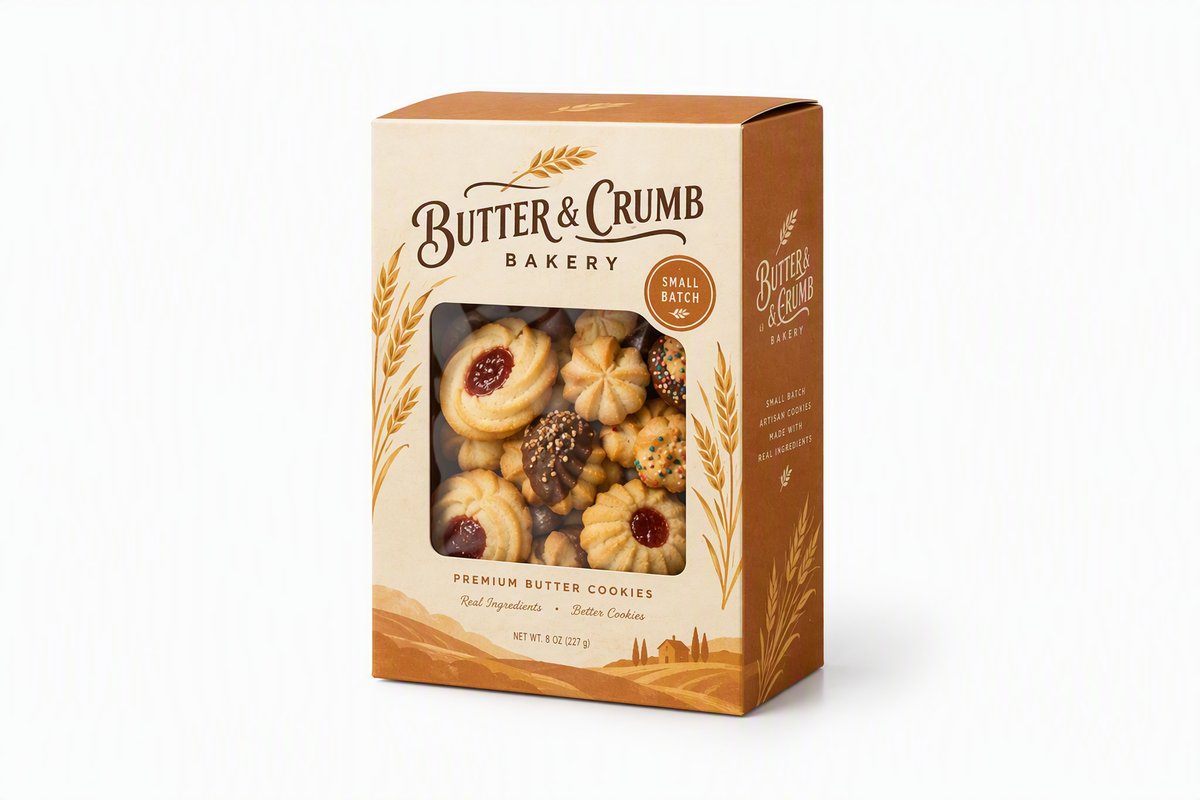
Window Folding Carton
A printed paperboard carton with a die-cut opening that reveals part of the product.
-
 Product format
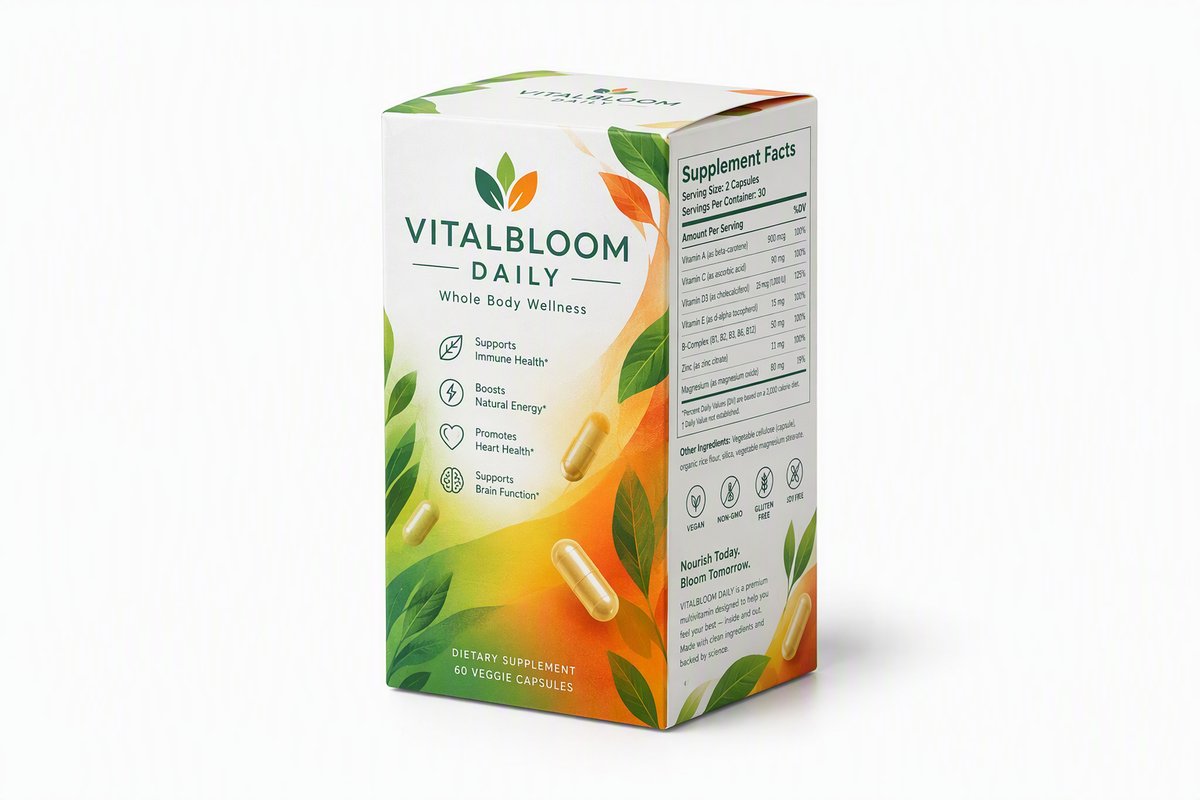
Supplement Vitamin Carton
A wellness carton with information panels sized around bottles, pouches or blister packs.
Discuss Straight Tuck-End Carton
Share product dimensions, shelf route and artwork layout for a straight tuck-end carton quotation.
Request a custom quote →