
01
Share Your Requirements
Send product dimensions, quantity, artwork and delivery destination. Include your planned repeat order needs.
Choose how your product packaging fits, folds and looks. We review size, structure, material, thickness and printing together, then confirm the production specification for your order.
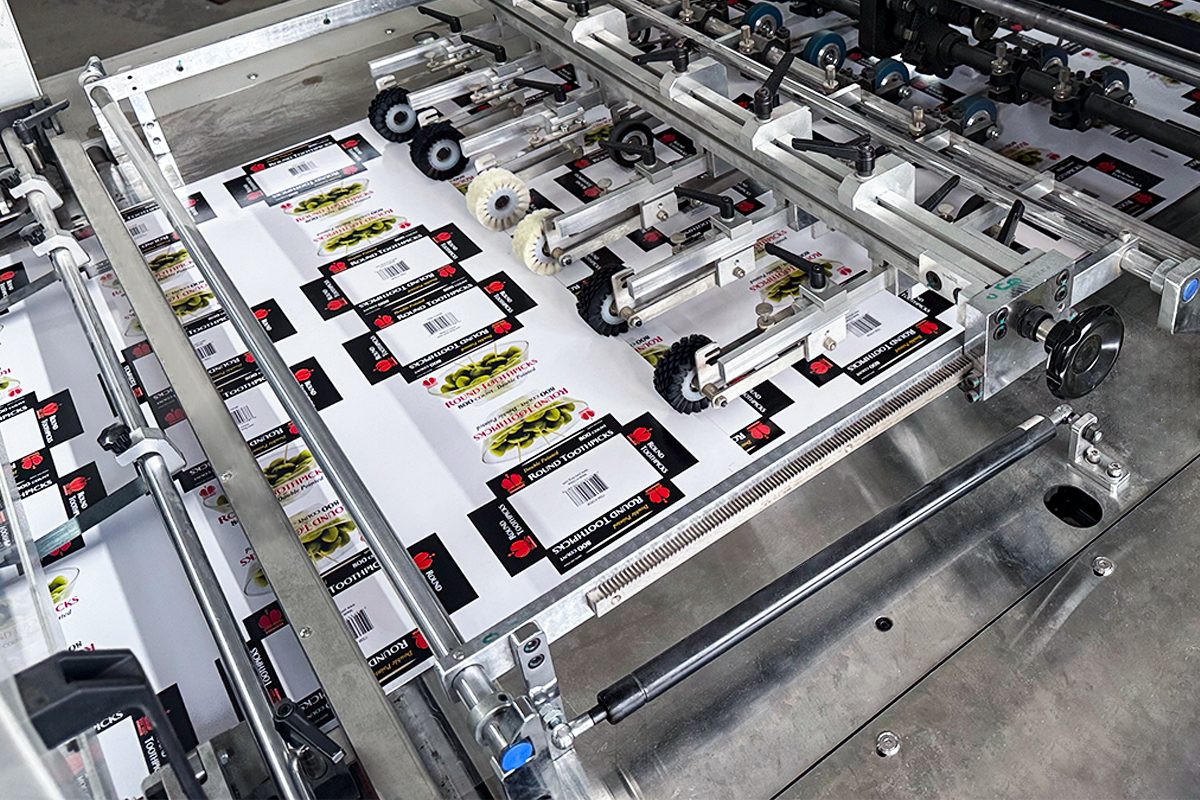
Printing & Manufacturing
Printed product packaging needs to work as a physical box and as a surface for your brand. Material, print coverage and fold positions all influence the result.
Discuss the complete specification with us, including packing method and expected handling. Printing, board conversion and finishing requirements are reviewed as one production plan.
Customization
Specify internal dimensions or send product measurements, weight and packing requirements. Allow room for inserts and assembly.
Choose a foldable structure, opening style and closure suited to how your product is packed, presented and handled.
Select the paper surface and board construction to balance appearance, product protection and purchasing cost.
Discuss the corrugated profile and overall board thickness for your product. The final material specification is confirmed in the quote.
Add your logo, product information and brand artwork. Discuss full-color, spot-color and inside-print options for your selected structure.
Consider coatings, decorative finishes and fitted inserts. Availability and suitability are reviewed for the chosen board and design.
Material & Structure
Corrugated board, solid paperboard and rigid board have different roles. Thickness alone does not describe the full construction or its suitability.
| Corrugated Product Packaging | A fluted paper core between liner sheets, shaped into foldable product boxes. Specify liner, flute, total thickness and intended use. |
|---|---|
| Corrugated Shipping Cartons | Outer cartons for transport and grouping goods. Review packed weight, wall construction, stacking and handling separately. |
| Solid Paperboard Cartons | Non-corrugated folding cartons for compact product presentation. Grade, caliper and structure are selected for the contents. |
| Rigid Presentation Boxes | Firm board with paper wrapping for gift and presentation boxes. Standard rigid designs do not fold flat. |
| Kraft & White Surfaces | Paper surface choices that affect print appearance. Confirm the board construction and paper composition as well as its color. |
The Corrugated Structure
A printed corrugated box is specified through its surface papers and fluted core. The total thickness is only one part of the decision.
Share product weight, internal dimensions and presentation requirements, then review the board combination together with the folding structure.
Explore corrugated profiles →The visible surface that carries your print and finish.
The corrugated layer within the board construction.
The inward-facing surface around your product and insert.
Final paper grades, flute and total thickness are specified together.
Print & Finish
Supply your logo, product information and color references. We review the artwork against the chosen paper surface and folding structure.
Discuss full-color artwork, spot-color requirements, product text and barcodes. Color references and proof requirements are agreed for the project.
Use the exterior for identification and the interior for instructions or presentation. Inside printing depends on the selected structure and production approach.
Coatings, lamination, foil and other decorative options can be reviewed for the board and artwork. Final availability, cost and suitability are confirmed in the quote.
Production Planning
For bulk production, agree the quantities, sample requirements and schedule before work starts. Define the checks that matter for your product: dimensions, folding, assembly, material and printed appearance.
For regular supply, share the expected order cycle and identify any changes from the previous run. This gives both teams a clear basis for planning.
Special tests, material certifications and inspection arrangements must be confirmed for the project before ordering.
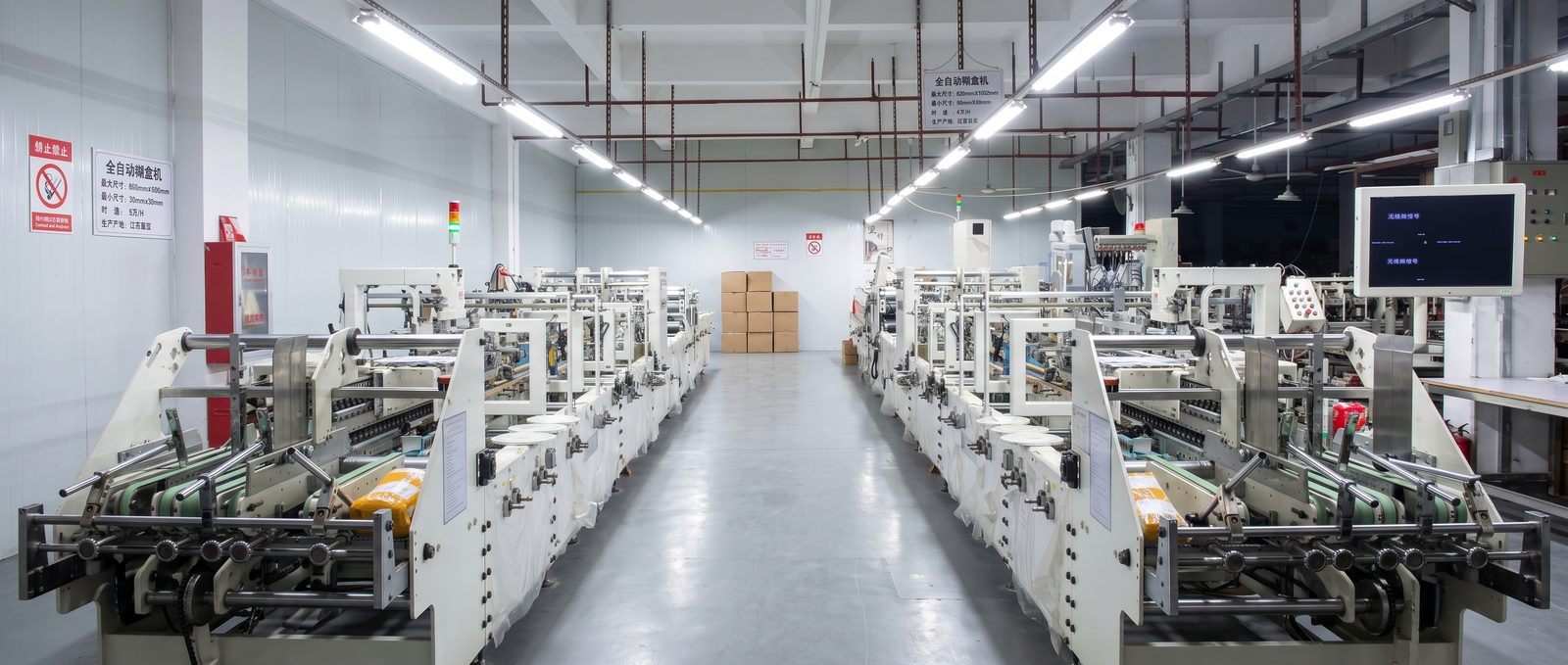
On The Floor
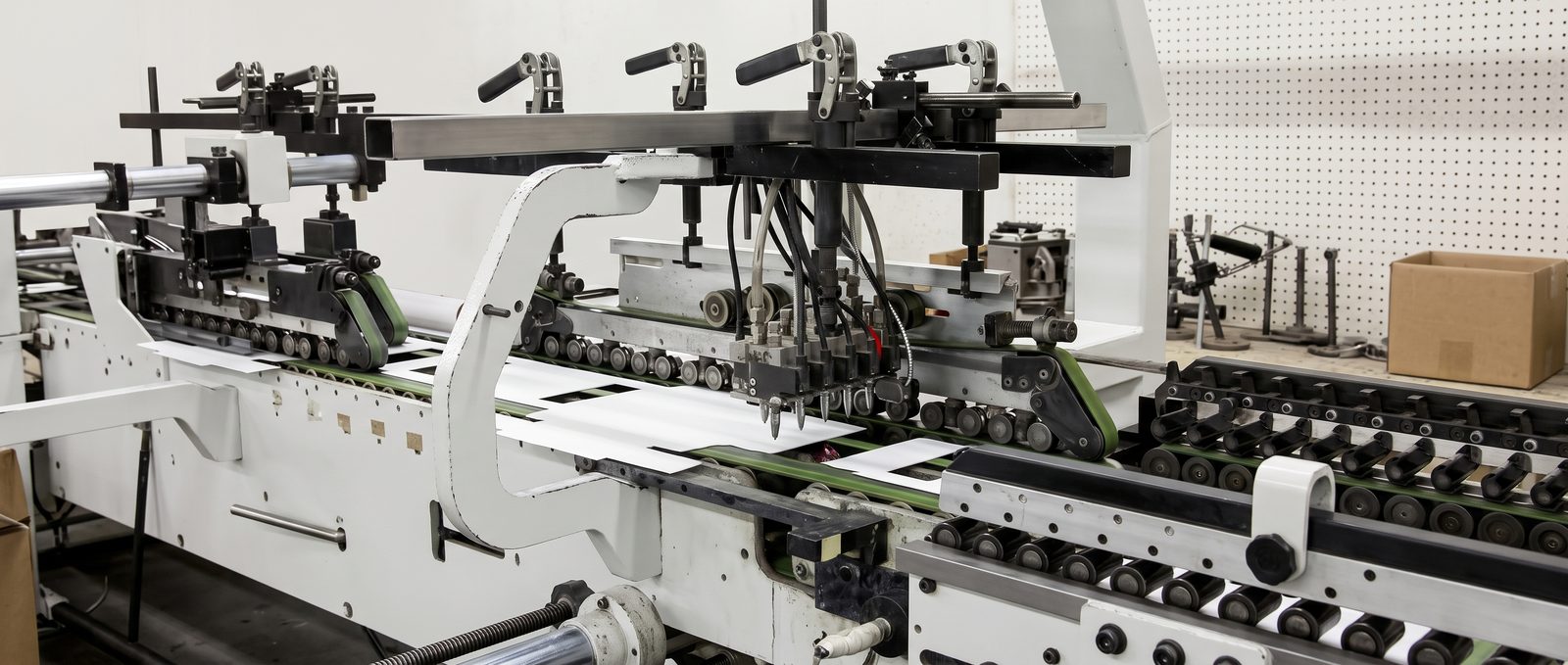
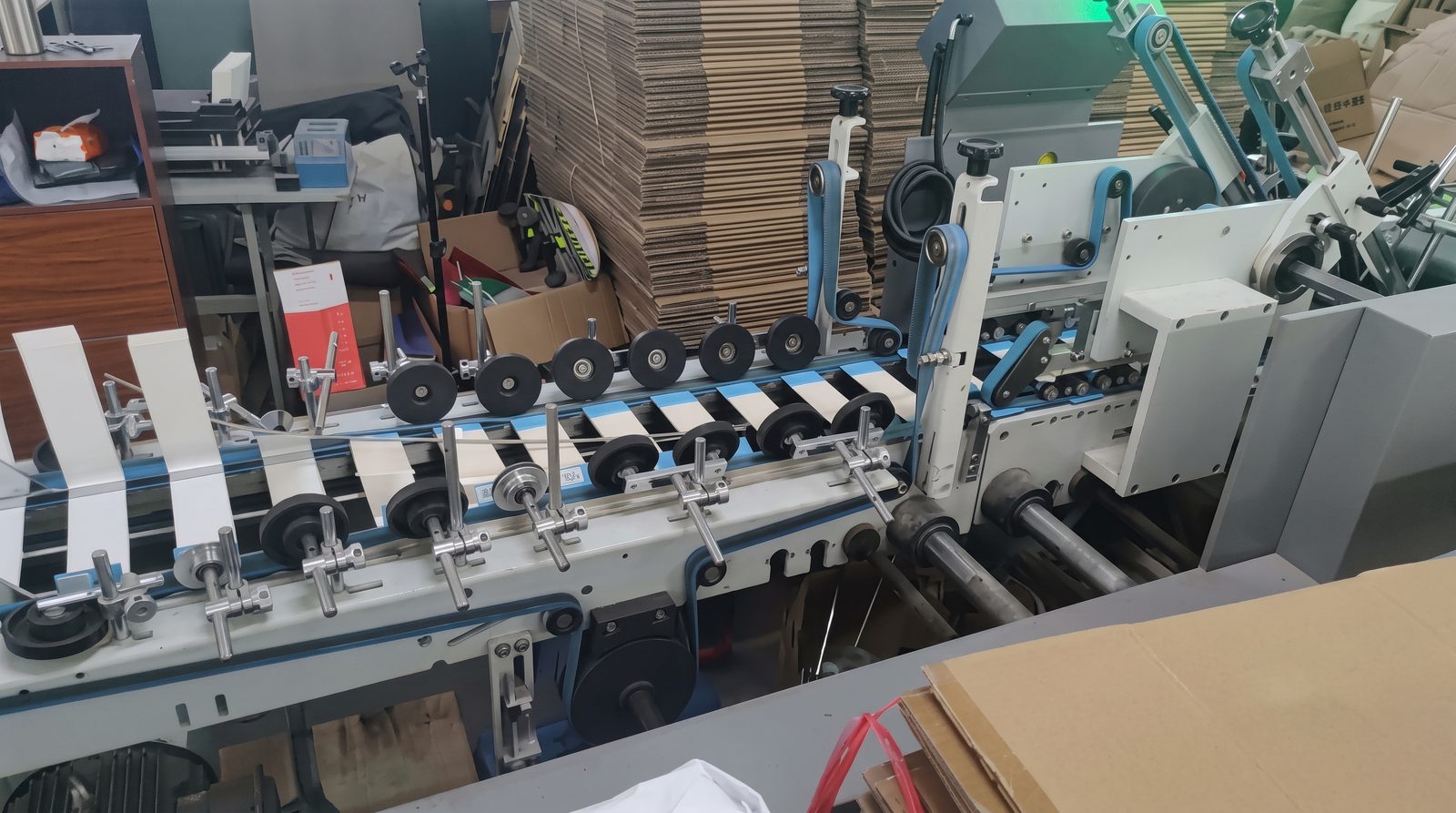
Printed sheets are converted into box blanks, folded and glued on our own lines before packing.
The Order Process
Send product dimensions, quantity, artwork and delivery destination. Include your planned repeat order needs.
Review the proposed box structure, materials, print, price and sample requirements before approving production.
Agree the production schedule and inspection requirements against the approved specifications and order terms.
Reference your previous order and confirm quantities, design revisions and required delivery dates for the next run.
Printing & Surface Finishing
Choose finishes around the paper surface, artwork and product positioning. These are options to review with the box specification; suitability and availability are confirmed for the project.
Matte creates a lower-glare appearance; gloss emphasizes shine. Compare the look on a sample and consider fold behavior and the full material combination.
A tactile finish can change how a product box feels in the hand. Discuss the intended effect, handling requirements and compatibility with the board.
Use a metallic detail for a logo or selected artwork element. Identify foil areas separately and review fine detail, placement and fold clearance.
Selected gloss areas can contrast with the surrounding print. Mark the areas on a separate artwork layer so their location can be reviewed.
A raised or recessed detail adds relief to the surface. Discuss the effect in relation to the liner, board structure and artwork.
Window openings, pull tabs and other features change both the appearance and construction. Include them in the structural brief before the dieline is approved.
Inside the Production Process
The exact route depends on the chosen structure and printing method. Agree the required operations as part of the production specification.
Place the artwork on the confirmed cutting and folding layout. Check orientation, colors, text, bleed and the placement of product information.
Specify the liner and corrugated construction together. Material choice should account for product fit, printed appearance and the intended handling.
Produce the approved artwork using the agreed print approach. For color-critical work, establish the reference and proofing requirements before the run.
Where the selected construction uses a printed sheet combined with corrugated board, the layers become part of the final box material.
Cut the outline and form the creases for assembly. Glue or other closure operations depend on the structure; not every box uses the same sequence.
Prepare the boxes in the agreed delivery format. Confirm whether the selected structure is supplied flat, pre-glued or assembled, and label the order clearly.
Quality & Order References
A production reference should describe the physical box as clearly as the printed artwork. Build these checkpoints into your corrugated packaging brief.
Identify the agreed liner, corrugated profile and overall board construction. Compare the material with the approved specification rather than judging it by color alone.
Check usable internal dimensions with the actual product, wrapping and accessories in place. Confirm clearance, insert fit and the way the lid closes.
Review the approved artwork version, panel orientation, color reference and legibility of product information. Pay particular attention to text that sits near folds.
Check that cut edges, slots and crease positions allow the box to fold into its intended shape. Try the assembly sequence used by the packing team.
Review locking tabs, glued areas or other closure details for the chosen structure. The box should open and close as specified without forcing the product inside.
Confirm the packing method, quantity identification and artwork version on each shipment. Specify inspection records and any special tests in the order requirements.
Send dimensions, quantity, artwork and any material or inspection requirements. We will review what your box needs before quoting.
Request a Custom Quote →